Erysipelas: Diagnosis, Treatment, And Prevention Guide
Erysipelas: Acute bacterial skin infection with fiery red rash, raised borders, and systemic symptoms requiring prompt antibiotic treatment.
What is erysipelas?
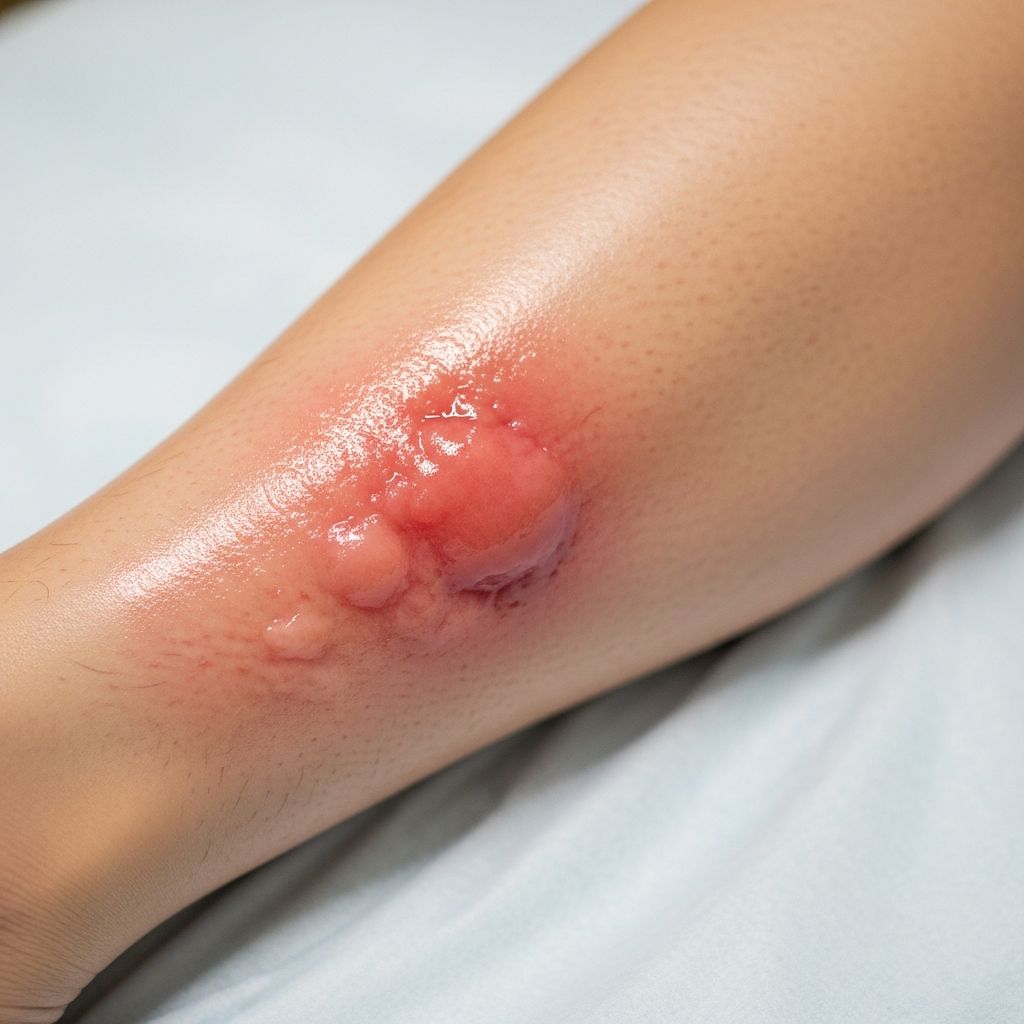
Erysipelas is an acute, superficial form of cellulitis primarily affecting the upper dermis and superficial lymphatics, typically caused by beta-haemolytic streptococci. It presents as a distinctive fiery red rash with sharply raised borders, distinguishing it from deeper cellulitis. The infection spreads rapidly and is often accompanied by systemic symptoms such as fever, chills, and malaise.
Historically known as ‘St Anthony’s fire’ due to its intense inflammation, erysipelas commonly involves the face or lower legs. It occurs when bacteria enter through breaks in the skin barrier, such as cuts, abrasions, or ulcerations. While treatable with antibiotics, recurrence is common in up to one-third of cases due to lymphatic damage from prior episodes.
Who gets erysipelas?
Erysipelas affects individuals of all ages, including infants and the elderly, with no strong gender predilection. Risk factors include:
- Breaks in the skin (e.g., cuts, abrasions, surgical wounds, insect bites, ulcers).
- Chronic conditions like venous insufficiency, lymphedema, obesity, diabetes, or peripheral vascular disease.
- Immunosuppression (e.g., HIV, chemotherapy, alcoholism).
- Recent streptococcal pharyngitis or skin infection.
- Nephrotic syndrome or prior radiation therapy.
Leg involvement predominates in adults (80% of cases), while facial erysipelas is more common in children. Recurrent episodes are frequent in those with persistent lymphatic obstruction.
What causes erysipelas?
Over 90% of cases are due to group A beta-haemolytic streptococci (Streptococcus pyogenes), with occasional involvement of groups B, C, or G streptococci. Rarely, other bacteria like Staphylococcus aureus (including MRSA), Pseudomonas aeruginosa, or Vibrio vulnificus in specific contexts (e.g., immunocompromised or water exposure) are implicated.
Infection occurs via direct inoculation through skin disruptions. Facial cases often follow upper respiratory streptococcal infections, while leg erysipelas links to local trauma or tinea pedis. Endogenous spread from nasopharynx or paranasal sinuses can seed facial infections.
What are the clinical features of erysipelas?
Symptoms typically emerge 48 hours after bacterial entry, starting with systemic prodrome: high fever (up to 40°C), chills, malaise, headache, and vomiting. Local signs follow rapidly.
Skin lesions:
- Fiery red, indurated plaque with sharply demarcated, raised, palpably thickened border (‘peau d’orange’ texture).
- Tender, warm, burning pain; oedema causes tightness.
- Rapid centrifugal spread (centimetres per hour).
- Creamy white or red vesicles/bullae in severe cases; haemorrhagic or necrotic in extreme instances.
Common sites: Legs (most frequent), face (cheeks, nose bridge), arms. Rarely trunk or ears.
Associated features: Regional lymphadenopathy, lymphangitis (red streaks). Facial erysipelas may cause dramatic swelling (‘orange peel’ appearance).
| Site | Frequency | Typical Features |
|---|---|---|
| Legs | 80% | Often bilateral predisposition; linked to venous stasis |
| Face | Common in children | Shiny, swollen; spares periorbital area usually |
| Arms | Less common | Post-mastectomy lymphedema risk |
Related Stories



How is erysipelas diagnosed?
Diagnosis is clinical, based on characteristic morphology: abrupt onset, raised serpiginous border, systemic symptoms. No routine labs needed; leukocytosis, elevated CRP/ESR are nonspecific.
Differentials:
- Cellulitis: Ill-defined borders, slower progression, subcutaneous involvement.
- Herpes zoster: Dermatomal, vesicles precede erythema.
- Contact dermatitis: Itchy, no fever/lymphangitis.
- Deep vein thrombosis: Calf pain, no raised border.
- Necrotizing fasciitis: Severe pain disproportionate to signs, crepitus, bullae (urgent surgical consult).
Investigations (selected cases): Blood cultures (low yield, 5%), skin swab/aspirate, ultrasound for abscess/DVT. Imaging rarely needed.
What is the treatment of erysipelas?
Prompt antibiotics targeting streptococci are cornerstone. Penicillin remains first-line.
Outpatient (mild-moderate):
- Phenoxymethylpenicillin 500mg QID or procaine penicillin 750mg IM daily for 10-14 days.
- Penicillin-allergic: Erythromycin 250-500mg QID or roxithromycin.
Inpatient (severe/systemic): IV benzylpenicillin 1.2-1.8g Q4-6H, switch to oral after 48h improvement. Duration: 10-14 days total.
Supportive: Bed rest, leg elevation, analgesia (paracetamol/NSAIDs), hydration. Monitor for response within 48h.
Recurrent cases: Long-term penicillin prophylaxis (e.g., benzathine penicillin IM monthly).
MRSA suspicion: Add clindamycin or vancomycin per IDSA guidelines (trauma, IVDU, colonization).
Complications of erysipelas
Untreated, erysipelas can lead to:
- Local: Abscess, bullae, necrosis, thrombophlebitis, chronic lymphoedema.
- Systemic: Bacteraemia, sepsis, scarlet fever, pneumonia, meningitis.
- Recurrence: Up to 30%, worsening lymphatics.
Mortality <1% with treatment; higher in elderly/comorbid.
How can erysipelas be prevented?
- Treat predisposing factors: Venous disease, tinea pedis, obesity.
- Good skin hygiene; moisturize, protect from trauma.
- Prophylactic antibiotics for recurrences (penicillin V 250mg BD).
- Compression therapy for lymphoedema.
Patient education on early symptom recognition crucial.
Frequently asked questions in erysipelas
What is the difference between erysipelas and cellulitis?
Erysipelas involves superficial dermis/lymphatics with sharp, raised borders; cellulitis is deeper, diffuse, with ill-defined edges.
Is erysipelas contagious?
No, but streptococci can spread via close contact if skin broken. Standard hygiene suffices.
How long does erysipelas take to heal?
Systemic symptoms resolve in 1-2 days; skin changes linger 1-4 weeks. No scarring usually.
Can erysipelas recur?
Yes, 30% risk; prophylaxis advised for >3 episodes/year.
When to seek emergency care?
Fever >39°C, rapid spread, bullae, confusion, or no improvement in 48h.
References
- Erysipelas – StatPearls — NCBI Bookshelf / Kemp P, et al. 2023-05-01. https://www.ncbi.nlm.nih.gov/books/NBK532247/
- Cellulitis and erysipelas – Symptoms, diagnosis and treatment — BMJ Best Practice. 2024-01-15. https://bestpractice.bmj.com/topics/en-us/63
- Erysipelas — DermNet NZ. 2023-11-20. https://dermnetnz.org/topics/erysipelas
- Erysipelas – Dermatologic Disorders — Merck Manuals Professional Edition. 2025-02-10. https://www.merckmanuals.com/professional/dermatologic-disorders/bacterial-skin-infections/erysipelas
- What Is Erysipelas? — WebMD Medical Reference. 2024-08-05. https://www.webmd.com/skin-problems-and-treatments/what-is-erysipelas
Similar Articles








Read full bio of Sneha Tete