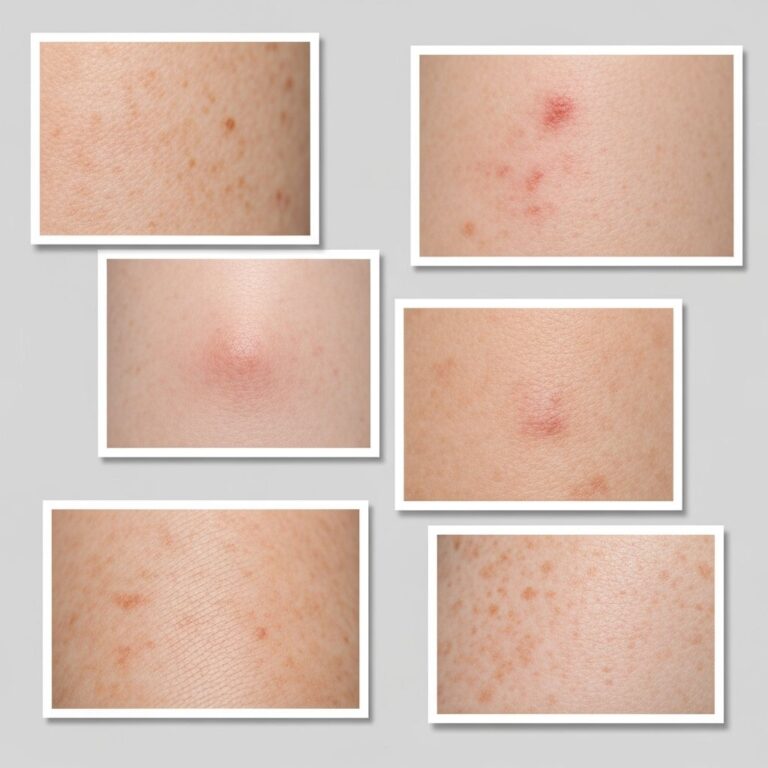
Erythema Multiforme: Clinical Images and Visual Guide
Visual guide to identifying erythema multiforme through clinical dermatological imagery.
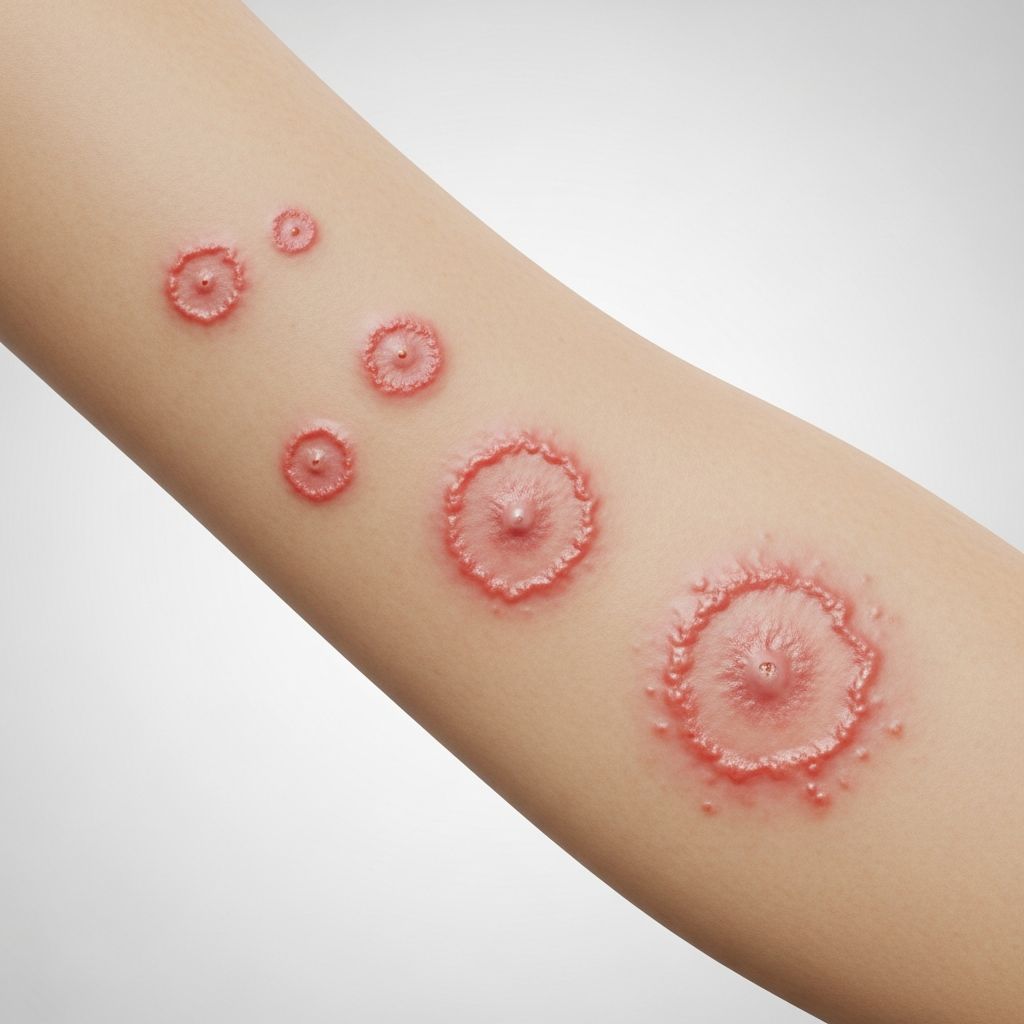
Erythema multiforme (EM) is a self-limited, immune-mediated skin condition that presents with distinctive clinical features recognizable through characteristic visual presentations. Understanding the visual appearance of erythema multiforme is essential for accurate clinical diagnosis and appropriate management. This guide provides a comprehensive overview of the clinical manifestations of erythema multiforme through visual and descriptive analysis of typical presentations.
Understanding Erythema Multiforme
Erythema multiforme is classified as the mildest of three related mucocutaneous disorders, with Stevens-Johnson syndrome and toxic epidermal necrolysis representing progressively more severe conditions. The condition is characterized by an immune-mediated response that typically resolves within 2 to 4 weeks without leaving permanent scarring in most cases. The condition primarily affects the skin but can involve mucous membranes, particularly in more severe presentations.
Most cases of erythema multiforme occur because the body has an allergic reaction to an infection or a medication. Approximately 90% of cases are caused by infections, with herpes simplex virus being the most common culprit. The condition can affect individuals of any age but shows varying prevalence patterns depending on the underlying etiology.
Characteristic Visual Features and Lesion Morphology
Target Lesions
The hallmark clinical feature of erythema multiforme is the
target lesion
or iris lesion, which represents the pathognomonic presentation of this condition. Target lesions display three distinct zones:- A central dark red or purpuric center, which may become necrotic or vesicular
- A pale or edematous middle zone creating a halo effect
- An outer erythematous ring providing the characteristic concentric appearance
These lesions typically measure between 1 and 3 centimeters in diameter and are most commonly observed on the extensor surfaces of the extremities, particularly on the hands, feet, forearms, and lower legs. The target lesions are usually symmetrically distributed and tend to appear in crops over several days, with older lesions often showing crusting or scaling as they resolve.
Macules and Papules
In addition to characteristic target lesions, erythema multiforme often presents with urticarial papules and macules that may not display the complete three-zone structure. These lesions appear as flat or slightly raised areas of redness that may coalesce into larger patches. The urticarial variants may be mistaken for urticaria itself, though erythema multiforme lesions typically persist longer than true urticarial lesions.
Vesicles and Bullae
Some cases of erythema multiforme present with vesicular or bullous forms, particularly in severe cases or in those with mucosal involvement. Central bullae or vesicles may develop within target lesions, representing a more pronounced inflammatory response. These fluid-filled lesions may rupture, leaving erosions that require careful monitoring to prevent secondary infection.
Mucosal Involvement
Mucosal manifestations occur in approximately 25 to 50% of erythema multiforme cases and represent important clinical features to recognize. Mucosal involvement typically includes:
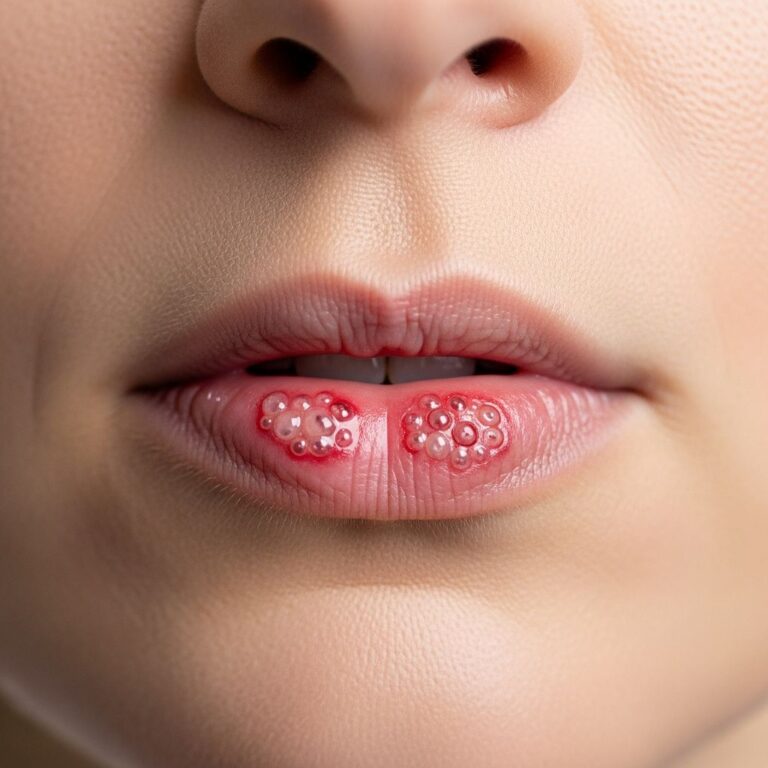
- Erosions and ulcerations on the lips, which may become hemorrhagic
- Involvement of the oral mucosa with erosions on the buccal mucosa, tongue, and palate
- Genital mucosal involvement with painful erosions
- Ocular involvement presenting as conjunctivitis with possible pseudomembrane formation
Related Stories



When mucosal lesions are present, particularly with significant oral involvement, patients may experience difficulty eating and drinking, potentially leading to dehydration. Hemorrhagic crusting on the lips is a characteristic sign when lip involvement occurs. More severe mucosal involvement may warrant hospitalization and intensive supportive care.
Distribution Patterns
The distribution of erythema multiforme lesions follows predictable patterns that aid in clinical diagnosis. The condition characteristically affects:
- Extensor surfaces of the hands and feet with emphasis on the palms and soles
- Flexural areas of the arms and legs
- The face and ears, though typically sparing the trunk
- Areas of recurrent trauma or friction, which may show persistent lesions
The symmetric bilateral distribution of lesions is a key distinguishing feature from other dermatologic conditions. New lesions typically appear in crops every few days during the acute phase, and the distribution pattern remains relatively constant throughout the course of the illness.
Triggers and Associated Presentations
Herpes Simplex Virus-Associated Erythema Multiforme
Herpes simplex virus (HSV), particularly HSV-1, is the most common identified trigger of erythema multiforme. Patients with recurrent HSV infections may develop predictable patterns of erythema multiforme that coincide with herpes reactivation. The classic presentation involves herpes lesions followed by erythema multiforme lesions within 7 to 14 days. Visual recognition of preceding herpetic lesions on the lips or genitals is crucial for diagnosis, as it strongly suggests HSV-associated erythema multiforme.
Medication-Induced Erythema Multiforme
Medications account for approximately half of erythema multiforme cases, though they cause less than 10% when considering all etiologies. Common medications implicated include:
- Nonsteroidal anti-inflammatory drugs (NSAIDs) such as ibuprofen
- Antibiotics, including penicillin, sulfonamides, and fluoroquinolones
- Antiepileptic medications and anticonvulsants
- Statins and other lipid-lowering agents
Medication-induced erythema multiforme may show similar visual characteristics to infection-induced disease, though the clinical context and temporal relationship to medication initiation are important diagnostic clues.
Infectious Triggers Beyond HSV
Mycoplasma pneumoniae represents the second most common infectious cause, particularly in children. Bacterial infections such as streptococcal pharyngitis, fungal infections, and various viral agents including Epstein-Barr virus and hepatitis can trigger erythema multiforme. The recognition of recent respiratory infection or other systemic symptoms provides context for visual diagnosis.
Differential Diagnosis Through Visual Features
Several dermatologic conditions may resemble erythema multiforme but require different management approaches:
| Condition | Visual Distinguishing Features | Clinical Context |
|---|---|---|
| Stevens-Johnson Syndrome | Atypical target lesions; confluent erythema; extensive mucosal involvement; possible epidermal detachment | More severe; often medication-triggered; systemic symptoms predominate |
| Toxic Epidermal Necrolysis | Widespread erythema with sheet-like epidermal detachment; large bullae; extensive mucosal involvement | Most severe; extensive skin loss; high mortality risk; typically medication-induced |
| Urticaria | Evanescent lesions; lack of central zone; resolve within 24 hours; no target appearance | Rapid onset and resolution; pruritic rather than tender |
| Fixed Drug Eruption | Single or few lesions; recurrent in same location; may be vesicular or bullous; dark brown or violaceous | Recurs with medication exposure in identical location |
| Pityriasis Rosea | Herald patch followed by Christmas tree distribution; oval lesions with collarette scaling; trunk predominance | Prodromal symptoms; viral prodrome; self-limited course |
Severity Spectrum and Clinical Progression
Erythema multiforme presentations vary in severity, affecting both visual appearance and clinical course:
- Mild cases: Limited number of target lesions on extremities only; minimal mucosal involvement; resolution within 2 weeks
- Moderate cases: Numerous target and atypical lesions on extensor surfaces; possible mucosal involvement; may require symptomatic treatment
- Severe cases: Extensive cutaneous involvement; significant mucosal erosions; systemic symptoms; potential hospitalization; possible ocular involvement
The distribution and density of lesions often correlate with disease severity and potential need for intervention. Patients with mucosal involvement or evidence of dehydration require closer monitoring and potentially more aggressive management.
Clinical Course and Evolution
Understanding the temporal evolution of erythema multiforme is important for visual recognition across different time points:
- Early phase (Days 1-3): Appearance of initial erythematous macules and papules; beginning of crop development
- Peak phase (Days 4-10): Maximum number of lesions; classic target lesion morphology most apparent; mucosal lesions at maximum severity
- Resolution phase (Days 11-28): Gradual fading of lesions; crusting and scaling; resolution typically without scarring
Post-inflammatory hyperpigmentation or hypopigmentation may occur as lesions heal, particularly in darker-skinned individuals. Complete resolution usually occurs within 2 to 4 weeks, though recurrent cases may show different timelines.
Frequently Asked Questions
Q: How can I distinguish target lesions from other skin rashes?
A: True target lesions have three distinct zones: a central dark area, a pale middle ring, and an outer red zone. Most target lesions measure 1-3 centimeters and appear on extensor surfaces of hands and feet. This distinctive appearance is the pathognomonic sign of erythema multiforme.
Q: Is erythema multiforme contagious?
A: Erythema multiforme itself is not contagious, but the underlying trigger may be. For example, if HSV causes your erythema multiforme, you may transmit HSV to others. The condition represents your immune system’s reaction to an infection or medication, not a direct infectious process.
Q: Can erythema multiforme leave scars?
A: In most cases, erythema multiforme resolves without leaving permanent scars. Post-inflammatory hyperpigmentation or hypopigmentation may occur temporarily, but these typically fade over time. Only in severe cases with significant mucosal involvement might minor scarring potentially occur.
Q: How do I know if I need medical treatment?
A: You should seek medical evaluation if you have lesions consistent with erythema multiforme, especially if accompanied by mucosal involvement, fever, or difficulty eating and drinking. Severe cases or those with extensive mucosal involvement may require hospitalization.
Q: What is the difference between erythema multiforme and Stevens-Johnson syndrome?
A: While both involve mucocutaneous lesions, Stevens-Johnson syndrome represents a more severe variant with greater epidermal involvement, more extensive mucosal involvement, and potentially systemic complications. Stevens-Johnson syndrome requires more aggressive management and carries higher morbidity.
Q: Can erythema multiforme recur?
A: Yes, recurrent erythema multiforme occurs in some patients, particularly those with HSV-associated disease. Patients with recurrent herpes may develop repeated episodes of erythema multiforme following herpes reactivation. Prophylactic antiviral therapy can help prevent recurrences in susceptible individuals.
Clinical Significance and Management Implications
Recognition of characteristic visual features of erythema multiforme is critical for appropriate clinical management. When suspected based on visual appearance, the underlying trigger should be identified and addressed. If medications are implicated, discontinuation of the offending agent is essential. For HSV-associated disease, antiviral therapy may be indicated both for acute treatment and chronic suppression in recurrent cases.
The visual presentation helps distinguish erythema multiforme from more serious conditions like Stevens-Johnson syndrome and toxic epidermal necrolysis, which require different treatment approaches and carry higher risks of complications. Healthcare providers and patients should be familiar with the characteristic appearances described in this guide to facilitate prompt recognition and appropriate care.
References
- Erythema Multiforme Treatment in Houston — Heights Skin. 2024. https://www.heightsskin.com/erythema-multiforme
- Erythema Multiforme – Symptoms, Causes, Treatment — National Organization for Rare Disorders (NORD). 2024. https://rarediseases.org/rare-diseases/erythema-multiforme/
- Erythema Multiforme — National Center for Biotechnology Information (NCBI). 2024. https://www.ncbi.nlm.nih.gov/books/NBK470259/
- Erythema Multiforme — Nemours KidsHealth. 2024. https://kidshealth.org/en/parents/erythema-multiforme.html
- Erythema Multiforme — National Health Service (NHS). 2024. https://www.nhs.uk/conditions/erythema-multiforme/
- Erythema Multiforme: Recognition and Management — American Academy of Family Physicians. 2019-07-15. https://www.aafp.org/pubs/afp/issues/2019/0715/p82.html
- Erythema Multiforme — DermNet New Zealand. 2024. https://dermnetnz.org/topics/erythema-multiforme
Similar Articles








Read full bio of medha deb