Erythema Nodosum Guide: Causes, Symptoms, Treatment
Understanding the causes, symptoms, diagnosis, and effective management of erythema nodosum, a common inflammatory skin condition.
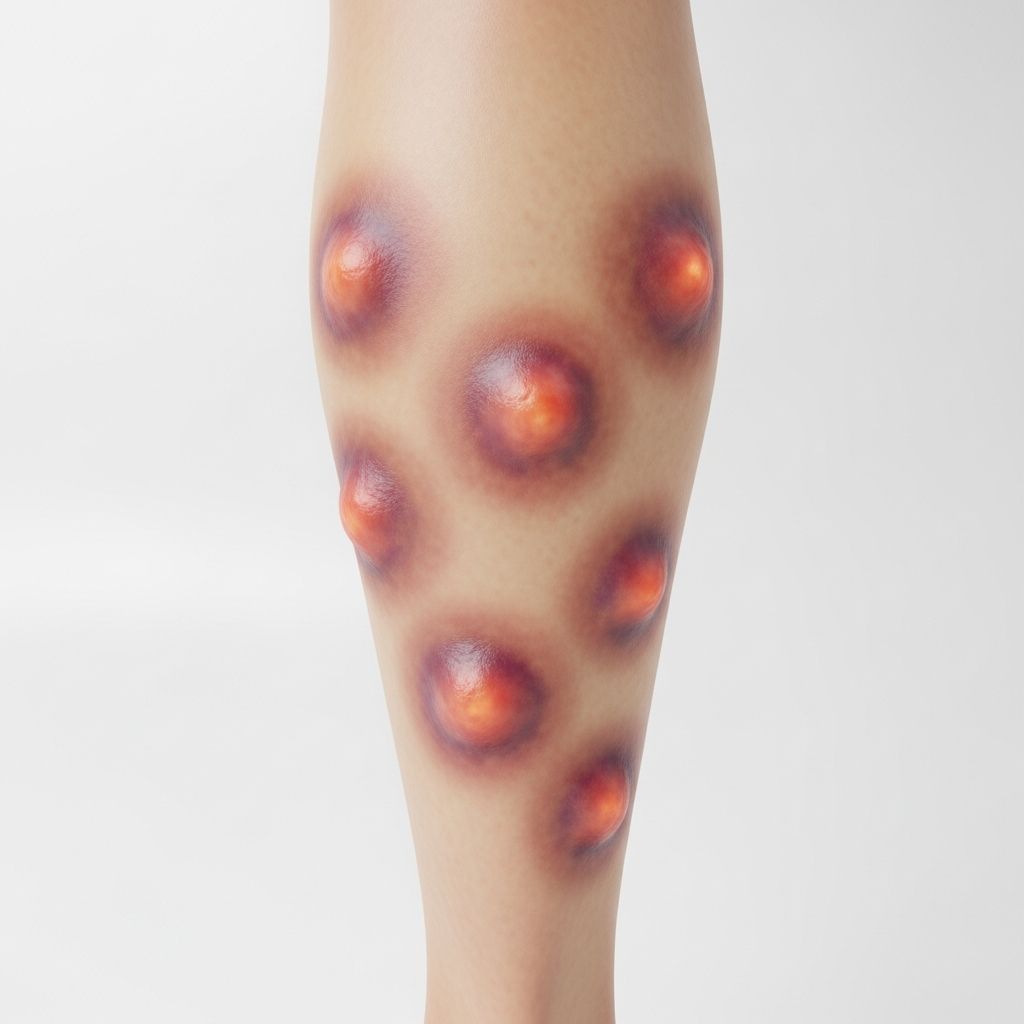
Erythema nodosum is an inflammatory disorder primarily affecting the subcutaneous fat layer, manifesting as tender, red nodules typically on the anterior shins. It represents a hypersensitivity reaction to various antigenic stimuli and follows a generally benign course, resolving spontaneously in most cases within 3–6 weeks.
What is erythema nodosum?
Erythema nodosum (EN) is a type of panniculitis, inflammation of the subcutaneous fat. It is the most common form of septal panniculitis, involving primarily the fibrous septa between fat lobules rather than the lobules themselves. Clinically, it presents with erythematous, tender nodules or plaques, usually bilateral and symmetrically distributed on the extensor surfaces of the lower legs, particularly the shins. The condition can occur at any age but is most prevalent in women aged 20–45 years.
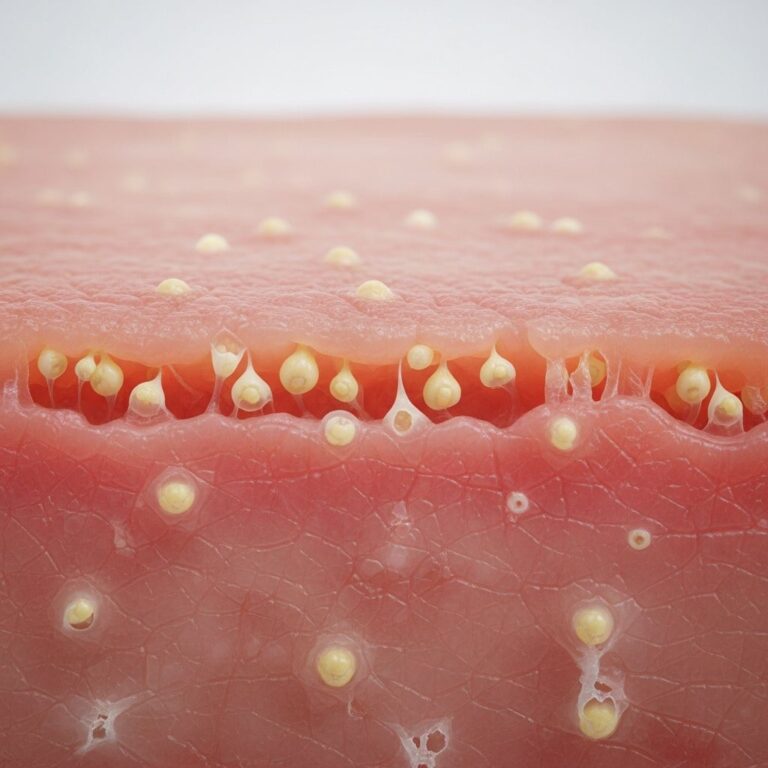
Histologically, EN shows a septal panniculitis without vasculitis in early lesions, characterized by edema, hemorrhage, and infiltration of lymphocytes, histiocytes, and multinucleated giant cells. Miescher radial granulomas may be present, distinguishing it from other panniculitides. In later stages, fibrosis develops as the nodules resolve, sometimes leaving hyperpigmented scars.
Who gets erythema nodosum?
Erythema nodosum affects individuals across all ages, but it is more frequent in adults, particularly young women. Pediatric cases are often associated with streptococcal infections, while in adults, idiopathic cases or links to sarcoidosis, inflammatory bowel disease (IBD), or drugs predominate. Risk factors include female sex, Northern European descent, and underlying systemic conditions.
- Prevalence: Common worldwide, with higher incidence in spring and autumn, possibly linked to seasonal infections.
- Demographics: Bimodal peaks—children (streptococcal EN) and young adults (idiopathic or sarcoid-related).
What causes erythema nodosum?
In approximately 50% of cases, no identifiable cause is found (idiopathic EN). When a trigger is identified, infections are the most common, followed by drugs, systemic diseases, and pregnancy. EN arises from a delayed-type hypersensitivity reaction, potentially involving immune complex deposition in subcutaneous venules.
Infections
Bacterial, fungal, viral, and parasitic infections account for 30–50% of cases. Common culprits include:
- Streptococcal infections: Especially group A beta-hemolytic streptococcus (e.g., pharyngitis, impetigo)—most common in children.
- Tuberculosis: Primary TB or latent reactivation.
- Fungal infections: Coccidioidomycosis, histoplasmosis, blastomycosis (endemic areas).
- Other: Yersinia, Campylobacter, psittacosis, hepatitis B, Epstein-Barr virus.
Drugs
Medications provoke 10–20% of cases, typically 1–3 weeks after initiation. Common offenders:
- Sulfonamides, penicillins, cephalosporins.
- Oral contraceptives, estrogens.
- Other: Bromides, iodides, minocycline.
Systemic diseases
- Sarcoidosis: Classic association, often Lofgren syndrome (EN + hilar adenopathy + arthritis).
- Inflammatory bowel disease: Crohn disease, ulcerative colitis (5–10% of IBD patients).
- Behçet disease, rheumatoid arthritis.
- Malignancy: Lymphomas, leukemias, solid tumors (rare, investigate if chronic/recurrent).
Pregnancy and others
EN may occur in 1–2% of pregnancies, usually in the second trimester, resolving postpartum. Idiopathic cases predominate in otherwise healthy young women.
What are the clinical features of erythema nodosum?
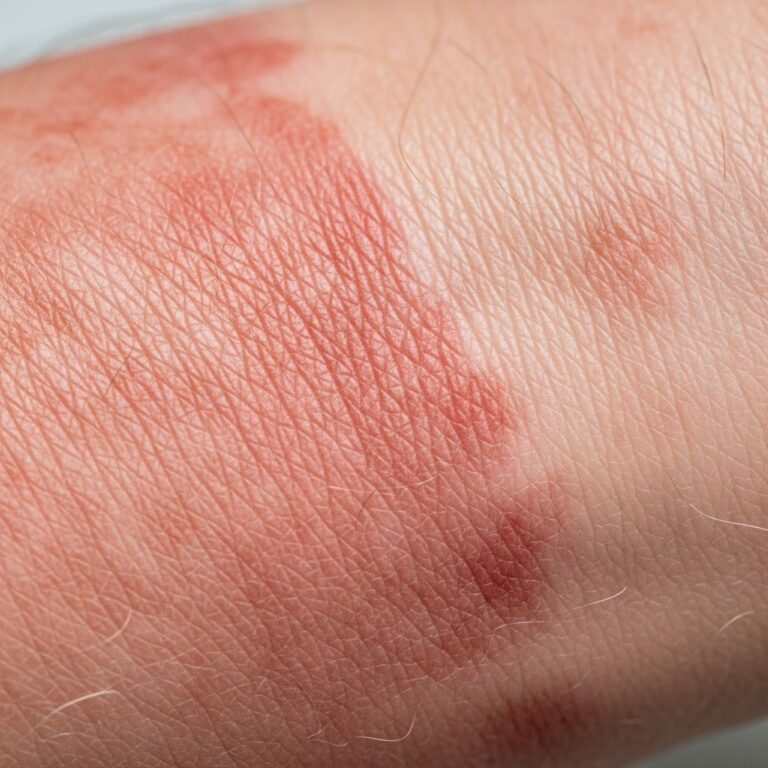
The hallmark is acute onset of painful, erythematous nodules (1–10 cm) on the shins, evolving to bruise-like purple hue before resolving with hyperpigmentation. Lesions are warm, tender, and bilateral (80% of cases). Constitutional symptoms occur in 75%:
Related Stories



- Fever, malaise, arthralgias (especially ankles/knees).
- Edema of legs.
- Lymphadenopathy (rare).
Extracutaneous sites: Rarely uveitis, pleural effusions. Chronic EN (>6 weeks) suggests underlying disease.
Diagnosis
Diagnosis is clinical, supported by history and exam. Key features: tender shin nodules + fever/arthralgias. Biopsy if atypical/atypical sites/recurrent. Deep punch biopsy shows septal panniculitis without vasculitis.
Investigations
Targeted based on history/exam:
| Test | Purpose |
|---|---|
| Throat swab, ASO titer | Streptococcal infection |
| Chest X-ray | TB, sarcoidosis, malignancy |
| stool culture/CRP/ESR | IBD, Yersinia |
| ANA, RF (if indicated) | Connective tissue disease |
| Biopsy | Confirm panniculitis type |
Differential diagnosis
Nodules due to predominantly septal panniculitis:
- Erythema nodosum (without vasculitis).
- Nodular vasculitis (with vasculitis).
- Superficial thrombophlebitis.
Nodules due to predominantly lobular panniculitis:
- Erythema induratum (TB-related).
- Pancreatic panniculitis.
- Factitial panniculitis.
Other: Necrobiosis lipoidica, cutaneous sarcoidosis, lymphoma.
Treatment of erythema nodosum
Treatment targets the underlying cause; symptomatic relief for idiopathic/mild cases. Most resolve in 3–6 weeks without sequelae.
- Specific: Antibiotics for infections (e.g., penicillin for strep), stop offending drugs, treat IBD/sarcoid.
- Symptomatic: Bed rest, leg elevation, compression stockings. NSAIDs (ibuprofen 400–800 mg TID) for pain/fever.
- Severe/refractory: Oral corticosteroids (prednisone 0.5–1 mg/kg/day, taper over 2–4 weeks). Potassium iodide (rarely used now). Colchicine, dapsone for chronic cases.
No specific dietary restrictions; maintain balanced nutrition.
What is the outcome for erythema nodosum?
Benign, self-limited in 90% (resolves 2–8 weeks). Relapses in 1/3, chronic (>6 months) in <5%, signaling persistent disease. Bruise-like resolution, occasional atrophy/hyperpigmentation. Investigate recurrences for malignancy/IBD.
Frequently Asked Questions
Q: Is erythema nodosum contagious?
A: No, EN is not contagious; it results from immune hypersensitivity, not direct transmission.
Q: How long does erythema nodosum last?
A: Typically 3–6 weeks; chronic cases may persist months if untreated underlying cause.
Q: Can erythema nodosum be a sign of cancer?
A: Rarely; paraneoplastic EN warrants investigation, especially if recurrent or atypical.
Q: What foods to avoid with erythema nodosum?
A: No specific foods; anti-inflammatory diet may aid symptom relief.
Q: When to see a doctor for erythema nodosum?
A: Always; prompt evaluation identifies treatable causes like infections or drugs.
References
- Erythema Nodosum: Symptoms, Causes, Diagnosis, and Treatment — Metropolis India. 2023-05-15. https://www.metropolisindia.com/blog/preventive-healthcare/erythema-nodosum-symptoms-causes-and-treatment-for-skin-inflammation
- Erythema Nodosum: A Practical Approach and Diagnostic Algorithm — PMC (NCBI). 2021-03-04. https://pmc.ncbi.nlm.nih.gov/articles/PMC7938036/
- Erythema nodosum – NHS — National Health Service (UK). 2023-10-20. https://www.nhs.uk/conditions/erythema-nodosum/
- Erythema nodosum: Symptoms, Causes, and Management – DermNet — DermNet NZ. 2024-01-12. https://dermnetnz.org/topics/erythema-nodosum
- Erythema Nodosum – UR Medicine — University of Rochester Medical Center (.edu). 2022-11-08. https://www.urmc.rochester.edu/encyclopedia/content?contentid=p00283&contenttypeid=85
- Erythema Nodosum: Symptoms, Causes, and Pictures — GoodRx. 2023-07-19. https://www.goodrx.com/health-topic/dermatology/erythema-nodosum
- Erythema Nodosum – Skin Disorders — Merck Manuals. 2024-02-01. https://www.merckmanuals.com/home/skin-disorders/hypersensitivity-and-reactive-skin-disorders/erythema-nodosum
Similar Articles








Read full bio of Sneha Tete