Erythematous Mucosa: Guide To Symptoms, Causes And Treatments
Understanding redness in the digestive tract lining: causes, symptoms, diagnosis, and effective treatments.
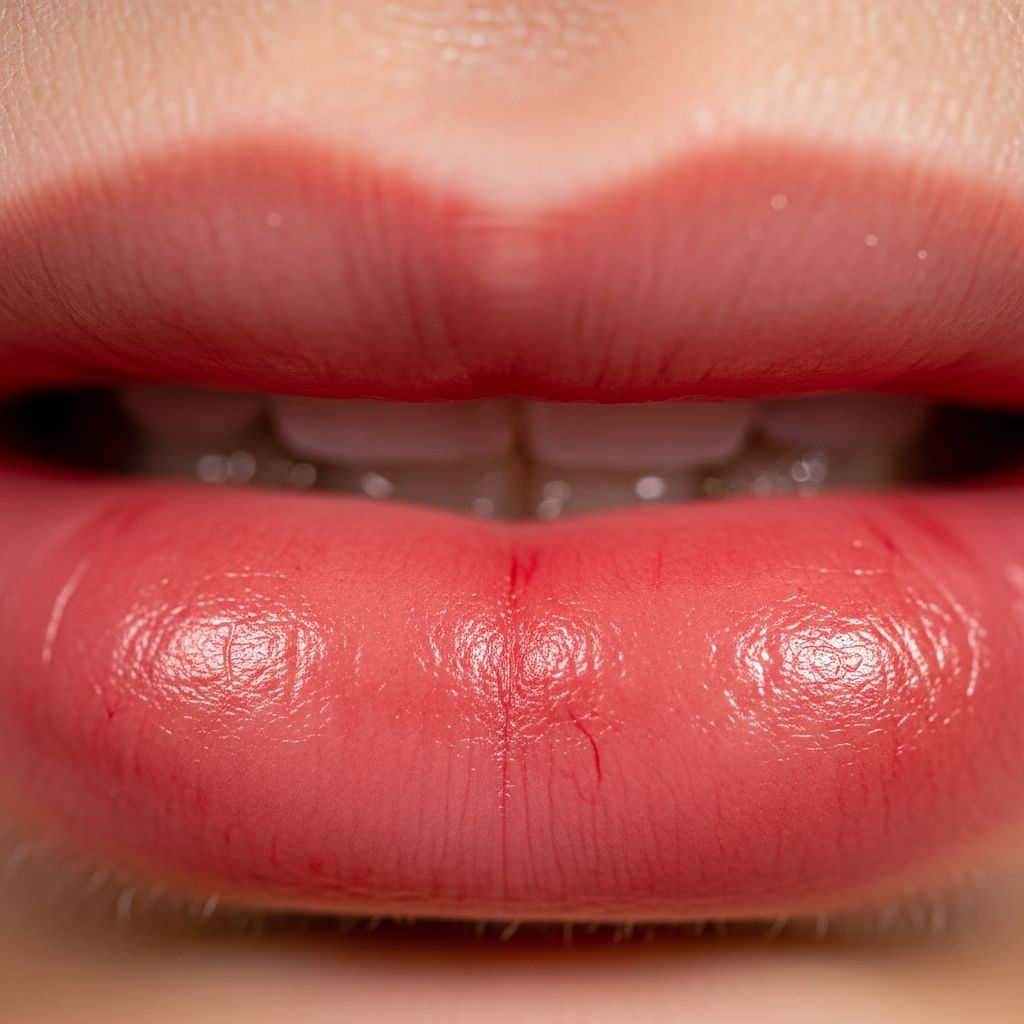
Erythematous mucosa refers to redness and inflammation in the mucous membrane lining the digestive tract, from the mouth to the anus. This condition signals an underlying issue like infection, irritation, or chronic disease, requiring medical evaluation for proper management.
What Is Erythematous Mucosa?
The mucosa is the soft, moist tissue lining internal organs, including the entire gastrointestinal (GI) tract. “Erythematous” means red, typically due to increased blood flow from inflammation. It is not a standalone disease but a clinical sign observed during endoscopy, indicating irritation or damage.
Common sites include the mouth, stomach (gastritis), colon (colitis), rectum (proctitis), and anus (anusitis). Severity ranges from mild redness to erosions or ulcers. Early detection prevents complications like bleeding or increased cancer risk in chronic cases.
Symptoms of Erythematous Mucosa
Symptoms depend on location and cause. Many cases are asymptomatic, discovered incidentally during procedures. When present, they include:
- Mouth: Pain, swelling, sores, burning sensation, altered taste, bad breath, dry mouth.
- Stomach: Bloating, nausea, vomiting, upper abdominal pain, loss of appetite.
- Colon/Rectum: Diarrhea, rectal bleeding, mucus or pus in stool, urgency, abdominal cramps.
Severe symptoms warrant immediate care: black/tarry stools, vomiting blood, severe pain, fatigue, or shortness of breath.
Causes of Erythematous Mucosa by Location
Mouth (Oral Erythematous Mucosa)
Oral mucosa redness stems from infections (e.g., candidiasis, herpes), allergies, nutritional deficiencies (B12, iron, folate), trauma, autoimmune diseases (e.g., lichen planus), or malignancies. Vascular issues or poor oral hygiene contribute.
- Viral/bacterial infections
- Vitamin deficiencies causing anemia
- Autoimmune conditions
- Chemotherapy side effects
Stomach (Gastritis)
Gastritis inflames the stomach lining, causing erythema. Key triggers:
- H. pylori infection: A bacterium eroding mucosa; affects over 50% globally.
- NSAIDs (ibuprofen, aspirin) irritating lining
- Excess alcohol, stress, smoking
- Autoimmune gastritis attacking parietal cells
- Bile reflux, Crohn’s disease, radiation
Acute cases resolve quickly; chronic leads to atrophy or metaplasia.
Colon (Colitis)
Colitis involves colon inflammation, visible as diffuse or patchy erythema. Causes include:
| Cause | Description |
|---|---|
| Inflammatory Bowel Disease (IBD) | Ulcerative colitis (continuous erythema/ulcers), Crohn’s (skip lesions). |
| Infections | C. difficile, CMV, especially in immunocompromised. |
| Ischemia | Reduced blood flow in elderly or vascular disease. |
| Medications/Radiation | NSAIDs, chemotherapy. |
Ulcerative colitis shows friable mucosa with bleeding on contact.
Rectum and Anus (Proctitis/Anusitis)
Proctitis limits to rectum; anusitis affects anal canal. Common etiologies:
- STDs (gonorrhea, chlamydia, herpes)
- IBD extension
- Radiation therapy
- Trauma from procedures or anal intercourse
Symptoms: tenesmus, discharge, pain.
Diagnosis
Diagnosis starts with history and physical exam. Endoscopy (upper GI, colonoscopy, sigmoidoscopy) visualizes erythema, biopsies confirm cause (e.g., H. pylori test, histology).
- Endoscopy: Gold standard; notes erythema extent, friability, ulcers.
- Biopsy: Rules out cancer, infection, IBD.
- Stool tests: For pathogens, calprotectin (inflammation marker).
- Bloodwork: Anemia, infection markers, autoimmune panels.
Imaging (CT) for complications like perforation.
Treatment Options
Treatment targets the cause, reducing inflammation and symptoms. Personalized plans combine:
Related Stories



- Lifestyle: Avoid triggers (alcohol, NSAIDs), stress management, bland diet.
- Medications:
- PPIs (omeprazole) for acid-related gastritis.
- Antibiotics for H. pylori (triple therapy: amoxicillin, clarithromycin, PPI).
- Anti-inflammatories (mesalamine, steroids) for IBD.
- Antibiotics/antivirals for infections.
- Supplements: Iron, B12 for deficiencies.
- Surgery: Colectomy for severe UC, rarely.
Monitor with follow-up endoscopy.
Complications and Cancer Risk
Untreated chronic erythema risks ulcers, bleeding, strictures, perforation. Long-term:
- Gastritis (H. pylori): Gastric cancer risk rises 3-6 fold.
- IBD: Colorectal cancer after 8-10 years; surveillance colonoscopies essential.
Wilson’s disease shows unique white erosions on erythematous background, linked to copper accumulation.
Prevention
Minimize risks:
- H. pylori screening in high-risk groups.
- Limit NSAIDs/alcohol.
- Manage IBD proactively.
- Safe sex practices.
- Balanced diet rich in vitamins.
Frequently Asked Questions (FAQs)
What does erythematous mucosa mean?
It indicates red, inflamed GI tract lining from various causes like infection or IBD.
Is erythematous mucosa serious?
Depends on cause; acute cases resolve, chronic may lead to complications or cancer.
Can stress cause it?
Yes, stress exacerbates gastritis leading to erythema.
How is it diagnosed?
Primarily via endoscopy with biopsy.
Does it always cause symptoms?
No, often found incidentally; symptoms vary by site.
When to See a Doctor
Seek care for persistent GI symptoms, unexplained weight loss, bleeding, or family history of IBD/cancer. Early intervention improves outcomes.
References
- Erythematous Mucosa: Causes, Symptoms, and Treatments — Healthgrades. 2023. https://resources.healthgrades.com/right-care/ulcerative-colitis/erythematous-mucosa
- Erythematous mucosa: Definition, cause, symptoms, and treatment — Medical News Today. 2023-10-12. https://www.medicalnewstoday.com/articles/erythematous-mucosa
- Lustrous White Erosions Surrounded by an Erythematous Mucosa — PMC (National Library of Medicine). 2022-07-01. https://pmc.ncbi.nlm.nih.gov/articles/PMC9259810/
- Erythematous Mucosa: Symptoms, Causes, and More — Healthline. 2023. https://www.healthline.com/health/erythematous-mucosa
Similar Articles








Read full bio of medha deb