Erythritol Vs Stevia: Expert Comparison For Baking & Health
Comparing two popular zero-calorie sweeteners: benefits, risks, and which one suits your diet best for blood sugar control and baking.
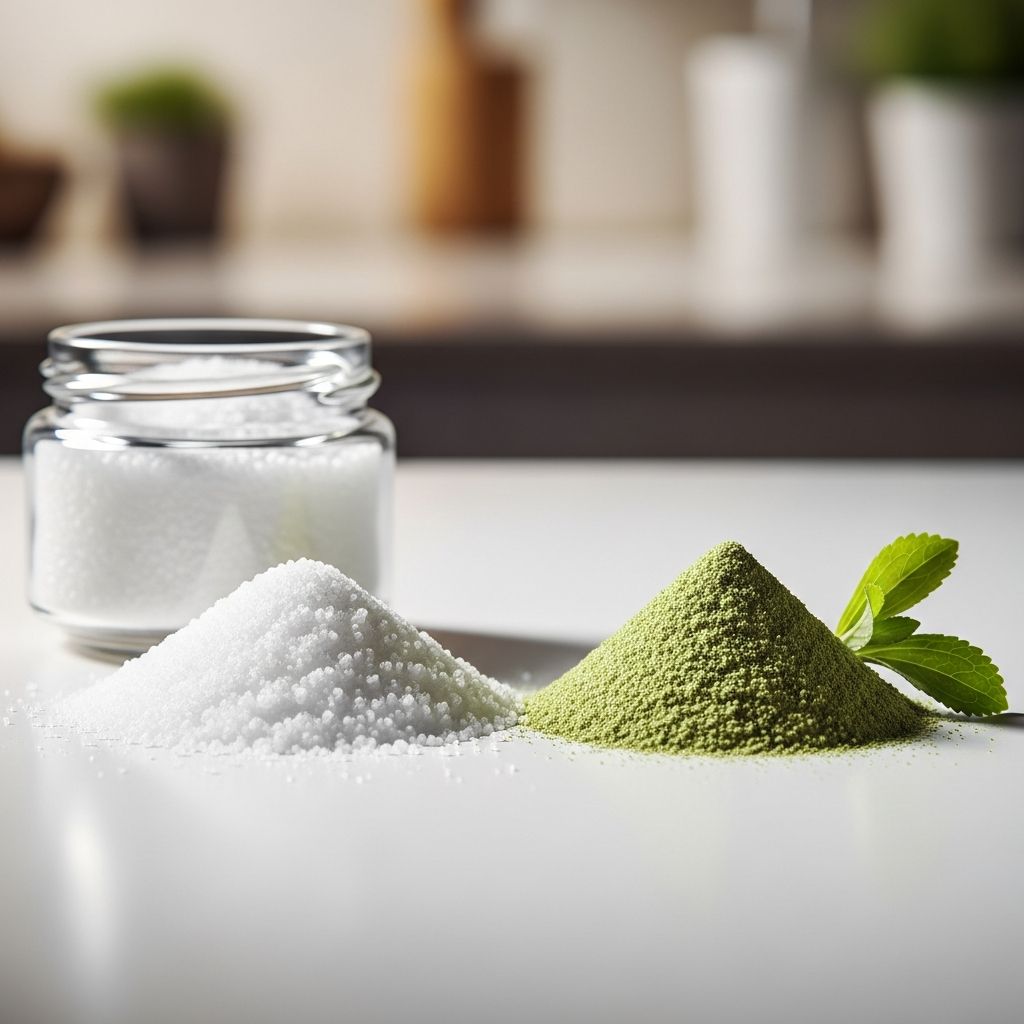
Erythritol and stevia are two of the most popular zero- or low-calorie sweeteners used to replace sugar in diets aimed at weight management, diabetes control, and reducing calorie intake. Both offer sweetness without the blood sugar spikes associated with table sugar, but they differ in source, taste, texture, and potential health effects.
This comprehensive comparison draws from scientific studies and expert reviews to help you decide which sweetener aligns with your needs, whether for daily beverages, baking, or low-carb lifestyles.
What Is Erythritol?
Erythritol is a
sugar alcohol
(polyol) naturally found in small amounts in fruits like grapes, pears, and melons, as well as fermented foods such as wine and soy sauce. Commercially, it’s produced by fermenting glucose from corn or wheat using yeast or fungi, making it about 60-80% as sweet as sucrose (table sugar) with just 0.2 calories per gram.Unlike other sugar alcohols like xylitol or maltitol, erythritol is uniquely absorbed in the small intestine and excreted largely unchanged in urine, minimizing digestive upset. It’s granulated like sugar, ideal for baking, and provides bulk and texture similar to sucrose.
What Is Stevia?
Stevia is derived from the leaves of the Stevia rebaudiana plant, native to South America and used for centuries by indigenous peoples as a sweetener. Modern stevia extracts focus on steviol glycosides like rebaudioside A (Reb A), which are 200-400 times sweeter than sugar, making it effectively calorie-free.
Highly purified stevia (95%+ steviol glycosides) is FDA-approved as GRAS (Generally Recognized as Safe). It’s often sold as a powder, liquid, or blended with fillers like erythritol for better texture. Whole-leaf or crude extracts are less processed but not approved for food use in many regions.
Nutrient Comparison
Both sweeteners are vastly superior to sugar nutritionally, with negligible calories and carbs. Here’s a side-by-side breakdown per gram:
| Nutrient | Erythritol | Stevia (purified) | Sugar (sucrose) |
|---|---|---|---|
| Calories | 0.2 | 0 | 4 |
| Carbs (g) | 0.1 (non-digestible) | 0 | 1 |
| Sweetness (% of sugar) | 60-80% | 200-400% | 100% |
| Glycemic Index | 0 | 0 | 65 |
Erythritol offers some bulk for recipes, while stevia’s intensity means tiny amounts suffice. Neither provides vitamins or minerals in meaningful quantities.
Effects on Blood Sugar and Insulin
Neither erythritol nor stevia raises blood glucose or insulin levels, making them suitable for diabetes management. Erythritol is rapidly absorbed (90%) into the bloodstream and excreted via urine without metabolism, showing no impact on glycemia in human trials.
Stevia also has a zero glycemic index. Some studies indicate it may lower blood sugar by enhancing insulin sensitivity or delaying glucose absorption, though results vary. A clinical trial in type 2 diabetics found 20g/day erythritol reduced HbA1c from 8.5% to 7.5% over two weeks.
Potential Health Benefits
- Dental Health: Erythritol inhibits oral bacteria growth, reducing plaque and cavities more effectively than xylitol in long-term studies on children and adults.
- Weight Management: Both aid calorie reduction. Erythritol may suppress ghrelin (hunger hormone) and promote satiety gut hormones like GLP-1.
- Heart Health: Stevia shows potential to lower triglycerides, blood pressure, and cholesterol in some trials, but evidence is inconsistent. Erythritol improved endothelial function in diabetics.
Related Stories



Side Effects and Safety Concerns
Both are well-tolerated at typical doses (under 1g/kg body weight). Erythritol causes fewer GI issues than other polyols due to poor colonic fermentation—less bloating, gas, or diarrhea.
High-dose concerns emerged from a 2023 study linking erythritol to increased platelet activity and clotting risk in cardiovascular patients, with blood levels spiking after consumption. However, this was observational; causal links need confirmation, and healthy individuals showed transient spikes without clots.
Stevia is safe but can taste bitter or licorice-like at high concentrations. No major gut microbiome disruptions noted, unlike some non-nutritive sweeteners.
How to Use Erythritol and Stevia
- Baking and Cooking: Erythritol mimics sugar’s texture but may crystallize when cold or brown minimally. Blend with stevia for full sweetness. Stevia alone lacks bulk; use in sauces, drinks.
- Beverages: Both dissolve well in hot drinks; erythritol better in iced due to no aftertaste.
- Blends: Common products combine them (e.g., Truvia) for balanced flavor and volume.
Pro Tip: Start with small amounts—stevia’s potency varies by brand.
Which Is Better? Erythritol vs. Stevia
Choose
erythritol
for baking, texture needs, and dental benefits; it’s versatile and gentle on the gut. Opt forstevia
if you want maximum sweetness per calorie or prefer plant-based purity. Blends offer the best of both. For heart patients, consult a doctor amid emerging erythritol data.Neither is “perfect,” but both outperform sugar for metabolic health.
Frequently Asked Questions (FAQs)
Is erythritol safer than stevia?
Both are FDA-GRAS. Erythritol has stronger dental evidence; stevia may edge in blood pressure benefits. Recent clotting concerns favor moderation with erythritol for at-risk groups.
Does erythritol cause digestive problems?
Rarely, unlike sorbitol. Up to 50g/day is typically tolerated without issues.
Can stevia help with weight loss?
By cutting calories, yes. It may boost satiety hormones indirectly.
Are erythritol and stevia natural?
Erythritol is fermented from corn (natural process); stevia from plant leaves. Both highly processed for purity.
Which tastes more like sugar?
Erythritol closest in texture/flavor; stevia can have aftertaste.
References
- Erythritol vs. Stevia: Nutrients, Benefits, Downsides — Healthline. 2023-03-10. https://www.healthline.com/nutrition/erythritol-vs-stevia
- Erythritol: An In-Depth Discussion of Its Potential to Be a Beneficial Replacement for Sugar — PMC (NCBI). 2022-12-29. https://pmc.ncbi.nlm.nih.gov/articles/PMC9824470/
- Don’t Panic — You Can Still Use Artificial Sweeteners — Orlando Health. 2023 (approx). https://www.orlandohealth.com/content-hub/dont-panic-you-can-still-use-artificial-sweeteners/
Similar Articles








Read full bio of Sneha Tete