Erythroplakia: Red Patches in Mouth, Causes & Treatment
Understanding erythroplakia: causes, symptoms, diagnosis, and treatment options for oral red patches.
Understanding Erythroplakia: What You Need to Know
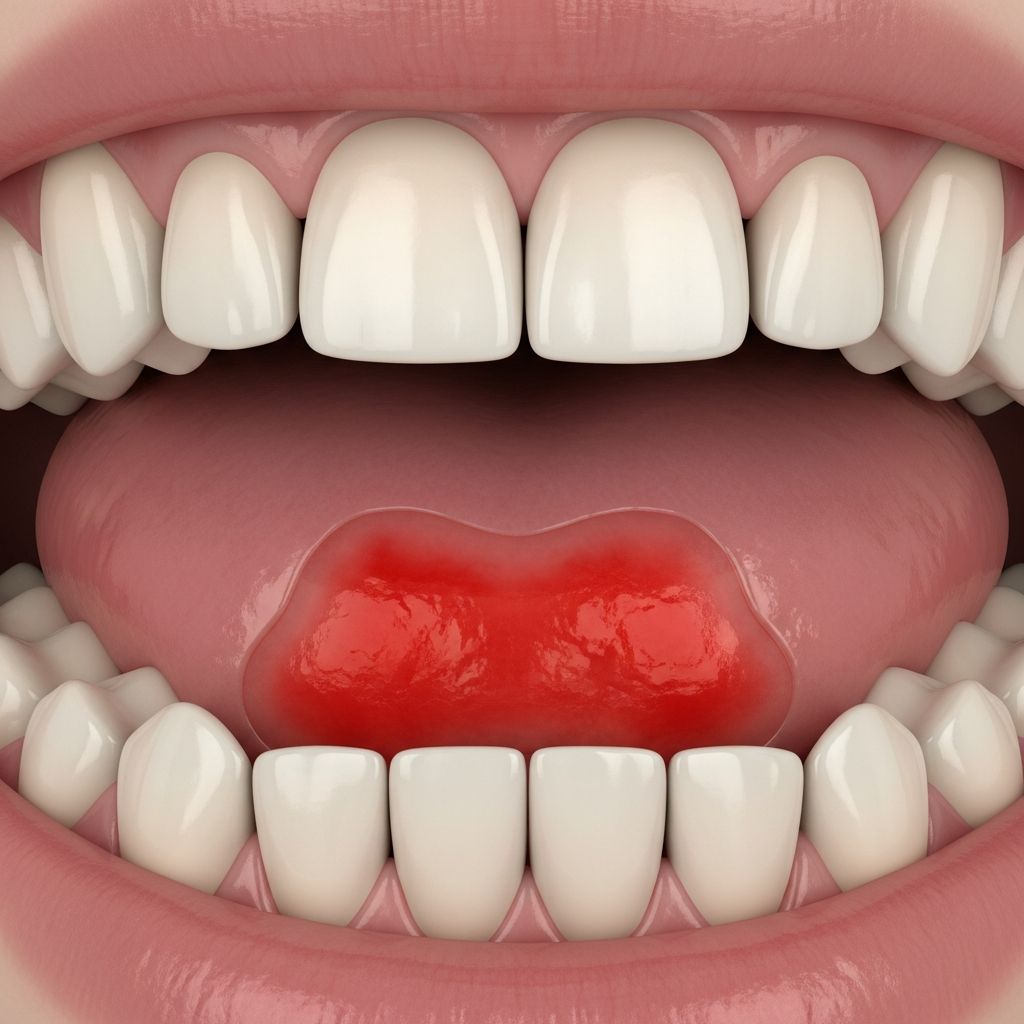
Erythroplakia refers to abnormal red patches or lesions that appear inside the mouth and cannot be characterized clinically or pathologically as any other definable condition. These fiery red patches represent a significant concern in oral health because of their potential association with malignant transformation and oral cancer development. Unlike other oral lesions that may be easily identified as specific conditions, erythroplakia remains a diagnosis made through exclusion of other oral diseases. The appearance of these patches can range from smooth and uniform to irregular and bumpy, and they may appear as isolated lesions or multiple patches throughout the oral cavity. Understanding erythroplakia is essential for early detection and appropriate management, as these patches often require professional evaluation and monitoring.
What Is Erythroplakia?
Erythroplakia is defined as a fiery red patch that appears in the oral cavity and cannot be characterized clinically or pathologically as any other definable lesion. These patches typically have a velvety appearance and may present with slightly raised or flat surfaces. The condition is characterized by the presence of red discoloration that may appear patchy or uniform in nature. Some erythroplakia lesions may display a combination of red and white features, which is sometimes termed erythroleukoplakia or speckled erythroplakia. These mixed-appearance lesions require particular attention due to their heightened clinical significance.
The distinction between erythroplakia and other oral conditions is important for proper diagnosis and treatment planning. While leukoplakia presents as white or grayish patches, erythroplakia specifically involves red discoloration. Some oral lesions may show characteristics of both conditions, making accurate diagnosis crucial for determining appropriate management strategies.
Location and Appearance of Erythroplakia
Erythroplakia can develop in various locations within the oral cavity, though certain areas are more commonly affected. Common locations include:
- The hard palate (roof of the mouth)
- The buccal mucosa (inner cheek)
- The soft palate and posterior oropharynx
- The floor of the mouth
- The tongue surface
- The gingiva (gums)
The appearance of erythroplakia lesions varies depending on the specific case. Some patches appear as smooth, uniform red areas, while others present with irregular borders and bumpy surfaces. The velvety texture characteristic of many erythroplakia lesions distinguishes them from other oral conditions. In some cases, raised irregular areas along the edges of lesions may be clinically suspicious for malignant transformation. The size of these lesions can range from small patches measuring a few millimeters to larger areas spanning several centimeters.
Causes and Risk Factors
While the exact etiology of erythroplakia is not completely understood, several risk factors have been associated with its development. Understanding these risk factors can help individuals take preventive measures and seek appropriate medical attention when necessary.
Tobacco and Alcohol Use: Heavy smoking and alcohol consumption are significant risk factors for developing erythroplakia and oral cancer. Tobacco smoke contains carcinogenic compounds that can damage oral tissues, while alcohol may act as a solvent that increases the penetration of carcinogens into the oral mucosa. Individuals who both smoke and drink alcohol face substantially elevated risk compared to those with single exposures.
Age and Gender: Erythroplakia typically affects middle-aged and older adults, though it can occur at any age. Men are more commonly affected than women, likely due to higher rates of tobacco and alcohol use historically.
Oral Submucous Fibrosis: This condition, often associated with betel nut chewing, can be accompanied by erythroplakia and represents an increased risk factor for malignant transformation.
Related Stories



Viral Infections: Human papillomavirus (HPV) infection has been associated with oral lesions and may contribute to erythroplakia development in some cases.
Immune System Factors: Individuals with compromised immune systems may be at increased risk for developing oral lesions, including erythroplakia.
Symptoms and Clinical Presentation
Many individuals with erythroplakia may not experience noticeable symptoms initially, which makes regular oral examinations particularly important. However, when symptoms do occur, they may include:
- Soreness or pain in the affected area
- A burning sensation in the mouth
- Difficulty swallowing (dysphagia)
- Bleeding from the lesion
- Changes in taste perception
- Roughness or texture changes in the mouth
- Visible red patches that don’t resolve within two weeks
The asymptomatic nature of many erythroplakia cases underscores the importance of regular dental and oral cancer screenings. Individuals should be alert for any persistent changes in their oral tissues and seek professional evaluation promptly.
Diagnosis of Erythroplakia
Accurate diagnosis of erythroplakia is essential for proper management and early detection of potential malignancy. Healthcare providers use several methods to identify and evaluate these lesions.
Visual Examination: During an oral cancer screening, your healthcare provider will visually inspect your mouth and throat for abnormal lesions. They look specifically for red or white patches and other suspicious areas. The healthcare provider may use special lighting or magnification to better visualize the oral tissues.
Palpation: Physical examination by touch allows healthcare providers to assess the texture, consistency, and extent of lesions. This tactile evaluation can reveal raised areas or irregularities that may indicate malignant transformation.
Oral Screening Dyes and Lights: Healthcare providers may use specialized dyes and lights to enhance visualization of abnormal tissues. These tools can help identify lesions that might not be readily apparent during standard visual examination.
Photography: Your healthcare provider may take photos of any abnormal areas to document their appearance and monitor changes over time. This documentation is valuable for tracking progression and assessing response to treatment.
Biopsy: When erythroplakia is suspected, a biopsy is often necessary to obtain a definitive diagnosis and exclude malignancy. During this procedure, a small sample of tissue is removed and examined microscopically under a pathologist’s analysis. This is the gold standard for determining whether malignant changes are present.
Oral cancer screenings typically take less than five minutes to complete. If your healthcare provider suspects erythroplakia or other concerning lesions, they may recommend a follow-up visit within about a week to monitor whether the lesion has changed or healed spontaneously. If biopsy results are required, these typically take three to five days to become available.
Malignant Potential and Cancer Risk
One of the primary concerns with erythroplakia is its potential to represent or develop into oral cancer. Erythroplakia has a significantly higher malignant transformation rate compared to leukoplakia, making it a particularly concerning oral finding. Studies indicate that erythroplakia lesions are more likely to contain dysplasia or carcinoma than similar-appearing white patches.
The presence of raised irregular areas along the edges of erythroplakia lesions may indicate heightened clinical suspicion for malignant transformation. Any erythroplakia lesion should be considered potentially serious until proven otherwise through appropriate diagnostic evaluation.
Treatment Options
Treatment of erythroplakia depends on several factors, including the biopsy results, the size and location of the lesion, the presence of dysplasia or carcinoma, and individual patient factors.
Surgical Removal: If erythroplakia is confirmed and dysplasia or carcinoma is detected, surgical excision of the lesion is often recommended. This approach removes the abnormal tissue and allows for complete histopathologic examination of the specimen to ensure adequate margins and complete removal of abnormal cells.
Laser Therapy: In some cases, laser-based treatments may be used to remove erythroplakia lesions. This approach can be precise and may result in less damage to surrounding healthy tissue.
Radiation Therapy: For more extensive lesions or cases where carcinoma has been identified, radiation therapy may be recommended, either alone or in combination with other treatments.
Chemotherapy: Systemic chemotherapy may be appropriate in certain cases, particularly when oral cancer has advanced or spread to other areas.
Monitoring and Follow-Up: In cases where erythroplakia is identified but dysplasia is not present on initial biopsy, close monitoring with regular follow-up examinations is essential. Your healthcare provider may recommend repeat biopsies or imaging studies to track any changes in the lesion.
Prevention Strategies
While not all cases of erythroplakia can be prevented, certain lifestyle modifications can reduce risk:
- Avoid tobacco products in all forms, including smoking and smokeless tobacco
- Limit alcohol consumption or avoid alcohol entirely
- Maintain excellent oral hygiene with regular brushing and flossing
- Attend regular dental examinations and professional cleanings
- Protect your lips from sun exposure using sunscreen
- Eat a healthy diet rich in fruits and vegetables
- Avoid betel nut chewing and related products
When to Seek Medical Attention
You should contact your healthcare provider immediately if you notice:
- New persistent sores or rough spots in your mouth that don’t heal within two weeks
- Red or white patches in your mouth or throat
- Unexplained mouth pain or a burning sensation
- Difficulty swallowing or chewing
- Changes in your voice or persistent hoarseness
- Any lumps or bumps in your mouth, jaw, or neck
- Bleeding from the mouth or throat without obvious cause
Early detection is crucial for managing oral lesions and reducing the risk of complications. If you’ve been treated for oral cancer, maintain regular follow-up appointments with your healthcare providers, including your dentist.
Frequently Asked Questions About Erythroplakia
Q: Is erythroplakia always cancer?
A: No, erythroplakia is not always cancer. However, it has a higher potential for malignant transformation than other oral lesions. A biopsy is necessary to determine whether dysplasia or carcinoma is present. Some erythroplakia lesions may resolve spontaneously, while others require intervention.
Q: How often should I have oral cancer screenings?
A: The frequency of oral cancer screenings depends on your individual risk factors. People with significant tobacco or alcohol use, a history of oral cancer, or other risk factors should discuss screening frequency with their healthcare provider. Regular dental visits typically include some level of oral cancer screening.
Q: Can erythroplakia be treated with medication alone?
A: Treatment typically depends on biopsy results and the extent of abnormal changes. While monitoring may be appropriate in some cases, lesions with dysplasia or carcinoma usually require surgical removal or other definitive treatment. Your healthcare provider will recommend the most appropriate approach for your specific situation.
Q: What is the difference between erythroplakia and leukoplakia?
A: Erythroplakia appears as red patches, while leukoplakia appears as white or grayish patches. Erythroplakia generally has a higher potential for malignant transformation than leukoplakia. Some lesions may show characteristics of both conditions, termed erythroleukoplakia.
Q: Will erythroplakia affect my ability to eat or speak?
A: This depends on the location, size, and extent of the lesion. Small lesions may not cause noticeable functional changes, while larger lesions or those in sensitive areas may affect swallowing, speaking, or eating. Your healthcare provider can discuss potential functional impacts based on your specific situation.
References
- A digital manual for the early diagnosis of oral neoplasia — International Agency for Research on Cancer (IARC). Available at: https://screening.iarc.fr/atlasoral_list.php
- Oral Cancer Screening: What To Expect — Cleveland Clinic. Updated 2024. https://my.clevelandclinic.org/health/diagnostics/21056-oral-cancer-screening
- Oral Cancer: Causes, Symptoms & Treatment — Cleveland Clinic. Updated January 27, 2022. https://my.clevelandclinic.org/health/diseases/11184-oral-cancer
- Cancer (Head and Neck) — American Dental Association. https://www.ada.org/resources/ada-library/oral-health-topics/cancer-head-and-neck
- What is erythroplakia? Symptoms, causes and treatment — MD Anderson Cancer Center. https://www.mdanderson.org/cancerwise/what-is-erythroplakia-symptoms–causes-and-treatment.h00-159779601.html
Similar Articles








Read full bio of medha deb