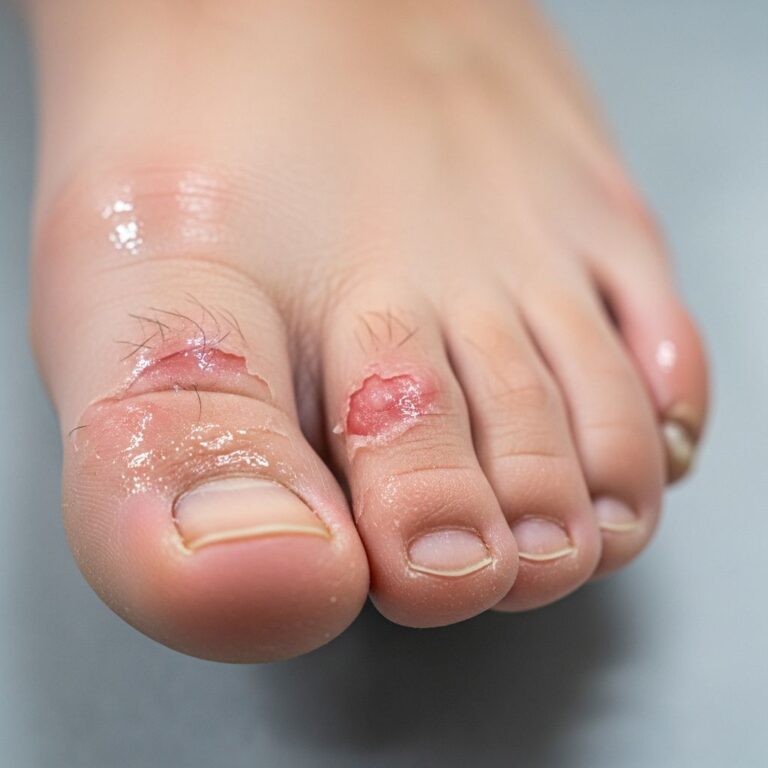
Escharotic Agents: Risks, Evidence, And Safer Alternatives
Caustic agents for skin cancer treatment: history, risks, and why modern medicine advises against their use.
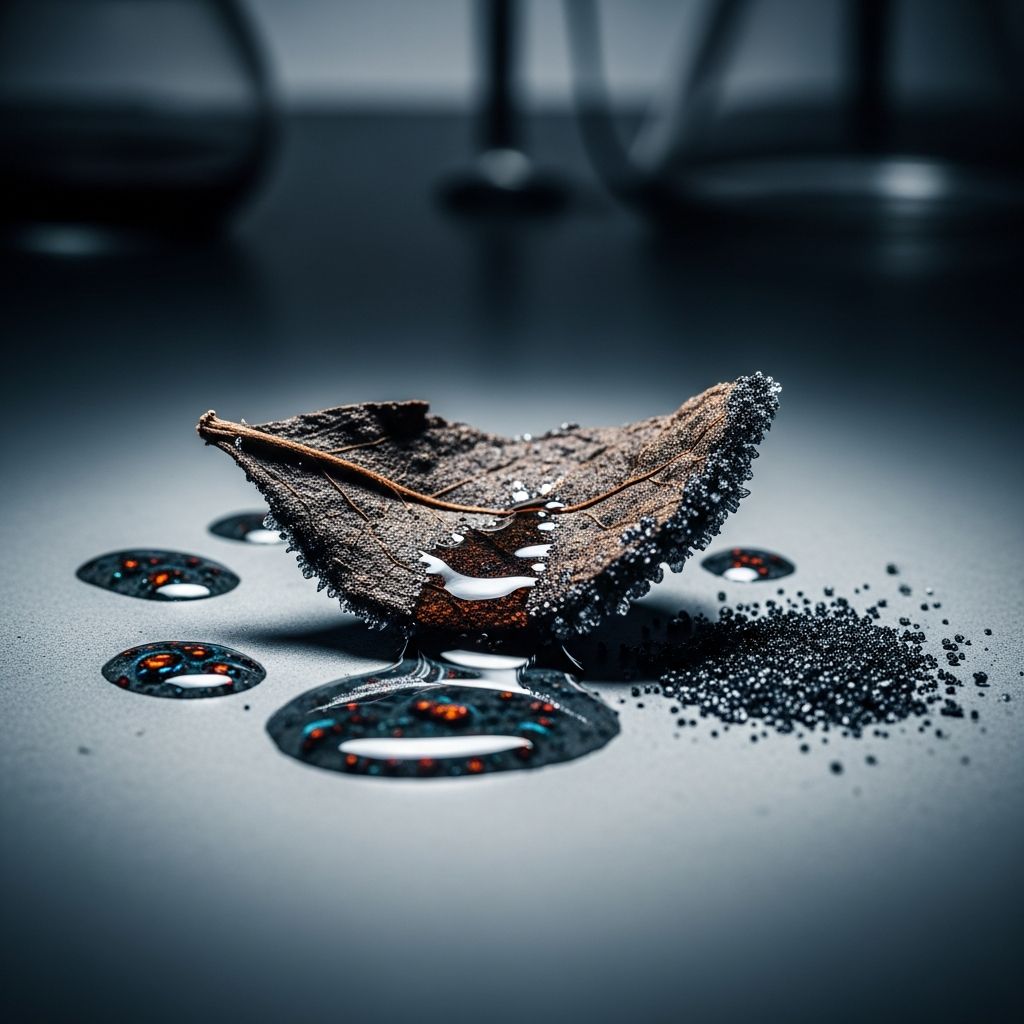
Escharotic agents are caustic, corrosive salves, pastes, poultices, and plasters purported to destroy cancer cells and cure skin cancers, including basal cell carcinomas (BCC), squamous cell carcinomas (SCC), and melanomas. Named for producing a thick black, dry scab known as an “eschar” on the skin, these agents cause tissue necrosis, leading to cell death and separation from surrounding healthy tissue.
What are escharotic agents?
Escharotic agents function by chemically burning the skin, inducing controlled tissue destruction. Historically applied directly to lesions, they aim to eradicate malignant cells through caustic action. Common formulations include herbal supplements sold online, often marketed as natural alternatives to surgery.
- Mechanism: These agents corrode skin tissue, forming an eschar that sloughs off, theoretically removing the tumor.
- Historical context: Used since ancient times for skin lesions, peaking in the 18th-19th centuries before safer methods prevailed.
Common ingredients
The primary components are zinc chloride and bloodroot (Sanguinaria canadensis), containing sanguinarine alkaloid. Zinc chloride acts as a strong caustic fixative, while bloodroot provides corrosive plant extracts. Other formulations may include galangal, chaparral, or proprietary blends, but contents are unregulated and variable.
| Ingredient | Source | Action |
|---|---|---|
| Zinc chloride | Chemical compound | Tissue fixation and necrosis |
| Bloodroot (sanguinarine) | Sanguinaria canadensis plant | Caustic alkaloid inducing cell death |
| Other (e.g., galangal) | Herbal extracts | Corrosive, unstandardized |
Historical use
Escharotics date back centuries, with zinc chloride integral to early Mohs micrographic surgery (MMS) in the 1930s. Dr. Frederick Mohs used “Mohs paste” (zinc chloride) to fixate tissue before excision, enabling precise mapping. This fixed-tissue method was painful, destructive to healthy tissue, and time-consuming, leading to its replacement by fresh frozen-section technique by the mid-20th century.
In the early 20th century, agents like tannic acid and silver nitrate treated skin lesions but fell out of favor due to infection risks under the eschar. Alternative practitioners, such as Harry Hoxsey, promoted secret formulas in the 1950s, claiming cures for various cancers. Lacking scientific validation, the FDA condemned Hoxsey’s practices; he relocated clinics to Mexico.
Modern promotion and availability
Today, escharotics like black salve (Cansema) are marketed online as herbal cancer cures, often via e-commerce, health stores, and auction sites like eBay. Promoters cite testimonials but provide no clinical trial data. Products evade regulation as supplements, with unknown potency, purity, or contaminants.
- Sold as salves, pastes, or poultices for home use on skin cancers.
- Advertised for BCC, SCC, melanoma despite lack of evidence.
Reported outcomes
Initial appearances can be deceptive: the lesion necroses, forms an eschar, and sloughs off, mimicking success. However, medical literature documents severe complications.
Case studies
- A 2002 report detailed four patients using escharotics for BCC instead of standard care. Outcomes included incomplete tumor removal, recurrence, deep scarring, and one requiring amputation.
- A 27-year-old self-treated moles with bloodroot, resulting in extensive necrosis, bacterial/fungal infection, and poor cosmetic scarring.
- Multiple cases show disfigurement, with cancer persisting beneath the eschar, undetected.
Dangers and complications
Related Stories



Escharotics pose significant risks due to non-selective destruction of healthy and cancerous tissue.
- Incomplete treatment: Tumor roots may remain, leading to recurrence or metastasis.
- Scarring and disfigurement: Deep, hypertrophic scars with contractures, especially on face/hands.
- Infection: Eschar traps bacteria/fungi, causing cellulitis or sepsis.
- Pain and delayed healing: Weeks of agony, with poor outcomes.
- Unknown contents: Unregulated products may contain impurities.
Peer-reviewed studies confirm these harms, with no proven efficacy.
Comparison to conventional treatments
| Aspect | Escharotics | Conventional (e.g., MMS) |
|---|---|---|
| Efficacy | Unproven, high recurrence | 95-99% cure rate for skin cancers |
| Safety | Risks scarring, infection | Precise, spares healthy tissue |
| Regulation | Unregulated | FDA-approved, evidence-based |
| Pain | Severe, prolonged | Local anesthesia, minimal |
Modern MMS uses fresh tissue for 99% accuracy in high-risk areas, vastly superior to escharotics.
Regulatory stance
The FDA has warned against black salve since the 1950s, citing dangers. Agencies like Medsafe (NZ) label it unregulated and ineffective. Dermatological bodies, including the American Academy of Dermatology, advise against home remedies.
Frequently Asked Questions (FAQs)
Are escharotic agents effective for skin cancer?
No, there are no clinical trials proving efficacy. They often fail to eradicate deep tumor cells, leading to recurrence.
Is black salve safe to use at home?
No, it causes severe burns, scarring, and infections. Use delays proven treatments.
What should I do if I have a suspicious skin lesion?
Consult a dermatologist immediately for biopsy and evidence-based treatment like excision or MMS.
Why were escharotics abandoned in medicine?
Due to pain, tissue destruction, infections, and superior alternatives like MMS.
Can escharotics cure melanoma?
No, they are ineffective and dangerous for aggressive cancers like melanoma.
Recommendations
Dermatologists strongly advise against escharotics until rigorous evidence emerges. Patients should seek physician guidance, prioritizing biopsy-confirmed, curative therapies. Early detection via regular skin checks saves lives.
References
- ESCHAROTIC | English meaning – Cambridge Dictionary — Cambridge University Press. Accessed 2026. https://dictionary.cambridge.org/dictionary/english/escharotic
- Escharotic agents — DermNet NZ (Vanessa Ngan). 2005. https://dermnetnz.org/topics/escharotic-agents
- Consequences of using escharotic agents as primary treatment for skin cancer — Archives of Dermatology (PubMed). 2002-11-01. https://pubmed.ncbi.nlm.nih.gov/12472348/
- Escharotic agents: a case report and review of the literature — PubMed. 2008. https://pubmed.ncbi.nlm.nih.gov/18333901/
- Black salve — Wikipedia (sourced medical refs). Accessed 2026. https://en.wikipedia.org/wiki/Black_salve
- Don’t Use Corrosive Cancer Salves (Escharotics) — Oxford Dermatology Associates. 2017. https://oxforddermatology.com.au/wp-content/uploads/2017/09/Warning-against-Corrosive-Cancer-Slaves.pdf
- Black Salve – Buyer Beware — Medsafe (NZ Govt). 2013. https://www.medsafe.govt.nz/safety/ews/2013/black-salve.asp
Similar Articles








Read full bio of medha deb