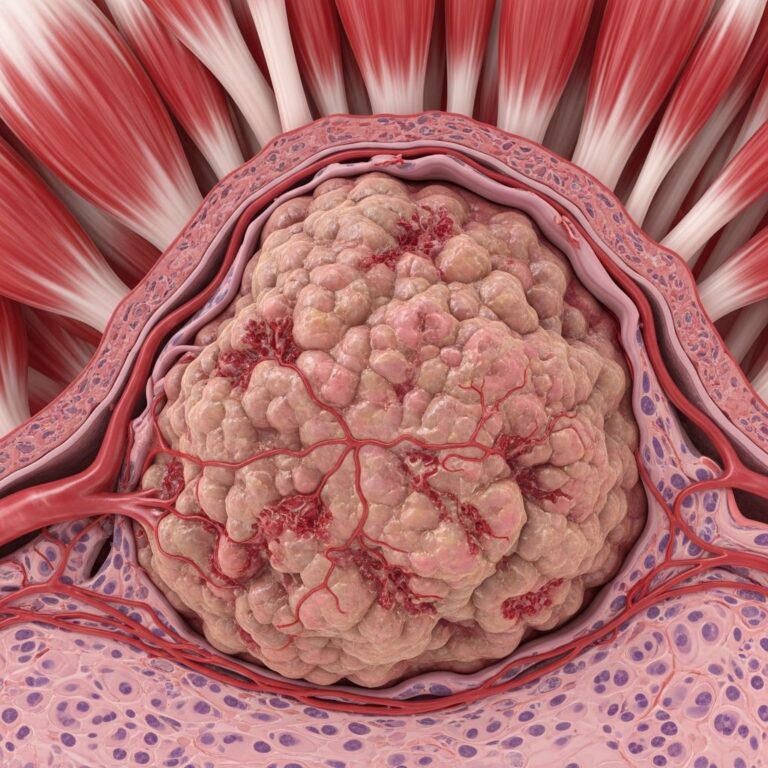
Esomeprazole: Uses, Dosage, and Side Effects
Complete guide to esomeprazole: how it works, uses, dosing, and important safety information.
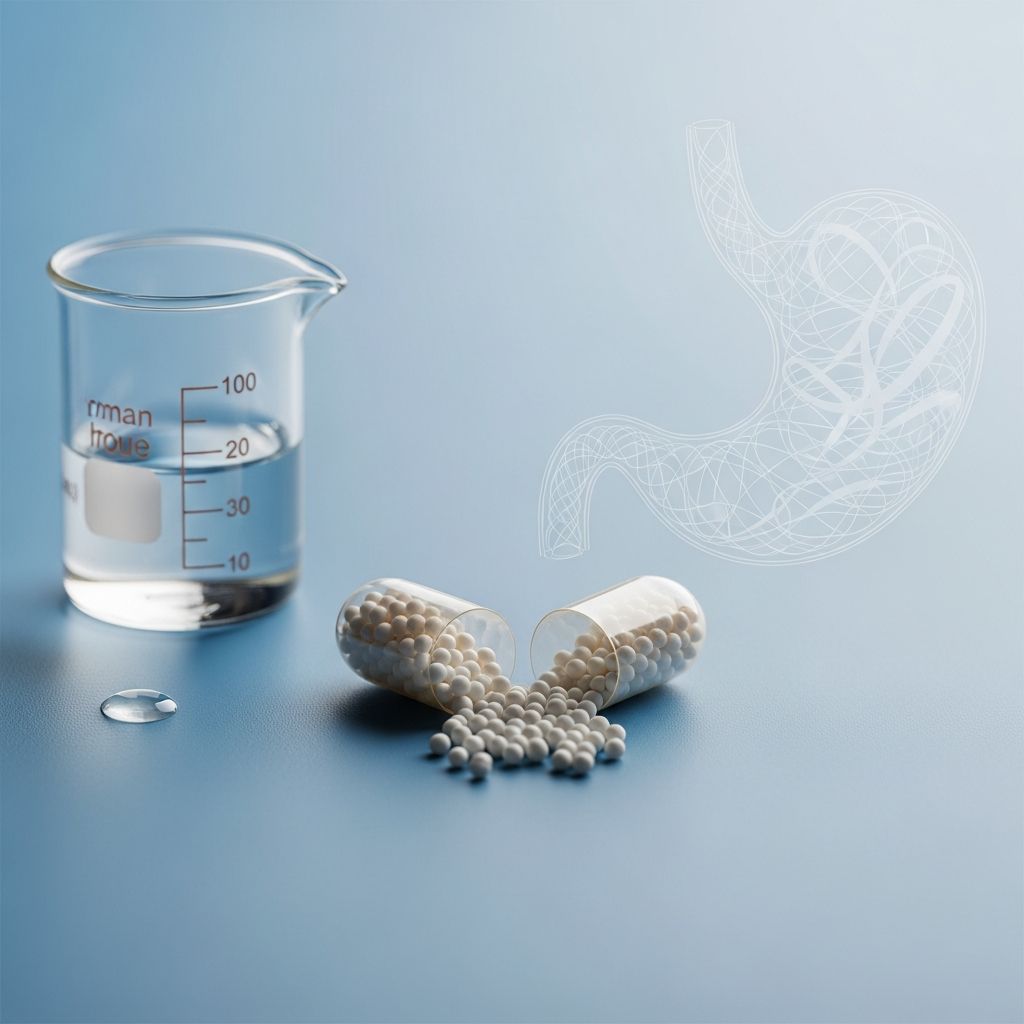
What is Esomeprazole?
Esomeprazole is a medication that belongs to a class of drugs called proton pump inhibitors (PPIs). This medication works by decreasing the amount of acid produced in the stomach, making it highly effective for treating various acid-related gastrointestinal conditions. Esomeprazole is the S-isomer of omeprazole, meaning it is a specific form of the compound that provides enhanced therapeutic benefits.
Available under brand names including Nexium, Emozul, and Guardium, esomeprazole has become one of the most commonly prescribed medications for acid-related disorders worldwide. The medication is available in both prescription and over-the-counter formulations, depending on the indication and dosage strength.
How Does Esomeprazole Work?
Esomeprazole operates as a gastric antisecretory agent that targets the proton pump—the final step in gastric acid secretion. By inhibiting this pump, esomeprazole effectively reduces the production of hydrochloric acid in the stomach. This mechanism of action makes it more potent than many other acid-reducing medications.
The medication maintains intragastric pH above 4 for significantly longer periods compared with standard doses of other proton pump inhibitors after 5 days of treatment. This prolonged acid suppression allows damaged tissue to heal and prevents further damage to the esophagus and stomach lining.
Uses of Esomeprazole
Esomeprazole has multiple clinical applications for treating acid-related conditions:
Gastroesophageal Reflux Disease (GERD)
The primary use of esomeprazole is treating gastroesophageal reflux disease (GERD), a condition where acid from the stomach flows backward into the esophagus, causing inflammation and damage. Prescription esomeprazole treats damage from GERD in adults and children 1 month of age and older, allowing the esophagus to heal and preventing further damage. Clinical trials show that esomeprazole 40 mg administered once daily for up to 8 weeks provides higher rates of healing of erosive GERD and greater proportions of patients with sustained resolution of heartburn compared with omeprazole 20 mg, lansoprazole 30 mg, or pantoprazole 40 mg.
Erosive Esophagitis
Esomeprazole is particularly effective for healing erosive esophagitis, a complication of severe GERD where the stomach acid damages the esophageal lining. In maintenance therapy studies, patients treated with esomeprazole 40 mg showed significantly better healing rates—with 87.9% of patients remaining healed after 6 months compared to only 29.1% receiving placebo.
Peptic Ulcer Disease
Esomeprazole is indicated for treating duodenal and gastric ulcers, reducing acid secretion to allow ulcers to heal. It prevents stomach ulcers and stomach irritation in patients taking NSAIDs (nonsteroidal anti-inflammatory drugs) for long periods, as these medications increase ulcer risk.
H. pylori Infection
Esomeprazole is used with antibiotics (such as amoxicillin and clarithromycin) to treat ulcers caused by H. pylori bacteria. This combination therapy helps eliminate the infection and allows ulcers to heal.
Zollinger-Ellison Syndrome
For pathological hypersecretory conditions like Zollinger-Ellison syndrome, where the stomach produces excessive acid, esomeprazole is used for long-term management. The recommended adult dose is 40 mg twice daily, with dosages adjustable to individual patient needs—up to 240 mg daily for up to 12 months in some cases.
Frequent Heartburn
Over-the-counter esomeprazole treats frequent heartburn (occurring at least 2 or more days a week) in adults. However, it should not be used for immediate relief, as it may take 1 to 4 days to feel the full benefit.
Dosage and Administration
Esomeprazole dosing varies depending on the condition being treated:
| Condition | Recommended Dose | Duration |
|---|---|---|
| Erosive Esophagitis (short-term treatment) | 40 mg once daily | 4-8 weeks |
| Erosive Esophagitis (maintenance) | 20-40 mg once daily | Long-term |
| GERD (symptomatic) | 20-40 mg once daily | 4-8 weeks |
| H. pylori Eradication | 40 mg once daily (with antibiotics) | 10 days |
| Zollinger-Ellison Syndrome | 40 mg twice daily | As needed (up to 240 mg daily) |
| NSAID-Related Ulcer Prevention | 20-40 mg once daily | Long-term |
| OTC Heartburn | 20 mg once daily | Maximum 14 days |
Related Stories



For over-the-counter use, do not take esomeprazole for longer than 14 days or treat yourself more often than once every 4 months without consulting your doctor.
Effectiveness of Esomeprazole
Clinical evidence demonstrates esomeprazole’s superior efficacy compared to other proton pump inhibitors. In meta-analyses, esomeprazole showed higher healing rates compared with standard-dose PPIs at 4 weeks (relative risk 0.92) and at 8 weeks (relative risk 0.95). Additionally, quality of life improvements are significant—within 2 weeks of treatment, both symptoms and health-related quality of life improved across all subscales in GERD patients, with benefits sustained throughout the treatment period.
In a large randomized study involving 6017 patients with GERD, esomeprazole 40 mg once daily improved quality of life during the acute symptom-control phase, and at 6 months, both esomeprazole regimens were more effective than ranitidine in all quality of life dimensions.
Side Effects and Safety Concerns
While esomeprazole is generally well-tolerated, certain side effects and safety considerations warrant attention:
Common Side Effects
- Headache
- Diarrhea
- Nausea
- Abdominal pain
- Flatulence
- Constipation
Serious Side Effects
Contact your doctor immediately if you experience:
- Irregular, fast, or pounding heartbeat
- Muscle spasms or uncontrollable shaking
- Severe diarrhea with watery stools, stomach pain, or fever
- New or worsening joint pain
- Rash on cheeks or arms sensitive to sunlight
- Increased or decreased urination, blood in urine, fatigue, or loss of appetite
- Seizures
Long-Term Safety Concerns
People who take proton pump inhibitors like esomeprazole may be more likely to fracture their wrists, hips, or spine than those not taking these medications. This risk is highest in people taking high doses or using the medication for one year or longer. Additionally, long-term PPI use may lead to the development of fundic gland polyps (growths on the stomach lining). Discuss these risks with your doctor, especially if you require extended treatment.
When to See a Doctor
Seek immediate medical attention if you experience:
- Lightheadedness, sweating, or dizziness along with heartburn
- Chest pain or shoulder pain
- Shortness of breath or wheezing
- Pain spreading to arms, neck, or shoulders
- Unexplained weight loss
- Vomiting, especially if vomit is bloody
- Difficulty swallowing or pain when swallowing
- Black or bloody stools
Additionally, if symptoms worsen or do not improve after 14 days, or if symptoms return sooner than 4 months after finishing treatment, contact your doctor.
Drug Interactions
Esomeprazole can interact with several medications by affecting their absorption or metabolism. Important interactions may occur with:
- Certain antifungal medications
- HIV protease inhibitors
- Iron supplements (esomeprazole may reduce iron absorption)
- Vitamin B12 supplements (long-term use may affect absorption)
- Clopidogrel (Plavix)
- Methotrexate
Always inform your healthcare provider of all medications and supplements you are taking before starting esomeprazole.
Frequently Asked Questions
Q: How long does esomeprazole take to work?
A: Over-the-counter esomeprazole may take 1 to 4 days to provide full symptom relief, so it is not suitable for immediate heartburn relief. Prescription formulations for acute conditions typically show efficacy within 4 weeks of treatment.
Q: Can I use esomeprazole long-term?
A: Yes, esomeprazole can be used for long-term maintenance therapy, particularly after healing of erosive esophagitis. However, consult your doctor about the duration of treatment, especially given potential long-term risks such as bone fractures and polyp formation.
Q: Is esomeprazole safe for children?
A: Prescription esomeprazole is approved for treating GERD in children 1 month of age and older. However, over-the-counter formulations are intended for adults only. Always consult a pediatrician before giving esomeprazole to children.
Q: What is the difference between esomeprazole and omeprazole?
A: Esomeprazole is the S-isomer of omeprazole, meaning it is a more specific and potent form. Clinical trials demonstrate that esomeprazole provides superior healing rates compared to omeprazole 20 mg, particularly in treating erosive esophagitis.
Q: Can I take esomeprazole with food?
A: Esomeprazole is typically taken before meals, as food can affect its absorption. Always follow your doctor’s or pharmacist’s specific instructions regarding timing and food intake.
Q: What should I do if I miss a dose?
A: If you miss a dose, take it as soon as you remember. However, if it is nearly time for your next dose, skip the missed dose and resume your regular schedule. Do not double-dose to make up for a missed dose.
Conclusion
Esomeprazole is a highly effective proton pump inhibitor used to treat a wide range of acid-related gastrointestinal conditions, from GERD and erosive esophagitis to peptic ulcers and Zollinger-Ellison syndrome. Its superior efficacy in healing and symptom relief, combined with improved quality of life outcomes, makes it a preferred treatment option for many patients. However, like all medications, esomeprazole carries potential risks and side effects, particularly with long-term use. By understanding how the medication works, its appropriate uses, and potential risks, patients can work with their healthcare providers to make informed decisions about their treatment. Always consult your doctor before starting, stopping, or adjusting esomeprazole dosage, and report any concerning symptoms or side effects promptly.
References
- A review of esomeprazole in the treatment of gastroesophageal reflux disease — National Center for Biotechnology Information (NCBI). 2008. https://pmc.ncbi.nlm.nih.gov/articles/PMC2374928/
- Esomeprazole: MedlinePlus Drug Information — U.S. National Library of Medicine. 2024. https://medlineplus.gov/druginfo/meds/a699054.html
- Esomeprazole: Uses, Interactions, Mechanism of Action — DrugBank. 2024. https://go.drugbank.com/drugs/DB00736
- Esomeprazole (Oral Route) — Description, Uses, and Dosage — Mayo Clinic. 2024. https://www.mayoclinic.org/drugs-supplements/esomeprazole-oral-route/description/drg-20074322
- Esomeprazole: Uses, Dosing, Warnings, Adverse Events, Interactions — MedCentral. 2024. https://www.medcentral.com/drugs/monograph/20537-301031/esomeprazole-magnesium-oral
Similar Articles








Read full bio of Sneha Tete