Esophageal Manometry: Understanding the Test
Learn about esophageal manometry, a diagnostic test measuring esophageal muscle function and swallowing ability.
What is Esophageal Manometry?
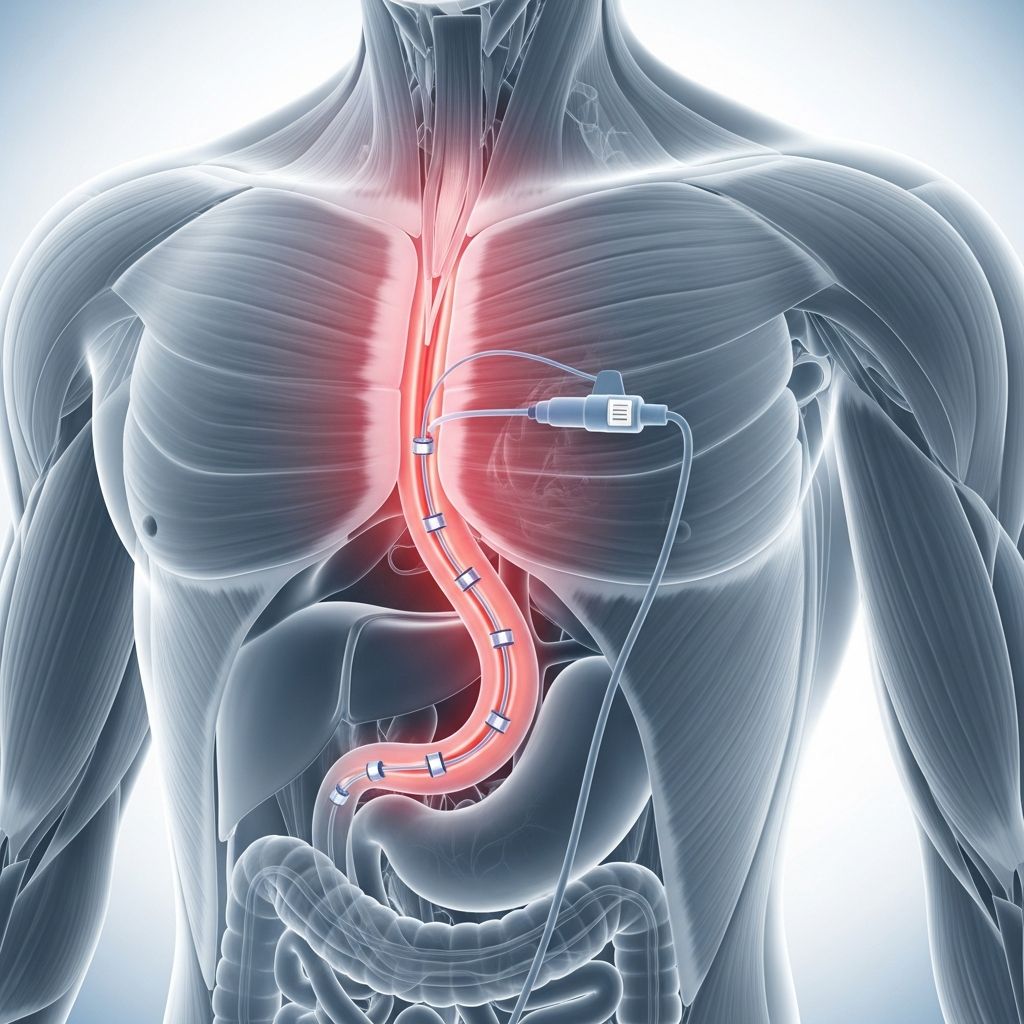
Esophageal manometry is a specialized diagnostic test that measures the function and pressure of the esophagus, the muscular tube that connects your mouth to your stomach. During this test, healthcare providers assess how well the esophageal muscles contract and relax, particularly evaluating the strength of muscle contractions known as peristalsis—the sequential muscular movements that propel food and water down the esophagus toward the stomach. The test also measures the function of the lower esophageal sphincter (LES), a specialized muscle that acts as a valve to prevent stomach acid from refluxing back into the esophagus.
The esophagus is a long, muscular tube approximately 10 inches in length. When you swallow, it contracts in a coordinated wave-like pattern to push food into your stomach. Esophageal manometry provides detailed information about whether these muscle contractions are working properly and whether the sphincter muscles at the top and bottom of the esophagus are opening and closing appropriately.
Why is Esophageal Manometry Performed?
Esophageal manometry is recommended when patients experience symptoms suggesting abnormal esophageal function. Your healthcare provider may suggest this test if you have any of the following symptoms:
- Difficulty swallowing (dysphagia)
- Pain when swallowing (odynophagia)
- Chest pain or discomfort
- Persistent heartburn or acid reflux
- Regurgitation of food or liquids
- Unexplained nausea or vomiting
The test helps determine whether the esophagus can move food to the stomach normally and identifies specific disorders of esophageal function. It can diagnose conditions such as achalasia (where the esophageal muscles fail to relax properly), diffuse esophageal spasm (uncoordinated muscle contractions), and other motility disorders. Additionally, esophageal manometry is useful for evaluating patients before they undergo anti-reflux surgery or hiatal hernia repair, helping physicians determine whether such treatments will be safe and effective.
Conditions Diagnosed by Esophageal Manometry
Esophageal manometry can help diagnose various esophageal disorders:
- Achalasia: A condition where the LES fails to relax properly, preventing food from entering the stomach
- Diffuse esophageal spasm: Uncoordinated, simultaneous contractions of the esophagus
- Ineffective esophageal motility: Weak muscle contractions that cannot effectively move food down the esophagus
- Scleroderma: A connective tissue disorder affecting esophageal muscle function
- Chagas disease: A parasitic infection that can damage esophageal nerves
How is Esophageal Manometry Performed?
Before the Procedure
Proper preparation ensures the test provides accurate results. You should avoid eating or drinking for at least six hours before the procedure. Your healthcare provider may ask you to discontinue certain medications 24 hours before the test, including medications for high blood pressure or heart conditions, as these can affect esophageal muscle function. Inform your provider of any allergies, particularly to local anesthetics, and discuss any anxiety about the procedure—sedation options may be available if needed.
During the Procedure
The esophageal manometry procedure typically takes 20 to 30 minutes to complete. Here’s what to expect:
- Numbing medication: A numbing lubricant or pain-relieving medication (topical anesthetic) is applied to your nostril to make the passage of the tube more comfortable and reduce discomfort from friction.
- Catheter placement: A small, flexible tube (catheter) with pressure sensors is gently passed through your nose, down the back of your throat, and into your esophagus and stomach. The tube is thin enough not to interfere with your breathing, and most patients adjust quickly to its presence.
- Baseline measurement: Once the catheter is in place, you lie on your back on an exam table or remain seated while the device records baseline pressure readings as you breathe normally.
- Swallowing test: You are then asked to swallow small sips of water—typically 7 to 10 times. As you swallow, sensors at various locations along the tubing measure the strength and coordination of esophageal muscle contractions. Your healthcare provider may also have you swallow thicker substances like applesauce or try swallowing in different positions.
- Catheter withdrawal: The catheter is slowly withdrawn from the esophagus while continuing to record measurements. The sensors detect the pressure exerted along the entire length of the esophagus.
Related Stories



Throughout the procedure, you’re asked to breathe slowly and smoothly, remain as still as possible, and swallow only when instructed. You may feel some discomfort as the tube is being placed, but this typically lasts only about a minute. Vomiting, coughing, or gagging may occur when the catheter is being placed, but these reactions are rare and usually pass quickly.
High-Resolution Manometry (HRM)
Modern esophageal manometry often uses high-resolution manometry (HRM) technology. This advanced version employs a catheter with up to 36 pressure sensors spaced 1 centimeter apart throughout its length. These sensors span the entire esophagus and measure muscle contractions with greater precision than conventional manometry. The data is transmitted to a computer, which converts the pressure readings into a topographical pressure map called esophageal pressure topography (EPT). This visualization helps gastroenterologists identify specific patterns of muscle dysfunction and make more accurate diagnoses.
What to Expect After the Procedure
Following the procedure, the catheter is removed, and you can typically return to your normal activities immediately. You may experience mild throat soreness for a brief period. In rare cases, a small nosebleed may occur from minor irritation caused by the nasogastric tube, but this usually resolves without treatment. Your eyes might have watered during the procedure, but this is temporary and not a cause for concern.
Your healthcare provider will interpret the esophageal pressure topography map and pressure recordings made during the test. Normal results show appropriate muscle contractions that efficiently propel food toward your stomach and proper opening and closing of the lower esophageal sphincter. Abnormal results might indicate weak muscle contractions, uncoordinated contractions, inadequate sphincter relaxation, or excessive sphincter pressure.
Understanding Your Results
Your esophageal manometry results will provide your healthcare provider with specific information about what is occurring in your esophagus when you swallow. This allows them to recommend appropriate treatments tailored to your specific condition. If surgery has already been recommended—such as anti-reflux surgery or hiatal hernia repair—the manometry test results will help your provider determine whether the treatment will be safe and effective for you.
Abnormal results may indicate conditions requiring medical management, lifestyle modifications, or surgical intervention. Your gastroenterologist will discuss these findings with you and develop a treatment plan based on the specific manometry patterns identified.
Possible Complications and Side Effects
Esophageal manometry is generally a safe procedure with minimal risks. Most patients tolerate the test well. Possible mild side effects include:
- Throat soreness or irritation
- Minor nosebleeds from nasal irritation
- Watering eyes during catheter placement
- Gag reflex or brief coughing
- Temporary discomfort as the tube is advanced
Serious complications are extremely rare. Inform your healthcare provider immediately if you experience severe pain, difficulty breathing, persistent nosebleeds, or any other concerning symptoms after the procedure.
Advantages of Esophageal Manometry
This diagnostic test offers several important advantages:
- Provides objective measurements of esophageal muscle function
- Identifies specific motility disorders that may not be apparent from other tests
- Helps determine the best treatment approach for esophageal conditions
- Can predict surgical outcomes before procedures like fundoplication
- Uses advanced high-resolution technology for precise diagnosis
- Minimally invasive with quick recovery
- Takes only 20-30 minutes to complete
Frequently Asked Questions
Q: Is esophageal manometry painful?
A: The procedure should not be painful, though you may find the catheter in your esophagus somewhat uncomfortable. Topical anesthesia is applied to minimize discomfort, and most patients tolerate the test well.
Q: Will I need sedation for esophageal manometry?
A: Typically, you won’t be sedated because you need to swallow liquids during the test to assess esophageal function properly. However, discuss your concerns with your healthcare provider—sedation options may be available if you’re particularly anxious about the procedure.
Q: How long does the procedure take?
A: Esophageal manometry typically lasts 20 to 30 minutes, though the time may vary slightly depending on the specific testing protocol used.
Q: Can I eat or drink before the test?
A: No, you should avoid eating or drinking for at least six hours before the procedure to ensure accurate test results and reduce the risk of aspiration.
Q: When will I receive my results?
A: Your healthcare provider will interpret the results and discuss them with you. Results are typically available within a few days of the procedure.
Q: Can I resume normal activities after the test?
A: Yes, you can return to your typical activities immediately after the procedure. Most people experience minimal side effects and can resume their normal routine right away.
Q: What medications should I avoid before the test?
A: Your healthcare provider may ask you to discontinue certain medications 24 hours before the test, particularly those affecting heart rate or blood pressure. Always follow your provider’s specific instructions.
Q: Is esophageal manometry covered by insurance?
A: Esophageal manometry is typically covered by insurance when medically necessary and ordered by a physician. Contact your insurance provider to confirm coverage for your specific situation.
References
- Esophageal Manometry — Mayo Clinic. 2024. https://www.mayoclinic.org/tests-procedures/esophageal-manometry/about/pac-20394000
- Esophageal Manometry Test — Cleveland Clinic. 2024. https://my.clevelandclinic.org/health/diagnostics/4952-esophageal-manometry-test
- Esophageal Manometry – StatPearls — National Center for Biotechnology Information (NCBI), National Library of Medicine. 2024. https://www.ncbi.nlm.nih.gov/books/NBK559237/
- Esophageal Manometry — University of Michigan Health. 2024. https://www.uofmhealth.org/our-care/specialties-services/esophageal-manometry
- Esophageal Manometry – Albany Gastroenterology Consultants — Albany Gastroenterology Consultants. 2024. https://albanygi.com/procedures/esophageal-manometry/
Similar Articles








Read full bio of Sneha Tete