Esophagitis Symptoms: Signs, Causes, And Treatment Guide
Understand the signs, causes, and treatments for esophagitis to manage discomfort and prevent complications effectively.
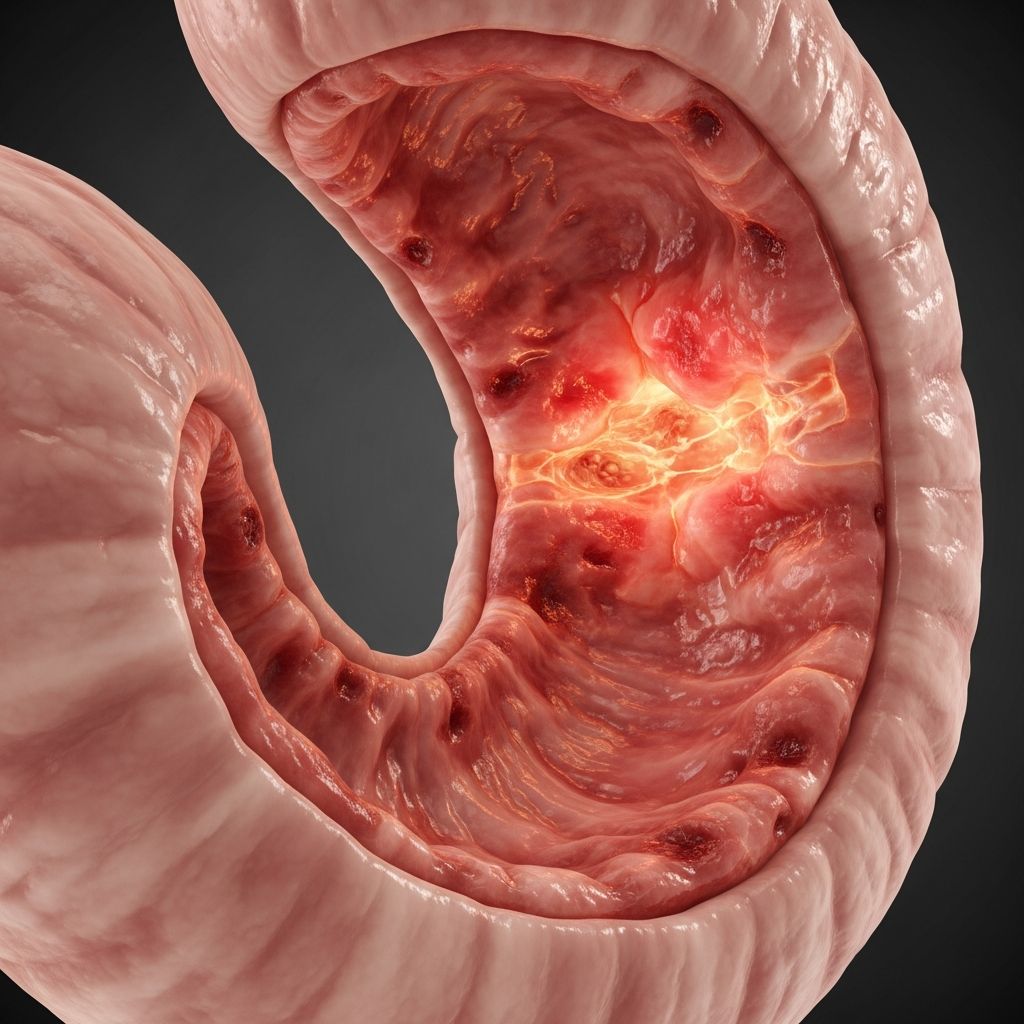
Esophagitis refers to inflammation of the esophagus, the tube connecting the mouth to the stomach, often leading to painful swallowing and chest discomfort. This condition arises from various triggers like acid reflux, infections, or allergies, requiring prompt attention to avoid complications such as scarring or narrowing.
What Is Esophagitis?
The esophagus is a muscular tube lined with delicate tissue that propels food and liquids to the stomach. When this lining becomes inflamed, known as esophagitis, it can cause significant discomfort and impair normal swallowing. Inflammation occurs when the immune system responds to irritants, infections, or allergens, resulting in swelling, soreness, or erosion of the mucosal lining.
Untreated esophagitis may lead to serious issues, including esophageal strictures, food impaction, unhealthy weight loss, or dehydration. In severe cases, chronic inflammation raises risks for Barrett’s esophagus or esophageal cancer. Early recognition of symptoms is crucial for effective management.
Esophagitis Symptoms
Common symptoms include difficulty or pain when swallowing (dysphagia or odynophagia), chest pain resembling heartburn, and a sensation of food sticking in the throat. Other signs are acid reflux, where stomach contents back up, causing burning behind the breastbone, especially after meals.
- Trouble swallowing solid foods or liquids.
- Painful swallowing that worsens with eating.
- Food impaction, where swallowed items lodge in the esophagus.
- Heartburn or burning chest pain.
- Regurgitation of sour or bitter-tasting fluid.
In infants and young children unable to verbalize discomfort, symptoms manifest as feeding difficulties, back arching, refusal to eat, failure to thrive, or abdominal pain. Older children may report chest or belly pain. Pain can range from mild to severe, constant or intermittent, often mimicking other conditions like heart issues.
When to See a Doctor
Consult a healthcare provider if symptoms persist beyond a few days, fail to improve with over-the-counter antacids, interfere with eating, or cause weight loss. Seek emergency care for severe chest pain lasting over minutes, suspected food impaction, bloody vomit, forceful vomiting, shortness of breath post-meal, or pain with swallowing alongside flu-like symptoms.
Types of Esophagitis
Esophagitis is classified by its underlying cause, each with distinct features and treatments.
Reflux Esophagitis
The most prevalent type stems from gastroesophageal reflux disease (GERD), where stomach acid repeatedly flows back into the esophagus, eroding the lining. Frequent reflux or vomiting exacerbates this, leading to chronic inflammation.
Drug-Induced Esophagitis
Certain oral medications irritate the esophagus if they linger too long, especially when taken without enough water or while lying down. Common culprits include NSAIDs (like ibuprofen), antibiotics (doxycycline, tetracycline), potassium supplements, aspirin, and bisphosphonates (alendronate).
Infectious Esophagitis
Infections are rarer but occur in immunocompromised individuals. Fungal (Candida), viral (herpes simplex, cytomegalovirus), or bacterial pathogens inflame the esophagus. Risk factors include weakened immunity from HIV/AIDS, cancer treatments, diabetes, or steroid use.
Eosinophilic Esophagitis (EoE)
This allergic condition involves eosinophil buildup in the esophagus, triggered by food allergens, airborne irritants like pollen, or acid reflux. Symptoms include dysphagia, food impaction, and esophageal rings visible on endoscopy. It’s more common in people with other allergies and can lead to strictures or tears.
Related Stories



Other Types
Radiation esophagitis follows therapy to the chest or throat, causing temporary or chronic mucosal inflammation. Autoimmune diseases like scleroderma or Sjögren’s syndrome may also contribute.
Causes and Risk Factors
Primary causes include acid exposure from GERD, medication irritation, infections, and immune responses. Risk factors encompass hiatal hernia, obesity, pregnancy, smoking, and delayed stomach emptying. For EoE, genetic predisposition and environmental allergens play roles. Immunosuppression heightens infection risk.
Diagnosis
Diagnosis begins with symptom review and physical exam. Providers may trial acid blockers; improvement suggests reflux esophagitis. Confirmatory tests include:
- Upper endoscopy: A camera-equipped tube visualizes inflammation, rings, or narrowing; biopsies detect eosinophils or infections.
- Esophageal pH monitoring: Measures acid levels over 24-48 hours.
- Barium swallow: X-ray with contrast highlights structural issues.
- Allergy testing: For EoE, to identify triggers.
Treatment
Treatment targets the cause:
- Reflux esophagitis: Proton pump inhibitors (PPIs) like omeprazole, H2 blockers, antacids; lifestyle changes (elevate head of bed, avoid triggers).
- Drug-induced: Switch medications, take with water upright.
- Infectious: Antifungals (fluconazole), antivirals (acyclovir).
- EoE: Elimination diets, swallowed corticosteroids, PPIs, dilation for strictures.
Severe cases may require endoscopic dilation or surgery for strictures. Pain relief includes lozenges or viscous lidocaine.
Complications
Unchecked esophagitis risks esophageal tears, strictures, Barrett’s esophagus (precancerous changes), or cancer. Chronic cases cause malnutrition or aspiration.
Prevention and Management
Prevent by managing GERD (small meals, no late eating, weight loss), proper pill intake, treating allergies, and bolstering immunity. During recovery, opt for soft foods, stay hydrated, avoid irritants like alcohol, caffeine, spicy foods.
Frequently Asked Questions (FAQs)
What does esophagitis pain feel like?
It often feels like burning chest pain (heartburn), sore throat, or pain/cramping when swallowing.
Can esophagitis go away on its own?
Mild cases may resolve with lifestyle changes, but persistent symptoms need medical treatment to prevent damage.
Is esophagitis the same as GERD?
No, GERD is a cause of reflux esophagitis; not all GERD leads to inflammation.
How long does esophagitis last?
With treatment, symptoms improve in days to weeks; chronic types like EoE may require ongoing management.
Who is at risk for eosinophilic esophagitis?
People with allergies, asthma, or family history; more common in males under 50.
References
- Esophagitis – Symptoms and causes — Mayo Clinic Staff. 2024-10-29. https://www.mayoclinic.org/diseases-conditions/esophagitis/symptoms-causes/syc-20361224
- Esophagitis: What It Is, Symptoms, Causes & Treatment — Cleveland Clinic. 2023-05-12. https://my.clevelandclinic.org/health/diseases/10138-esophagitis
Similar Articles








Read full bio of medha deb