Essential Benefits of Routine Eye Checkups
Discover how regular visits to an eye specialist can safeguard your vision and reveal hidden health risks early.
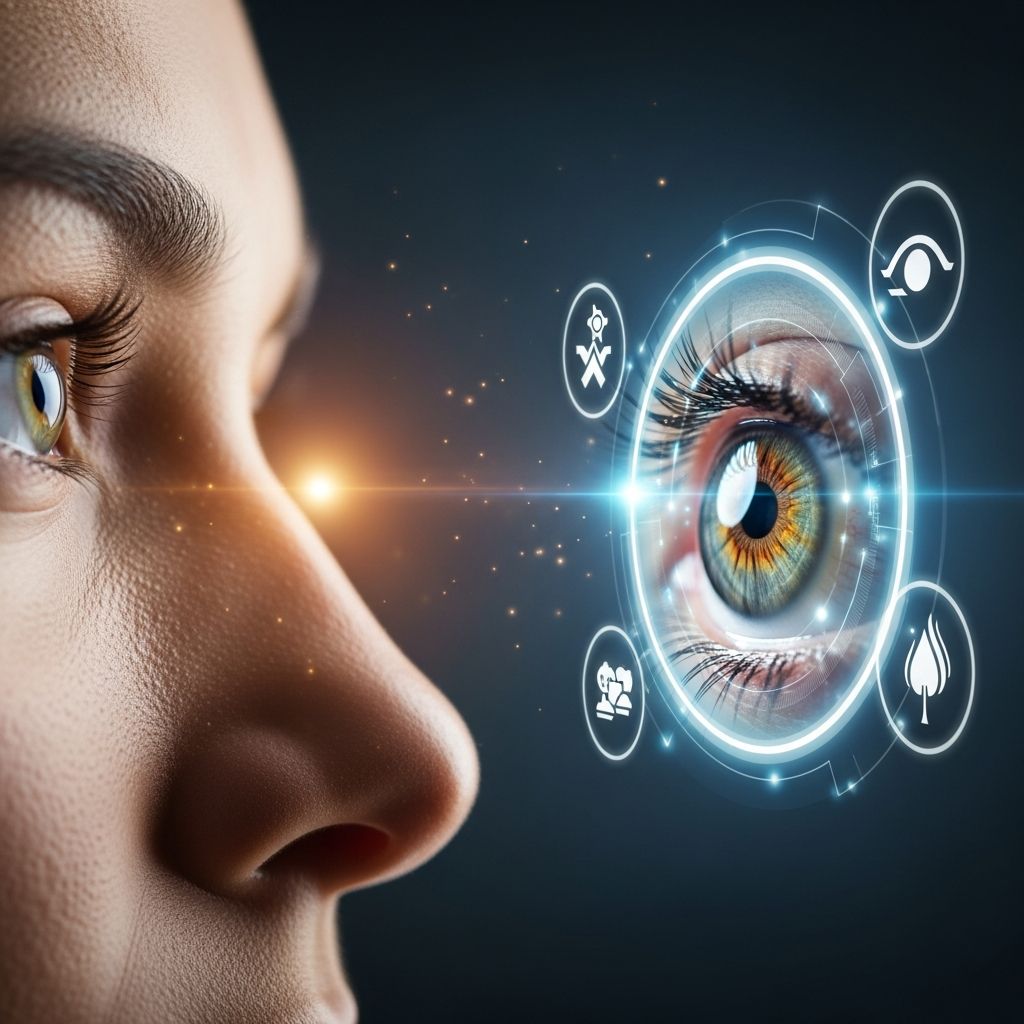
Routine eye checkups with an ophthalmologist offer far more than just assessing visual sharpness; they serve as a vital screening tool for both eye-specific conditions and broader health concerns. These comprehensive evaluations can identify issues before symptoms appear, enabling timely interventions that preserve sight and improve life quality.
Understanding the Scope of a Comprehensive Eye Evaluation
A full eye exam involves multiple tests beyond reading an eye chart. Ophthalmologists measure visual acuity, inspect the eye’s internal structures using specialized tools, assess pressure levels, and evaluate how eyes work together. This process reveals subtle changes in the retina, optic nerve, and blood vessels that might signal underlying problems.
Key components include:
- Refraction testing: Determines the precise lens prescription to correct refractive errors like myopia or hyperopia.
- Dilated fundus exam: Widens pupils to examine the retina and detect abnormalities.
- Tonometry: Checks intraocular pressure to screen for glaucoma risks.
- Slit-lamp biomicroscopy: Magnifies the front eye structures for signs of cataracts or inflammation.
These steps ensure a holistic view of ocular health, often catching non-eye-related issues early.
Detecting Silent Threats to Vision
Many vision-threatening conditions progress without warning signs, making regular exams indispensable. Glaucoma, for instance, damages the optic nerve stealthily, often dubbed the ‘silent thief of sight.’ Early detection through pressure checks and nerve imaging allows treatments like eye drops to halt progression.
| Condition | Early Signs in Eyes | Potential Impact if Untreated |
|---|---|---|
| Glaucoma | Elevated eye pressure, optic nerve thinning | Irreversible peripheral vision loss |
| Cataracts | Lens clouding | Blurry vision, glare sensitivity |
| Macular Degeneration | Retinal drusen deposits | Central vision impairment |
| Diabetic Retinopathy | Retinal blood vessel leaks | Blindness in working-age adults |
Diabetic retinopathy, a leading blindness cause, shows vessel damage visible only via retinal scans during exams.
Eye Exams as Health Indicators
The eyes provide a unique, non-invasive window into systemic health. Retinal blood vessels can reveal hypertension through narrowing or hardening, while cholesterol deposits (plaques) signal cardiovascular risks. Even rare issues like multiple sclerosis or tumors may first appear in ocular findings.
- Diabetes: Swelling or microaneurysms in retinal vessels often precede other symptoms.
- High Blood Pressure: Arteriolar changes indicate long-term strain.
- Autoimmune Diseases: Inflammation patterns suggest conditions like rheumatoid arthritis.
Studies emphasize that these discoveries during routine visits can prompt life-saving referrals to primary care physicians.
Vision Correction and Daily Comfort
Prescriptions evolve with age, lifestyle, and habits like prolonged screen use. An outdated one causes strain, headaches, and reduced productivity. Exams ensure optimal correction, including options for digital eye strain relief such as anti-reflective coatings.
For contact lens wearers, exams monitor corneal health to prevent infections. Children benefit immensely, as uncorrected errors hinder learning; exams confirm visual skills essential for reading and sports.
Related Stories



Tailored Schedules for Every Life Stage
Frequency varies by age, risk factors, and family history:
- Children: First exam at 6-12 months, then before school, annually if issues arise.
- Adults under 40: Every 2 years if healthy; annually with risks like diabetes.
- Over 40: Yearly, due to rising glaucoma and cataract prevalence.
- High-risk groups: More frequent for those with family history or chronic conditions.
Pregnant individuals or those with new symptoms warrant prompt visits.
Modern Tools Enhancing Exam Precision
Today’s ophthalmology employs optical coherence tomography (OCT) for 3D retinal imaging and automated perimetry for field testing. These detect minute changes invisible to the naked eye, improving diagnostic accuracy.
Digital tools also assess dry eye, increasingly common from screen time, recommending therapies like prescription drops.
Addressing Common Myths and Barriers
Myth: ‘Perfect vision means no exam needed.’ Reality: 20/20 sight misses internal diseases.
Myth: ‘Exams are only for glasses.’ Fact: They’re preventive health checkpoints.
Barriers like cost or time are mitigated by insurance coverage and quick appointments. Delaying risks irreversible damage.
Preparing for Your Next Appointment
Arrive with current glasses, medication lists, and symptom notes. Avoid contacts if possible, and plan for dilation-induced light sensitivity. Discuss family history for personalized screening.
Frequently Asked Questions
How often should I get an eye exam?
Most adults need one every 1-2 years; consult your ophthalmologist for a personalized plan based on risks.
Can eye exams detect non-eye diseases?
Yes, signs of diabetes, hypertension, and more are often spotted first in the eyes.
What if my vision feels fine?
Silent conditions like glaucoma have no early symptoms; exams catch them proactively.
Are exams safe for children?
Absolutely; they’re painless and crucial for developmental vision screening.
Do I need an ophthalmologist or optometrist?
Ophthalmologists handle medical and surgical care; both perform exams, but ophthalmologists offer advanced diagnostics.
Take Action for Lifelong Visual Wellness
Prioritizing eye checkups integrates seamlessly into health routines, yielding dividends in preserved vision and detected health issues. Schedule yours today to stay ahead of potential problems.
References
- The Importance of Regular Eye Exams: More Than Meets the Eye — Froedtert & Medical College of Wisconsin. 2023. https://www.froedtert.com/stories/importance-regular-eye-exams-more-meets-eye
- Why Regular Eye Exams Are Important: The Role of an Optometrist in Eye Care — Mira Mar Eye Institute. 2024. https://www.miramareyeinstitute.com/why-regular-eye-exams-are-important-the-role-of-an-optometrist-in-eye-care/
- 5 Key Reasons Regular Eye Exams Are Essential for Healthy Vision — Optic Gallery. 2023. https://www.opticgallery.com/blog/5-key-reasons-regular-eye-exams-are-essential-for-healthy-vision.html
- The Importance of Regular Eye Exams: What You Need to Know — Texas State Optical Kingwood. 2024. https://www.tsokingwood.com/the-importance-of-regular-eye-exams-what-you-need-to-know.html
- Why Are Eye Exams Important? — Optometrists.org. 2024. https://www.optometrists.org/general-practice-optometry/guide-to-eye-exams/why-are-annual-eye-exams-important/
- Why it’s important to have regular eye exams — Tufts Medicare Preferred. 2023. https://www.tuftsmedicarepreferred.org/healthy-living/why-its-important-have-regular-eye-exams
- Why Eye Exams Are Important — Centers for Disease Control and Prevention (CDC). 2025-02-01. https://www.cdc.gov/vision-health/about-eye-disorders/why-eye-exams-are-important.html
Similar Articles








Read full bio of medha deb