Dermatology Terms Explained: Essential Patient Guide
Master the key vocabulary dermatologists use to describe skin conditions, lesions, and treatments for better patient communication.
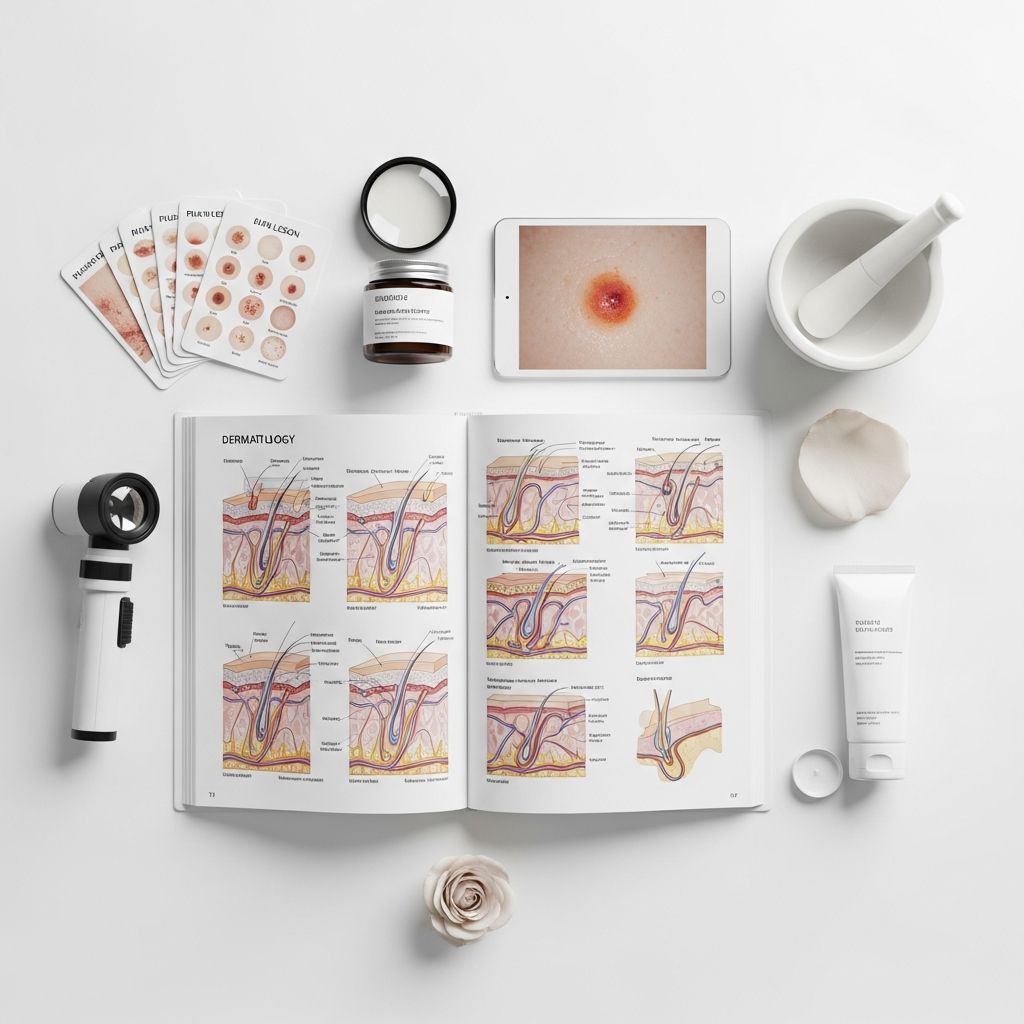
Understanding the precise language of dermatology empowers patients to engage effectively with healthcare providers. This guide demystifies core terms used by dermatologists to describe skin changes, conditions, and interventions, drawing from established medical glossaries.
Primary Lesion Types: Building Blocks of Skin Descriptions
Skin lesions form the foundation of dermatological assessments. Dermatologists classify them as primary or secondary based on their initial presentation. Primary lesions arise directly from disease processes, while secondary ones develop from irritation, infection, or manipulation of primaries.
- Macule: A flat, non-palpable area of skin color change less than 1 cm in diameter, such as freckles or flat moles.
- Patch: Similar to a macule but larger than 1 cm, often seen in conditions like vitiligo.
- Papule: A solid, elevated lesion under 1 cm, like those in acne or warts.
- Plaque: A raised, flat-topped area greater than 1 cm, common in psoriasis.
- Nodule: A larger, deeper solid mass extending into dermis, as in cysts.
These distinctions aid in pinpointing diagnoses; for instance, multiple papules might indicate folliculitis, while plaques suggest chronic inflammation.
Secondary Skin Changes and Their Implications
Secondary lesions evolve from primary ones due to external factors. Recognizing them helps track disease progression.
| Term | Description | Common Causes |
|---|---|---|
| Scale | Flaky skin fragments from dead cells | Eczema, psoriasis |
| Crust | Dried fluid exudate, forming scabs | Impetigo, healing wounds |
| Erosion | Loss of epidermis without scarring | Herpes simplex |
| Ulcer | Full-thickness skin loss with scarring | Pressure sores, vasculitis |
| Lichenification | Thickened, leathery skin from rubbing | Chronic atopic dermatitis |
Such changes signal the need for intervention; lichenification, for example, indicates prolonged scratching in eczema.
Common Inflammatory Conditions: Dermatitis Variants
Dermatitis encompasses various inflammatory skin disorders. Key subtypes include:
- Atopic Dermatitis (Eczema): Chronic, itchy rashes often in flexures, linked to allergies.
- Contact Dermatitis: Triggered by irritants or allergens, presenting as localized redness.
- Irritant Contact Dermatitis: Non-immune reaction to harsh substances like soaps.
- Allergic Contact Dermatitis: Immune-mediated response to allergens such as nickel.
- Seborrheic Dermatitis: Scaly patches on scalp or face from yeast overgrowth.
These conditions affect millions; atopic dermatitis alone impacts up to 20% of children worldwide per health authorities.
Acne and Related Disorders
Acne vulgaris stems from clogged sebaceous glands, producing comedones, papules, and cysts.
- Comedone: Blocked pore; open (blackhead) or closed (whitehead).
- Cystic Acne: Deep, pus-filled nodules prone to scarring.
- Sebum: Natural oil excess contributing to acne.
Treatments like salicylic acid exfoliate follicles, while isotretinoin (Accutane) targets severe cases.
Pigmentation and Vascular Terms
Skin color and vessel abnormalities are frequent concerns.
- Hyperpigmentation: Darkened patches from sun, hormones, or inflammation.
- Hypopigmentation/Leukoderma: Lightened areas, as in tinea versicolor.
- Melasma: Symmetrical facial brown patches, hormone-related.
- Telangiectasia (Spider Veins): Dilated small vessels causing red blotches.
- Hemangioma: Benign vascular birthmarks.
Laser therapies effectively target telangiectasia and hyperpigmentation.
Related Stories



Treatment Modalities in Dermatology
Dermatologists employ diverse procedures.
- Chemical Peel: Acid application to resurface skin; superficial for mild issues, deep for wrinkles.
- Microdermabrasion: Abrasive exfoliation for scars and sun damage.
- Cryosurgery: Freezing lesions with liquid nitrogen.
- Laser Resurfacing: Ablates damaged layers for rejuvenation.
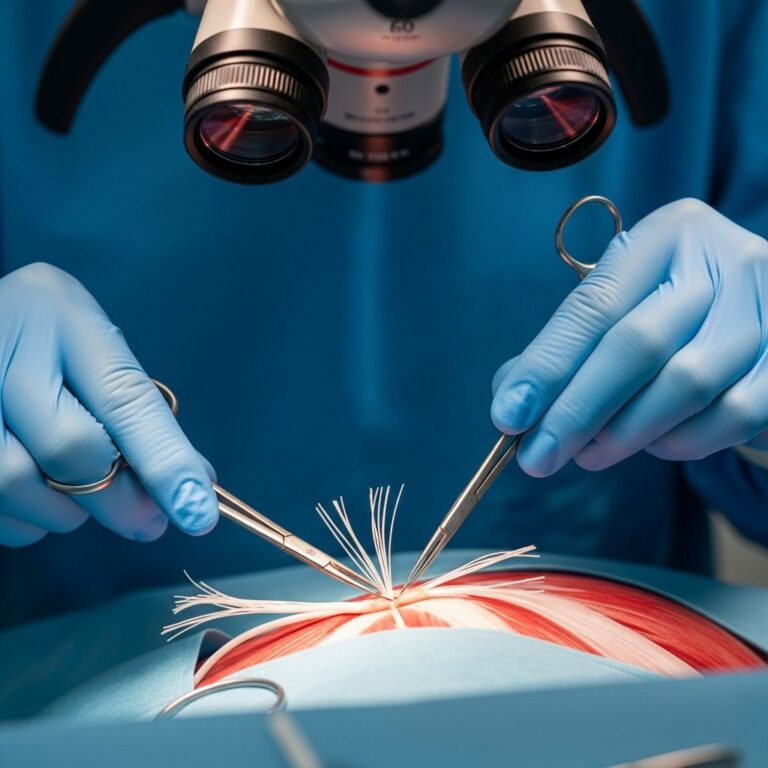
Selection depends on lesion type and depth; ablative lasers remove outer skin precisely.
Understanding Skin Cancer Basics
Early detection relies on terminology.
- Basal Cell Carcinoma: Slow-growing, pearly nodules.
- Squamous Cell Carcinoma: Scaly, red patches.
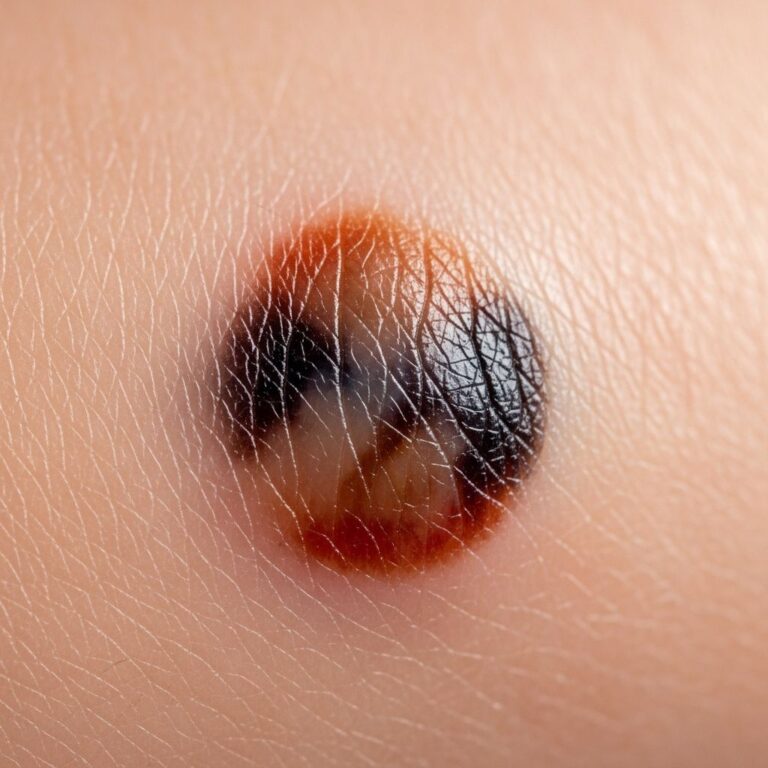
- Melanoma: Aggressive from melanocytes.
Regular exams prevent progression; sun exposure is primary risk.
FAQs: Dermatology Terms Clarified
What is the difference between a macule and a papule?
A macule is flat and non-raised, while a papule is elevated and solid.
How does contact dermatitis differ from atopic?
Contact is exposure-triggered; atopic is chronic and genetic.
Can lichenification be reversed?
Yes, with treatment of underlying itch and moisturization.
What causes hives (urticaria)?
Allergic reactions releasing histamine.
Is cystic acne treatable without scarring?
Early intervention with topicals or oral meds minimizes scars.
Navigating Your Dermatology Visit
Armed with these terms, patients can better describe symptoms. Note lesion size, color, texture, and evolution. Collaborate on management plans tailored to your profile.
For persistent issues, consult a board-certified dermatologist. Consistent skincare, sun protection, and trigger avoidance enhance outcomes.
References
- Glossary of Terms | Dermatology Associates of Atlanta, GA — Dermatology Associates of Atlanta. Accessed 2026. https://dermatlanta.com/glossary/
- Dermatology Glossary of Terms – Robert M. Miller, M.D. — Robert M. Miller, M.D. Accessed 2026. http://www.robertmillermd.com/derma_glossary.html
- Glossary of Dermatology Terms – CSPA — Canadian Skin Patient Alliance. Accessed 2026. https://www.canadianskin.ca/education/glossary-of-dermatology-terms
- Dermatology Dictionary — Primary Care Dermatology Society. Accessed 2026. https://www.pcds.org.uk/dermatology-dictionary
- Dermatology Exam: Learning the Language | Stanford Medicine 25 — Stanford Medicine. Accessed 2026. https://med.stanford.edu/stanfordmedicine25/the25/dermatology.html
- Description of Skin Lesions – Dermatologic Disorders – Merck Manuals — Merck Manuals (Professional Version). Accessed 2026. https://www.merckmanuals.com/professional/dermatologic-disorders/approach-to-the-dermatologic-patient/description-of-skin-lesions
Similar Articles








Read full bio of medha deb