Ovarian Cysts: Essential Facts, Symptoms, Risk, And Care
Understand ovarian cysts: definitions, types, risks, and when to seek medical care.
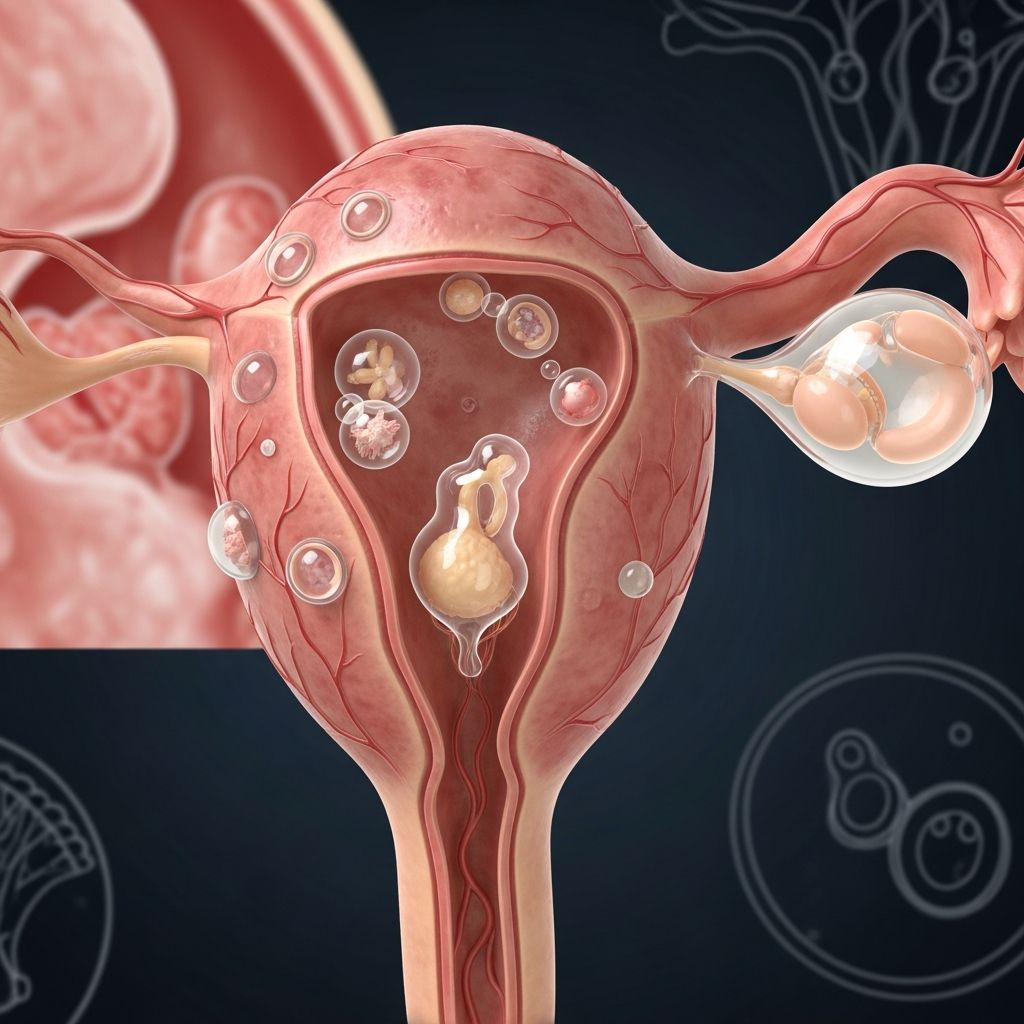
What Is an Ovarian Cyst?
An ovarian cyst is a fluid-filled or solid sac that develops on or inside an ovary. Most ovarian cysts are benign (non-cancerous) and form as a normal part of the menstrual cycle in women of reproductive age. These growths are extremely common, and the vast majority pose no health risk. Understanding what cysts are and how they develop is the first step toward managing your reproductive health with confidence.
Cysts can vary significantly in composition and appearance. Some contain only clear fluid, while others may have solid components, thick walls, or internal debris. This variation in structure is important because it influences how doctors monitor and manage these growths.
How Common Are Ovarian Cysts?
Ovarian cysts are remarkably common, particularly in women of reproductive age. They occur frequently as a normal part of ovulation and menstrual cycle function. Studies show that many women will develop at least one ovarian cyst during their lifetime, yet most never experience complications or require treatment.
The prevalence varies by age group. Cysts are most commonly found in women between 15 and 45 years old, with incidence declining after menopause when the ovaries stop producing follicles. This age-related difference is significant because it affects cancer risk assessment and monitoring recommendations.
Types of Ovarian Cysts
Ovarian cysts fall into two main categories: functional cysts and pathological cysts. Understanding which type you have helps determine appropriate monitoring and treatment.
Functional Cysts
Functional cysts develop as a direct result of normal ovulation and menstrual cycle activity. These cysts typically resolve on their own within one to three months without medical intervention. They are almost always benign and rarely cause complications.
Functional cysts that come and go with menstrual cycles are benign and represent the body’s normal reproductive function. These include follicular cysts, which form when a follicle fails to release an egg, and corpus luteum cysts, which develop after an egg has been released.
Pathological Cysts
Pathological ovarian cysts develop due to abnormal cell growth and have nothing to do with the menstrual cycle. These growths require medical attention and monitoring. Types of pathological cysts include:
- Dermoid cysts: Formed from reproductive cells, these fluid-filled sacs contain tissues such as teeth, skin, hair, and fat. Although harmless in most cases, they can rarely become cancerous.
- Cystadenomas: These include serous and mucinous varieties. Serous cystadenomas have thin walls, while mucinous cystadenomas tend to be larger and contain a gel-like fluid.
- Endometriomas: Cysts composed of endometrial tissue, these growths occur in people with endometriosis and carry special cancer risk considerations.
- Cystadenocarcinomas: These tumors form in the ovary’s glandular tissue and have multiple fluid-filled spaces, demonstrating that not all fluid-filled masses are simple cysts.
Simple Cysts vs. Complex Cysts
The structure of an ovarian cyst—whether it is simple or complex—has important implications for monitoring and cancer risk.
Simple Cysts
Simple cysts are filled with fluid without solid areas and are very unlikely to be cancerous, particularly in young women. On imaging tests, they appear as clear, well-defined, fluid-filled structures with thin walls and minimal internal components. Most simple cysts require no treatment and no special monitoring.
Complex Cysts
Complex cysts have solid areas, dividing walls, or irregular surfaces. While most complex cysts are still benign, they require closer medical attention than simple cysts. Complex cysts may contain debris, thick walls, or mixed solid and cystic features. On ultrasound imaging, tumors often have both cystic and solid components with increased blood flow to internal parts, while benign complex cysts typically show little blood flow.
Related Stories



Symptoms of Ovarian Cysts
Many ovarian cysts cause no symptoms at all and are discovered incidentally during imaging performed for other reasons. However, when symptoms do occur, they may include:
- Pelvic pain or pressure
- Bloating or abdominal distension
- Pain during sexual intercourse
- Irregular menstrual cycles or menstrual abnormalities
- Frequent or urgent urination
- Bowel irregularities
Symptoms typically occur when a cyst ruptures, twists the ovary (ovarian torsion), or grows large enough to cause pressure on surrounding organs. Most of these symptoms are manageable and often resolve as the cyst shrinks or disappears.
Ovarian Cysts vs. Tumors: What’s the Difference?
The primary distinction between ovarian cysts and tumors lies in their composition and cellular characteristics. While cysts are typically fluid-filled sacs, tumors can be solid, cystic, or mixed. This distinction matters because it affects surveillance recommendations and cancer risk assessment.
A key differentiating factor is that tumors have their own blood supply, which can be detected on ultrasound imaging. Malignant tumors often display irregular borders, complex internal echoes, and increased blood flow. In contrast, benign cysts usually show little to no internal blood flow.
It is important to note that not all tumors are cancerous. Many ovarian tumors are benign, but because they can be either benign or malignant, they typically require closer examination by a healthcare team.
Cancer Risk: How Often Are Ovarian Cysts Cancerous?
One of the most common concerns about ovarian cysts is whether they can become cancerous. The good news is reassuring: the vast majority of ovarian cysts are benign.
Risk by Age and Cyst Type
For women of reproductive age, less than 1% of ovarian cysts are found to be malignant. This extremely low rate means that most women with cysts will never develop ovarian cancer from that cyst.
However, cancer risk increases with age. After menopause, when the ovary stops producing follicles, the possibility that a cyst may be cancer is higher. Postmenopausal women with complex cysts face elevated risk: in one study, approximately 6.5% of postmenopausal women with complex cysts were diagnosed with ovarian cancer within three years. Another study found the risk to be between 0.4% and 6.6%. While these numbers are higher than the risk for simple cysts, they still indicate that most complex cysts are not cancerous.
Special Risk Factors
Certain conditions increase ovarian cancer risk in people with cysts. Endometriomas (cysts that form in people with endometriosis) can significantly increase cancer risk: up to 2-3 times higher in general, and those with severe endometriosis face up to 10 times greater risk of ovarian cancer.
Ovarian Cysts vs. Fibroids
Ovarian cysts and uterine fibroids are sometimes confused because they can appear similar on imaging tests. However, they are distinct conditions with different locations, compositions, and symptom profiles.
| Characteristic | Ovarian Cyst | Fibroid |
|---|---|---|
| Location | Forms on or in the ovaries | Develops in or on the uterus |
| Composition | Usually fluid-filled | Solid muscle and fibrous tissue |
| Primary Symptoms | Pelvic pain or pressure | Heavy menstrual bleeding |
| Cancer Risk | Possible but rare | Non-cancerous (benign) |
Diagnosis: How Are Ovarian Cysts Detected?
Most ovarian cysts are discovered during imaging performed for other reasons, such as pelvic ultrasound for gynecological concerns. Imaging techniques used to diagnose and characterize ovarian cysts include:
- Transvaginal ultrasound: This is the primary imaging tool for evaluating ovarian cysts, offering detailed images of ovarian structures. Three-dimensional transvaginal ultrasound with power Doppler imaging can help clinicians differentiate between benign cysts and ovarian cancer by assessing blood flow patterns.
- Pelvic MRI: MRI scans create detailed images that help distinguish between different types of cysts and identify features suggestive of malignancy. Functional cysts on MRI show less fat and more water or fluid content.
- CT scanning: Sometimes used for further evaluation when ultrasound or MRI findings are inconclusive.
- Blood tests: CA-125 and other tumor markers may be measured, particularly in postmenopausal women or those with complex cysts.
Monitoring and Follow-Up Care
The approach to monitoring ovarian cysts depends on several factors: your age, menopausal status, cyst characteristics, and presence of symptoms.
- Simple cysts in premenopausal women: Usually require no follow-up imaging if they have typical benign features.
- Complex cysts: Typically require follow-up ultrasound imaging at intervals to monitor for changes.
- Postmenopausal women: Even simple cysts may warrant follow-up, as cancer risk is higher after menopause.
- Persistent cysts: Those that persist beyond a few menstrual cycles may require surgery for diagnosis and treatment.
Treatment Options for Ovarian Cysts
Most ovarian cysts do not require treatment and resolve on their own. However, when intervention is necessary, options include:
- Watchful waiting: Regular monitoring through imaging to ensure the cyst is not growing or changing.
- Hormonal contraceptives: Birth control pills may help prevent new cyst formation by regulating ovulation.
- Pain management: Over-the-counter or prescription medications to manage discomfort.
- Surgical intervention: Cystectomy (cyst removal) or ovariectomy (ovary removal) if the cyst is large, persistent, symptomatic, or suspicious for malignancy. Surgical options include laparoscopic or open procedures, depending on clinical circumstances.
When Should You Seek Medical Attention?
While most ovarian cysts are harmless, you should consult a healthcare provider if you experience:
- Severe or persistent pelvic pain
- Symptoms that worsen despite over-the-counter pain relief
- Signs of ovarian torsion (severe sudden pain, nausea, vomiting)
- An ovarian cyst discovered after menopause
- A complex cyst noted on imaging
- Symptoms suggestive of ovarian cancer (persistent bloating, early satiety, urinary urgency, weight loss)
Key Takeaways About Ovarian Cysts
Understanding ovarian cysts empowers you to make informed decisions about your health:
- Most ovarian cysts are benign and resolve without treatment
- Simple, fluid-filled cysts are very unlikely to be cancerous
- Cancer risk is higher for complex cysts and in postmenopausal women
- Regular imaging monitoring is appropriate for certain cysts
- Many cysts cause no symptoms and require no intervention
- Persistent or suspicious cysts should be evaluated by a healthcare provider
- An ovarian cyst alone does not mean you have ovarian cancer
Frequently Asked Questions
Q: Can an ovarian cyst turn into ovarian cancer?
A: An ovarian cyst won’t always lead to ovarian cancer. While most cysts are benign, certain types—such as complex cysts or those associated with endometriosis—carry slightly elevated cancer risk, particularly in postmenopausal women. Regular monitoring is recommended for these higher-risk cysts.
Q: Should I have surgery if I have an ovarian cyst?
A: Most ovarian cysts do not require surgery. Surgery is typically recommended only if the cyst is large, persistent, symptomatic, suspicious for malignancy, or causing complications like ovarian torsion. Your healthcare provider will help determine if surgery is appropriate for your situation.
Q: What’s the difference between an ovarian cyst and a tumor?
A: Cysts are typically fluid-filled sacs, while tumors can be solid, cystic, or mixed. Tumors have their own blood supply, detectable on ultrasound, and may have irregular borders. Not all tumors are cancerous, but tumors generally require closer medical examination than benign cysts.
Q: Are ovarian cysts more common before or after menopause?
A: Ovarian cysts are more common before menopause as they are related to ovulation. An ovarian cyst after menopause is more likely to be cancerous than one occurring before menopause, which is why postmenopausal women with cysts require closer monitoring.
Q: Can ovarian cysts affect fertility?
A: Most ovarian cysts do not affect fertility. Functional cysts that are part of normal ovulation typically have no impact on your ability to conceive. However, certain conditions like endometriomas or large cysts may affect fertility, and this should be discussed with your reproductive endocrinologist.
References
- Ovarian Cyst vs. Tumor: Understanding the Crucial Differences — Not These Ovaries. Accessed 2025. https://www.nottheseovaries.org/ovarian-cyst-vs-tumor/
- Ovarian Cancer vs Ovarian Cyst: Symptoms & Types — HCG Oncology. Accessed 2025. https://www.hcgoncology.com/blog/ovarian-cancer-vs-ovarian-cysts/
- Ovarian Cysts vs Cancer: Symptoms, Risk & Treatment — Ovarian Cancer Research Alliance (OCRA). Accessed 2025. https://ocrahope.org/news/science-made-simple-ovarian-cysts-and-ovarian-cancer/
- Ovarian Cyst vs. Ovarian Cancer: Differences on MRI Scans — MyOvarianCancerTeam. Accessed 2025. https://www.myovariancancerteam.com/resources/ovarian-cyst-vs-ovarian-cancer-differences-on-mri-scans
- Ovarian Cyst vs. Ovarian Cancer: What’s the Difference? — Dana-Farber Cancer Institute. December 2023. https://blog.dana-farber.org/insight/2023/12/ovarian-cyst-vs-ovarian-cancer-whats-the-difference/
- PCOS, Endometriosis, and Ovarian Cysts: Ovarian Cancer Risk — Ovarian Cancer Research Alliance (OCRA). Accessed 2025. https://ovarian.org/teal-talk-pcos-endometriosis-ovarian-cysts-ovarian-cancer-risk/
- Assessing Ovarian Cyst vs. Ovarian Cancer on Ultrasound — Voluson Club. Accessed 2025. https://www.volusonclub.net/empowered-womens-health/ovarian-cyst-vs-ovarian-cancer-seeing-the-difference-with-ultrasound/
Similar Articles








Read full bio of Sneha Tete