First Aid Kit Guide: Complete Checklist And Maintenance Tips
Build a comprehensive first aid kit to handle emergencies at home, work, or outdoors with expert-recommended supplies and organization tips.
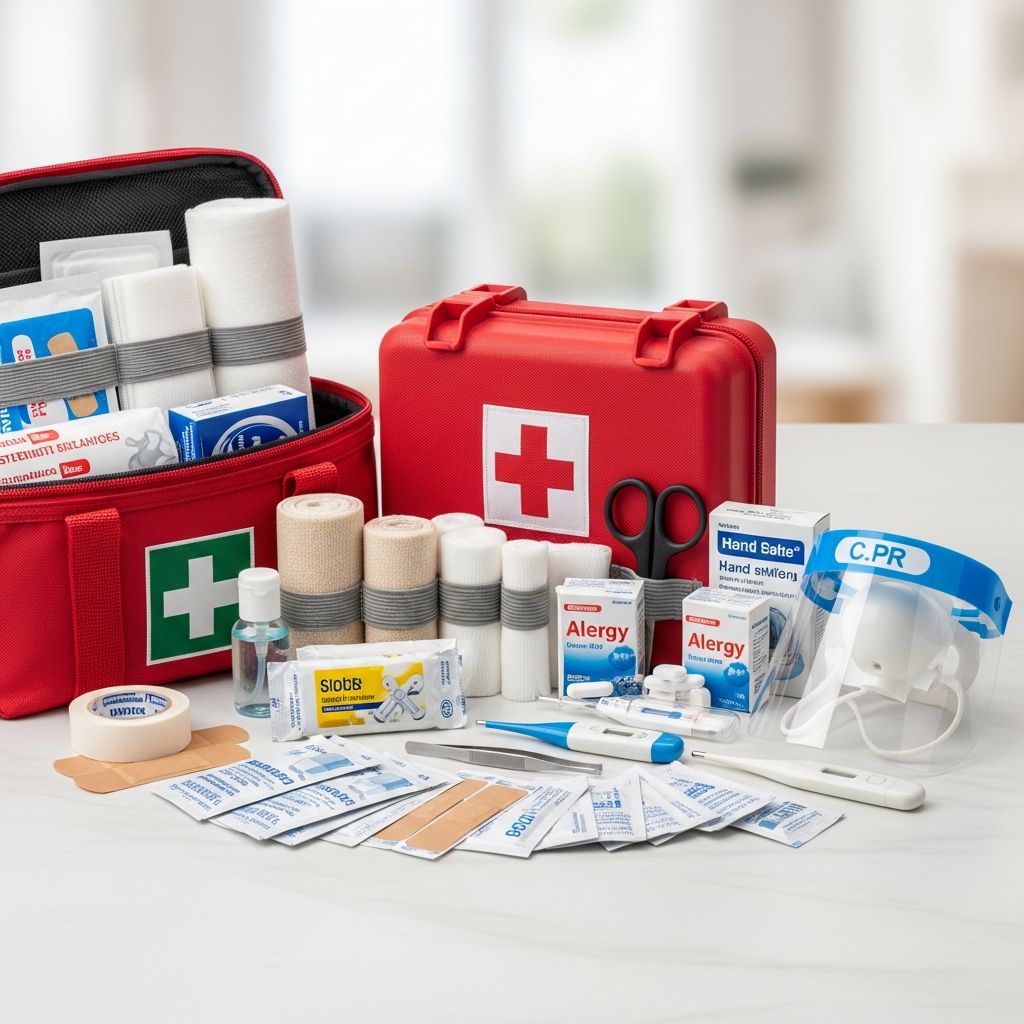
Having a well-stocked first aid kit can make the difference between a minor incident and a serious health issue. This guide outlines key components, customization strategies, and maintenance practices to ensure you’re ready for everyday mishaps or unexpected crises. Drawing from authoritative recommendations, it covers supplies for wound care, pain management, and emergency response.
Why Every Household Needs a First Aid Kit
First aid kits serve as the frontline defense against injuries ranging from cuts and burns to allergic reactions and sprains. They empower individuals to provide immediate care, stabilizing conditions until professional help arrives. According to health experts, a properly equipped kit reduces complication risks and promotes faster recovery.
Beyond homes, kits are crucial for vehicles, workplaces, and outdoor adventures. Families with children, elderly members, or chronic conditions benefit most, as tailored contents address specific vulnerabilities. Regular preparation fosters confidence and quick action in stressful situations.
Core Supplies for Wound Care and Cleaning
The foundation of any kit focuses on treating cuts, scrapes, and abrasions promptly to prevent infection.
- Adhesive bandages in assorted sizes for securing small wounds. Fabric versions adhere better during movement.
- Sterile gauze pads (3×3 and 4×4 inches) for larger injuries or applying pressure to control bleeding.
- Medical adhesive tape and elastic wraps to hold dressings in place without restricting circulation.
- Antiseptic wipes or solution (BZK-based preferred over alcohol for less tissue damage) to clean wounds effectively.
- Antibiotic ointment packets to protect against bacterial growth post-cleaning.
These items form 40-50% of a basic kit, emphasizing hygiene and coverage as primary goals.
Medications and Topical Treatments
Pain relief and itch control extend a kit’s utility for common ailments.
| Item | Purpose | Quantity Suggestion |
|---|---|---|
| Pain relievers (ibuprofen, acetaminophen) | Reduce inflammation, fever, and discomfort | 20-40 tablets |
| Antihistamines (diphenhydramine) | Treat allergies, bites, or mild reactions | 10-20 doses |
| Hydrocortisone cream | Soothe rashes, insect bites, or minor burns | 2-4 packets |
| Anti-diarrheal or antacids | Manage digestive upset | 8-12 doses |
Include personal prescriptions like epinephrine auto-injectors if applicable. Store in original packaging with expiration dates visible.
Tools and Diagnostic Essentials
Practical instruments enable precise interventions.
- Tweezers and scissors (blunt-tip paramedic shears ideal) for splinter removal and cutting tape.
- Non-latex gloves (nitrile preferred) to prevent cross-contamination.
- Thermometer (digital, non-mercury) for fever monitoring.
- Cold packs (instant disposable) for swelling reduction.
- Safety pins and triangular bandages for slings or securing wraps.
Advanced tools like splints or irrigation syringes suit extended kits for remote areas.
Customizing for Specific Environments
Home and Family Kits
For households, prioritize child-sized bandages, calamine lotion for chickenpox, and extra medications. Add medical consent forms and insurance details in a waterproof pouch. Aim for multiple kits: one per floor and in the car.
Vehicle Emergency Kit
Roadside kits need blankets, road flares, and a flashlight alongside basics. Focus on hypothermia prevention with space blankets.
Outdoor and Adventure Kits
Hikers require blister treatments, hemostatic gauze for heavy bleeding, and insect repellent. Lightweight, waterproof containers preserve integrity. Include a CPR barrier and rehydration salts for prolonged exposure.
Related Stories



Building and Organizing Your Kit
Select a durable, portable container like a plastic box or soft-sided bag with clear compartments. Categorize contents: wound care in one section, meds in another, tools in a third. Label everything for rapid access.
- Gather items from pharmacies or online suppliers.
- Check expiration dates upon assembly.
- Test tools like scissors for sharpness.
- Add a first aid manual or laminated instruction cards.
Digital apps with checklists complement physical kits for inventory tracking.
Maintenance and Inspection Routines
Inspect kits every 3-6 months or post-use. Replace expired items, replenish consumables, and verify battery-operated devices. Teach family members locations and basic usage through drills.
For workplaces, comply with OSHA guidelines by posting kit locations and training staff. Seasonal checks before travel or camping ensure relevance.
Common Mistakes to Avoid
- Overloading with unnecessary items, making kits bulky.
- Ignoring allergies to latex or medications.
- Forgetting non-medical essentials like a notepad for symptom logging.
- Storing in inaccessible spots like high shelves.
Balance comprehensiveness with portability for effectiveness.
Training to Maximize Kit Effectiveness
Supplies alone aren’t enough; pair with certification in CPR, AED use, and basic first aid from organizations like the Red Cross. Practice scenarios build muscle memory, turning panic into protocol.
Frequently Asked Questions
How often should I replace first aid kit items?
Check every three months and immediately after use. Prioritize meds and ointments with short shelf lives.
What’s the difference between basic and comprehensive kits?
Basic covers cuts and pain; comprehensive adds splints, advanced meds, and tools for severe trauma.
Can I use household items in place of kit supplies?
Avoid unsterile substitutes; dedicated items ensure safety and efficacy.
Are first aid kits required by law?
Workplaces often mandate them per OSHA; homes benefit voluntarily for safety.
How do I store a kit for travel?
Use TSA-compliant bags, separating liquids like saline. Keep accessible in carry-ons.
References
- First Aid Kit Checklist — Santa Clara County Fire Department. 2023. https://www.sccad.com/news-safety-programs/safety-resources/first-aid-kit-checklist/
- First-aid kits: Stock supplies that can save lives — Mayo Clinic. 2024-02-01. https://www.mayoclinic.org/first-aid/first-aid-kits/basics/art-20056673
- First Aid Kit Checklist — REI Co-op. 2025. https://www.rei.com/learn/expert-advice/first-aid-checklist.html
- 12 Key Items for First Aid Kits — Brown University Health. 2024. https://www.brownhealth.org/be-well/12-key-items-first-aid-kits
- A Comprehensive Guide on Assembling a First Aid Kit — SafetyCulture. 2024-06-15. https://marketplace.safetyculture.com/us/blog/how-to-assemble-a-first-aid-kit
- Make a First Aid Kit | Supplies & Contents — American Red Cross. 2025-01-10. https://www.redcross.org/get-help/how-to-prepare-for-emergencies/anatomy-of-a-first-aid-kit.html
- Like Your Life Depends on It: Building Your First Aid Kit — Washington Trails Association. 2024. https://www.wta.org/go-outside/trail-smarts/like-your-life-depends-on-it-building-your-first-aid-kit
Similar Articles








Read full bio of medha deb