Are You Getting Essential Nutrients From Your Diet?
Learn how to ensure your diet provides all critical micronutrients for optimal health.
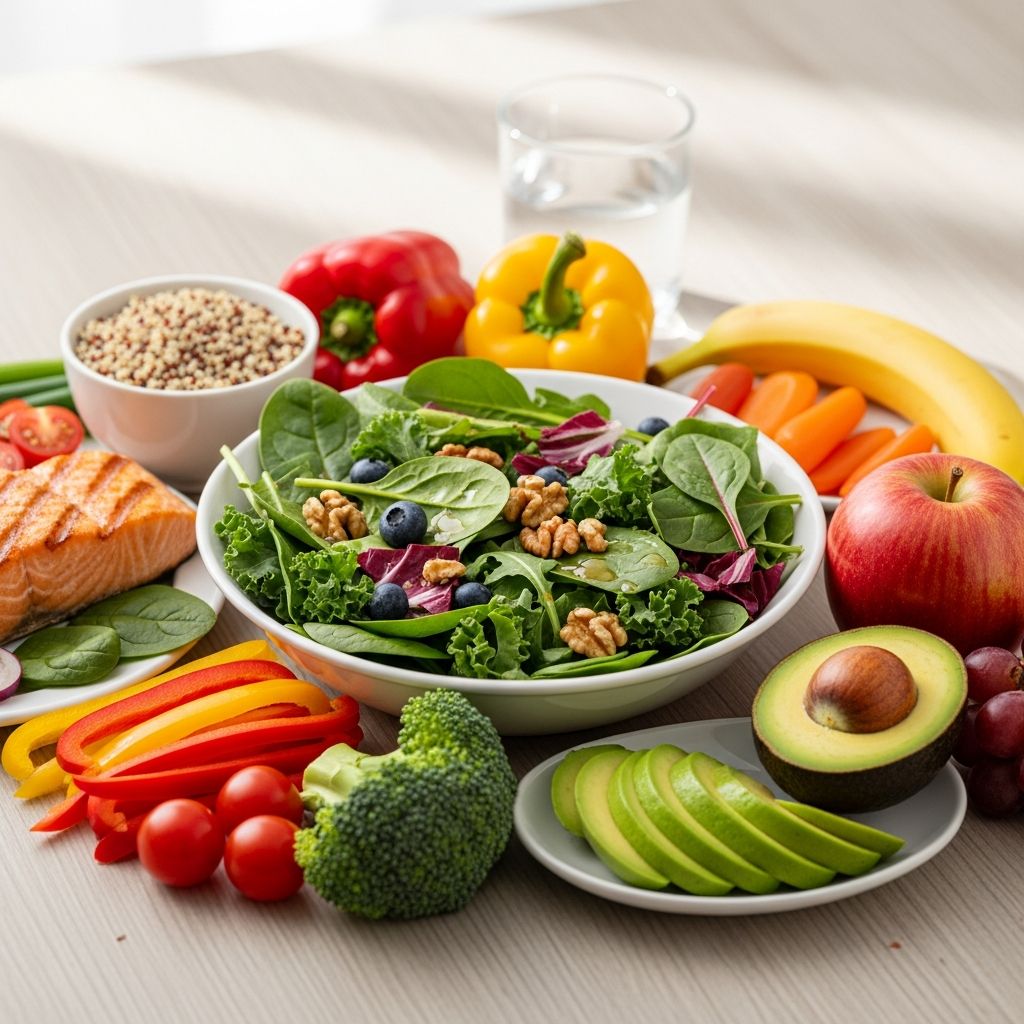
In today’s world of convenient processed foods and busy lifestyles, many people struggle to consume adequate amounts of essential nutrients. A groundbreaking study by researchers from Harvard T.H. Chan School of Public Health, UC Santa Barbara, and the Global Alliance for Improved Nutrition (GAIN) reveals a concerning reality: over half of the global population does not consume sufficient amounts of key micronutrients such as calcium, iron, and vitamins C and E. Understanding which nutrients your body needs and how to obtain them from food is crucial for maintaining optimal health and preventing chronic disease.
Micronutrient deficiencies represent one of the most common forms of malnutrition globally, yet they often go unrecognized in developed nations. Each deficiency carries distinct health consequences, ranging from adverse pregnancy outcomes and vision problems to increased susceptibility to infectious diseases. The question “Are you getting essential nutrients from your diet?” deserves serious consideration, regardless of your age, lifestyle, or dietary choices.
Understanding Essential Micronutrients
Essential micronutrients are vitamins and minerals that your body requires in small quantities but cannot produce on its own. These compounds play critical roles in energy production, immune function, bone health, cognitive development, and disease prevention. The Harvard-led research evaluated fifteen key micronutrients: calcium, iodine, iron, riboflavin, folate, zinc, magnesium, selenium, thiamin, niacin, and vitamins A, B6, B12, C, and E.
The Global Micronutrient Crisis
The scope of global micronutrient deficiency is staggering. Research indicates that inadequate intake was especially prevalent for iodine (68% of the global population), vitamin E (67%), calcium (66%), and iron (65%). More than half of people worldwide consumed inadequate levels of riboflavin, folate, and vitamins C and B6. These statistics paint a troubling picture of widespread nutritional inadequacy that transcends income levels and geographic boundaries.
Interestingly, some micronutrients showed better outcomes. Niacin intake was closest to sufficient globally, with only 22% of the population consuming inadequate levels, followed by thiamin (30%) and selenium (37%). However, even these “better” statistics demonstrate that significant portions of humanity are not meeting their nutritional needs.
Regional and Gender Differences in Nutrient Intake
Micronutrient deficiencies are not distributed equally across populations. Research reveals important gender disparities in nutrient consumption patterns. Estimated inadequate intakes were higher for women than men for iodine, vitamin B12, iron, and selenium within the same country and age groups. Conversely, more men consumed inadequate levels of calcium, niacin, thiamin, zinc, magnesium, and vitamins A, C, and B6.
Age also plays a significant role in micronutrient adequacy. Males and females ages 10-30 were most prone to low levels of calcium intake, especially in South and East Asia and sub-Saharan Africa. Calcium intake was also low across North America, Europe, and Central Asia, suggesting that this deficiency is a global concern affecting multiple demographics and regions.
Key Essential Nutrients and Their Functions
To effectively address nutritional deficiencies, understanding what each micronutrient does and where to find it is essential. Here’s a comprehensive overview:
Calcium
Calcium is fundamental for building and maintaining strong bones and teeth, regulating muscle contractions, and supporting nerve function. The recommended daily intake for most adults is 1,000-1,200 mg, though requirements increase with age. Calcium-rich sources include dairy products like milk, yogurt, and cheese; leafy greens such as kale and broccoli; and fortified plant-based alternatives. Given that 66% of the global population has inadequate calcium intake, ensuring sufficient consumption is critical.
Related Stories



Iron
Iron is essential for transporting oxygen throughout the body via hemoglobin in red blood cells. There are two types: heme iron (from animal sources) and non-heme iron (from plant sources). Heme iron is more readily absorbed by the body. Good sources include lean meat, poultry, fish, beans, lentils, and fortified cereals. Women of reproductive age require 18 mg daily, while men need 8 mg. The high prevalence of iron deficiency (65% globally) makes this nutrient particularly important to monitor.
Vitamin D
Vitamin D regulates calcium absorption and is crucial for bone health, immune function, and mood regulation. While your skin produces vitamin D when exposed to sunlight, many people don’t get enough sun exposure. Dietary sources include fatty fish (salmon, mackerel), egg yolks, and fortified milk. Supplementation is often recommended, particularly for those in northern climates or with limited sun exposure.
B Vitamins
The B vitamin complex includes thiamin (B1), riboflavin (B2), niacin (B3), B6, B12, and folate. These vitamins are essential for energy production, brain function, and cell division. B12 is particularly important as it’s primarily found in animal products, making supplementation necessary for vegans and vegetarians. Whole grains, legumes, leafy greens, meat, and fortified cereals are excellent B vitamin sources. The prevalence of inadequate B vitamin intake, particularly for riboflavin and folate, indicates that many people need to increase their consumption.
Vitamin C
Vitamin C supports immune function, collagen production, and wound healing while acting as a powerful antioxidant. Citrus fruits, berries, bell peppers, broccoli, and tomatoes are rich sources. Unlike some nutrients, vitamin C cannot be stored in the body, so daily intake is necessary. With 67% of the global population having inadequate vitamin C intake, increasing consumption of fresh produce is important.
Vitamin E
Vitamin E protects cells from oxidative damage and supports immune function. Nuts, seeds, vegetable oils, and leafy greens provide this fat-soluble vitamin. The widespread vitamin E deficiency (affecting 67% globally) may reflect limited consumption of nuts and seeds in many diets.
Minerals: Zinc, Magnesium, and Selenium
Zinc supports immune function and wound healing. Magnesium regulates muscle and nerve function, energy production, and sleep quality. Selenium acts as an antioxidant and supports thyroid function. These minerals are found in nuts, seeds, whole grains, legumes, meat, and seafood. Adequate intake of these minerals is associated with better overall health outcomes.
Building a Balanced, Nutrient-Dense Diet
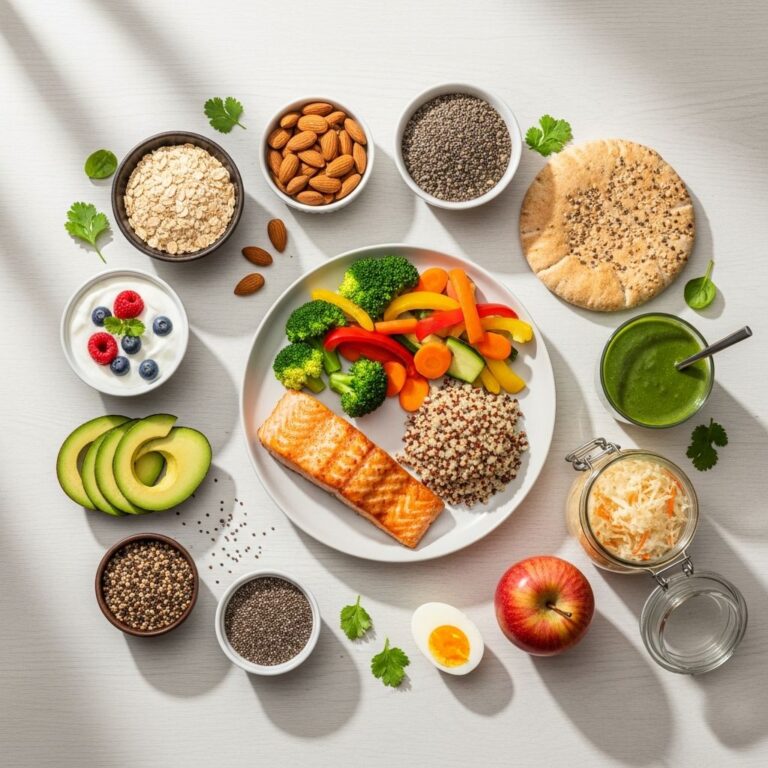
The Harvard Healthy Eating Plate provides an evidence-based framework for consuming essential nutrients. This visual guide emphasizes proportions and food quality, making it easier to construct nutritionally adequate meals.
Make Half Your Plate Vegetables and Fruits
Aim for color and variety, as different colored produce provides different nutrients. Include dark leafy greens (spinach, kale), orange vegetables (carrots, sweet potatoes), red produce (tomatoes, peppers), and cruciferous vegetables (broccoli, cauliflower). Potatoes and French fries should be limited due to their negative impact on blood sugar regulation. This recommendation helps ensure adequate intake of vitamins C, folate, and potassium.
Go for Whole Grains (¼ of Your Plate)
Choose whole and intact grains such as whole wheat, barley, wheat berries, quinoa, oats, and brown rice rather than refined grains. Whole grains have a milder effect on blood sugar and insulin levels compared to white bread and white rice. They also provide more fiber, B vitamins, and minerals. A 14-year cohort study with over 367,000 participants showed that those who ate the most whole grains had a 17% lower all-cause mortality risk. This simple dietary swap can significantly improve your nutritional status.
Choose Healthy Protein Sources
Harvard recommends choosing fish, poultry, beans, and nuts while limiting red meat and cheese and avoiding bacon, cold cuts, and other processed meats. Fatty fish like salmon and mackerel provide omega-3 fatty acids crucial for heart and brain health. Plant-based proteins such as legumes and nuts offer fiber and beneficial phytochemicals. Research shows that plant protein is associated with lower mortality risk by 36%, while fish protein actually reduces mortality risk. The protein portion should be slightly larger than recommendations suggest, typically around 1.2 g/kg of ideal body weight daily, with emphasis on plant-based and fatty fish sources.
Include Healthy Fats
Monounsaturated and polyunsaturated fats from vegetable oils, nuts, seeds, whole grains, and fish—especially polyunsaturated omega-3 fatty acids—are important components of a healthy diet and essential for cardiac health. Eating polyunsaturated fats in place of saturated and trans fats lowers harmful LDL cholesterol, elevates protective HDL cholesterol, improves insulin sensitivity, and stabilizes heart rhythms. Limit saturated fats and avoid trans fats entirely.
Limit Refined Grains, Sugar, and Salt
Refined grains strip away fiber, vitamins, and nutrients. A fiber meta-analysis found that high-fiber diets reduced all-cause and cardiovascular death by 15–30%. Additionally, eating just 14 g more fiber per day led to a 10% drop in calorie intake and almost 2 kg of weight loss over 3.8 months. Limit sugary beverages and added sugars, as these contribute to weight gain and chronic disease risk.
Addressing Gender-Specific Nutrient Needs
Different life stages and sexes have varying micronutrient requirements. Women of reproductive age require more iron (18 mg daily) due to menstrual losses. Pregnant and lactating women need additional calories, protein, calcium, iron, folate, and iodine. Postmenopausal women require increased vitamin D and calcium intake to protect against osteoporosis. Men generally require less iron (8 mg daily) but need adequate protein, zinc, and selenium for reproductive health. Taking these differences into account when planning meals ensures that everyone in your household receives appropriate nutrition.
Supplementation as a Safety Net
While obtaining nutrients from whole foods is ideal, supplementation can serve as a nutritional safety net. A multivitamin with folic acid and extra vitamin D is recommended as a basic supplement for many people, particularly those with dietary restrictions, limited sun exposure, or specific health conditions. However, supplements should complement, not replace, a healthy diet. Certain nutrients are better absorbed from food sources due to the presence of co-factors and improved bioavailability.
Special Considerations for Different Life Stages
Nutritional needs vary across the lifespan. Children and adolescents require adequate nutrients for growth and development, particularly calcium, iron, and vitamin D. Young adults transitioning to independent living may not have developed cooking skills or knowledge to prepare nutrient-dense meals. Pregnant and nursing mothers have dramatically increased micronutrient needs. Older adults may have decreased appetite and ability to absorb certain nutrients, requiring attention to nutrient density. Understanding your life stage requirements helps ensure you’re meeting all essential nutrient needs.
Practical Tips for Optimizing Your Nutrient Intake
Plan Meals Around Nutrient Density: Focus on foods that provide more nutrients per calorie rather than empty-calorie processed foods. Whole foods—fruits, vegetables, whole grains, legumes, nuts, seeds, and lean proteins—are naturally nutrient-dense.
Eat a Rainbow: Different colored foods provide different nutrients. Aim to consume a variety of colors throughout the week to ensure you’re getting a broad spectrum of vitamins, minerals, and phytonutrients.
Read Nutrition Labels: Understanding how to read and interpret nutrition labels helps you identify nutrient-rich choices and avoid products high in added sugars, sodium, and unhealthy fats.
Consider Your Dietary Restrictions: Vegetarians and vegans need to pay particular attention to vitamin B12, iron, zinc, and omega-3 fatty acids. Those with dairy allergies should ensure adequate calcium and vitamin D from alternative sources.
Stay Hydrated: Adequate water intake supports nutrient transport and overall health. Most adults should aim for 8-10 glasses daily, adjusting for activity level and climate.
Limit Processed Foods: Ultra-processed foods are often nutrient-poor despite being calorie-rich. Minimizing these foods automatically increases nutrient density of your diet.
Testing for Nutrient Deficiencies
If you suspect you may have micronutrient deficiencies, blood tests can detect levels of various vitamins and minerals. Common deficiencies that can be tested include vitamin B12, vitamin D, iron, and folate. Discuss with your healthcare provider whether screening is appropriate based on your dietary habits, health conditions, and symptoms. Early detection of deficiencies allows for timely intervention through diet modification or supplementation.
Frequently Asked Questions
Q: How can I tell if I’m getting enough essential nutrients?
A: Pay attention to your energy levels, mood, skin health, immune function, and overall well-being. Persistent fatigue, hair loss, poor wound healing, or frequent infections may indicate nutrient deficiencies. A healthcare provider can order blood tests to assess specific micronutrient levels if you’re concerned.
Q: Are supplements necessary if I eat a balanced diet?
A: Most people can obtain adequate nutrients from a well-planned diet emphasizing whole foods. However, certain populations benefit from supplementation, including pregnant women, vegans/vegetarians, older adults, and those with specific health conditions. A multivitamin with extra vitamin D serves as a reasonable nutritional safety net for many people.
Q: What are the best food sources for each major micronutrient?
A: Calcium comes from dairy, leafy greens, and fortified products. Iron comes from meat, poultry, beans, and lentils. Vitamin D comes from fatty fish, egg yolks, and fortified milk. B vitamins come from whole grains, legumes, and meat. Vitamin C comes from citrus fruits, berries, and peppers. Healthy fats come from nuts, seeds, oils, and fatty fish.
Q: Can children and teenagers get adequate nutrients from modern diets?
A: Children and teenagers can get adequate nutrients, but their dietary choices matter significantly. Growing bodies require adequate calcium, iron, and protein. Many young people consuming processed foods may not meet nutritional needs, making parental guidance and education important.
Q: How does cooking method affect nutrient content?
A: Cooking methods impact nutrient retention. Steaming and light sautéing preserve more water-soluble vitamins than boiling. Some nutrients like lycopene in tomatoes actually increase with cooking. Eating a mix of raw and cooked vegetables ensures maximum nutrient intake.
Q: Is organic food more nutrient-dense than conventional?
A: Research shows minimal nutritional differences between organic and conventional produce. The most important factor is consuming adequate amounts of fruits and vegetables, whether organic or conventional. Budget constraints shouldn’t prevent adequate produce consumption.
Q: Can I get all necessary nutrients as a vegan?
A: Yes, but vegans must plan carefully. Particular attention should be paid to vitamin B12 (requiring supplementation or fortified foods), iron, zinc, omega-3 fatty acids, and adequate protein. Working with a nutritionist can help ensure nutritional adequacy.
References
- Global Health Crisis: Over Half the World Lacks Essential Micronutrients — Harvard T.H. Chan School of Public Health, UC Santa Barbara, and GAIN. 2024-08-29. https://scitechdaily.com/global-health-crisis-over-half-the-world-lacks-essential-micronutrients-harvard-study-reveals/
- Harvard Says THIS Is the Healthiest Way to Eat — Dr. Brad Stanfield. 2024. https://drstanfield.com/blogs/articles/harvard-says-this-is-the-healthiest-way-to-eat
- Essentials of Healthy Eating: A Guide — National Institutes of Health, National Center for Biotechnology Information. 2012. https://pmc.ncbi.nlm.nih.gov/articles/PMC3471136/
- Alignment With American Heart Association 2021 Dietary Guidance — American Heart Association. 2021. https://www.ahajournals.org/doi/10.1161/CIR.0000000000001146
- Healthy Eating Plate — Harvard T.H. Chan School of Public Health, The Nutrition Source. 2024. https://nutritionsource.hsph.harvard.edu/healthy-eating-plate/
Similar Articles








Read full bio of Sneha Tete