Iron: A Comprehensive Guide To Benefits, Sources, And Deficiency
Discover the vital role of iron in oxygen transport, energy production, and overall health, plus tips for deficiency prevention.
Iron is an essential mineral that plays a critical role in the production of hemoglobin, the protein in red blood cells responsible for transporting oxygen throughout the body. Adequate iron intake supports energy levels, immune function, and overall vitality, with deficiency potentially leading to iron-deficiency anemia, characterized by fatigue and weakness.
What Is Iron?
Iron is a trace mineral vital for numerous bodily functions, primarily forming hemoglobin and myoglobin, which carry oxygen in blood and muscles. It also supports enzyme activity in energy metabolism and DNA synthesis. The body absorbs only 1-2 mg of iron daily from food, recycling most efficiently, but losses through blood, skin, and urine necessitate regular dietary replenishment.
Why Do We Need Iron?
Iron enables oxygen delivery to tissues, preventing fatigue and supporting physical performance. It aids cognitive development in children, immune response, and temperature regulation. Insufficient iron impairs oxygen transport, causing tiredness, reduced immunity, and developmental delays, particularly in vulnerable groups like pregnant women and infants.
- Essential for hemoglobin production to transport oxygen.
- Supports myoglobin in muscles for oxygen storage.
- Facilitates energy production via enzymes.
- Promotes healthy brain function and growth.
How Much Iron Do We Need?
Recommended Dietary Allowances (RDAs) vary by age, sex, and life stage. Adult men and postmenopausal women need 8 mg daily, while premenopausal women require 18 mg due to menstrual losses. Pregnant women need 27 mg, lactating women 9-10 mg, and children 7-15 mg depending on age.
| Age/Group | RDA (mg/day) |
|---|---|
| Children 1-3 years | 7 |
| Children 4-8 years | 10 |
| Boys 9-13 years | 8 |
| Girls 9-13 years | 8 |
| Men 14-18 years | 11 |
| Women 14-18 years | 15 |
| Adult men | 8 |
| Adult women (19-50) | 18 |
| Pregnant women | 27 |
| Lactating women | 9 |
These values account for bioavailability; plant-based diets may require higher intake as non-heme iron absorbs less efficiently.
Food Sources of Iron
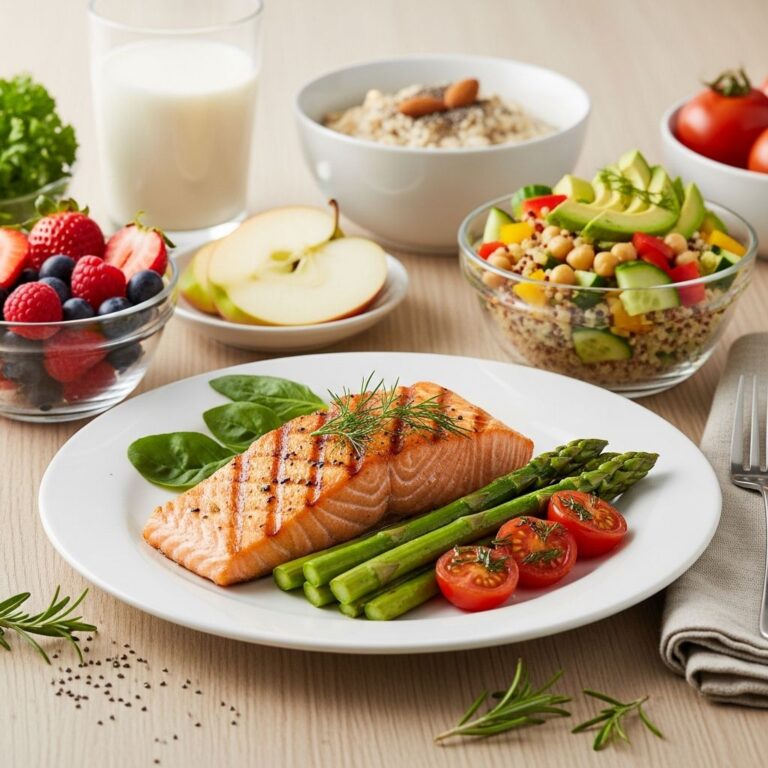
Iron occurs in heme (animal) and non-heme (plant) forms. Heme iron from meat absorbs at 15-35%, non-heme at 2-20%, enhanced by vitamin C and inhibited by phytates, polyphenols, and calcium.
Top Heme Iron Sources
- Beef liver: 5 mg per 3 oz.
- Clams: 23.7 mg per 3 oz.
- Beef: 2.7 mg per 3 oz.
- Chicken: 1.3 mg per 3 oz.
- Tuna: 1.4 mg per 3 oz.
Top Non-Heme Iron Sources
- Lentils: 6.6 mg per cup cooked.
- Spinach: 6.4 mg per cup cooked.
- Tofu: 6.4 mg per 0.5 cup.
- Quinoa: 5.2 mg per cup cooked.
- Fortified cereals: Varies, up to 18 mg per serving.
Pair non-heme sources with vitamin C-rich foods like citrus or peppers to boost absorption.
Iron Deficiency
Iron deficiency arises from inadequate intake, poor absorption, or excessive loss, progressing to anemia if untreated. Risk groups include menstruating women, pregnant individuals, vegetarians, athletes, and children.
Causes
Related Stories



- Blood loss: Heavy periods, GI bleeding, ulcers.
- Increased needs: Pregnancy, growth spurts.
- Poor diet: Low iron intake, especially vegan diets.
- Malabsorption: Celiac disease, gastric bypass.
Symptoms of Iron Deficiency
Early signs are subtle, worsening to anemia with hemoglobin <12 g/dL in women or <13 g/dL in men.
- Tiredness and lack of energy
- Shortness of breath
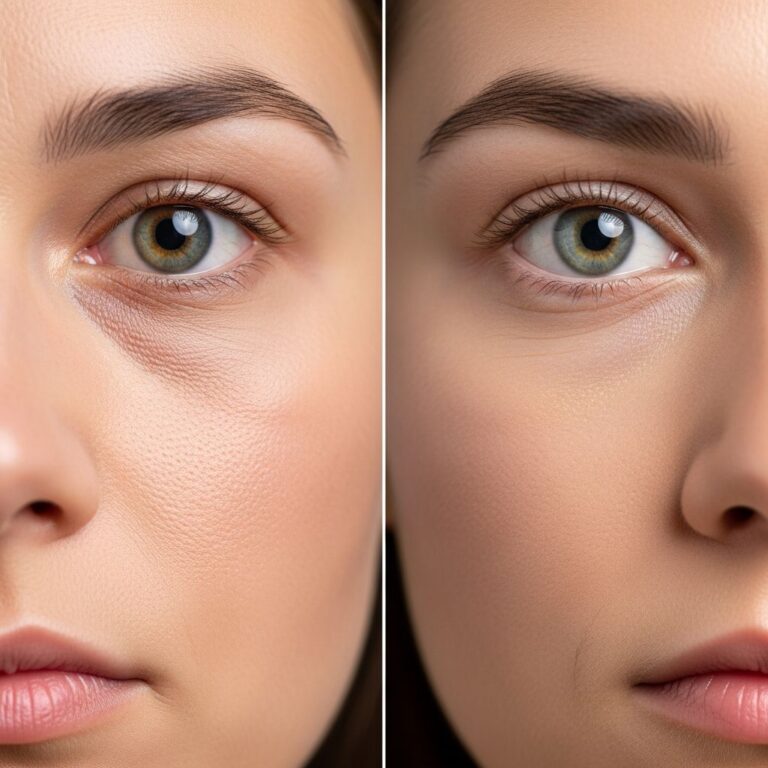
- Pale skin
- Headaches and dizziness
- Heart palpitations
- Pica (craving ice, clay)
- Brittle nails, hair loss
- Restless legs, sore tongue
Iron-Deficiency Anemia
The most common anemia type worldwide, iron-deficiency anemia reduces red blood cell production, impairing oxygen delivery and causing systemic symptoms.
Diagnosis
Blood tests measure hemoglobin, ferritin (iron stores), transferrin saturation. Low ferritin (<30 ng/mL) indicates deficiency even before anemia.
Treatment Options
Treatment targets the cause and replenishes stores, typically 3-6 months.
- Dietary Changes: Emphasize iron-rich foods; avoid inhibitors like tea/coffee with meals.
- Oral Supplements: Ferrous sulfate 325 mg (65 mg elemental iron) 1-3 times daily. Take on empty stomach with vitamin C; side effects include constipation, dark stools.
- IV Iron: For poor oral tolerance, malabsorption, or severe cases. Options: iron sucrose, ferric gluconate; administered in clinic.
- Blood Transfusion: For severe symptomatic anemia or active bleeding; temporary measure.
Monitor response with follow-up tests; continue 3 months post-normalization to refill stores.
Who Is at Risk?
- Women with heavy periods or pregnancy
- Infants and toddlers with rapid growth
- Vegetarians/vegans without planning
- Athletes with high sweat/foot-strike losses
- Individuals with chronic diseases (CKD, IBD)
Special Considerations
Pregnant women need 27 mg/day; supplements often prescribed. Infants: Breast milk sufficient first 6 months, then iron-fortified cereals. Older adults: Check for GI causes. Vegetarians: Double intake, focus on enhancers.
Excess iron risks toxicity; avoid supplements without diagnosis. Hemochromatosis patients limit intake.
Frequently Asked Questions
What are signs of low iron?
Common signs include fatigue, pale skin, shortness of breath, dizziness, and pica. Severe cases show rapid heartbeat and chest pain.
How long do iron supplements take to work?
Improvements in energy may occur in 1-2 weeks, full correction in 2-3 months with consistent use.
Can I get enough iron from food alone?
Yes, with a balanced diet rich in heme and enhanced non-heme sources, but supplements aid deficiency treatment.
Who should avoid iron supplements?
Those without deficiency, as excess can cause organ damage. Always consult a doctor.
Does coffee affect iron absorption?
Yes, tannins in coffee/tea inhibit it; avoid within 1 hour of iron-rich meals or supplements.
References
- How is Iron-Deficiency Anemia Treated? — HOACNY. Accessed 2026. https://www.hoacny.com/iron-deficiency-anemia/how-iron-deficiency-anemia-treated
- Iron deficiency anaemia — NHS. Accessed 2026. https://www.nhs.uk/conditions/iron-deficiency-anaemia/
- Iron-Deficiency Anemia — American Society of Hematology. Accessed 2026. https://www.hematology.org/education/patients/anemia/iron-deficiency
- Iron-Deficiency Anemia: Symptoms, Causes & Treatment — Cleveland Clinic. Accessed 2026. https://my.clevelandclinic.org/health/diseases/22824-iron-deficiency-anemia
- Iron Deficiency Anemia: Symptoms, Diagnosis and Treatment — Nationwide Children’s Hospital. Accessed 2026. https://www.nationwidechildrens.org/conditions/iron-deficiency-anemia
- Iron and iron deficiency — Better Health Channel (Vic.gov.au). Accessed 2026. https://www.betterhealth.vic.gov.au/health/conditionsandtreatments/iron
- Iron deficiency anemia – Diagnosis & treatment — Mayo Clinic. Accessed 2026. https://www.mayoclinic.org/diseases-conditions/iron-deficiency-anemia/diagnosis-treatment/drc-20355040
Similar Articles








Read full bio of Sneha Tete