Essential Tips for Optimal Bladder Wellness
Discover practical strategies to safeguard your bladder health and prevent common issues like infections and incontinence through daily habits.

The bladder plays a crucial role in daily life by storing and expelling urine, but many people overlook its maintenance until problems arise. Maintaining bladder health involves simple lifestyle adjustments that can prevent infections, incontinence, and even reduce cancer risks. This guide draws from reliable health authorities to outline actionable steps for long-term urinary wellness.
Understanding Bladder Function and Common Challenges
Your bladder is a muscular sac that holds urine until it’s time to void, typically 4 to 8 times daily for healthy adults. Disruptions like holding urine too long or poor hydration can weaken its muscles, leading to overactive bladder, urinary tract infections (UTIs), or leakage. Women face higher UTI risks due to shorter urethras, while men may encounter prostate-related issues. Aging, obesity, and smoking exacerbate these problems, but proactive habits can mitigate them significantly.
Statistics highlight the prevalence: UTIs affect millions annually, with recurrence common without prevention. Bladder cancer links strongly to tobacco use, accounting for about half of cases. Early adoption of healthy practices supports not just the bladder but overall urological health.
Hydration: The Foundation of Bladder Care
Adequate fluid intake is paramount for flushing toxins and diluting urine to deter bacterial growth. Health experts recommend 6 to 8 glasses (about 1.5-2 liters) of water daily, spread evenly to avoid overwhelming the bladder.
- Water keeps bladder tissue hydrated and urine less concentrated, reducing irritation.
- Dehydration leads to dark, foul-smelling urine that harbors bacteria, heightening infection odds.
- Aim for consistent sipping rather than gulping large amounts, which can trigger urgency.
Special considerations apply: those with heart conditions should consult physicians for tailored limits. Prioritizing water over other beverages ensures optimal function without excess strain.
Smart Bathroom Routines for Prevention
Regular and complete voiding prevents muscle weakening and bacterial buildup. Go every 3-4 hours or when the urge strikes, avoiding prolonged holding that stresses the bladder.
| Healthy Habit | Frequency | Benefits |
|---|---|---|
| Urinate when needed | 4-8 times/day | Prevents weakening, reduces UTI risk |
| Fully empty bladder | Every void | Avoids residual urine for bacteria |
| Relax during urination | Always | Ensures complete emptying |
For women, wiping front to back post-voiding blocks fecal bacteria from entering the urethra. After intercourse, urinate promptly to expel potential bacteria. Men benefit from similar timeliness to maintain hygiene.
Dietary Choices to Minimize Irritation
Certain foods and drinks act as diuretics or irritants, exacerbating urgency or leakage. Limiting them promotes calmer bladder responses.
- Caffeine and alcohol: Heighten activity; cap coffee/tea at moderate levels.
- Acidic items: Citrus juices, tomatoes, spicy foods inflame the lining.
- Sweeteners and fizz: Artificial types and carbonated drinks provoke symptoms.
- Other culprits: Chocolate, vinegar, high-fructose corn syrup.
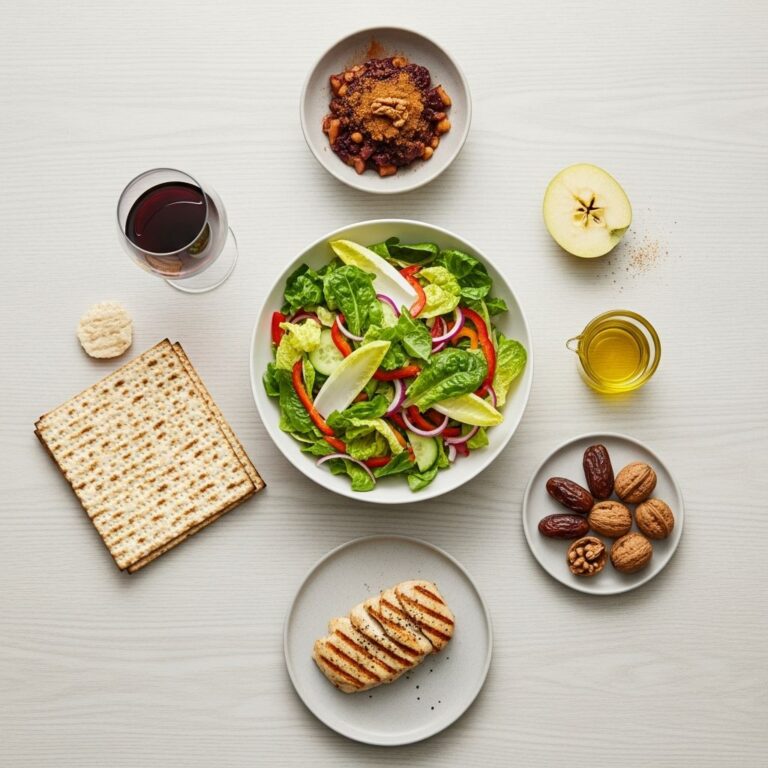
Instead, embrace fiber-rich foods like whole grains, fruits, and vegetables to combat constipation, which pressures the bladder via shared nerves. A balanced diet also curbs obesity, a leakage risk factor.
Related Stories



Strengthening the Pelvic Floor
Pelvic floor muscles (PFM) support the bladder, urethra, and bowels. Weakness leads to incontinence, but targeted exercises rebuild strength. Kegels involve contracting these muscles as if stopping urine flow.
- Identify muscles: Pause mid-stream once to feel them (don’t repeat habitually).
- Short squeezes: 10 quick contractions, 10 seconds rest; repeat 3x daily.
- Long holds: Squeeze for 5-10 seconds, relax equally; build to 10 reps.
- Incorporate into routine: During commutes, TV time, or lifts.
Consistency yields results in weeks. Avoid heavy lifting without PFM engagement to prevent strain.
Exercise and Weight Control
Physical activity prevents constipation, maintains weight, and bolsters PFM indirectly. Aim for 150 minutes weekly of moderate exercise like walking or swimming.
- Obesity increases leakage via abdominal pressure; even modest loss helps.
- Regular movement avoids weight fluctuations that irritate the bladder.
Combine cardio with PFM training for comprehensive benefits, reducing nocturia (nighttime voids over twice).
Eliminating Smoking and Toxins
Tobacco is the top modifiable bladder cancer risk, doubling odds and worsening incontinence. Quitting slashes this danger substantially.
Limit chemical exposures where possible, especially in high-risk jobs, using protective gear. These steps safeguard long-term urinary integrity.
Clothing and Hygiene Practices
Breathable cotton underwear and loose clothes keep the area dry, curbing bacterial growth. Tight synthetics trap moisture, fostering infections.
Maintain pelvic hygiene without over-washing, which disrupts natural flora. Post-sex voiding and front-to-back wiping are non-negotiable.
When to Seek Professional Advice
Monitor for red flags: frequent/painful urination, blood in urine, sudden incontinence, or nocturia. Consult a urologist for personalized evaluation, especially if medications contribute (e.g., sedatives dulling signals).
Conditions like overactive bladder or prolapse may require therapy, meds, or surgery, but lifestyle tweaks often suffice first-line.
FAQs on Bladder Health
What causes most bladder infections?
Bacteria entering the urethra, often from poor wiping or holding urine.
How much water is ideal daily?
1.5-2 liters, adjusted for activity and health status.
Can Kegels help men too?
Yes, they strengthen support for prostate health and control.
Does caffeine affect everyone equally?
Sensitivity varies; track personal triggers.
Is nocturia normal with age?
Some increase occurs, but over twice nightly warrants check-up.
Daily Bladder Health Checklist
- Drink water steadily throughout the day.
- Void regularly without delay.
- Perform PFM exercises 3x daily.
- Choose bladder-friendly foods.
- Stay active and maintain weight.
- Practice proper hygiene.
- Avoid smoking and irritants.
Integrating these habits fosters resilience against common issues, enhancing quality of life. Small changes compound for enduring benefits.
References
- 9 Lifestyle Tips for a Healthy Bladder — Hollister Incorporated. Accessed 2026. https://www.hollister.com/en/continencecare/continencelearningcenter/supportingbladderhealth/9lifestyletipsforahealthybladder
- 5 tips to prevent a urinary tract infection — Mayo Clinic Health System. Accessed 2026. https://sncs-prod-external.mayo.edu/hometown-health/speaking-of-health/5-tips-to-prevent-a-urinary-tract-infection
- 15 Tips To Keep Your Bladder Healthy — National Institute on Aging (NIA.NIH.gov). Accessed 2026. https://www.nia.nih.gov/health/bladder-health-and-incontinence/15-tips-keep-your-bladder-healthy
- 5 Tips to Boost Bladder Health — Rutgers Cancer Institute. Accessed 2026. https://cinj.org/5-tips-boost-bladder-health
- Six Healthy Tips for Bladder Health Month — Urology Care Foundation. 2017-01-01. https://www.urologyhealth.org/healthy-living/care-blog/2017/six-healthy-tips-for-bladder-health-month
Similar Articles








Read full bio of Sneha Tete