Estrogen: Effects On The Female Body, Key Insights
Understanding how estrogen shapes female health, from puberty through menopause and beyond.
Estrogen’s Effects on the Female Body
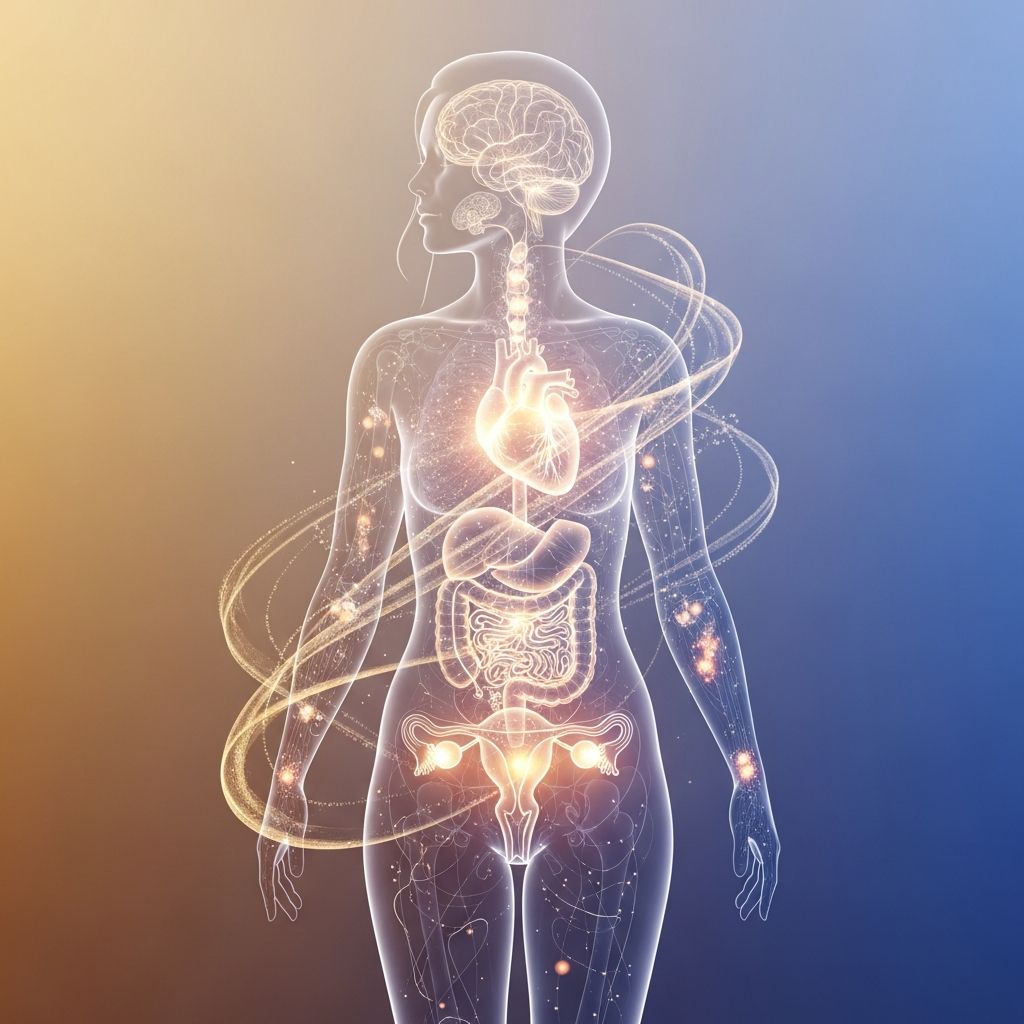
Estrogen is one of the primary sex hormones in the female body, playing a fundamental role in numerous physiological processes that extend far beyond reproduction. This powerful hormone influences everything from physical development and bone strength to cardiovascular health and cognitive function. Understanding estrogen’s multifaceted effects on the female body is essential for recognizing how hormonal changes at different life stages can impact overall health and well-being.
What is Estrogen and How Does It Work?
Estrogen is a steroid hormone that exists in three main forms: estradiol (E2), estrone (E1), and estriol (E3). Estradiol is the most potent and abundant form during reproductive years, while estrone becomes the primary form after menopause. Once estrogen is produced and released into the bloodstream, it travels throughout the body until it reaches target tissues where it binds to estrogen receptors—specialized proteins located on cells throughout the body. This binding initiates cellular processes that trigger specific physiological responses. Estrogen receptors are found in numerous tissues including the brain, heart, bones, vagina, bladder, and cardiovascular system, which explains why estrogen affects so many different bodily functions.
Estrogen During Puberty and Adolescence
One of the most noticeable effects of estrogen occurs during puberty when hormone levels rise dramatically. This surge in estrogen production triggers the development of secondary sex characteristics that define female physical development. The hormone stimulates breast tissue growth, increases body fat distribution to the hips and thighs, and contributes to the characteristic curves of the female body shape. Beyond aesthetic changes, estrogen during puberty also supports skeletal development, influences skin texture, and plays a crucial role in establishing the reproductive system’s complex hormonal patterns. The timing and magnitude of estrogen increase during puberty varies among individuals, which is why some girls develop earlier or later than their peers—a normal variation in adolescent development.
Estrogen’s Role in the Menstrual Cycle
Throughout a woman’s reproductive years, estrogen works in concert with other hormones—particularly progesterone, follicle-stimulating hormone (FSH), and luteinizing hormone (LH)—to regulate the menstrual cycle. These hormones exist in a delicate balance to keep periods regular and predictable. Estrogen levels naturally fluctuate throughout the menstrual cycle, rising during the follicular phase to stimulate the ovaries to release an egg during ovulation. After ovulation occurs, estrogen levels dip temporarily before rising again to help thicken the endometrium (the lining of the uterus) in preparation for potential pregnancy. If fertilization does not occur, estrogen and progesterone levels drop significantly, triggering menstruation. This cyclical pattern repeats approximately every 28 days throughout reproductive years, and any disruption to this hormonal balance can lead to irregular periods or other menstrual irregularities.
Estrogen and Sexual Health
Estrogen plays a critical role in maintaining sexual health and function in women. The hormone keeps vaginal walls thick, elastic, and well-lubricated—essential characteristics for comfortable sexual intercourse. Adequate estrogen levels ensure that vaginal tissue remains healthy and responsive, reducing pain and discomfort during penetrative sex. This lubrication is maintained regardless of where a woman is in her menstrual cycle, providing consistent comfort and sexual function. Beyond the vagina itself, estrogen also influences sexual desire and arousal through its effects on the brain and nervous system. When estrogen levels are insufficient, women may experience vaginal dryness, reduced sexual desire, and discomfort during intercourse—common complaints that can significantly impact sexual relationships and overall quality of life.
Related Stories



Estrogen and Bone Health
Estrogen plays a vital protective role in maintaining bone density and strength throughout a woman’s life. The hormone stimulates bone formation and helps maintain the mineral content of bones, keeping them dense and resilient. During reproductive years when estrogen levels are consistently high, women maintain strong bones and have lower fracture risk compared to men of the same age. However, when estrogen levels decline during perimenopause and menopause, bone loss accelerates significantly. In fact, one of the primary causes of osteoporosis in women is the dramatic decrease in estrogen that occurs during menopause. Bone loss during menopause can be substantial—women may lose up to 10 percent of their bone mass in the first few years after menopause. Without adequate estrogen to support bone formation, the risk of osteoporosis increases substantially, along with the risk of fractures, stooped posture, and chronic bone pain.
Estrogen’s Effects on the Cardiovascular System
Research has consistently demonstrated that estrogen provides cardiovascular protection in premenopausal women. The hormone works through multiple mechanisms to support heart health: it relaxes blood vessels, improving blood flow and reducing blood pressure; it lowers levels of harmful LDL cholesterol; and it raises levels of beneficial HDL cholesterol. These protective effects help explain why premenopausal women have significantly lower rates of heart disease compared to men of the same age. However, after menopause, when estrogen levels drop sharply, this cardiovascular advantage diminishes. Without adequate estrogen, women become increasingly susceptible to atherosclerotic plaque development and cardiovascular disease. Most women do not experience heart attacks until around age 65 or later, but the decline in estrogen during menopause accelerates cardiovascular aging. Heart disease remains the leading cause of death among women over 65, killing more women than all forms of cancer combined. This makes understanding estrogen’s cardiovascular role critical for women’s long-term health.
Estrogen and Brain Function
Emerging research reveals that estrogen significantly influences cognitive function and brain health throughout a woman’s life. Estrogen receptors are widely distributed throughout the brain, affecting memory formation, mood regulation, and overall cognitive performance. Many women report experiencing brain fog, memory problems, and difficulty concentrating during perimenopause and menopause—symptoms that correlate directly with declining estrogen levels. Beyond the temporary cognitive changes that accompany menopause, recent studies suggest that estrogen may provide long-term neuroprotection. Research indicates a potential link between declining estrogen and increased risk of Alzheimer’s disease, the primary cause of dementia in older adults. The protective effects of estrogen on brain tissue and neural connections may help explain why some women report feeling mentally sharper when using estrogen supplementation. This suggests that maintaining adequate estrogen levels throughout midlife may have important implications for cognitive health and dementia prevention in later years.
Estrogen and Urinary Health
The bladder and urethra contain numerous estrogen receptors, making them highly sensitive to estrogen fluctuations. During reproductive years, when estrogen levels are adequate, the tissues lining the bladder and urethra remain thick, healthy, and well-lubricated. However, after menopause, declining estrogen causes these tissues to become thin and atrophic—a condition where tissues shrink and lose their structural integrity. This thinning can lead to urinary incontinence, frequent urination, and urinary tract infections. The epithelial lining, which normally consists of many protective cell layers, becomes significantly thinner postmenopausally. This atrophic tissue is more vulnerable to irritation and infection, and can cause discomfort during urination. Many women don’t realize these urinary symptoms are related to menopause and estrogen decline, but they represent a normal—and treatable—consequence of hormonal change that can be managed with low-dose vaginal estrogen therapy.
Estrogen During Perimenopause and Menopause
Perimenopause represents the transition period leading up to menopause, typically lasting several years. During this time, estrogen levels begin to decline irregularly, leading to a wide range of symptoms. Women may experience irregular menstrual periods, hot flashes, night sweats, mood changes, sleep disturbances, and vaginal dryness. Menopause officially begins when a woman has not menstruated for 12 consecutive months and typically occurs around age 51. Once menopause begins, the primary form of estrogen in the body changes from estradiol to estrone, and overall estrogen production drops dramatically. This substantial hormonal shift triggers numerous body changes affecting multiple organ systems. The most obvious changes include vaginal dryness and irregular periods, but the less obvious but equally significant changes affect bone density, cardiovascular function, and cognitive health. Understanding that these changes result from declining estrogen helps women recognize them as normal physiological processes rather than signs of illness.
Conditions Associated with Estrogen Imbalances
Both excessive and insufficient estrogen can lead to various health conditions. Estrogen deficiency during and after menopause contributes to osteoporosis, cardiovascular disease, vaginal atrophy, urinary incontinence, and cognitive decline. Conversely, excess estrogen in the body can be associated with multiple conditions including uterine polyps, uterine fibroids, polycystic ovary syndrome (PCOS), endometriosis pain, and ovarian tumors. Estrogen excess may develop when women have too much estrogen relative to progesterone or when medications containing estrogen increase circulating levels. Both estrogen deficiency and excess require medical attention and management to prevent long-term health complications.
Estrogen in Male Health
While often considered a female hormone, estrogen also plays important roles in male reproductive health. In men, estrogen affects sex drive, erectile function, and sperm production. Too little estrogen can lead to reduced libido and sexual dysfunction, while excessive estrogen can cause gynecomastia (enlarged breast tissue), infertility, and erectile dysfunction. This demonstrates that healthy hormonal balance is essential for both sexes, not just women.
Managing Estrogen-Related Changes
Women can support optimal estrogen levels and manage hormonal changes through multiple strategies. Maintaining a healthy lifestyle with regular exercise supports bone density and cardiovascular health independent of estrogen levels. Adequate calcium and vitamin D intake protects bones, particularly important as estrogen levels decline. For women experiencing bothersome menopausal symptoms, hormone replacement therapy and non-hormonal medications are available options. Low-dose vaginal estrogen effectively treats vaginal dryness and urinary symptoms without significantly elevating systemic estrogen levels. Discussing options with healthcare providers helps women make informed decisions about managing hormonal changes.
Frequently Asked Questions About Estrogen and Female Health
Q: At what age does estrogen decline begin?
A: Estrogen levels typically remain stable during reproductive years but begin to decline during perimenopause, which can start in the 40s and may last several years before menopause officially begins around age 51.
Q: Are all menopausal symptoms caused by estrogen decline?
A: While estrogen plays a primary role in menopause, other hormones including progesterone and testosterone also decline and contribute to menopausal symptoms. The hormonal changes are complex and interconnected.
Q: Can estrogen deficiency increase heart disease risk?
A: Yes. Estrogen provides cardiovascular protection in premenopausal women. After menopause, when estrogen levels drop sharply, women’s heart disease risk increases significantly, which is why heart disease is the leading cause of death in women over 65.
Q: How can women protect bone health during menopause?
A: Women can support bone health through weight-bearing exercise, adequate calcium and vitamin D intake, and in some cases, medication to slow bone loss. Discussing bone health screening and options with healthcare providers is recommended.
Q: Is vaginal dryness a normal part of menopause?
A: Yes, vaginal dryness is one of the most common menopausal symptoms resulting from estrogen decline affecting vaginal tissue elasticity and lubrication. It can be effectively treated with low-dose vaginal estrogen or other therapies.
Q: Does menopause affect memory and cognitive function?
A: Yes, many women experience temporary brain fog and memory problems during menopause related to declining estrogen. Recent research also suggests estrogen may provide long-term protection against Alzheimer’s disease.
References
- Estrogen: Hormone, Function, Levels & Imbalances — Cleveland Clinic. 2024. https://my.clevelandclinic.org/health/body/22353-estrogen
- The Impact of Estrogen Loss on Your Health — Johns Hopkins Medicine. March 26, 2024. https://www.hopkinsmedicine.org/health/conditions-and-diseases/estrogens-effects-on-the-female-body
- Sex hormone levels alter heart disease risk in older women — Johns Hopkins University, EurekaAlert. 2024. https://www.eurekalert.org/news-releases/591336
- Let’s please talk about menopause — Johns Hopkins Hub. October 15, 2024. https://hub.jhu.edu/2024/10/15/menopause-womens-health-pbs-documentary/
- Centers for Disease Control and Prevention: Heart Disease Facts — CDC. 2024. https://www.cdc.gov/heartdisease/facts.htm
Similar Articles








Read full bio of Sneha Tete