Estrogen: Hormone Function, Levels & Imbalances
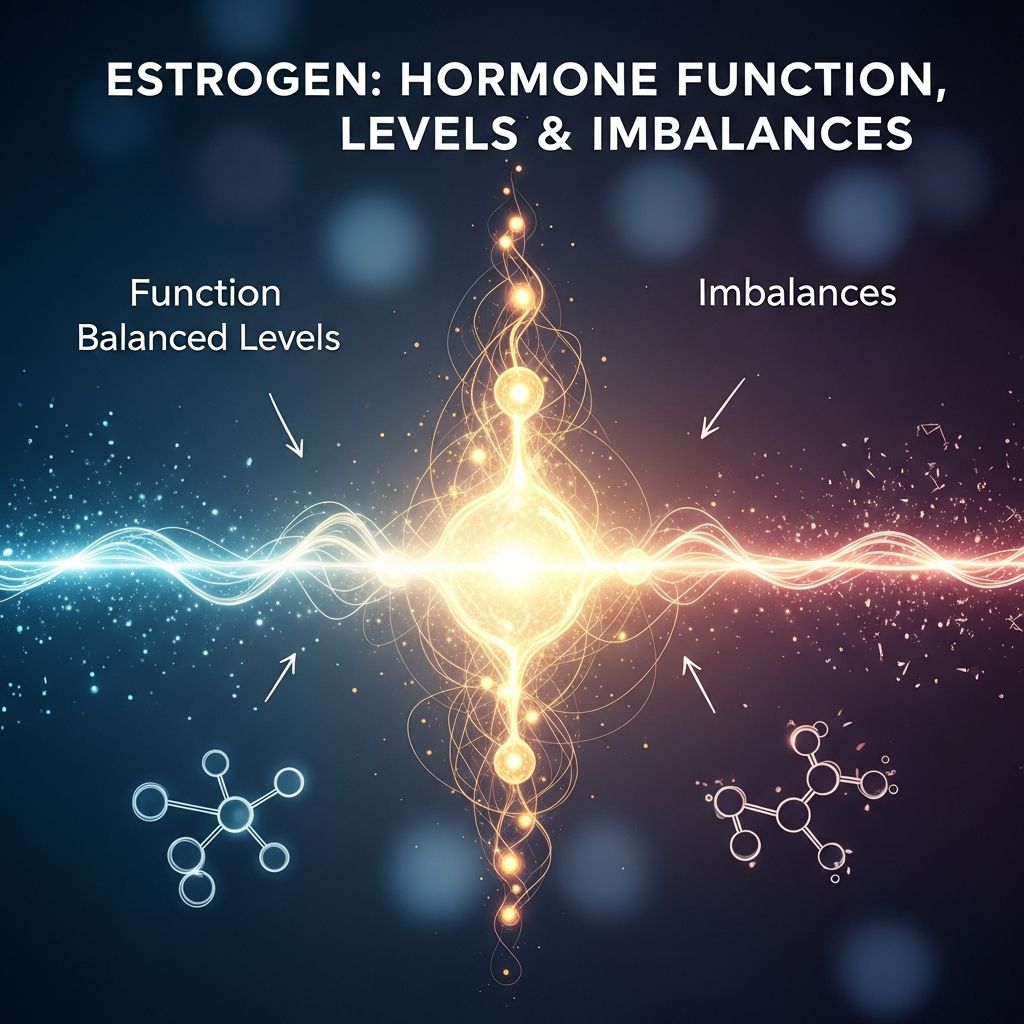
Understanding estrogen: its role in reproduction, health, and what happens when levels fluctuate.
What Is Estrogen?
Estrogen is a sex hormone that plays a fundamental role in maintaining your sexual and reproductive health. While commonly associated with females, estrogen is produced by all bodies, though in varying amounts. The hormone acts as a chemical messenger, traveling through your bloodstream to deliver instructions that regulate your body’s development, reproduction, and numerous other biological processes.
One of the most significant functions of estrogen is its involvement in sexual development and reproductive health. Along with progesterone, another crucial sex hormone, estrogen orchestrates the complex processes that make menstruation, pregnancy, and menopause possible. Understanding what estrogen does and how it functions throughout your life can help you recognize normal fluctuations and identify potential health concerns.
The Three Major Forms of Estrogen
Your body produces three distinct types of estrogen, each with specific roles and importance at different life stages. Understanding these variants helps explain why estrogen levels and their effects vary throughout your lifetime.
Estradiol (E2)
Estradiol is the most powerful and abundant form of estrogen during reproductive years. This hormone is primarily responsible for maintaining natural female reproductive processes and is the dominant estrogen from puberty through your reproductive years. It plays the central role in regulating your menstrual cycle and maintaining reproductive function.
Estrone (E1)
Estrone is the weakest type of estrogen but becomes increasingly important as you age. After menopause, estrone becomes the only type of estrogen your body continues to produce naturally. This hormone is formed in the adrenal glands and fatty tissue throughout your body. While weaker than estradiol, estrone can convert to estradiol when your body needs more of the stronger hormone.
Estriol (E3)
Estriol is produced in significant quantities only during pregnancy. This hormone helps your uterus grow and remain healthy during gestation and prepares your body for childbirth and breastfeeding. Healthcare providers often measure estriol levels during prenatal screening to assess fetal health.
How Estrogen Works in Your Body
Once released into your bloodstream, estrogen travels throughout your body until it reaches tissues that require its action. At these locations, estrogen binds to proteins called estrogen receptors, which activate specific biological processes. Because estrogen receptors are located throughout your body—not just in reproductive tissues—estrogen influences numerous physiological systems.
This widespread distribution of estrogen receptors explains why this hormone affects far more than just your reproductive system. Research increasingly demonstrates that estrogen influences your heart, brain, bones, and mood, making it essential for overall health and wellbeing.
Estrogen’s Role in the Menstrual Cycle
During your reproductive years, estrogen levels naturally rise and fall in a regular pattern that coordinates your menstrual cycle. This delicate balance involves estrogen working alongside other hormones produced in your brain—follicle-stimulating hormone (FSH) and luteinizing hormone (LH)—as well as progesterone, another crucial sex hormone.
Related Stories



As estrogen levels surge during the first half of your cycle, they trigger the thickening of your uterine lining (endometrium) in preparation for potential pregnancy. Rising estrogen also stimulates ovulation, the release of an egg from your ovaries. When estrogen levels drop after ovulation, menstruation begins if fertilization hasn’t occurred. This cyclical pattern typically repeats approximately every 28 days during your reproductive years.
Estrogen and Sexual Function
Estrogen plays a crucial role in sexual comfort and function. The hormone maintains the health of your vaginal tissues by keeping vaginal walls thick, elastic, and adequately lubricated. These conditions reduce pain and discomfort during intercourse and contribute to overall sexual satisfaction and pleasure.
Additionally, estrogen helps regulate blood flow and nerve sensitivity in sexual organs, supporting arousal and responsiveness. The hormone’s influence extends to sexual desire itself, as adequate estrogen levels support healthy libido across all bodies, not just those with female reproductive systems.
Estrogen and Puberty
When you reach puberty, your estrogen levels rise significantly, triggering visible changes in your body and development. These secondary sex characteristics—including breast development, changes in hip width and overall body composition (such as the development of curves), body hair growth, and skin changes—are largely driven by estrogen’s effects.
Beyond physical changes, estrogen during puberty influences bone development, brain maturation, and the establishment of your menstrual cycle. This hormonal surge marks the beginning of your reproductive years and sets the foundation for hormonal patterns that will continue throughout adulthood.
Estrogen and Pregnancy
During pregnancy, your body produces dramatically elevated levels of all three types of estrogen to support fetal development and maternal health. These high hormone levels maintain the uterine lining, support fetal development, and prepare your body for labor and delivery. Estrogen also plays a role in the physical changes of pregnancy, including breast tissue growth and expansion of your uterus.
Estrogen During Menopause
Menopause represents a significant transition in your estrogen production. During perimenopause—the years leading up to menopause—your estrogen levels gradually decline. This transition may last several years before menopause officially begins, which is defined as 12 consecutive months without a menstrual period. Menopause typically occurs around age 51, though the timing varies considerably among individuals.
As estrogen levels drop during this transition, you may experience uncomfortable symptoms including vaginal dryness, mood changes, night sweats, and hot flashes. An important shift occurs at menopause: the primary form of estrogen in your body changes from estradiol to estrone. After menopause, estrone becomes the only form of estrogen your body continues to produce naturally, though in lower amounts than during reproductive years.
Estrogen’s Effects Beyond Reproduction
While estrogen is essential for reproductive health, its influence extends throughout your entire body. Modern research demonstrates that estrogen affects multiple organ systems, explaining why everyone—regardless of biological sex—produces this hormone.
Cardiovascular Health
Estrogen plays an important role in maintaining heart health. The hormone helps keep cardiovascular tissue healthy and supports stable blood pressure. When estrogen levels are adequate, the hormone helps keep blood triglycerides low, increases HDL cholesterol (the beneficial type), and lowers LDL cholesterol (the harmful type). These effects contribute to reduced cardiovascular disease risk during reproductive years.
Bone Health
Estrogen is crucial for maintaining bone density and strength. The hormone influences how your body absorbs and uses calcium, essential minerals for bone health. Declining estrogen levels after menopause contribute to increased bone loss, which is why postmenopausal people face higher risks of osteoporosis and fractures.
Brain Function and Mood
Estrogen influences brain chemistry and function in multiple ways. The hormone helps maintain regular serotonin levels—the neurotransmitter often called the “feel-good hormone”—and supports the effectiveness of endorphins, your body’s natural pain relievers. Estrogen also aids in protecting nerves and encouraging nerve growth. The mood swings you might experience before your menstrual period may be caused by shifting estrogen levels. Researchers continue investigating how low or high estrogen levels affect mood disorders and cognitive function.
Male Reproductive Health
While less discussed, estrogen affects male reproductive health significantly. The hormone impacts sex drive and the ability to achieve and maintain erections, as well as sperm production. Too little estrogen can reduce sexual desire, while excessive estrogen can cause infertility and erectile dysfunction. In some cases, unusually high estrogen in males can lead to gynecomastia, the enlargement of breast tissue.
Natural Fluctuations in Estrogen Levels
Estrogen levels naturally rise and fall throughout your life, and these fluctuations are normal. Your body increases estrogen during puberty to support sexual development. Monthly fluctuations occur during your menstrual cycle, with levels rising before ovulation to prepare your body for potential pregnancy. Levels then drop when pregnancy doesn’t occur, triggering menstruation.
Similarly, declining estrogen as you approach menopause is a normal part of aging, not a disease state. These natural fluctuations are your body’s way of adapting to different life stages and are generally not cause for concern. However, consistently abnormal levels—either too high or too low—may indicate an underlying condition requiring medical attention.
High Estrogen: Causes and Effects
Excessive estrogen in your body can be associated with multiple health conditions. High estrogen may contribute to the development of polyps, fibroids, polycystic ovary syndrome (PCOS), endometriosis pain, and ovarian tumors. In some cases, high estrogen levels may increase the risk of certain cancers.
High estrogen can result from having too much estrogen relative to progesterone, your other key sex hormone. This imbalance, sometimes called estrogen dominance, occurs when progesterone levels are insufficient to balance estrogen’s effects. Additionally, medications containing estrogen—such as certain birth control pills or hormone replacement therapies—may elevate your estrogen levels if not properly monitored.
Low Estrogen: Causes and Effects
Low estrogen levels can result from various causes, including excessive exercise, certain medical conditions, genetic factors, and natural life transitions like menopause. Symptoms of low estrogen may include irregular or absent menstrual periods, fatigue, mood changes, hot flashes, night sweats, vaginal dryness, decreased sexual desire, and difficulty concentrating.
Low estrogen can affect bone health, increasing osteoporosis risk, and may impact heart health and brain function. Adequate estrogen levels throughout reproductive years help protect cardiovascular and bone health, making estrogen deficiency a concern for long-term wellbeing.
Estrogen and Common Women’s Health Conditions
Estrogen plays a role in most conditions that fall under women’s health. Conditions influenced by estrogen levels include menstrual irregularities, painful periods, endometriosis, polycystic ovary syndrome (PCOS), uterine fibroids, and menopausal symptoms. Ongoing research continues to explore estrogen’s role in endocrine disorders and gastrointestinal diseases, revealing that this hormone’s influence extends even further than previously understood.
Testing Estrogen Levels
Healthcare providers can measure estrogen levels through a simple blood test. This test can measure all three types of estrogen—estrone (E1), estradiol (E2), and estriol (E3)—providing a comprehensive picture of your hormonal status. The timing of the test during your menstrual cycle is important, as estrogen levels fluctuate throughout the month.
Treatment Options for Estrogen Imbalances
Hormone Replacement Therapy
Hormone replacement therapy (HRT) is a common treatment for low estrogen, particularly during menopause and postmenopause. This therapy involves taking synthetic forms of estrogen and/or progesterone to boost your levels. Two main types exist: estrogen therapy alone and combined estrogen-progesterone/progestin therapy. Healthcare providers prescribe the lowest effective doses to treat symptoms while minimizing potential side effects.
Lifestyle Modifications
In some cases, lifestyle changes can help manage estrogen imbalances. Regular exercise, stress reduction, adequate sleep, and maintaining a healthy weight can all influence estrogen levels and overall hormonal balance. Dietary changes, including increased consumption of phytoestrogen-containing foods, may also support hormonal health.
Medical Treatments
For high estrogen levels, treatment depends on the underlying cause. If high estrogen levels increase cancer risk or worsen existing cancer, your provider may recommend more aggressive treatments. In other cases, addressing the root cause—whether it’s reducing medication doses, treating an underlying condition, or managing lifestyle factors—may help normalize levels.
Frequently Asked Questions
Q: At what age do estrogen levels typically start to decline?
A: Estrogen levels begin to decline during perimenopause, which typically starts in your 40s and can last several years. Menopause officially begins around age 51, though this varies significantly among individuals.
Q: Can males have estrogen imbalances?
A: Yes, males can experience estrogen imbalances. While males produce less estrogen than females, they do produce this hormone, and imbalances can affect sexual function, fertility, and overall health.
Q: Is it normal for estrogen levels to fluctuate during my menstrual cycle?
A: Yes, monthly fluctuations in estrogen are completely normal. Estrogen rises before ovulation and drops when menstruation begins. These fluctuations are essential for regulating your menstrual cycle.
Q: How do I know if my estrogen levels are abnormal?
A: If you experience symptoms such as irregular periods, severe mood changes, hot flashes, or vaginal dryness, consult your healthcare provider. They can order blood tests to measure your estrogen levels and determine if treatment is necessary.
Q: Are there natural ways to increase estrogen levels?
A: Certain lifestyle modifications may support healthy estrogen levels, including maintaining a healthy weight, reducing stress, exercising regularly, and consuming foods rich in phytoestrogens. However, significant imbalances typically require medical treatment.
References
- Estrogen: Hormone, Function, Levels & Imbalances — Cleveland Clinic. 2024. https://my.clevelandclinic.org/health/body/22353-estrogen
- Estrone: Hormone Levels, Overview & Purpose — Cleveland Clinic. 2024. https://my.clevelandclinic.org/health/body/22398-estrone
- Estriol: Function, Hormone Levels & Testing — Cleveland Clinic. 2024. https://my.clevelandclinic.org/health/articles/22399-estriol
- Estrogen: What It Does and 5 Benefits — Cleveland Clinic Health. 2024. https://health.clevelandclinic.org/what-does-estrogen-do
- Low Estrogen: Causes, Symptoms, Diagnosis & Treatment — Cleveland Clinic. 2024. https://my.clevelandclinic.org/health/diseases/22354-low-estrogen
- High Estrogen: Causes, Symptoms, Dominance & Treatment — Cleveland Clinic. 2024. https://my.clevelandclinic.org/health/diseases/22363-high-estrogen
- Hormone Therapy for Menopause Symptoms — Cleveland Clinic. 2024. https://my.clevelandclinic.org/health/treatments/15245-hormone-therapy-for-menopause-symptoms
Similar Articles








Read full bio of Sneha Tete