Ethambutol For Tuberculosis: Essential Guide For Patients
Comprehensive guide to ethambutol: uses, dosage, side effects, and essential information for effective TB treatment.

Ethambutol is an antibiotic medication specifically used to treat tuberculosis (TB). It works by stopping the growth of TB bacteria and is always prescribed alongside other anti-TB drugs to prevent resistance.
About ethambutol
Ethambutol belongs to a group of medicines known as antituberculous drugs. Tuberculosis is a serious infectious disease primarily affecting the lungs but can spread to other parts of the body. Caused by Mycobacterium tuberculosis, TB requires combination therapy to eradicate the bacteria effectively and minimize the risk of developing drug-resistant strains.
Ethambutol is bacteriostatic, meaning it inhibits bacterial cell wall synthesis by interfering with arabinogalactan biosynthesis, a key component of the mycobacterial cell wall. This action halts the multiplication of actively growing bacilli. Research suggests it may enhance the effects of other drugs like isoniazid (INH) by binding to transcriptional regulators, increasing bacterial susceptibility.
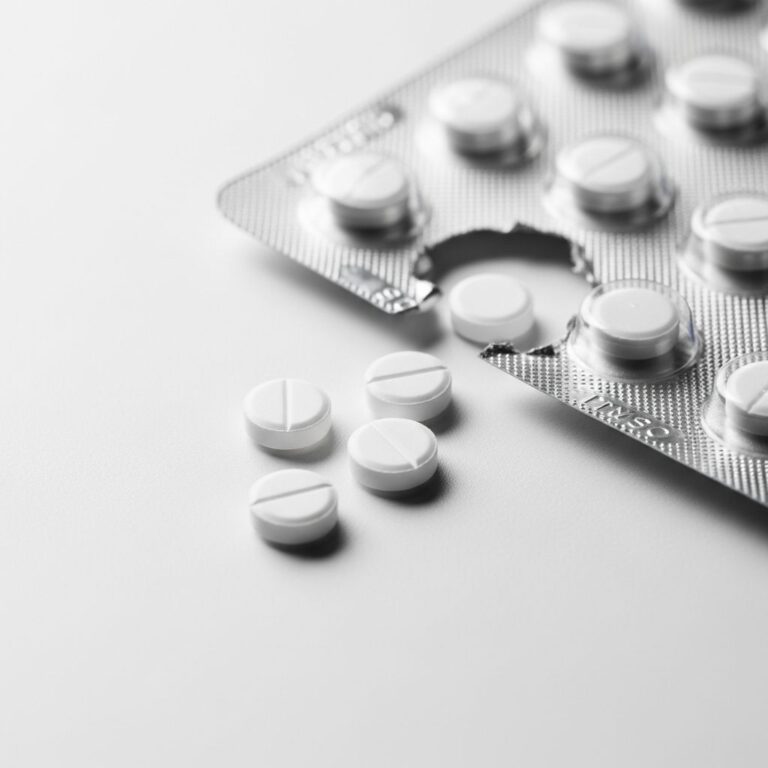
Available as oral tablets in strengths such as 100 mg and 400 mg, ethambutol is taken once daily, with or without food, though taking it with food can reduce stomach upset. It is prescription-only and must never be used as monotherapy due to rapid development of resistance.
Key facts
- Ethambutol treats pulmonary tuberculosis in combination with drugs like isoniazid, rifampicin, and pyrazinamide.
- Standard initial regimen: 15-25 mg/kg/day for adults and children over 13 years.
- Common side effect: Vision changes (optic neuropathy), requiring monthly eye tests.
- Treatment duration: Typically 6-9 months or longer, depending on response.
- Not for standalone use; always part of multi-drug therapy.
About tuberculosis
Tuberculosis (TB) is one of the world’s deadliest infectious diseases, with millions of cases annually. It spreads through airborne droplets from coughs or sneezes of infected individuals. Most infections are latent, but active TB can cause symptoms like persistent cough, fever, night sweats, and weight loss. Prompt diagnosis via sputum tests, chest X-rays, and culture confirms the infection.
Drug-susceptible TB is treated with a standard 6-month regimen: 2 months intensive phase (isoniazid, rifampicin, pyrazinamide, ethambutol) followed by 4 months continuation phase (isoniazid, rifampicin). Multidrug-resistant TB (MDR-TB) requires longer, more complex regimens.
How and when to take ethambutol
Take ethambutol exactly as prescribed, usually once daily. Swallow tablets whole with water; do not chew or crush. It can be taken with or without food, but consistency aids absorption. Avoid antacids containing aluminum hydroxide within 4 hours, as they reduce absorption by up to 20%.
Complete the full course, even if symptoms improve, to prevent relapse or resistance. Treatment may last 6-24 months. Use reminders or directly observed therapy (DOT) for adherence.
Dosage
Dosage is weight-based and varies by treatment phase, patient history, and renal function.
| Patient Group | Initial Dose (First 60 days) | Continuation Dose |
|---|---|---|
| Adults (initial treatment) | 15-25 mg/kg/day | 15 mg/kg/day |
| Adults (retreatment) | 25 mg/kg/day | 15 mg/kg/day after 60 days |
| Children >13 years | 15-25 mg/kg/day | 15 mg/kg/day |
| Children <13 years | Doctor-determined (often 15-25 mg/kg/day) | Adjusted per response |
| Renal impairment | Reduced; monitor levels | 15 mg/kg 3x/week possible |
For drug-susceptible TB in children under 25 kg, WHO recommends specific mg/kg doses scaled by weight bands. Higher-strength tablets suit adults ≥25 kg. Alternative regimens: 50 mg/kg twice weekly or 25-30 mg/kg three times weekly, max 2.5 g per dose.
Related Stories



Missed dose
Take as soon as remembered unless near next dose. Do not double up. Inform your doctor if doses are frequently missed.
How to take with other TB medicines
Ethambutol is part of fixed-dose combinations for convenience. Standard quadruple therapy: RIPE (rifampicin, isoniazid, pyrazinamide, ethambutol). Take all drugs together daily under supervision if needed.
Common questions about ethambutol
How does ethambutol work?
Ethambutol targets arabinosyl transferases in the mycobacterial cell wall, disrupting arabinogalactan formation essential for bacterial integrity. It synergizes with INH by derepressing inhA gene expression.
When will I feel better?
Symptoms may improve in weeks, but continue treatment for months to fully eradicate bacteria.
Is ethambutol safe in pregnancy?
Limited data; use only if benefits outweigh risks. Discuss with your doctor.
Side effects and precautions
Most people tolerate ethambutol well, but monitor for vision issues.
Serious side effects
Optic neuropathy (1-5%): Blurred vision, color blindness, reduced visual acuity. Reversible if caught early; perform baseline and monthly visual tests (Snellen chart, color vision, fields). Stop if changes occur.
- Allergic reactions: Rash, itching, swelling.
- Liver issues: Jaundice, dark urine.
- Joint pain, gout (with pyrazinamide).
- Neurological: Peripheral neuritis rare.
Other side effects
- Nausea, vomiting, abdominal pain.
- Headache, dizziness.
- Reddish urine (harmless).
Report vision changes immediately. Avoid if optic neuritis history.
Who should not take ethambutol?
- Allergy to ethambutol.
- Optic neuritis.
- Children under 13: Use cautiously, doctor-determined.
Interactions with other medicines, alcohol, and more
Minimal interactions, but avoid aluminum antacids. No major alcohol issues, but limit intake during treatment. Inform doctor of all medications.
Analogue medicines
No direct analogues; other second-line agents like streptomycin for resistant TB.
Frequently asked questions
Can ethambutol be used alone?
No, monotherapy leads to resistance. Always combine with at least one other anti-TB drug.
What if I miss a dose?
Take promptly; do not double. Consistent adherence is crucial.
Does ethambutol affect vision permanently?
Usually reversible if discontinued early. Monthly eye exams are mandatory.
Is ethambutol safe for children?
Yes, weight-based dosing; doctor supervises.
How long is the treatment course?
Typically 6 months for drug-susceptible TB; longer for resistant cases.
This article provides detailed guidance on ethambutol for tuberculosis management. Always consult healthcare professionals for personalized advice. Treatment success relies on adherence, monitoring, and interprofessional care.
References
- Ethambutol – StatPearls — NCBI Bookshelf, NIH. 2023-10-01. https://www.ncbi.nlm.nih.gov/books/NBK559050/
- Ethambutol (oral route) — Mayo Clinic. 2024-06-01. https://www.mayoclinic.org/drugs-supplements/ethambutol-oral-route/description/drg-20063728
- Ethambutol: MedlinePlus Drug Information — MedlinePlus, NIH. 2024-01-15. https://medlineplus.gov/druginfo/meds/a682550.html
- WHO-PQ Recommended Patient Information Leaflet — WHO. 2023-11-20. https://extranet.who.int/prequal/sites/default/files/whopar_files/TB368%20part3v2.pdf
- Patient Information Leaflet Ethambutol 100 mg — Medicines.org.uk. 2024-06-30. https://www.medicines.org.uk/emc/files/pil.9345.pdf
- Ethambutol: A patient’s guide — Oklahoma.gov Health. 2023-05-10. https://oklahoma.gov/content/dam/ok/en/health/health2/aem-documents/prevention-and-preparedness/infectious-disease-prevention-and-response/Ethambutol.pdf
- MYAMBUTOL (ethambutol HCl) tablets — FDA. 2008-12-12. https://www.accessdata.fda.gov/drugsatfda_docs/label/2008/016320s063lbl.pdf
Similar Articles








Read full bio of Sneha Tete