Ethinylestradiol for Menopausal Symptoms or Menstrual Disorders
Comprehensive guide to ethinylestradiol: uses, dosage, side effects, and precautions for menopause and menstrual issues.
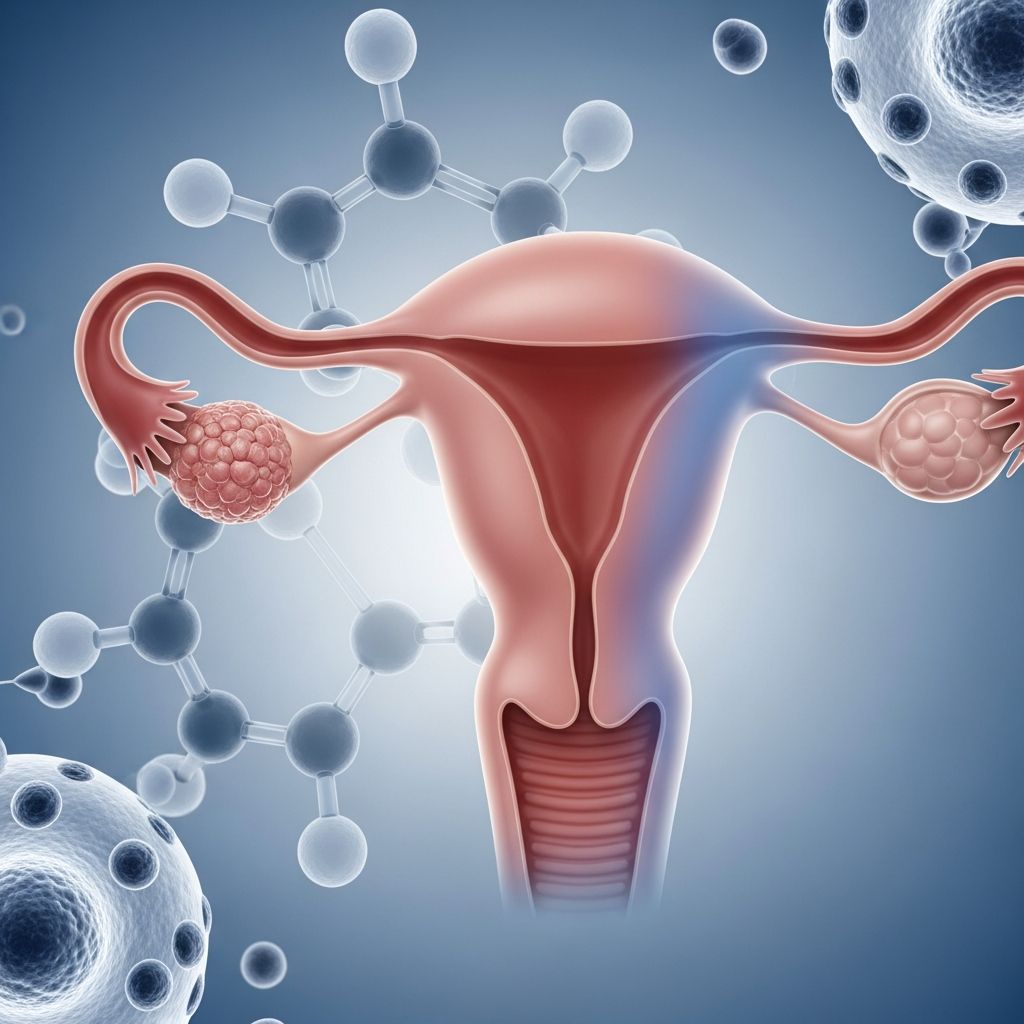
| Type of medicine | An oestrogen (may also be spelled estrogen) |
|---|---|
| Used for | Hormone replacement therapy (HRT); menstrual problems |
| Available as | Tablets (discontinued in some regions) |
About ethinylestradiol
Ethinylestradiol is a synthetic form of oestrogen, the natural female hormone essential for reproductive health. It is primarily prescribed to address hormonal imbalances in women experiencing menopause or menstrual irregularities. By supplementing or replacing the body’s declining oestrogen levels, ethinylestradiol effectively alleviates common symptoms associated with these conditions.
In menopausal hormone replacement therapy (HRT), ethinylestradiol targets vasomotor symptoms such as hot flushes, night sweats, and flushing, which affect up to 60% of postmenopausal women. Clinical studies demonstrate that oestrogen therapies, including low doses of ethinylestradiol (e.g., 5-20 μg/day), significantly reduce these symptoms compared to placebo, improving quality of life. It also addresses genitourinary symptoms like vaginal dryness and itching, which can lead to discomfort during intercourse, and helps prevent bone thinning (osteoporosis).
For menstrual disorders, ethinylestradiol regulates irregular cycles, heavy bleeding, or painful periods by stabilizing hormonal fluctuations. Often combined with a progestogen, it mimics natural cycles to reduce endometrial hyperplasia risks. Note that while effective, ethinylestradiol tablets are discontinued in some markets; alternatives like estradiol patches or gels are now preferred due to improved safety profiles.
This medication is distinct from its use in combined oral contraceptives, where it prevents ovulation. For HRT or menstrual issues, dosing is tailored, typically cyclical (e.g., 3 weeks on, 1 week off) with progestogen opposition in women with an intact uterus to protect the endometrium.
Before taking ethinylestradiol
Consult your doctor before starting ethinylestradiol to ensure it suits your health profile. It is contraindicated in cases of known or suspected pregnancy, breastfeeding, active breast cancer, endometrial cancer, untreated endometrial hyperplasia, or history of oestrogen-dependent tumours.
Caution is advised for women with cardiovascular risks, including thrombosis history, severe liver disease, migraines, or diabetes. Smoking increases clot risks substantially, so cessation is recommended. Inform your doctor of any allergies, medications (e.g., anticoagulants, anticonvulsants), or conditions like hypertension, gallstones, or uterine fibroids.
Blood pressure checks and mammograms may be required pre-treatment. For osteoporosis prevention, lifestyle measures like calcium-rich diet, vitamin D, and weight-bearing exercise are foundational; HRT is not first-line.
How to take ethinylestradiol
Follow your doctor’s instructions precisely. Tablets are taken orally once daily, swallowed whole with water, with or without food. For HRT, common regimens include 10-50 μg daily for 3 weeks, followed by a progestogen phase or break.
- Start on day 1 of menstruation or as directed for HRT.
- Miss no more than one dose; take missed dose ASAP, then resume. For two misses, use backup contraception if applicable and consult doctor.
- Do not exceed prescribed dose to minimize risks.
- Store below 25°C, away from children.
If vomiting or severe diarrhoea occurs within 3-4 hours of dosing, the dose may not be absorbed—take another if possible.
Related Stories



Getting the most out of your treatment
Track symptom improvement; full benefits for menopausal symptoms may take weeks. Combine with lifestyle changes: balanced diet, regular exercise, avoid triggers like caffeine for hot flushes. For vaginal symptoms, use moisturizers or local oestrogens alongside systemic therapy.
Regular check-ups (every 6-12 months) monitor efficacy and risks. Discuss switching to bioidentical oestrogens if concerns arise, as ethinylestradiol’s hepatic effects may elevate clotting factors.
Possible side effects
Most side effects are mild and transient. Common ones include:
| Common side effects | Action |
|---|---|
| Stomach cramps, bloating, weight changes | Speak with doctor if troublesome |
| Breast tenderness, fluid retention | Speak with doctor if troublesome |
| Rash, changes in sexual desire, mood changes | Speak with doctor if troublesome |
| Leg cramps, high blood pressure | Speak with doctor if troublesome |
| Menstrual bleeding or spotting | Speak with doctor if troublesome |
Serious side effects require immediate cessation and medical attention:
- Sudden chest pain or breathlessness (possible clot or heart issue).
- Leg swelling/pain (deep vein thrombosis).
- Severe headache, vision changes (stroke risk).
- Jaundice (liver problems).
- Calf pain, severe leg cramps.
Long-term risks include venous thromboembolism (higher with oral forms), breast cancer (slight increase after 5 years), and cardiovascular events, particularly in smokers over 50. Benefits often outweigh risks for symptomatic women under 60.
Frequently asked questions
Can I take ethinylestradiol if I have a history of blood clots?
No, it is contraindicated due to increased thrombosis risk. Discuss alternatives like transdermal oestrogens with your doctor.
How long should I take ethinylestradiol for menopausal symptoms?
Use the lowest dose for the shortest duration needed, typically reassessed annually. Symptoms often resolve 2-5 years post-menopause.
Does ethinylestradiol protect against osteoporosis?
Yes, it helps maintain bone density, but bisphosphonates or denosumab are preferred first-line. Combine with calcium and exercise.
Will ethinylestradiol affect my mood or libido?
Some experience mood changes or libido shifts; these often settle. Report persistent issues to your doctor.
Can I drink alcohol while taking ethinylestradiol?
Moderate alcohol is fine, but excess increases breast cancer risk. Limit intake.
Is ethinylestradiol safe for breast cancer survivors?
Generally not recommended; consult oncology for non-hormonal options.
Further information and support
Speak to your doctor, pharmacist, or nurse for personalized advice. Reliable resources include NHS menopause pages, NICE guidelines on HRT, or menopause societies. Never share medication.
The Menopause Society offers support groups. Report side effects via Yellow Card scheme (UK) or FDA MedWatch (US).
References
- Ethinylestradiol — Wikipedia. 2023-10-15. https://en.wikipedia.org/wiki/Ethinylestradiol
- Ethinylestradiol for menopausal symptoms or menstrual disorders — Patient.info. 2024-05-20. https://patient.info/medicine/ethinylestradiol-for-menopausal-symptoms-or-menstrual-disorders
- Hormone Replacement Therapy — StatPearls, NCBI Bookshelf, NIH (.gov). 2023-11-03. https://www.ncbi.nlm.nih.gov/books/NBK493191/
- Ethinyl Estradiol — Rehab My Patient. 2024-02-12. https://www.rehabmypatient.com/medications/ethinyl-estradiol
- Norethindrone Acetate; Ethinyl Estradiol Tablets — Cleveland Clinic (.org). 2023-08-01. https://my.clevelandclinic.org/health/drugs/20043-norethindrone-acetate-ethinyl-estradiol-tablets-estrogen-replacement-therapy
Similar Articles








Read full bio of Sneha Tete