Ethiopian Food: Nutrition at Your Fingertips
Discover the vibrant flavors, cultural traditions, and nutritional benefits of Ethiopian cuisine, from injera to spicy wots.
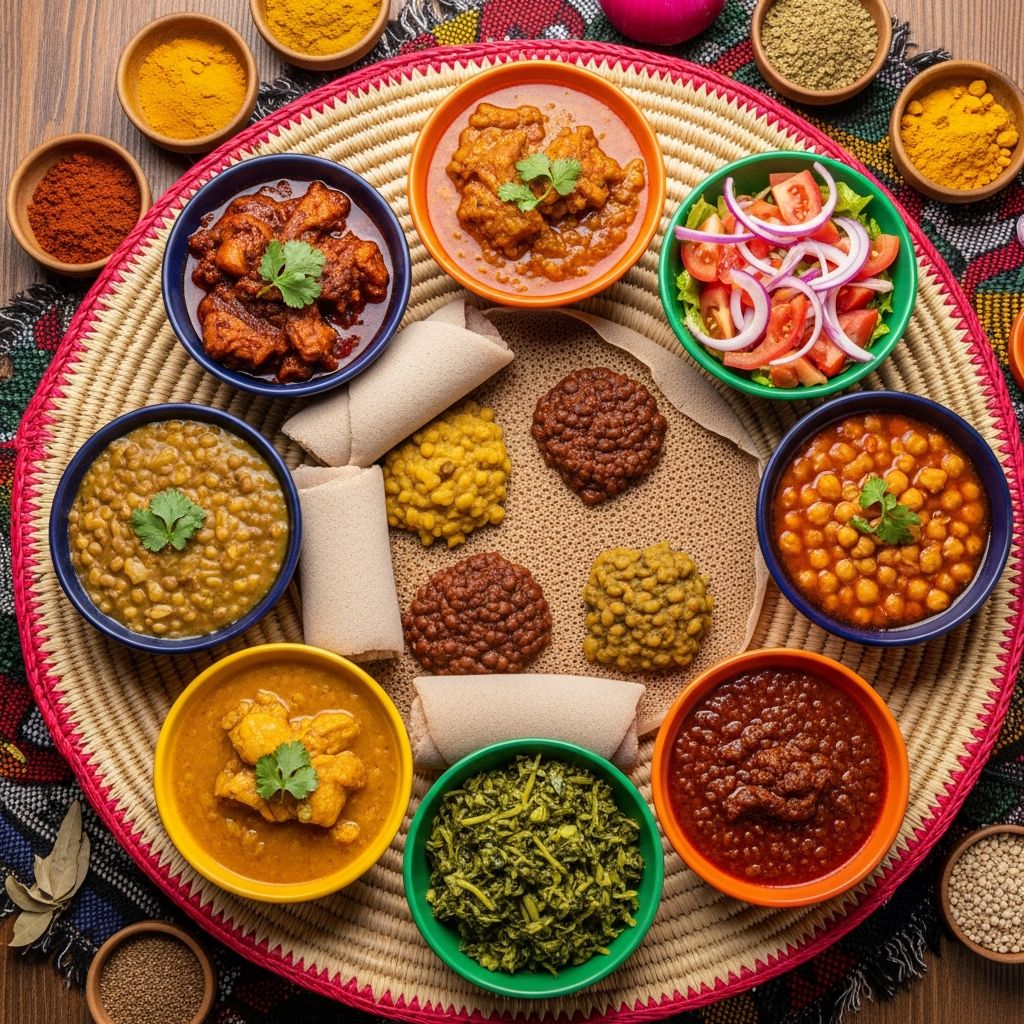
Ethiopian cuisine stands out for its bold flavors, communal dining style, and nutrient-dense ingredients rooted in ancient agricultural traditions. Central to this vibrant food culture is injera, a fermented flatbread made from teff, paired with spicy stews called wot, offering a balance of carbohydrates, proteins, and vitamins.
What Makes Ethiopian Food Unique?
Ethiopian food is characterized by its use of teff, an ancient grain native to Ethiopia’s highlands, which forms the base of injera. This sourdough-like bread is spongy, tangy, and serves dual purposes as both plate and utensil. Meals feature a variety of wot (thick, spicy stews) and alicha (milder versions), made with legumes, vegetables, meats, or oilseeds, seasoned with berbere—a fiery blend of chili peppers, garlic, ginger, and spices.
The cuisine reflects Ethiopia’s diverse regions and religious practices, particularly the Ethiopian Orthodox Church’s fasting periods (tsom), which mandate vegan meals on Wednesdays, Fridays, and during Lent. This results in an abundance of plant-based dishes rich in fiber, antioxidants, and minerals, making Ethiopian food inherently healthy for many eaters.
Staple Ingredients in Ethiopian Cuisine
Ethiopian cooking relies on accessible, nutrient-packed staples that provide sustained energy and essential nutrients.
- Teff: A tiny gluten-free grain high in calcium, iron, magnesium, and resistant starch for gut health. One cup of teff flour offers about 12% of daily iron needs and supports blood sugar control.
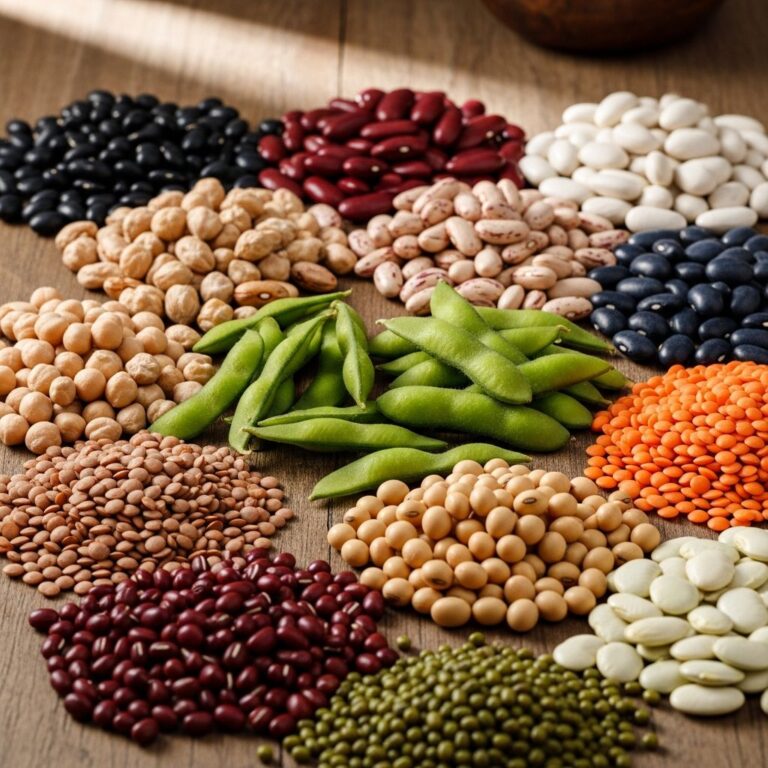
- Legumes: Lentils, chickpeas, and split peas form the backbone of wots, delivering plant-based protein (up to 18g per cup cooked) and folate.
- Vegetables: Collard greens (gomen), cabbage, carrots, and potatoes add vitamins A, C, and K.
- Spices: Berbere provides anti-inflammatory curcumin-like compounds from fenugreek and ginger, plus capsaicin for metabolism boost.
- Niter Kibbeh: Clarified butter infused with spices, used sparingly for flavor and healthy fats during non-fasting periods.
- Oilseeds: Niger, flax, or safflower seeds for vegan sauces during fasts, offering omega-3s and vitamin E.
Signature Dishes and Their Nutrition
Ethiopian meals are served family-style on injera, promoting portion control and shared nutrition. Here’s a breakdown of popular dishes:
| Dish | Description | Key Nutrients | Best For |
|---|---|---|---|
| Injera with Wot | Teff bread topped with spicy lentil, vegetable, or meat stew. | Complex carbs, protein (15-20g/serving), iron, fiber. | Daily energy, balanced meals. |
| Doro Wot | Chicken stew simmered in berbere, onions, and eggs. | Lean protein, B vitamins, antioxidants. | Non-fasting feasts. |
| Misir Wot | Red lentil stew, spicy and thick. | Plant protein, folate, iron (boosted by vitamin C from spices). | Vegan fasting days. |
| Shiro Wot | Chickpea flour stew with berbere. | Protein (20g/cup), magnesium, low-calorie. | Quick vegan option. |
| Kitfo | Raw minced beef with spices and greens. | High protein, iron, B12 (risk of parasites if not fresh). | Special occasions; eat cautiously. |
| Gomen | Stewed collard greens with garlic and ginger. | Vitamin K, fiber, calcium. | Digestion, bone health. |
| Ayib | Fresh cheese from fermented milk. | Calcium, probiotics. | Probiotic boost. |
These dishes vary by region; highland areas emphasize teff and enset (false banana), while lowlands incorporate more maize or fish, though fish consumption remains low due to transport issues.
Eating Etiquette and Cultural Traditions
Ethiopian meals foster community, served on a mesob (straw basket) with injera layered underneath stews placed centrally. Diners use the right hand to tear injera pieces, scooping food in a gesture called gorsha—feeding others as a sign of hospitality.
- Hands are washed before and after with poured water (no sharing basins for hygiene).
- Guests and men eat first; women and children follow, often with soaked injera remnants.
- Fasting foods like oilseed sauces replace animal products, ensuring nutrition during tsom.
- Feasts feature raw meat (tire siga) or multiple wots for variety.
Related Stories



Proverbs like “Hand and fly-whisk, mouth and enjera go together” highlight the tactile, cultural essence.
Nutritional Benefits and Health Considerations
Ethiopian cuisine excels in whole foods: teff’s resistant starch aids digestion and weight management, while legume-based wots provide complete proteins when combined. Berbere’s spices offer anti-inflammatory benefits, and fermentation in injera enhances nutrient bioavailability.
Vegan fasting dishes align with modern plant-based diets, reducing heart disease risk via high fiber (25-30g per meal). However, challenges include high sodium in berbere, potential raw meat risks (e.g., bacteria), and variable protein for poorer households.
For balanced intake:
- Incorporate diverse legumes for amino acids.
- Pair iron-rich teff with vitamin C sources.
- Limit raw meats; opt for cooked alternatives.
- Hydrate with tella (local beer) or spiced teas sparingly.
Health Tips for Enjoying Ethiopian Food
- Gluten-Free Option: Pure teff injera suits celiacs, providing more nutrients than wheat blends.
- Portion Control: Communal style encourages mindful eating; aim for half-plate veggies.
- Fermentation Boost: Injera’s probiotics support gut health; pair with yogurt-like ayib.
- Spice Moderation: Start mild to build tolerance; berbere aids metabolism but can irritate stomachs.
- Modern Twists: Add quinoa to fir-fir (shredded injera stew) for extra protein.
Frequently Asked Questions (FAQs)
Q: Is Ethiopian food healthy?
A: Yes, it’s nutrient-dense with whole grains, legumes, and veggies, especially vegan options during fasts. Teff provides iron and fiber superior to many grains.
Q: What is injera made of?
A: Primarily teff flour, fermented batter cooked into a spongy pancake. It’s tangy, gluten-free, and central to every meal.
Q: Can vegetarians eat Ethiopian food?
A: Absolutely—many dishes like misir wot and shiro are vegan, born from religious fasting traditions.
Q: Is kitfo safe to eat raw?
A: In Ethiopia, fresh kitfo is common, but outsiders should choose cooked versions to avoid parasites. Consult health guidelines.
Q: How do you eat Ethiopian food?
A: With right-hand injera scoops, no utensils. Practice gorsha for cultural immersion.
Recipes to Try at Home
Simple Misir Wot: Sauté onions in oil, add berbere, red lentils, water; simmer 30 mins. Serve on injera. Yields 4 servings, 250 calories each with 15g protein.
Teff Injera: Mix teff flour, water; ferment 2-3 days, cook on hot pan. Nutrient-packed base for any wot.
References
- The Traditional Foods of the Central Ethiopian Highlands — EthnoMed (University of Washington). 2023-05-15. https://ethnomed.org/resource/the-traditional-foods-of-the-central-ethiopian-highlands/
- Ethiopian Cuisine — Wikipedia (sourced from primary refs). 2025-01-20. https://en.wikipedia.org/wiki/Ethiopian_cuisine
- Ethiopian Food and Eating Etiquette — Awaze Tours. 2024-08-10. https://www.awazetours.com/ethiopia-food.html
- Ethiopian Culture & Foods — Iowa HHS (gov). 2023-11-01. https://hhs.iowa.gov/media/12921/download?inline
- Beginner’s Guide to Ethiopian Food — YouTube (Migrationology). 2024-03-12. https://www.youtube.com/watch?v=PtnPyWmaFs8
- Ethiopian Food: The Ultimate Guide — Migrationology. 2025-01-05. https://migrationology.com/ethiopian-food-guide/
- Explore Ethiopian Food and Culture — Addis Nola. 2024-07-22. https://www.addisnola.com/post/explore-ethiopian-food-and-culture-a-delicious-journey
Similar Articles








Read full bio of Sneha Tete