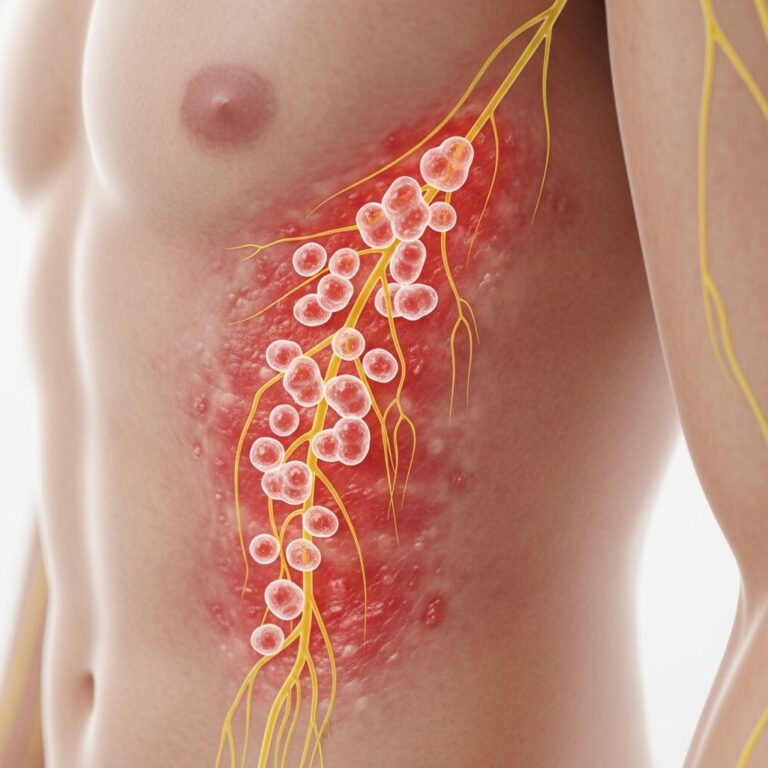
Etravirine For HIV: Essential Guide To Dosage And Side Effects
Comprehensive guide to etravirine (Intelence) for managing HIV infection in adults and children.
Etravirine, sold under the brand name
Intelence
, is an antiretroviral medication that slows the progression ofHIV
infection. It forms part of a combination therapy regimen taken regularly, typically two doses daily after food, to manage the virus effectively.About etravirine
**Etravirine** belongs to the class of
non-nucleoside reverse transcriptase inhibitors (NNRTIs)
, a type of antiretroviral medicine specifically used for treatinghuman immunodeficiency virus (HIV)
infection in adults and children aged 6 years and older. Also known as Intelence®, it is available exclusively as tablets in strengths of 25 mg, 100 mg, and 200 mg.HIV targets and destroys
CD4 T cells
, crucial white blood cells that form the backbone of the immune system. Without intervention, the virus progressively weakens the body’s defenses, leaving it vulnerable to opportunistic infections from bacteria, viruses, and other pathogens. Etravirine intervenes by inhibiting the viralreverse transcriptase enzyme
, preventing HIV from replicating its genetic material and thereby reducing the viral load in the bloodstream.Importantly, etravirine does not cure HIV or prevent transmission to others. It must be used in combination with at least two other antiretrovirals from different classes for maximum efficacy, as monotherapy risks rapid development of drug resistance. Specialists prescribe it primarily for treatment-experienced patients whose HIV has developed resistance to other NNRTIs like efavirenz or nevirapine.
| Aspect | Details |
|---|---|
| Type of medicine | Non-nucleoside reverse transcriptase inhibitor (NNRTI) antiretroviral |
| Used for | HIV-1 infection in adults and children ≥6 years (some sources ≥2 years) |
| Brand name | Intelence® |
| Available as | Tablets (25 mg, 100 mg, 200 mg) |
How and when to take etravirine
Adherence to the prescribed regimen is critical for etravirine’s success. The standard adult dosage is
200 mg twice daily
(one 200 mg tablet or two 100 mg tablets per dose), always taken after a meal to enhance absorption. Tablets should be swallowed whole with water; do not chew, crush, or dissolve them, as this can affect bioavailability.For children aged 6 years and older (or 2 years per some guidelines), dosing is weight-based, typically calculated by a specialist using the 25 mg or 100 mg strengths. Parents must follow the doctor’s exact instructions, often dispersing smaller tablets in water if needed for younger patients.
Timing matters: space doses approximately 12 hours apart. If a dose is missed, take it as soon as remembered unless it’s nearly time for the next one—never double up. Food significantly boosts etravirine’s absorption, so avoid taking it on an empty stomach.
- Adults: 200 mg (1×200 mg or 2×100 mg) twice daily after food.
- Children (≥6 years): Weight-based, e.g., 4-5.9 kg: 50 mg twice daily; up to ≥30 kg: 200 mg twice daily.
- Key tip: Always combine with boosted protease inhibitors like darunavir/ritonavir for optimal results.
Getting the most from your treatment
To maximize benefits and minimize risks, regular monitoring is essential. Attend all scheduled appointments for
blood tests
that trackCD4 cell counts
, viral load, liver function, and lipid levels. These tests ensure the treatment suppresses HIV effectively without causing harm.Related Stories



Consistency prevents resistance: even brief interruptions allow the virus to mutate and evade therapy. Treatment is lifelong—continue etravirine even when feeling well, as stopping can lead to rebound viremia and disease progression.
Inform surgeons or dentists about your HIV medications before procedures, as etravirine may interact with anesthetics or antibiotics. Lifestyle factors like a balanced diet, exercise, and avoiding alcohol excess support immune health.
Adherence tips:
- Use pill organizers or alarms for twice-daily dosing.
- Pair doses with meals to build routine.
- Report any adherence issues immediately to adjust regimen.
Side-effects
Most people tolerate etravirine well, but side effects occur in about 10-20% of users. The
most common
is arash
, affecting up to 17% of patients, usually mild and resolving within weeks. Severe rashes (e.g., Stevens-Johnson syndrome) are rare (<0.1%) but require immediate discontinuation.Other frequent effects include nausea (14%), diarrhea (11%), and fatigue (10%). Lab abnormalities like elevated liver enzymes or cholesterol may necessitate monitoring.
| Common Side Effects (>10%) | Less Common (1-10%) | Rare/Serious |
|---|---|---|
| Rash Nausea Diarrhea | Fatigue Abdominal pain Increased cholesterol | Hepatitis Severe rash (SJS/TEN) Immune reconstitution syndrome |
If rash develops, monitor for fever, blisters, or mouth sores—seek urgent care. Your doctor may prescribe antihistamines or temporarily halt therapy. Long-term use warrants annual bone density and cardiovascular checks due to NNRTI class effects.
How to cope with side effects
Proactive management improves quality of life. For
rash
, use mild moisturizers, avoid sun exposure, and take as prescribed. Antihistamines like loratadine can alleviate itching without interacting.Nausea responds to small, frequent meals and antiemetics like ondansetron (check interactions). Diarrhea often self-limits; stay hydrated and consider loperamide. Report persistent symptoms or signs of hypersensitivity (e.g., swelling, breathing difficulty) immediately.
- Rash management: Cool compresses, calamine lotion; avoid irritants.
- Gastrointestinal upset: Eat bland foods; probiotics may help.
- Fatigue: Prioritize rest, light exercise.
Regular doctor discussions allow regimen tweaks, such as switching to once-daily dosing in stable patients.
Precautions
Etravirine carries
boxed warnings
for rash, including life-threatening forms like Stevens-Johnson syndrome and toxic epidermal necrolysis. Discontinue if moderate/severe rash occurs with systemic symptoms.- **Pregnancy:** Category C; use only if benefits outweigh risks. Registry data show no clear malformation increase, but consult specialists.
- **Breastfeeding:** Avoid, as HIV transmits via breast milk despite suppression.
- **Liver disease:** Dose adjustment unnecessary for mild impairment; monitor closely in moderate/severe cases.
- **Heart conditions:** Potential QT prolongation; caution with other QT-prolonging drugs.
**Drug interactions** are numerous due to CYP3A4 induction/inhibition. Avoid strong inducers (carbamazepine) or inhibitors (ketoconazole). Compatible with most protease inhibitors but not efavirenz, nevirapine, or rilpivirine. Always provide a full medication list.
Interactions
Etravirine interacts with over 300 drugs, emphasizing the need for pharmacist review. Key conflicts:
- Contraindicated: Tipranavir/ritonavir, efavirenz, nevirapine, rilpivirine.
- Boosted PIs: Requires darunavir/ritonavir or lopinavir/ritonavir for efficacy.
- Others: Reduce warfarin, digoxin doses; monitor statins, anticonvulsants.
- Herbals: St. John’s wort decreases levels—avoid.
Use interaction checkers or consult HIV pharmacists. Proton pump inhibitors reduce absorption; space antacids.
Other medicines, food and drink, alcohol
No major food restrictions beyond taking with meals.
Grapefruit juice
may alter levels—limit intake.Alcohol
can exacerbate liver side effects; moderate use only.**Vaccines:** Live vaccines (e.g., yellow fever) risky in advanced HIV; prefer inactivated ones. Inform providers.
Frequently Asked Questions
What if I forget a dose?
Take it as soon as possible unless close to the next dose. Do not double; resume schedule.
Does etravirine cure HIV?
No, it controls viral replication but requires lifelong therapy.
Can children take etravirine?
Yes, from 2-6 years (weight-based); approved ≥6 years in some regions.
Is rash dangerous?
Usually mild, but monitor for severe signs; stop and seek help if needed.
How long until it works?
Viral load drops in 1-4 weeks; full immune recovery takes months.
References
- Etravirine for HIV (Intelence®) — Patient.info. 2022-07-26. https://patient.info/medicine/etravirine-for-hiv-intelence
- Etravirine: MedlinePlus Drug Information — MedlinePlus (U.S. National Library of Medicine). 2023-10-15. https://medlineplus.gov/druginfo/meds/a608016.html
- Etravirine — aidsmap. 2024-05-12. https://www.aidsmap.com/about-hiv/arv-factsheet/etravirine
- Etravirine (Intelence) — International Association of Providers of AIDS Care. 2023-08-20. https://www.iapac.org/fact-sheet/etravirine-intelence/
- Etravirine (oral route) — Mayo Clinic. 2024-02-01. https://www.mayoclinic.org/drugs-supplements/etravirine-oral-route/description/drg-20071513
- INTELENCE (etravirine) Prescribing Information — Janssen Pharmaceuticals. 2024-11-15. https://www.jnjlabels.com/package-insert/product-monograph/prescribing-information/Etravirine-pi.pdf
Similar Articles








Read full bio of Sneha Tete