European Mistletoe: Uses, Safety & Clinical Evidence
Explore European mistletoe's traditional uses, cancer research, and evidence-based safety information.
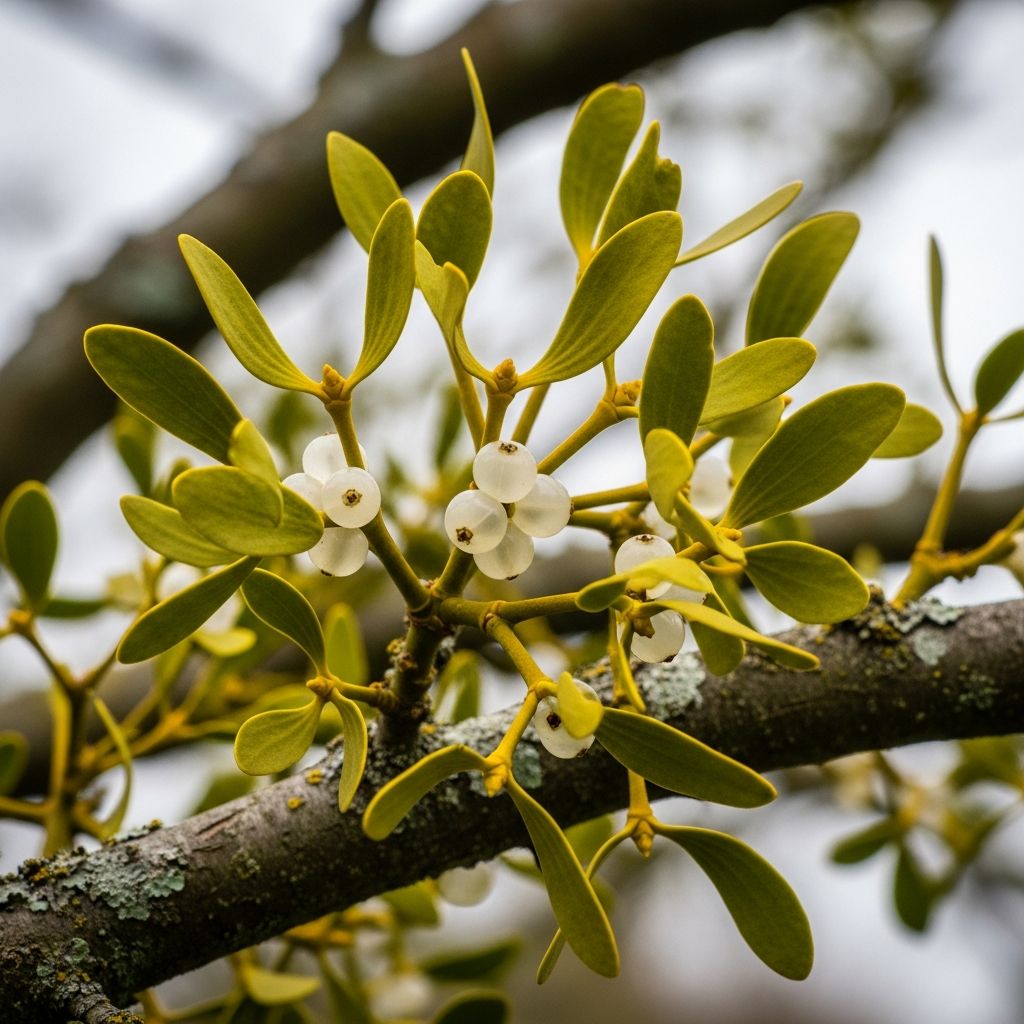
European Mistletoe: Usefulness and Safety
European mistletoe, scientifically known as Viscum album L., has held a prominent place in traditional medicine for centuries, with applications ranging from treating seizures and headaches to managing menopause symptoms. In recent decades, research interest has intensified around its potential role as a complementary treatment for cancer. Today, European mistletoe represents one of the most extensively studied complementary and alternative medicine (CAM) therapies for malignant diseases, particularly in Europe where injectable formulations are available as prescription medications. However, the scientific community continues to debate the strength of evidence supporting its therapeutic claims.
Historical Use and Traditional Applications
The use of European mistletoe in traditional and folk medicine spans centuries, with documented applications across various European cultures and healing traditions. Historically, practitioners employed mistletoe to address neurological conditions, particularly seizures and epilepsy, as well as tension-related headaches. Traditional healers also recognized mistletoe’s potential value in managing menopause-related symptoms and supporting overall wellness. These historical uses laid the foundation for modern scientific investigation into the plant’s active compounds and mechanisms of action.
The plant’s active constituents include viscotoxins, triterpenes, flavonoids, and other phenolic compounds that contribute to its pharmacological properties. Over time, these traditional applications prompted researchers to explore mistletoe’s potential across a broader spectrum of health conditions through rigorous clinical investigation.
Cancer Treatment and Clinical Research
Current Research Status
European mistletoe is promoted as a treatment for cancer, with substantial research efforts concentrated in European countries where it has achieved greater regulatory acceptance. However, the U.S. Food and Drug Administration (FDA) has not approved European mistletoe as a treatment for cancer or any other medical condition. The regulatory landscape reflects ongoing debates within the scientific community regarding the quality and consistency of evidence supporting its use.
Clinical Trial Findings
Clinical trials examining European mistletoe for cancer treatment have produced mixed results. While some trials indicated that mistletoe improved survival rates or quality of life in cancer patients, many studies exhibited significant methodological limitations. Common weaknesses included small patient populations, insufficient documentation of patient characteristics, lack of standardized dosing information, and problematic study design elements. These issues raise important questions about the reliability and generalizability of positive findings.
Studies have examined mistletoe’s effects across various cancer types, including breast cancer, lung cancer, colorectal cancer, and pancreatic cancer. In breast cancer research specifically, two studies with five-year follow-ups demonstrated that mistletoe did not negatively influence chemotherapy effectiveness while simultaneously reducing persistent treatment-related symptoms.
Quality of Life Improvements
Among the more consistent findings in mistletoe research are improvements in cancer patients’ quality of life and symptom management. Patients receiving mistletoe treatment alongside conventional cancer therapies reported reductions in fatigue, sleep disturbances, exhaustion, nausea, vomiting, appetite loss, depression, anxiety, and pain. Additionally, mistletoe appeared to reduce side effects associated with chemotherapy and radiotherapy, though the mechanisms underlying these improvements remain incompletely understood.
The immune-stimulating properties of mistletoe may partially explain these quality-of-life benefits. The plant induces T-helper 2 immune responses, as evidenced by significant eosinophilia observed during treatment in patients with chronic hepatitis C. This immune modulation may contribute to the physical improvements reported by cancer patients receiving mistletoe supplementation.
Related Stories



Forms and Administration
Available Preparations
European mistletoe is available in multiple pharmaceutical forms to accommodate different treatment preferences and clinical contexts:
– Capsules containing dried mistletoe material- Liquid extracts for oral consumption- Herbal tea preparations- Powdered forms for various applications- Injectable formulations used in clinical research and medical practice (primarily in Europe)
In European countries, injectable mistletoe extracts are sold as prescription medications, reflecting a more established regulatory pathway than exists in the United States. Oral supplements containing mistletoe are available in the U.S. market as dietary supplements, though they lack FDA approval for specific medical claims.
Proposed Therapeutic Uses
Beyond cancer treatment, European mistletoe has been investigated for numerous health conditions based on traditional use and preliminary scientific evidence:
– Asthma and respiratory conditions- Epilepsy and seizure disorders- Tension and migraine headaches- Arthritis and degenerative joint diseases- Hypertension and cardiovascular disease- Diabetes and blood sugar regulation- Common colds and influenza- Immune system support and enhancement- Anti-inflammatory conditions- Neurological disorders including insomnia
While animal and laboratory studies have suggested potential effectiveness for these conditions, human clinical trials remain limited. The transition from promising in vitro and animal model results to proven human efficacy requires substantial additional research investment.
Mechanisms of Action
Biochemical Properties
Research has identified several biological mechanisms through which mistletoe extracts may exert therapeutic effects. The plant contains multiple active compounds with distinct pharmacological properties. Triterpene-containing mistletoe extracts have demonstrated the greatest apoptotic induction in preclinical models, with improved efficacy against malignant melanoma compared with conventional extracts, potentially through reduced tumor angiogenesis.
Viscotoxins, protein compounds present in mistletoe, appear responsible for both tumor-inhibiting and immune-stimulating activities. However, importantly, mistletoe produces both pro- and anti-proliferative effects depending on the dose administered, highlighting the complexity of its biological action and the importance of standardized dosing protocols.
Cardiovascular and Anti-inflammatory Effects
Recent research has identified cardioprotective potential in mistletoe preparations. Studies in animal models of myocardial ischemia and reperfusion injury demonstrated that both aqueous and methanolic mistletoe extracts reduced infarction extent compared with untreated controls. The phenolic compounds in mistletoe, particularly flavonoids, possess anti-platelet, antioxidant, and anti-inflammatory properties that may modulate cardioprotective signaling pathways.
Additionally, mistletoe extract combined with quercetin supplementation has shown the ability to attenuate drug-induced cardiotoxicity, an effect attributed to antioxidant enzyme activity and reduced lipid peroxidation markers.
Safety and Adverse Effects
Contraindications and At-Risk Populations
Pregnant and nursing women should not consume mistletoe due to uterine stimulant activity from tyramine and other unidentified constituents. The potential for adverse fetal outcomes or harm to nursing infants necessitates complete avoidance during these physiological states.
Children represent another vulnerable population for mistletoe exposure, requiring careful supervision and avoidance of this herbal product. Safety data specifically addressing pediatric populations remains limited, and toxic effects cannot be adequately predicted in developing organisms.
Toxicity Concerns
While mistletoe preparations have been used for extended periods in European clinical contexts, certain forms present toxicity concerns requiring medical oversight. The variation in mistletoe species composition, extraction methods, and preparation quality can result in inconsistent concentrations of active and potentially toxic compounds. Injectable forms particularly warrant professional medical administration and monitoring.
Medical Supervision Recommendations
Current evidence supports the use of mistletoe exclusively under medical supervision, particularly for injectable formulations. Healthcare providers can monitor for adverse effects, assess therapeutic response, ensure appropriate dosing, and manage potential interactions with concurrent medications or treatments.
Regulatory Status
United States Regulatory Landscape
The FDA has not approved European mistletoe as a treatment for cancer or any other medical condition. Mistletoe products available in the U.S. market are classified as dietary supplements and are not subject to the same rigorous approval process as pharmaceutical medications. Manufacturers cannot make disease claims regarding these products, though educational information about traditional uses remains permissible.
European Regulatory Framework
The regulatory environment in Europe differs substantially from the United States. In certain European countries, mistletoe extracts administered by injection are sold as prescription drugs, indicating a more established recognition of the product within medical practice. This regulatory distinction reflects both longer historical use and different standards of evidence accepted by European regulatory authorities.
Key Research Findings and Evidence Summary
The scientific literature on European mistletoe reveals several consistent themes despite methodological limitations in many published studies:
– Mistletoe is not a proven cancer treatment and should not be used as a treatment for cancer outside of formal clinical trials- Quality-of-life improvements and symptom reduction represent the most consistently documented benefits- Immunomodulatory effects appear to underlie many observed benefits- Study quality issues prevent definitive conclusions about survival benefit- Animal and laboratory studies demonstrate biological activity but require human validation- Injectable formulations warrant professional medical administration- Safety concerns exist for pregnant, nursing, and pediatric populations
Current Consensus and Future Directions
The integrative medicine and oncology communities acknowledge mistletoe’s historical significance and emerging scientific evidence while maintaining appropriate caution regarding unproven claims. Large prospective clinical trials employing rigorous methodology are necessary to determine safety and establish whether immune-related events translate to beneficial therapeutic outcomes.
Researchers emphasize that benefits attributed to mistletoe treatment occur in combination with medical care, and the plant should not replace proven conventional therapies. The bidirectional activity observed in cancer research—where mistletoe demonstrates both pro- and anti-proliferative effects depending on dose—underscores the importance of standardized preparations and professional guidance.
Frequently Asked Questions
Q: Is European mistletoe approved by the FDA for cancer treatment?
A: No. The FDA has not approved European mistletoe as a treatment for cancer or any other medical condition. In the United States, mistletoe is available only as a dietary supplement without disease claims.
Q: Can mistletoe replace conventional cancer treatment?
A: No. European mistletoe should not be used as a replacement for proven conventional cancer treatments. It may be considered only as a complementary therapy used alongside standard medical care and only within clinical trial settings for cancer treatment.
Q: Is mistletoe safe during pregnancy?
A: No. Pregnant women should not consume mistletoe due to uterine stimulant activity from tyramine and other constituents that could harm fetal development.
Q: What forms of mistletoe are available?
A: European mistletoe is available as capsules, liquid extracts, herbal teas, powders, and injectable formulations (primarily in Europe). The choice of form depends on the therapeutic application and medical guidance.
Q: Does mistletoe have proven benefits for conditions other than cancer?
A: While animal and laboratory studies suggest potential benefits for conditions like hypertension, diabetes, and arthritis, human clinical trials remain insufficient to prove effectiveness. Additional research is needed to establish definitive benefits.
Q: Why are European clinical trials of mistletoe more common than U.S. trials?
A: European countries have longer histories of medical mistletoe use and more established regulatory frameworks for injectable preparations. The regulatory environment and clinical acceptance differ substantially from the United States regulatory model.
Q: Should children use mistletoe products?
A: No. Safety data for children is limited, and mistletoe should be avoided in pediatric populations due to potential toxicity concerns and lack of adequate safety testing in this vulnerable group.
References
- European Mistletoe: Usefulness and Safety — National Center for Complementary and Integrative Health (NCCIH), U.S. National Institutes of Health. Accessed 2025-12-01. https://www.nccih.nih.gov/health/european-mistletoe
- Mistletoe (European) — Memorial Sloan Kettering Cancer Center. Accessed 2025-12-01. https://www.mskcc.org/cancer-care/integrative-medicine/herbs/mistletoe-european
- Biological activity of mistletoe: in vitro and in vivo studies and clinical applications — National Center for Biotechnology Information (NCBI), PubMed Central. 2020. https://pmc.ncbi.nlm.nih.gov/articles/PMC7340679/
- Mistletoe Extracts (PDQ®) – Patient Version — National Cancer Institute (NCI). Accessed 2025-12-01. https://www.cancer.gov/about-cancer/treatment/cam/hp/mistletoe-pdq
- The cardioprotective potential of selected species of mistletoe — Frontiers in Pharmacology. 2024. https://www.frontiersin.org/journals/pharmacology/articles/10.3389/fphar.2024.1395658/full
- Mistletoe’s therapeutic uses — EBSCO Research Starters. Accessed 2025-12-01. https://www.ebsco.com/research-starters/health-and-medicine/mistletoes-therapeutic-uses
Similar Articles








Read full bio of Sneha Tete