Eustachian Tube Dysfunction: Causes, Symptoms & Treatment
Complete guide to understanding Eustachian tube dysfunction, its symptoms, causes, and effective treatment options.
What Is Eustachian Tube Dysfunction?
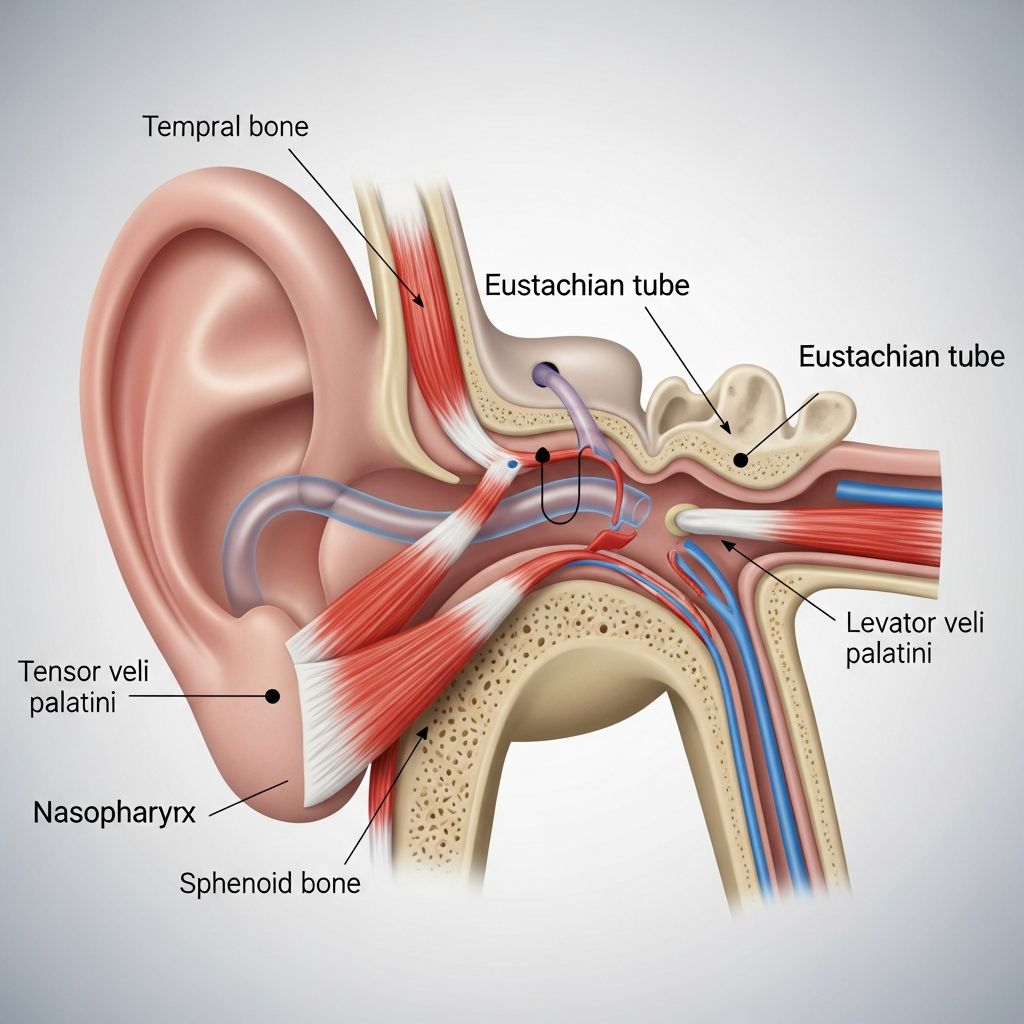
Eustachian tube dysfunction (ETD) occurs when the small tubes connecting your middle ears to your upper throat become blocked or fail to function properly. These tubes, about the size of a pencil lead, play a crucial role in maintaining pressure balance and allowing fluid drainage from the middle ear. When they become obstructed or dysfunctional, you may experience discomfort, hearing difficulties, and a sensation of fullness in your ear.
The condition is surprisingly common, affecting an estimated 11 million adults in the United States, with over 2 million healthcare visits annually related to this disorder. While Eustachian tube dysfunction usually resolves on its own within a few days to two weeks, chronic cases may require medical intervention to prevent serious complications.
How the Eustachian Tubes Work
Your Eustachian tubes serve several important functions in your ear system. Normally, when you yawn, sneeze, or swallow, these tubes open briefly to equalize pressure between your middle ear and the atmosphere. This pressure equalization is essential for comfortable hearing and ear function. Additionally, the tubes allow fluid that accumulates in the middle ear to drain properly into the throat, preventing buildup that could lead to infection or hearing problems.
The lining of your Eustachian tubes is covered with mucus-producing tissue. When functioning normally, this tissue helps maintain the health of the middle ear environment. However, when inflammation occurs or the tubes become congested, this delicate balance is disrupted, leading to the uncomfortable symptoms associated with ETD.
Symptoms of Eustachian Tube Dysfunction
Recognizing the symptoms of Eustachian tube dysfunction is the first step toward seeking appropriate treatment. Common symptoms include:
– Ear fullness or pressure sensation- Muffled or diminished hearing- Ear pain or discomfort- Popping or clicking sounds in the ear- Dizziness or balance problems- Tinnitus (ringing in the ears)- Sensation similar to water being trapped in the ear
These symptoms may occur in one or both ears and can range from mild to severe. Some people describe the sensation as feeling like they need to “pop” their ears constantly. The severity and duration of symptoms can vary significantly between individuals and may fluctuate throughout the day.
Common Causes of Eustachian Tube Dysfunction
Several factors can trigger or contribute to Eustachian tube dysfunction. Understanding these causes can help you identify why you might be experiencing symptoms and potentially prevent future occurrences.
Infection and Inflammation
Upper respiratory infections, such as the common cold and flu, are among the most frequent causes of temporary Eustachian tube dysfunction. These infections cause inflammation and mucus production in the nasal passages and throat, which can block the Eustachian tube opening. Sinusitis, an infection or inflammation of the sinuses, can similarly contribute to ETD by causing swelling in the surrounding tissues.
Related Stories



Allergies
Chronic allergies are a significant cause of ongoing Eustachian tube dysfunction. Allergic reactions trigger inflammation and excess mucus production in the nasal passages and throat, which can prevent the tubes from opening and closing normally. People with seasonal or year-round allergies may experience recurring episodes of ETD.
Structural Issues
Sometimes, physical abnormalities contribute to Eustachian tube problems. A deviated septum, where the wall between your nostrils is misaligned, can obstruct nasal airflow and affect the tubes’ function. Similarly, adenoid enlargement or nasal polyps can block the Eustachian tube opening, particularly in children but also in some adults.
Acid Reflux
Gastroesophageal reflux disease (GERD), commonly known as severe acid reflux, can cause inflammation that extends to the Eustachian tubes. The stomach acid can irritate the tissues around the tube opening, contributing to dysfunction and symptoms.
Other Contributing Factors
Additional causes and risk factors include rapid altitude changes during air travel or mountain climbing, tobacco smoke exposure, and water entering the ear during swimming. Certain medications, particularly decongestants used long-term, can paradoxically worsen Eustachian tube dysfunction despite their intended purpose of reducing congestion.
Diagnosis of Eustachian Tube Dysfunction
If you suspect you have Eustachian tube dysfunction, your healthcare provider will conduct a thorough evaluation to confirm the diagnosis and identify any underlying causes.
Medical History and Physical Examination
Your doctor will begin by asking detailed questions about your symptoms, including when they started, how severe they are, and whether they come and go or are constant. They’ll inquire about recent upper respiratory infections, allergies, or other relevant health conditions. During the physical examination, your healthcare provider will inspect your ear canals using an otoscope to examine your eardrums for signs of fluid buildup, inflammation, or perforation. They’ll also examine your nasal passages and the back of your throat to identify any obvious obstructions or signs of infection.
Diagnostic Tests
Depending on the initial findings, your doctor may recommend additional tests to better understand your condition:
– Audiometry: Hearing tests to measure your hearing ability and identify any hearing loss- Tympanometry: A test that measures how well your eardrum moves in response to pressure changes, helping to detect fluid behind the eardrum- Immittance testing: Evaluates middle ear function and pressure- Nasopharyngoscopy: Direct visualization of the nasal passages and Eustachian tube opening using a small endoscope
These diagnostic tools help your healthcare provider determine the severity of your condition and guide treatment decisions.
Treatment Options for Eustachian Tube Dysfunction
Treatment for Eustachian tube dysfunction varies depending on severity, duration, and underlying cause. Since many cases resolve spontaneously, treatment isn’t always necessary, particularly if symptoms persist for less than two weeks.
Home Remedies and Self-Care
For mild cases, several simple home remedies can provide relief:
– Yawning and chewing gum to help open the Eustachian tubes- Swallowing frequently, especially during altitude changes- Using the Valsalva maneuver (gently pinching your nose and blowing)- Applying warm compresses to the affected ear- Staying hydrated to help thin mucus- Elevating your head while sleeping to promote fluid drainage
These conservative approaches work for many people and should be attempted first before pursuing medical treatment.
Medications
When home remedies prove insufficient, your healthcare provider may recommend medications to address underlying inflammation or congestion:
| Medication Type | Purpose | Duration |
|---|---|---|
| Nasal Decongestants | Reduce nasal congestion and swelling to help open the Eustachian tube | Short-term use only (3-5 days) |
| Intranasal Corticosteroids | Reduce inflammation in nasal passages and around the Eustachian tube | Several weeks under medical supervision |
| Antihistamines | Control symptoms if allergies are a contributing factor | As needed or regularly for chronic allergies |
| Antibiotics | Treat bacterial infections contributing to ETD | Typically 7-10 days |
It’s important to note that while decongestants can provide temporary relief, overuse or long-term use can actually worsen Eustachian tube dysfunction in some cases. Always follow your healthcare provider’s recommendations regarding medication duration and dosage.
Surgical and Minimally Invasive Treatments
When conservative treatments fail and symptoms persist beyond two weeks, or when symptoms are particularly severe or chronic, surgical intervention may be necessary. Several options are available:
Eustachian Tube Balloon Dilation
Eustachian tube balloon dilation has emerged as an effective minimally invasive treatment for chronic ETD. During this procedure, which can be performed in an office or operating room setting under local anesthesia or mild sedation, a small endoscope is inserted through the nostril to visualize the Eustachian tube opening. A tiny balloon catheter is then passed through the nose and into the Eustachian tube. The balloon is inflated for approximately two minutes, gently stretching the tube to restore normal function, then deflated and removed.
Relief from symptoms typically occurs over a two-week period following the procedure. The procedure involves minimal discomfort and has been shown in clinical studies to provide safe and effective symptom relief for many patients with chronic Eustachian tube dysfunction.
Ear Tube Placement (Tympanostomy)
This procedure involves making a small incision in the eardrum and placing a pressure equalization (PE) tube, also called a tympanostomy tube, through the opening. The tube allows fluid to drain from the middle ear and equalizes pressure without relying on normal Eustachian tube function. While commonly associated with children, adults can also benefit from ear tube placement. The tubes eventually fall out on their own as the eardrum heals, typically within 6-12 months.
Functional Endoscopic Sinus Surgery
If structural abnormalities like a deviated septum or nasal polyps are contributing to Eustachian tube dysfunction, your surgeon may recommend functional endoscopic sinus surgery to correct these issues and improve nasal airflow and Eustachian tube function.
When to Seek Medical Attention
While Eustachian tube dysfunction is usually not dangerous, certain situations warrant professional medical evaluation:
– Symptoms persist for more than two weeks despite home remedies- Severe ear pain accompanying your symptoms- Signs of infection, such as fever or pus drainage from the ear- Sudden hearing loss- Symptoms affecting your quality of life or daily activities- Recurrent episodes of ETD
If left untreated, chronic Eustachian tube dysfunction can lead to serious complications including permanent hearing loss, chronic tinnitus, or damage to your eardrum and middle ear structures. Don’t ignore persistent symptoms—early intervention can prevent these complications.
Prevention and Risk Reduction
While you cannot completely prevent Eustachian tube dysfunction, several strategies can reduce your risk or minimize symptom severity:
– Manage allergies effectively with appropriate medications or allergy testing- Practice good nasal hygiene and use saline rinses regularly- Avoid smoking and secondhand smoke exposure- Treat upper respiratory infections promptly- Stay hydrated, especially during and after respiratory illnesses- Manage GERD or acid reflux with appropriate treatment- Equalize ear pressure during altitude changes by yawning or chewing- Avoid inserting objects into your ear canal- Use earplugs when swimming to prevent water entry
Prognosis and Recovery
Most cases of Eustachian tube dysfunction resolve naturally within one to two weeks. However, people with chronic ETD may experience persistent symptoms for weeks, months, or even years if left untreated. The good news is that Eustachian tube dysfunction is typically not serious, and various effective treatment options exist to manage symptoms and restore normal ear function.
Frequently Asked Questions
Q: How long does Eustachian tube dysfunction usually last?
A: Most cases resolve on their own within one to two weeks. However, if symptoms persist beyond two weeks, medical evaluation is recommended. Chronic cases may last for months or longer without treatment.
Q: Can Eustachian tube dysfunction cause permanent hearing loss?
A: While temporary hearing changes are common with ETD, permanent hearing loss can occur if the condition remains untreated for extended periods. Early treatment helps prevent this complication.
Q: Is Eustachian tube balloon dilation covered by insurance?
A: Coverage varies by insurance plan and individual circumstances. Consult your insurance provider and healthcare facility about coverage for this procedure.
Q: Can allergies cause Eustachian tube dysfunction?
A: Yes, chronic allergies frequently contribute to Eustachian tube dysfunction by causing inflammation and mucus buildup that blocks the tubes. Managing allergies can help prevent ETD episodes.
Q: Are there any age restrictions for ear tube placement?
A: While ear tubes are commonly placed in children, adults can also benefit from this procedure when appropriate. Your healthcare provider can determine if this treatment is suitable for your situation.
Q: What should I do if my symptoms suddenly worsen?
A: Contact your healthcare provider immediately. Sudden worsening of symptoms may indicate a developing infection or other complications requiring prompt medical attention.
References
- Eustachian Tube Dysfunction: Symptoms, Causes & Treatment — Cleveland Clinic. 2024-10-10. https://my.clevelandclinic.org/health/diseases/22527-eustachian-tube-dysfunction
- Eustachian Tubes: Anatomy, Function & Related Disorders — Cleveland Clinic. https://my.clevelandclinic.org/health/body/22072-eustachian-tubes
- Eustachian Tube Dysfunction — Stryker. https://www.stryker.com/content/m/patients/us/ent/en/index/eustachian-tube-dysfunction.html
- Eustachian Tube Balloon Dilation — Cleveland Nasal Sinus & Sleep Center. https://www.clevelandnasalsinus.com/balloon-dilation-eustachian-tube.html
- 6 Solutions for Eustachian Tube Dysfunction — Raleigh Capitol ENT. https://raleighcapitolent.com/6-solutions-for-eustachian-tube-dysfunction-2/
- Ear Tubes (Tympanostomy): Definition & Procedure — Cleveland Clinic. https://my.clevelandclinic.org/health/treatments/15609-ear-tubes-tympanostomy
- Ear: Anatomy, Facts & Function — Cleveland Clinic. https://my.clevelandclinic.org/health/body/24048-ear
Similar Articles








Read full bio of Sneha Tete