EVALI: E-Cigarette and Vaping Lung Injury
Understanding EVALI: Symptoms, causes, and treatment for vaping-related lung injury.
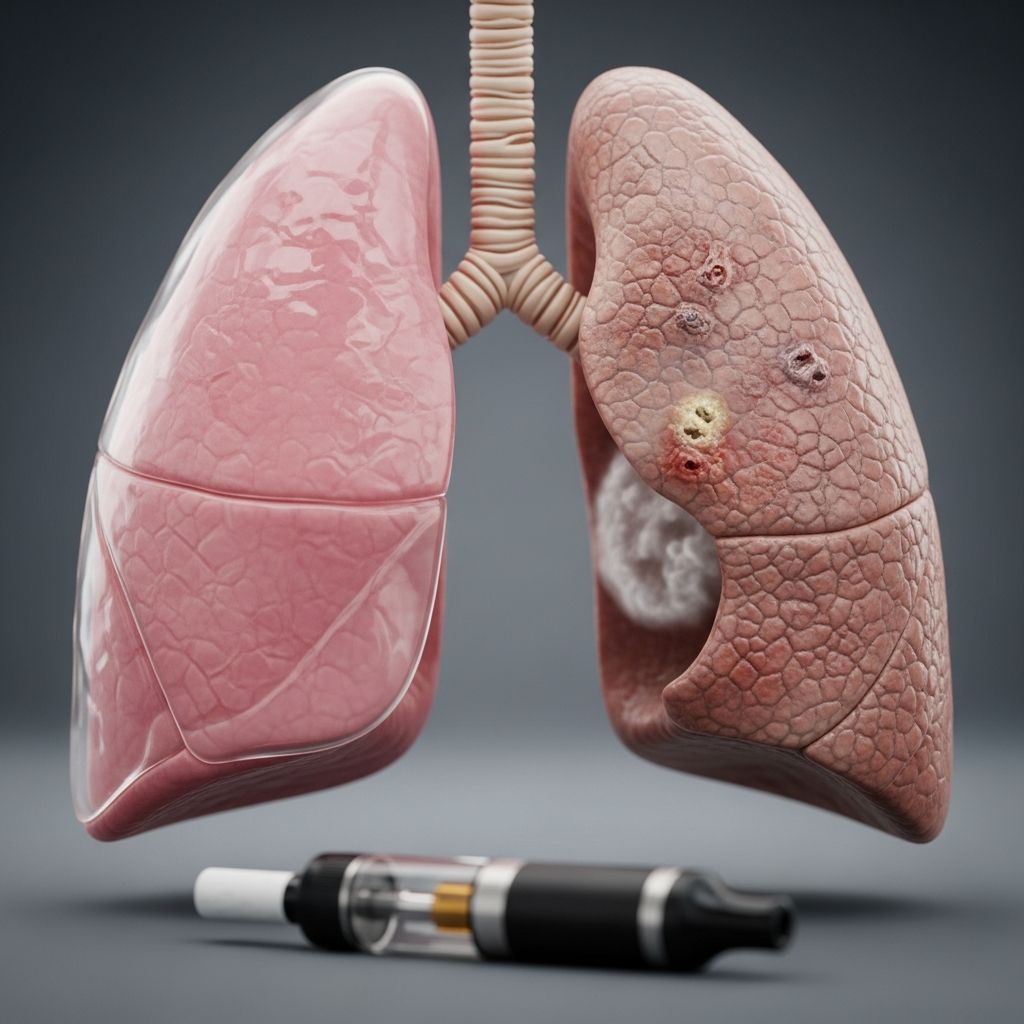
Understanding EVALI: E-Cigarette or Vaping Product Use-Associated Lung Injury
E-cigarette or Vaping Product Use-Associated Lung Injury, commonly known as EVALI, is a serious medical condition that affects the respiratory system. This acute lung injury emerged as a significant public health concern in 2019 and has since become an important focus for medical professionals and health organizations worldwide. EVALI represents a complex interplay between vaping products and their effects on lung tissue, requiring immediate medical attention and comprehensive understanding.
The condition became particularly prominent during the 2019-2020 outbreak period, when hundreds of cases were reported across the United States. Since then, researchers and healthcare providers have made substantial progress in understanding the underlying causes and developing effective treatment protocols. The dramatic decrease in cases since the peak in August and September 2020 demonstrates the importance of public awareness and early intervention strategies.
What is EVALI?
EVALI is an acute inflammatory condition of the lungs triggered by inhaling substances from e-cigarettes and vaping products. Unlike traditional pneumonia caused by bacteria or viruses, EVALI develops as a direct result of chemical exposure from vaping devices. The condition can range from mild respiratory discomfort to severe acute respiratory distress syndrome requiring intensive medical care.
This syndrome affects individuals of all ages, though it has been particularly documented in younger populations. According to health data, approximately 15% of EVALI patients were under 18 years old during the outbreak period, highlighting the vulnerability of youth to this condition. The illness can develop relatively quickly after vaping exposure, with some patients experiencing severe symptoms within days of using affected products.
Symptoms of EVALI
EVALI presents with a wide range of symptoms that can vary in severity depending on the extent of lung damage. These symptoms typically develop over a period of days to weeks and may initially resemble common respiratory illnesses, leading to potential misdiagnosis.
Primary respiratory symptoms include:
– Shortness of breath (dyspnea)- Persistent cough- Chest pain or chest tightness- Difficulty breathing or rapid breathing- Wheezing or other abnormal breathing sounds
Systemic and constitutional symptoms often include:
– Fever and chills- Fatigue and general weakness- Night sweats- Myalgia (muscle pain)- Headache and dizziness- Weight loss
Gastrointestinal symptoms frequently present alongside respiratory manifestations:
– Nausea and vomiting- Diarrhea- Abdominal pain- Loss of appetite
Additional symptoms reported in some cases include sore throat, nasal congestion, rapid heartbeat, and leg pain. One significant challenge in EVALI diagnosis is the non-specific nature of these symptoms, which overlap considerably with bacterial pneumonia, viral infections, and other respiratory conditions. Approximately 58% of EVALI patients had prior healthcare visits before accurate diagnosis, and 17% received unnecessary antibiotic therapy, indicating the diagnostic complexity of this condition.
Causes of EVALI
Research has identified specific chemical components in vaping products as the primary culprits in EVALI development. The most significant discovery involves vitamin E acetate, a synthetic form of vitamin E that has been used as a thickening agent in some vaping products.
Related Stories



Vitamin E Acetate as the Primary Cause:
Vitamin E acetate has been strongly linked to EVALI through multiple laboratory and clinical studies. When inhaled into the lungs, this compound damages lung tissue at the cellular level. Studies have demonstrated remarkable consistency in findings: vitamin E acetate was detected in the lung fluid of 48 out of 51 EVALI patients (94%) across multiple states. In contrast, lung fluid samples from healthy individuals showed no presence of this chemical, establishing a clear causal relationship.
How Vitamin E Acetate Damages the Lungs:
When vitamin E acetate is inhaled, it interferes with normal lung function by coating the alveoli and disrupting the protective surfactant layer. This leads to inflammation, impaired oxygen exchange, and the characteristic radiological findings seen in EVALI patients. The chemical’s lipid nature makes it particularly problematic when deposited in the lung’s air sacs.
Other Potential Contributing Factors:
While vitamin E acetate is considered the main cause, other chemicals found in nicotine- and THC-containing vaping products may contribute to EVALI development. These may include propylene glycol, vegetable glycerin, flavorings, and various other additives. The combination of multiple chemical exposures may increase the risk and severity of the condition.
Risk Factors and Vulnerable Populations:
Individuals using black-market or illegally obtained THC vaping cartridges face higher risks, as these products are more likely to contain vitamin E acetate and other harmful additives. The lack of regulatory oversight for illicit vaping products creates an unpredictable chemical environment that increases EVALI risk substantially.
Diagnosis of EVALI
Diagnosing EVALI requires a comprehensive approach combining clinical evaluation, imaging studies, and laboratory findings. Healthcare providers must maintain a high index of suspicion, particularly in patients with recent vaping history and unexplained respiratory symptoms.
Clinical Assessment:
The diagnostic process begins with a detailed history emphasizing vaping and e-cigarette use patterns. Healthcare providers ask about the types of products used, frequency of use, and whether products were obtained from legal or illicit sources. Physical examination typically reveals abnormal lung sounds, including crackles, wheezing, or reduced breath sounds.
Radiological Findings:
Chest imaging plays a crucial role in EVALI diagnosis. High-resolution CT scans commonly reveal characteristic patterns including centrilobular ground-glass nodules and bilateral confluent ground-glass opacities with frequent subpleural sparing. The crazy-paving pattern (intersection of ground-glass opacities with septal lines) is frequently observed. These findings typically show basilar and dependent predominance, though exceptions with upper lobe involvement have been documented.
Laboratory Investigations:
Blood tests typically show elevated inflammatory markers including C-reactive protein (CRP) and elevated neutrophil counts. Liver function tests reveal elevated transaminases in approximately 50% of EVALI patients, suggesting systemic inflammatory involvement. Procalcitonin elevation may help distinguish EVALI from bacterial pneumonia.
Differential Diagnosis:
EVALI must be differentiated from several other conditions including bacterial and viral pneumonia, hypersensitivity pneumonitis, acute respiratory distress syndrome (ARDS), and bronchiolitis obliterans (popcorn lung). This distinction is critical as it guides treatment decisions and prognosis assessment.
Treatment Options for EVALI
Effective EVALI management requires a multi-faceted approach with early intervention being paramount. Most patients require hospitalization due to the severity of symptoms and potential for rapid deterioration. Treatment strategies have evolved based on clinical experience and emerging evidence from case series and expert recommendations.
Immediate Cessation of Vaping:
The first and most critical step in EVALI treatment is complete and immediate cessation of all vaping and e-cigarette use. Continued exposure perpetuates lung damage and prevents recovery. Patients should also be counseled to avoid traditional tobacco smoking, as this compounds respiratory inflammation and delays healing.
Corticosteroid Therapy:
High-dose systemic corticosteroids form the cornerstone of EVALI pharmacological treatment. Most patients show significant clinical improvement with corticosteroid therapy, though no randomized controlled trials have been conducted. Standard regimens typically begin with intravenous methylprednisolone, followed by oral prednisolone at approximately 1 mg/kg daily. The anti-inflammatory properties of corticosteroids suppress the excessive inflammatory response characteristic of EVALI and may prevent progression to acute respiratory distress syndrome.
Antimicrobial Therapy:
Antibiotic treatment should be administered while diagnostic test results are being finalized, as EVALI symptoms closely mimic bacterial pneumonia. Antibiotics may be continued if bacterial or viral co-infection is confirmed. Antiviral medications should be considered, particularly during influenza season, given the overlapping symptomatology with viral pneumonia. In cases where bronchiolitis is clinically or radiologically suspected, macrolide-based therapy is recommended for its immunomodulatory properties.
Supportive Respiratory Care:
Oxygen therapy is essential for maintaining adequate blood oxygen saturation. Patients may initially receive supplemental oxygen through nasal cannula or oxygen masks. In more severe cases, non-invasive ventilation such as continuous positive airway pressure (CPAP) or bi-level positive airway pressure (BiPAP) may be required. Approximately 50% of EVALI patients admitted to intensive care units require mechanical ventilation. In the most severe cases with refractory hypoxemia, extracorporeal membrane oxygenation (ECMO) support may be necessary to sustain life while the lungs recover.
Symptomatic Management:
Additional supportive measures include bronchodilators such as nebulized albuterol and ipratropium for patients experiencing bronchospasm. Pain management may be necessary for chest discomfort, and antiemetics can address nausea and vomiting. Nutritional support becomes important for patients experiencing prolonged illness with gastrointestinal symptoms.
Follow-up Care:
After hospital discharge, patients should schedule pulmonologist follow-up appointments within 48 hours. Long-term respiratory monitoring is essential to assess recovery and identify any lingering complications or residual lung dysfunction.
Potential Complications of EVALI
Untreated or severe EVALI can progress to serious complications including acute respiratory distress syndrome (ARDS), respiratory failure requiring mechanical ventilation, secondary bacterial or viral pneumonia, bronchiolitis obliterans, and in rare cases, death. Rapid clinical deterioration can occur within 24-48 hours, underscoring the importance of early recognition and aggressive treatment.
Prevention Strategies
Prevention remains the most effective strategy for avoiding EVALI. Key prevention measures include complete avoidance of vaping and e-cigarette products, particularly THC-containing products from illicit sources. Public awareness campaigns highlighting EVALI risks, particularly targeting youth, are essential components of prevention strategies. Regulatory oversight of vaping product manufacturing and distribution helps reduce the prevalence of contaminated products in the marketplace.
Frequently Asked Questions About EVALI
Q: How quickly can EVALI develop after vaping?
A: EVALI symptoms can develop over days to weeks following vaping exposure. Some individuals experience rapid symptom onset and progression, while others develop symptoms more gradually.
Q: Can EVALI be cured completely?
A: With appropriate and timely treatment, most EVALI patients recover substantially. However, some individuals may experience persistent respiratory effects or reduced lung function long-term.
Q: Is EVALI only associated with THC vaping?
A: While vitamin E acetate was most commonly found in THC-containing products, EVALI has been associated with both nicotine and THC vaping products, suggesting that other chemicals in vaping devices may also contribute to the condition.
Q: How is EVALI distinguished from regular pneumonia?
A: EVALI is distinguished through specific imaging patterns, chemical analysis, and the absence of bacterial or viral pathogens. A recent history of vaping is a critical diagnostic clue.
Q: What is the long-term outlook for EVALI patients?
A: Most EVALI patients recover with appropriate treatment and vaping cessation. However, close pulmonary follow-up is recommended to monitor for residual lung dysfunction or complications.
Q: Are there any permanent effects from EVALI?
A: While most patients recover, some may experience persistent mild respiratory symptoms or reduced exercise tolerance. Regular follow-up with pulmonologists helps identify and manage any lingering effects.
References
- E-cigarette, or Vaping Product, Use Associated Lung Injury (EVALI) — Yale Medicine. 2025. https://www.yalemedicine.org/conditions/evali
- Suggested management of e-cigarette or vaping product use associated lung injury — National Institutes of Health, PubMed Central. 2020. https://pmc.ncbi.nlm.nih.gov/articles/PMC7399386/
- E-cigarette or Vaping Use-Associated Lung Injury (EVALI) — American Lung Association. 2025. https://www.lung.org/lung-health-diseases/lung-disease-lookup/evali
- What Vaping Really Does to Your Lungs — University of Utah Health. 2019. https://healthcare.utah.edu/healthfeed/2019/07/vaping-and-pneumonia
- E-cigarette, or Vaping, Product Use-Associated Lung Injury (EVALI): What You Need to Know — Tobacco Atlas. 2025. https://tobaccoatlas.org/e-cigarette-or-vaping-product-use-associated-lung-injury-or-evali-what-you-need-to-know/
- What Are the Early Warning Signs of Vaping Illness? — WebMD. 2025. https://www.webmd.com/lung/features/vaping-illness-symptoms
Similar Articles








Read full bio of medha deb