Evans Syndrome: Symptoms, Causes & Treatment
Comprehensive guide to Evans syndrome: understanding autoimmune blood cell destruction and treatment options.
Understanding Evans Syndrome: A Comprehensive Overview
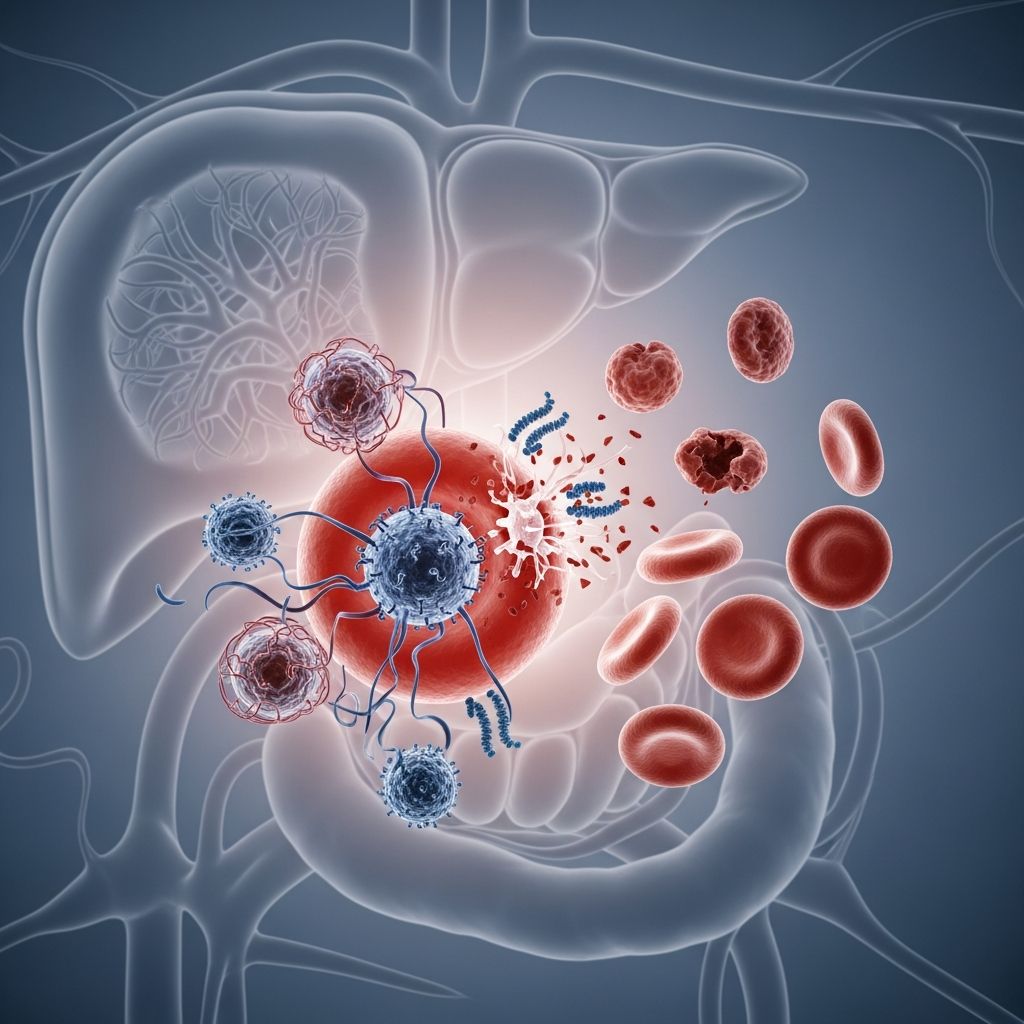
Evans syndrome is an autoimmune disease that causes your immune system to mistakenly destroy your own blood cells. This rare but serious condition targets at least two out of the three different types of blood cells, which can leave you with a deficit of red blood cells, platelets, and/or neutrophils. Most people with Evans syndrome develop a low red blood cell count (anemia) and low platelet count (thrombocytopenia). Some are also low in a type of white blood cell called neutrophils (neutropenia).
In Evans syndrome, B cells produce auto-antibodies that attack the body’s own cells, leading to widespread blood cell destruction. These conditions affect the amount of oxygen in your blood, how well your blood clots, and how well your body fights infections. They can make you weak and tired, prone to bleeding, and prone to illness. Evans syndrome can be mild to severe and affect you a little or a lot, with severity varying over the course of your life. There’s no cure, but treatment can help manage the symptoms and effects.
Symptoms of Evans Syndrome
Evans syndrome symptoms can vary widely, depending on which types of cytopenia you have and how advanced they are. Most people develop anemia or thrombocytopenia first, followed by others later.
Early Symptoms of Anemia (Low Red Blood Cells)
When red blood cells are destroyed faster than the body can replace them, you may experience:
- Fatigue and general weakness
- Pale skin color (pallor)
- Dizziness and lightheadedness
- Shortness of breath
- Dark colored urine
- Rapid heartbeat
- Yellowing of the skin and eyes (jaundice)
- Limitation of physical activity
Early Symptoms of Thrombocytopenia (Low Platelets)
Low platelet counts can result in bleeding and clotting problems, manifesting as:
- Easy bruising on minor injuries
- Petechiae (small red or purple spots on skin)
- Purpura (larger purple patches)
- Nosebleeds
- Bleeding gums
- Prolonged bleeding from cuts
Symptoms of Neutropenia (Low White Blood Cells)
Low neutrophil levels may or may not occur later and can include:
- Recurrent infections
- Frequent fevers
- Mouth ulcers
- Sore throat
- Increased susceptibility to bacterial and fungal infections
Other Signs and Symptoms
Additional symptoms of Evans syndrome, which may occur off and on, include:
- Enlargement of the lymph nodes
- Enlarged spleen (splenomegaly)
- Enlarged liver (hepatomegaly)
- General malaise and feeling unwell
Causes and Risk Factors
Evans syndrome is primarily an idiopathic condition, meaning the exact cause is often unknown. However, it is fundamentally an autoimmune disorder where the body’s immune system malfunctions and produces antibodies that attack healthy blood cells. The immune system fails to distinguish between self and non-self antigens, leading to the destruction of red blood cells, platelets, and sometimes white blood cells.
In some cases, Evans syndrome may develop secondarily in association with other underlying conditions, such as systemic lupus erythematosus (SLE), lymphoproliferative disorders, or following solid-organ transplantation. Understanding whether Evans syndrome is primary or secondary is important for treatment planning and prognosis.
Related Stories



Complications of Evans Syndrome
Not everyone has complications with Evans syndrome. Some people only have mild symptoms. But in severe cases, cytopenias (blood cell deficits) can have life-threatening effects. Potential complications include:
- Severe bleeding (hemorrhaging): Low platelet counts can lead to uncontrolled bleeding episodes
- Sepsis: Low white blood cell counts compromise immune function, increasing infection risk
- Cardiovascular problems: Severe anemia can lead to heart failure and other cardiac complications
- Stroke: Can result from severe anemia or bleeding complications
- Organ damage: Prolonged low oxygen delivery to tissues
Diagnosis of Evans Syndrome
Blood tests diagnose Evans syndrome. You might have a blood test if you develop symptoms of cytopenia, or you might have one as part of a routine health checkup, including a blood cell count.
Diagnostic Testing Process
If your complete blood count (CBC) reveals low levels of red blood cells, platelets, or neutrophils, your healthcare team will investigate further by conducting additional tests on your blood sample. The diagnostic approach includes:
- Complete Blood Count (CBC): Measures levels of red blood cells, white blood cells, and platelets
- Direct Antiglobulin Test (DAT/Coombs Test): Determines whether antibodies are coating blood cells
- Antibody Assays: Tests for high levels of antibodies associated with Evans syndrome
- Bone Marrow Biopsy: May be performed to rule out other conditions affecting blood cell production
- Imaging Studies: CT scans of the chest, abdomen, and pelvis to evaluate for lymphoproliferative disorders or other secondary causes
- Infectious Disease Screening: Tests to exclude infectious diseases like HIV, hepatitis, and EBV
- Cancer Screening: Evaluation to rule out malignancies that could cause similar symptoms
Treatment Options for Evans Syndrome
Evans syndrome won’t necessarily affect your life expectancy. Some people have only mild or occasional symptoms. But certain complications, like bleeding, heart disease, and infections, can be life-threatening. If you have secondary Evans syndrome with another chronic condition, this also affects your life expectancy.
Standard First-Line Treatments
Standard treatment for Evans syndrome includes immunosuppressant medications and blood transfusions when necessary. Immunosuppressants act to suppress your immune system’s attack.
Corticosteroids
Corticosteroids are typically the first-line treatment and are often highly effective. They work by suppressing the immune system’s attack on blood cells. Steroids are given at 1 to 2 mg/kg per day and are tapered over weeks in isolated ITP or over months when warm AIHA is present.
Intravenous Immunoglobulin (IVIG)
IVIG is used relatively more frequently in patients with immune thrombocytopenia compared with those with isolated autoimmune hemolytic anemia. This treatment works by blocking the destruction of antibody-coated cells.
Blood Transfusions
When your blood cell counts get too low, your healthcare provider can boost them periodically with blood transfusions. Red blood cell transfusions address anemia, while platelet transfusions help prevent or manage bleeding complications.
Second-Line and Alternative Treatments
Rituximab is the preferred second-line treatment when first-line therapies are ineffective or not tolerated. Other treatment options include:
- Rituximab: A monoclonal antibody that targets B cells
- Splenectomy: Surgical removal of the spleen, which can improve outcomes in refractory cases
- Danazol: An androgen hormone used as an alternative immunosuppressive agent
- Other Immunosuppressants: Including azathioprine, mycophenolate mofetil, and other agents for refractory cases
Managing Symptoms and Effects
Healthcare providers can treat the symptoms or effects of your condition separately. Comprehensive treatment includes coordinated efforts among pediatricians, hematologists, immunologists, rheumatologists, and other healthcare professionals who work together as a team to provide lifelong care. Treatment may utilize medications, rehabilitation, nutrition, and counseling to help reduce the impact of your symptoms on daily life.
Long-Term Management and Prognosis
Like many chronic autoimmune conditions, Evans syndrome may get better or worse at different times. Sometimes, symptoms seem to go away, but then they return or worsen. People with Evans syndrome can have a wide range of experiences. Symptoms can be mild to severe. For some, they seem to disappear (go into remission). And for others, they reappear later (relapse).
Most people will need some treatment and regular checkups afterward. Treatment often works well, but not always. Sometimes, it doesn’t seem to work as well over time. You might need to try different treatments throughout your life because their effectiveness can change. Your provider will work to prevent the most serious complications of Evans syndrome.
Evans syndrome is lifelong, but it doesn’t always stay the same. You should expect to feel better, at least sometimes. However you’re feeling, your healthcare team will be there to provide the care you need.
Living with Evans Syndrome
Evans syndrome is a rare condition that you might not have heard of before. The symptoms can be strange and worrying. Piecing together what’s going on and what it means can be an unsettling process. However, with proper medical management and support, many people with Evans syndrome can maintain good quality of life.
Regular follow-up appointments are essential to monitor your blood cell counts and adjust treatment as needed. Keep your healthcare provider informed about any new symptoms or changes in your condition. Maintaining open communication with your medical team can help optimize your treatment plan and improve outcomes.
Frequently Asked Questions
Q: Is Evans syndrome curable?
A: There is no cure for Evans syndrome, but treatment can effectively manage symptoms and help achieve remission. Many people respond well to immunosuppressive therapy and other treatments.
Q: Can Evans syndrome go into remission?
A: Yes, Evans syndrome can go into remission for periods of time. However, relapses are common and may require additional treatment. The course of the disease varies significantly from person to person.
Q: What is the difference between primary and secondary Evans syndrome?
A: Primary Evans syndrome occurs without an identifiable underlying cause, while secondary Evans syndrome develops in association with other conditions like lupus or lymphoproliferative disorders. Treatment approaches may differ based on the type.
Q: How often should I have blood tests if I have Evans syndrome?
A: The frequency of blood tests depends on your treatment plan and symptoms. Most people require regular monitoring to track blood cell counts and adjust medications accordingly. Your healthcare provider will determine the appropriate testing schedule.
Q: Can children have Evans syndrome?
A: Yes, Evans syndrome can affect people of all ages, including children. Pediatric cases require specialized care from pediatric hematologists and immunologists.
Q: Will Evans syndrome affect my life expectancy?
A: Evans syndrome won’t necessarily affect your life expectancy. Some people have only mild symptoms, while others may experience more severe manifestations. Life expectancy depends on the severity of your condition, response to treatment, and management of potential complications.
Q: What should I ask my healthcare provider about Evans syndrome?
A: Consider asking about your specific diagnosis, treatment options, expected outcomes, potential side effects of medications, signs of complications to watch for, and when to seek emergency care.
References
- Evans Syndrome: Symptoms, Causes & Treatment — Cleveland Clinic. 2024. https://my.clevelandclinic.org/health/diseases/evans-syndrome
- Evans Syndrome — StatPearls, National Center for Biotechnology Information (NCBI). 2024. https://www.ncbi.nlm.nih.gov/books/NBK519015/
- Evans Syndrome | Symptoms, Causes, Treatment — National Organization for Rare Disorders (NORD). 2024. https://rarediseases.org/rare-diseases/evans-syndrome/
- Evans Syndrome — Boston Children’s Hospital. 2024. https://www.childrenshospital.org/conditions/evans-syndrome
- Splenectomy for Immune Cytopenias: Treatment Outcomes and Clinical Considerations — American Society of Hematology, Blood Journal. 2023. https://ashpublications.org/blood/article/140/Supplement%201/1226/490231/
Similar Articles








Read full bio of Sneha Tete