Even Snow Days Are Sun Days: Winter UV Protection
Don't let winter fool you—UV rays are just as dangerous on snowy days. Learn how to protect your skin year-round.
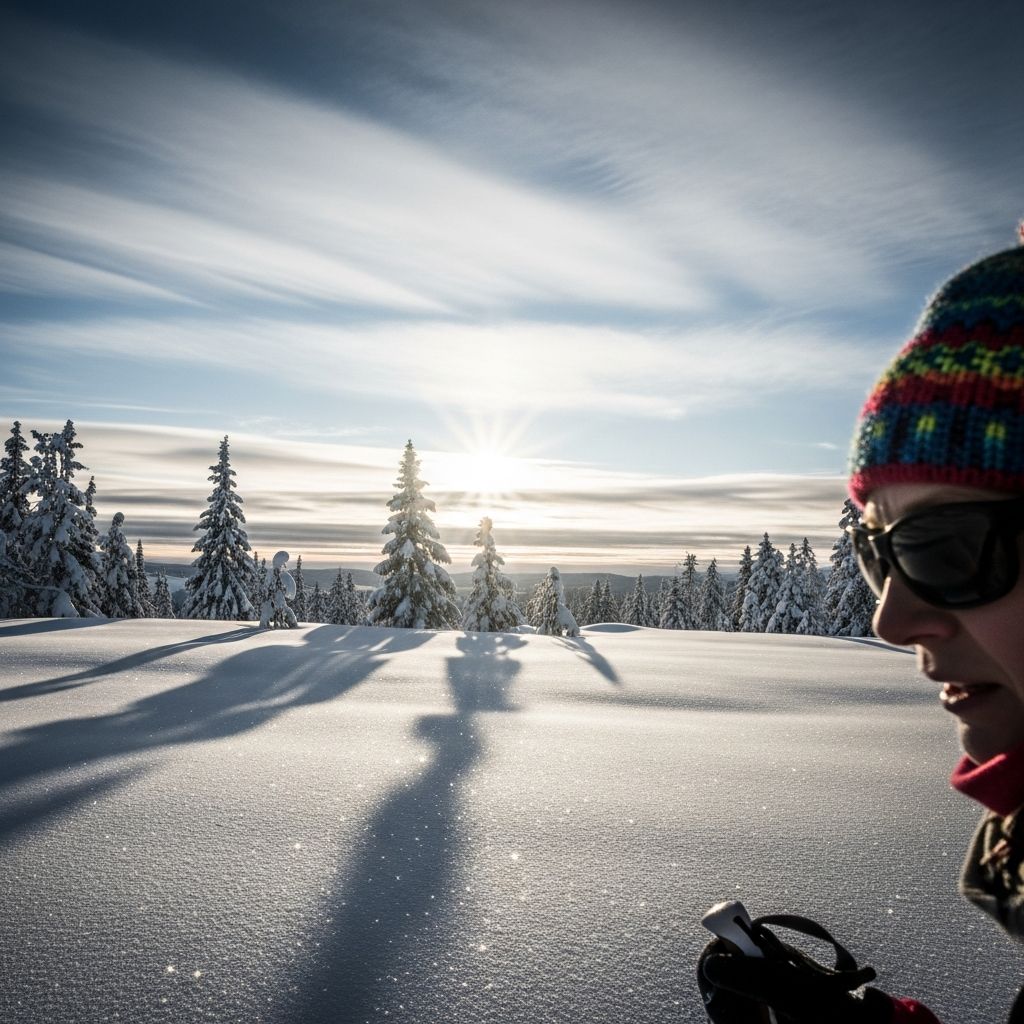
Even Snow Days Are Sun Days: Understanding Winter UV Exposure
When temperatures drop and snow blankets the landscape, many people assume they can abandon their sun protection routines. However, this assumption could not be further from the truth. The reality is that winter presents some of the most deceptive UV exposure risks of the entire year. Unlike summer, when intense heat reminds us to reach for sunscreen, winter’s cold temperatures can lull us into a false sense of security. Yet the sun’s ultraviolet rays remain just as potent and damaging during winter months as they do during summer, and in some cases, they become even more dangerous due to environmental factors unique to the cold season.
The common misconception that sunscreen is only needed during summer months has led countless individuals to develop skin damage, premature aging, and skin cancer during winter activities. Temperature is not an indicator of UV ray strength—radiation from the sun is what causes skin damage, and this radiation penetrates the atmosphere year-round regardless of outdoor temperature. Understanding this critical distinction is the first step toward comprehensive skin protection and reducing your long-term risk of skin cancer.
Why Winter Conditions Amplify UV Exposure
Several environmental factors specific to winter create conditions that actually intensify UV exposure beyond what many people experience during summer outdoor activities. Understanding these factors is essential for anyone who spends time outdoors during the colder months.
Snow Reflection: The Invisible Amplifier
Snow acts as a reflective surface that amplifies UV exposure in a way that few other natural environments can replicate. When ultraviolet rays hit snow and ice, approximately 80% of the UV light is reflected back toward your skin, meaning the rays hit you twice—once directly from the sun and again bounced back from the snowy surface. This doubling effect significantly increases cumulative UV exposure during winter activities. Even when you’re not in direct sunlight, reflected UV rays from snow can cause substantial skin damage. This is why sitting in the shade on a snowy day provides less protection than the same positioning would offer during summer, when reflective surfaces are less prevalent.
High-Altitude Intensification
Winter sports enthusiasts who travel to mountainous regions face an additional layer of UV exposure risk. At higher elevations, the atmosphere is thinner and absorbs less ultraviolet radiation, allowing more UV rays to reach your skin. The effect is substantial and measurable: for every 1,000 meters of elevation gain, UV exposure can increase by up to 10%. For those at 10,000 feet elevation, UV rays are approximately 40% stronger than at sea level. This means that skiing or snowboarding at mountain resorts typically exposes your skin to significantly more UV radiation than outdoor winter activities at lower elevations. The combination of high altitude and snow reflection creates a particularly hazardous environment for unprotected skin.
Cloud Cover Misconception
Another dangerous winter myth is that cloudy skies provide adequate sun protection. In reality, most ultraviolet rays from the sun can penetrate cloud cover and fog. Up to 80% of UV rays pass through clouds, meaning that overcast winter days still pose a significant skin cancer risk. Cloudy winter days may feel less intense and uncomfortable than sunny summer days, but the UV exposure remains substantial. This is why sun protection must be consistent throughout the year, regardless of perceived cloud cover or visible sunshine.
Understanding UV Ray Types and Winter Risk
Two main types of ultraviolet rays affect your skin: UVA and UVB rays. UVB rays are primarily responsible for sunburn and are generally strongest during summer months. However, UVB rays can burn and damage your skin year-round, especially on reflective surfaces such as snow or ice. UVA rays, which penetrate deeper into the skin and cause premature aging and long-term damage, remain relatively constant throughout the year. This means winter sun protection cannot be treated as optional or secondary—it is a year-round necessity for maintaining skin health and reducing cancer risk.
Related Stories



Essential Winter Sun Protection Strategies
Protecting your skin during winter requires a comprehensive, multi-layered approach that addresses the unique challenges posed by cold weather, snow, wind, and high elevation.
Clothing and Physical Barriers
Your first and most effective line of defense against UV damage is clothing. Winter weather actually makes this easier because appropriate outdoor attire naturally provides protection:
- Wear long-sleeved shirts and long pants to cover as much skin as possible
- Choose windproof jackets and windbreakers that also block UV rays
- Wear scarves and neck gaiters to protect your neck, which is frequently overlooked and prone to damage
- Use gloves to protect your hands during extended outdoor exposure
- Select ski masks or face masks that cover exposed facial skin during extended outdoor time
However, your face, head, and neck tend to remain exposed year-round, and these areas experience the highest concentration of skin cancer development. This is why additional protective measures for these sensitive areas are critical.
Head, Face, and Eye Protection
Ears, scalp, and eyes are often overlooked during winter sun protection, yet they are highly susceptible to sun damage. Implement the following protections for these sensitive areas:
- Wear a snug beanie or winter hat that fully covers your head and ears, which are particularly vulnerable to basal cell carcinoma
- Choose a wide-brimmed hat when appropriate for your activity—it keeps you warm while shielding your face and scalp from direct and reflected UV rays
- Wear UV-protective sunglasses or ski goggles to shield your eyes and the delicate skin around them from both direct and reflected sunlight
- Protect the sensitive eye area, as UV damage here can contribute to cataracts and other vision problems
Sunscreen Application and Selection
For exposed skin not covered by clothing, broad-spectrum sunscreen is essential. However, winter sunscreen application requires attention to specific guidelines:
- Choose broad-spectrum sunscreen with SPF 30 or higher to protect against both UVA and UVB rays
- Apply sunscreen generously to all exposed skin, including your face, neck, hands, and the tops of your ears at least 15 minutes before going outside
- Reapply sunscreen every two hours during extended outdoor exposure, or immediately after sweating, wiping your face, or any activity that might compromise the protective barrier
- Select moisturizing sunscreen formulations with emollient-rich ingredients such as oils, creams, butters, lanolin, or glycerin rather than light lotions or spray sunscreens, as these combat the drying effects of winter weather while providing protection
- Keep travel-sized sunscreen in your jacket on the slopes for convenient reapplication throughout the day
Lip Protection
Lips require special attention during winter months. Lips lack melanin—the natural pigment that gives color to skin and provides some inherent UV protection—making them especially prone to sunburn and skin cancer. Additionally, cold winter air causes lips to become chapped and more vulnerable to damage. Protect your lips by:
- Using a lip balm with SPF 30 or higher throughout the day and evening
- Reapplying lip balm frequently, especially after eating, drinking, or outdoor exposure
- Choosing moisturizing formulations to combat winter chapping
- Avoiding matte or drying lip products that provide no UV protection
Winter-Specific Protection Considerations
Wind Damage and Skin Barrier Protection
Cold winter winds strip your skin’s natural barrier, leaving it dry and more vulnerable to UV damage. Strong winds can reduce your skin’s natural sun protection capacity. To prevent wind damage:
- Wear windproof jackets and windbreakers during outdoor sports and activities
- Limit continuous time spent in windy conditions; take breaks from the slopes every so often
- Wear a ski mask or face covering to protect exposed facial skin during extended windy conditions
- Use rich, emollient sunscreens that provide both UV protection and moisture barrier support
- Apply additional moisturizers with ceramides and hyaluronic acid to maintain skin barrier health
High-Altitude Specific Recommendations
If you participate in winter sports or activities at high elevation, take additional precautions:
- Apply sunscreen more frequently than at lower elevations
- Wear multiple layers of protection including hats, goggles, and face coverings
- Seek shade during peak sun hours (generally 10 AM to 2 PM) when possible, even at high elevation
- Be aware that UV exposure increases with elevation, so protection becomes more critical at resorts and locations above 8,000 feet
Peak Sun Hours During Winter
While winter sun hours are shorter than summer hours, UV exposure remains significant during daylight. Avoid peak sun hours (generally between 10 AM and 2 PM in winter months) when possible. If you must be outdoors during these hours, ensure you have applied sunscreen recently, are wearing protective clothing, and are using hats and sunglasses.
Year-Round Vigilance and Self-Monitoring
Skin cancer prevention is not a seasonal practice—it requires consistent, year-round vigilance. Beyond sun protection measures, staying healthy means knowing what “normal” looks like for your skin. Regular self-examination using the ABCDE method (Asymmetry, Border irregularity, Color variation, Diameter greater than a pencil eraser, and Evolution or change over time) helps identify suspicious spots early. If you notice any changes in existing moles or development of new lesions, consult a dermatologist promptly. Additionally, annual skin cancer screenings by a healthcare provider can detect early-stage cancers when they are most treatable.
Common Winter Sun Protection Mistakes to Avoid
Understanding what not to do is as important as knowing protective strategies:
- Assuming sunscreen is only for summer: UV rays are present year-round and require protection daily
- Underestimating reflection: Snow’s reflective properties dramatically increase exposure; don’t be fooled by snow-covered landscapes
- Forgetting sensitive areas: Ears, scalp, neck, hands, and lips are frequently overlooked but highly susceptible to damage
- Relying on cloud cover: Most UV rays penetrate clouds, making overcast days still dangerous
- Using inadequate SPF: SPF 15 is the bare minimum; SPF 30+ is recommended for all outdoor activities
- Skipping reapplication: Sunscreen effectiveness diminishes with time, perspiration, and contact
- Using tanning beds: Artificial UV exposure is stronger and more damaging than natural sunlight and should be completely avoided
Frequently Asked Questions About Winter Sun Protection
Q: Can I get sunburned on a cloudy winter day?
A: Yes, absolutely. Up to 80% of UV rays penetrate clouds and fog, so cloud cover does not provide adequate protection. You can sustain significant sun damage even when the sky appears overcast.
Q: Why is snow more dangerous than other reflective surfaces?
A: Snow reflects up to 80% of UV rays back toward your skin, compared to much lower reflection rates from sand or water. This doubling effect, combined with high-altitude exposure, creates particularly hazardous conditions for unprotected skin.
Q: Do I need to wear sunscreen every day in winter?
A: Yes, broad-spectrum sunscreen with SPF 30+ should be applied daily to all exposed skin year-round, not just during outdoor activities. This includes days when you’re going in and out of vehicles or spending limited time outside.
Q: How often should I reapply sunscreen during winter sports?
A: Reapply sunscreen every two hours during extended outdoor exposure, or more frequently if you are sweating or wiping your face. Consider using a moisturizing formulation that stays effective despite dry winter conditions.
Q: Are certain lip balms better for winter sun protection?
A: Yes, choose lip balms with SPF 30 or higher and moisturizing ingredients to combat both sun damage and winter chapping. Reapply frequently throughout the day for continuous protection.
References
- Skin Cancer Prevention: Protect Your Skin All Year Round — Swedish Medical Center. 2024. https://blog.swedish.org/swedish-blog/skin-cancer-prevention-protect-your-skin-all-year-round
- How to Protect Yourself from Skin Cancer in the Winter — Cancer Prevention Coalition. 2024. https://preventcancer.org/article/you-can-still-get-skin-cancer-in-the-winter-heres-how-to-protect-yourself/
- The Skin Cancer Foundation Shares Winter Sun Protection Tips — The Skin Cancer Foundation. 2024. https://www.skincancer.org/press/the-skin-cancer-foundation-shares-winter-sun-protection-tips/
- Cancer Prevention Tip: Be Sun Safe…Even When It’s Snowing — University of Utah Huntsman Cancer Institute. 2024. https://healthcare.utah.edu/huntsmancancerinstitute/news/2024/02/cancer-prevention-tip-be-sun-safeeven-when-its-snowing
- Reducing Risk for Skin Cancer — Centers for Disease Control and Prevention. 2024. https://www.cdc.gov/skin-cancer/prevention/index.html
Similar Articles








Read full bio of Sneha Tete