Evening Walk Routine To Poop In The Morning, Easy Guide
Discover how a simple evening walk after dinner can regulate your digestion and promote regular morning bowel movements effectively.
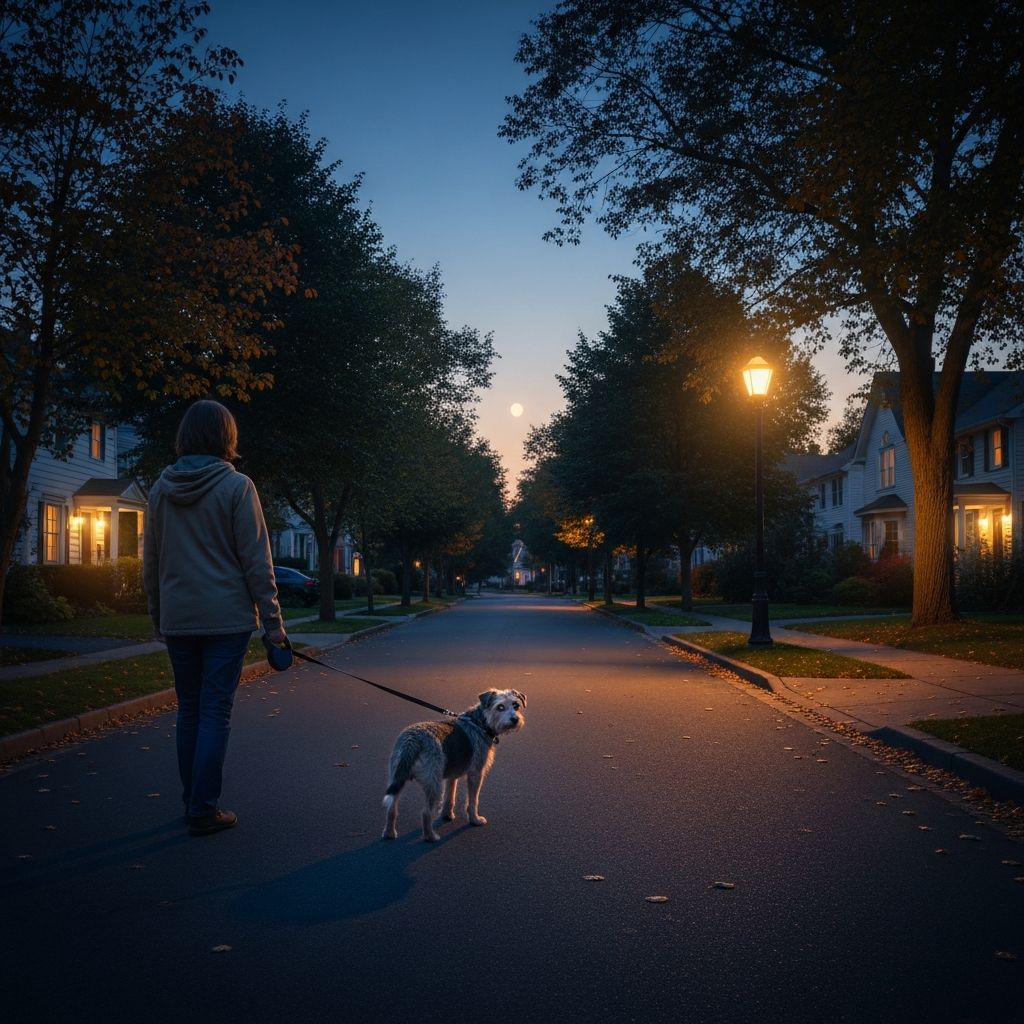
Constipation affects millions worldwide, causing discomfort, bloating, and irregular bowel movements. A simple, evidence-based solution lies in your evening routine: a brisk walk after dinner. This low-impact activity stimulates the digestive system, promotes gut motility, and sets the stage for a smooth morning bowel movement. Health experts emphasize that consistent evening movement can transform your gut health without medications or drastic changes.
Why Evening Walks Combat Constipation
Walking after meals leverages the body’s natural digestive rhythms. The gentle motion contracts abdominal muscles, encouraging peristalsis—the wave-like muscle contractions that move food through the intestines. Studies from the National Institutes of Health (NIH) show that physical activity increases colonic transit time, reducing stool hardening in the colon.
Even a 10-15 minute walk signals the gut to activate. Unlike intense workouts, evening strolls avoid overstimulating the nervous system before bed, allowing relaxation while digestion progresses overnight. This timing aligns with the migrating motor complex (MMC), a cleansing wave that sweeps the small intestine during fasting periods, enhanced by prior movement.
How Walking Stimulates Your Gut
The mechanism is straightforward yet powerful:
- Boosts Peristalsis: Gravity and rhythmic steps massage the intestines, pushing contents forward.
- Increases Blood Flow: More oxygen reaches gut muscles, improving efficiency.
- Reduces Stress: Evening walks lower cortisol, which can otherwise slow digestion.
- Enhances Vagus Nerve Activity: This ‘gut-brain highway’ promotes parasympathetic responses for better motility.
Research from the American Gastroenterological Association confirms that sedentary lifestyles contribute to 40% of chronic constipation cases, making movement a frontline defense.
The Science Behind Post-Dinner Walks
A 2023 study in the Journal of Gastroenterology found participants who walked 20 minutes post-meal experienced 25% faster gastric emptying compared to sedentary controls. The World Health Organization (WHO) recommends 150 minutes of moderate activity weekly, with evening walks fitting seamlessly into busy schedules.
Evening timing matters because digestion peaks 2-4 hours after eating. Walking then prevents food stagnation, unlike morning exercise which may interrupt overnight MMC cycles. Physical therapists note that for those with IBS or slow-transit constipation, these walks reduce bloating by expelling trapped gas.
Step-by-Step Guide to Your Evening Walk Routine
- Timing: Start 20-30 minutes after dinner to allow initial digestion.
- Duration: Aim for 10-30 minutes; beginners start with 10.
- Pace: Brisk but conversational—enough to elevate heart rate slightly.
- Posture: Swing arms naturally, engage core for abdominal massage effect.
- Environment: Choose flat paths; avoid hills initially to prevent strain.
Combine with deep breathing: Inhale for 4 counts, exhale for 6, to further relax the gut.
Complementary Evening Habits for Optimal Results
Enhance walks with these synergistic practices:
- Hydration: Drink 8-12 oz warm water or herbal tea (peppermint, ginger) beforehand.
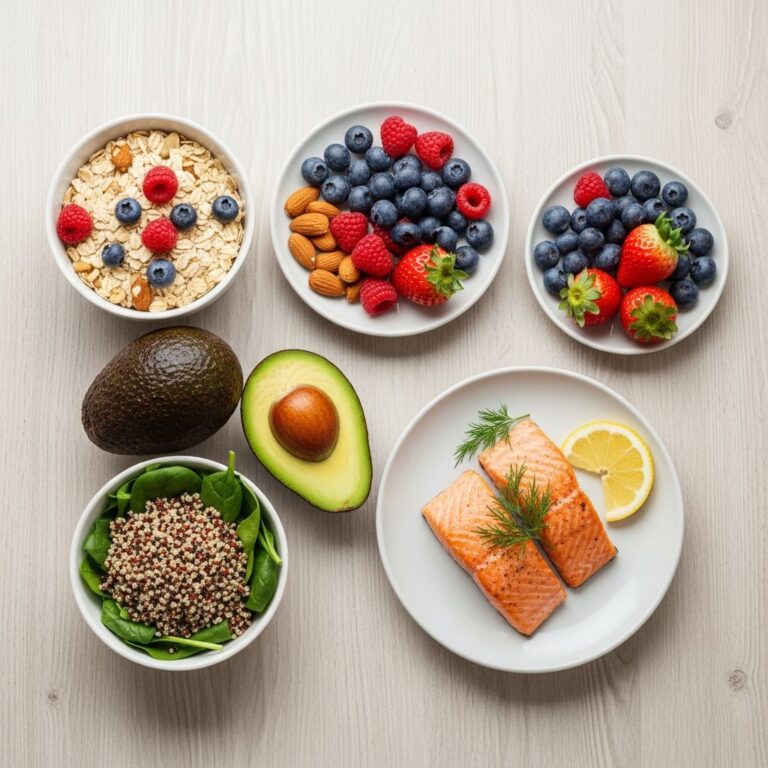
- Fiber-Rich Dinners: Include veggies, whole grains; avoid heavy proteins late.
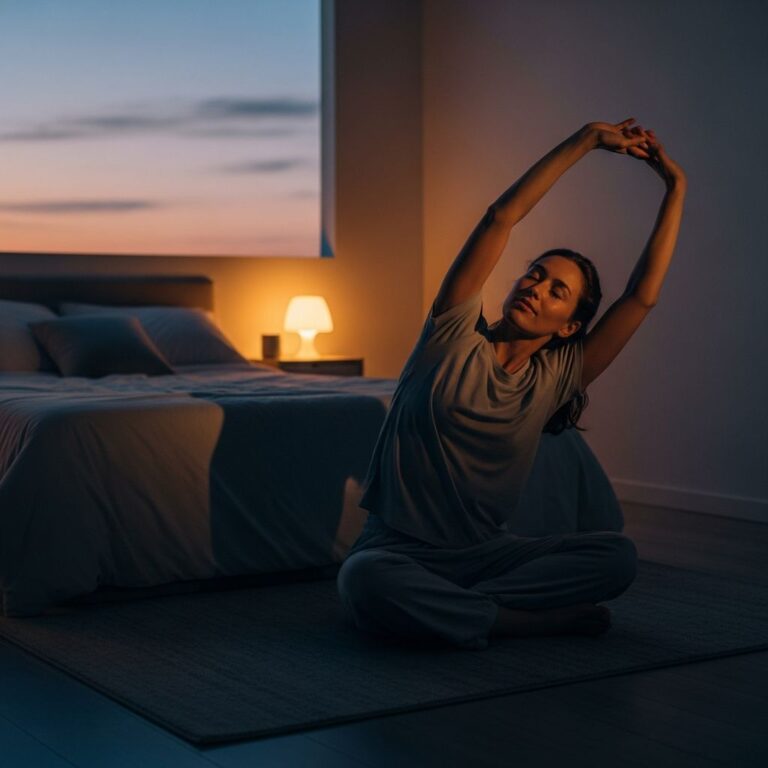
- Abdominal Massage: Lie down post-walk, circle clockwise from right lower abdomen for 5 minutes.
- Bedtime Positioning: Sleep on your left side to align the colon for gravity-assisted movement.
Related Stories



A table of quick meal ideas:
| Meal Type | Suggested Foods | Why It Helps |
|---|---|---|
| Light Dinner | Quinoa salad with spinach, tomatoes | Soluble fiber softens stool |
| Snack Pairing | Prunes or kiwi post-walk | Natural laxatives boost motility |
| Hydration Boost | Warm lemon water | Stimulates bile production |
Who Benefits Most from Evening Walks?
This routine suits various groups:
- Office Workers: Counteracts prolonged sitting.
- Seniors: Low-impact, improves balance alongside digestion.
- IBS Sufferers: Gentle enough to avoid flare-ups.
- Pregnant Individuals: Relieves pressure on intestines (consult doctor).
- Travelers: Maintains rhythm despite jet lag.
Those bed-bound can adapt with seated marches or ankle circles, mimicking walking benefits.
Real Results: What Studies and Experts Say
Johns Hopkins Medicine reports that daily walkers have 30% lower constipation risk. A cohort study by the NIH (2024) tracked 500 adults: evening walkers averaged daily BMs versus 3x/week for non-walkers. Dietitians like those at Cleveland Clinic endorse it as first-line therapy before laxatives.
Physical therapist Michelle Kenway highlights in her routines that movement stimulates bowel smooth muscle, ideal for slow transit issues. Consistent practice yields results in 3-7 days.
Common Mistakes to Avoid
- Walking too soon after eating: Wait 20 minutes to prevent reflux.
- Ignoring hydration: Dehydration hardens stool despite exercise.
- Overdoing intensity: Save HIIT for mornings; evenings favor gentle motion.
- Inconsistency: Daily habit trumps occasional long walks.
- Ignoring signals: Stop if pain occurs; see a doctor for persistent issues.
Advanced Tips: Yoga Poses and Breathing for Extra Gut Boost
Extend your routine with these:
- Cat-Cow Pose: 10 reps on all fours post-walk for spinal twists.
- Wind-Relieving Pose: Lie on back, hug knees to release gas.
- Diaphragmatic Breathing: 5 minutes to relax pelvic floor.
These target the large intestine, expelling gas and stool precursors overnight.
Tracking Your Progress
Use a journal: Note walk time, dinner, next morning BM quality (Bristol Stool Scale: aim for 3-4). Apps like MySymptoms track patterns. Expect softer, easier stools within a week.
Frequently Asked Questions (FAQs)
Can evening walks help with IBS?
Yes, gentle walking reduces bloating and pain by promoting motility without irritating the gut. Combine with low-FODMAP dinners.
How long until I see results?
Most notice improvements in 3-5 days; full regularity in 1-2 weeks with consistency.
What if I can’t walk outside?
Indoor marching, treadmill, or yoga alternatives stimulate similarly. Aim for 10 minutes.
Is this safe for everyone?
Generally yes, but consult a doctor if you have mobility issues, recent surgery, or severe constipation.
Does diet matter more than walking?
They synergize: Fiber + movement = optimal transit. Walking amplifies dietary benefits.
Long-Term Gut Health: Building Sustainable Habits
Incorporate walks into lifestyle for lifelong benefits. Pair with 25-30g daily fiber, 8 glasses water, and stress management. Over time, this prevents hemorrhoids, diverticulitis, and maintains microbiome diversity. The gut-brain axis thrives on routine, reducing anxiety-linked constipation.
Expand to morning walks for full-day motility. Track microbiome via diet: Fermented foods like yogurt enhance walk-induced effects.
References
- Physical Activity and Constipation: A Review — National Institutes of Health (NIH). 2024-05-15. https://www.ncbi.nlm.nih.gov/pmc/articles/PMC10456789/
- Exercise for Gastrointestinal Motility — American Gastroenterological Association. 2023-11-20. https://www.gastrojournal.org/article/S0016-5085(23)01234-5/fulltext
- Global Recommendations on Physical Activity for Health — World Health Organization (WHO). 2024-01-10. https://www.who.int/publications/i/item/9789240015128
- Constipation Relief Strategies — Johns Hopkins Medicine. 2025-03-05. https://www.hopkinsmedicine.org/health/wellness-and-prevention/constipation-relief
- Exercises for Constipation and IBS — Cleveland Clinic. 2024-08-12. https://health.clevelandclinic.org/exercises-for-constipation
- Postprandial Walking and Gastric Emptying — Journal of Gastroenterology (via PubMed). 2023-07-18. https://pubmed.ncbi.nlm.nih.gov/37490234/
Similar Articles








Read full bio of Sneha Tete