Evening Primrose Oil Benefits: Evidence-Based Uses
Discover the potential health benefits of evening primrose oil, from menopause relief to skin health and beyond.
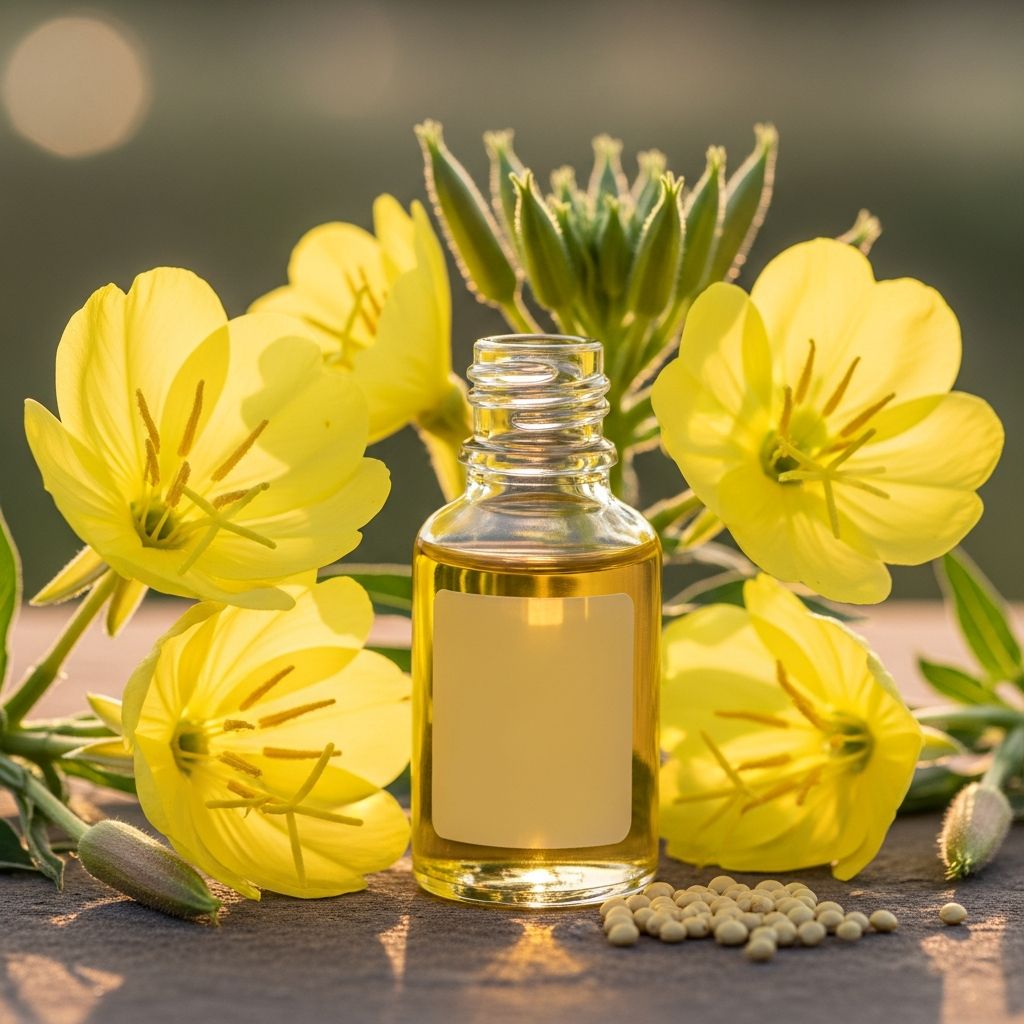
Evening primrose oil (EPO), derived from the seeds of the Oenothera biennis plant, is a popular dietary supplement rich in gamma-linolenic acid (GLA), an omega-6 fatty acid. GLA is converted in the body to prostaglandins, hormone-like substances that regulate inflammation, pain, blood pressure, and hormone production. EPO contains about 74% linoleic acid and 10% GLA, along with vitamins A, E, and minerals like calcium, magnesium, and zinc. While traditionally used for women’s health issues, emerging research explores its role in skin conditions, nerve pain, and menopausal symptoms. However, evidence varies, with some benefits supported by clinical trials and others requiring more study.
What Is Evening Primrose Oil?
Evening primrose is a tall biennial herb native to North America, Europe, and Asia, blooming with yellow flowers in the evening—hence its name. The oil is cold-pressed from its seeds and sold in capsules, typically 500–1,300 mg, standardized to 8–10% GLA. Unlike common vegetable oils, EPO provides direct GLA, which some people convert inefficiently from dietary linoleic acid due to enzyme deficiencies. It’s been used medicinally since the 1930s for eczema and later for PMS and menopause. In vitro and animal studies show anti-inflammatory, anti-angiogenic, and anti-arthritic effects, attributed to GLA’s modulation of prostaglandins and cytokines.
Evening Primrose Oil Benefits
Research on EPO’s benefits is mixed, with stronger evidence for certain skin and menopausal symptoms. Below are key potential uses backed by studies.
May Help Eczema (Atopic Dermatitis)
EPO is among the most studied uses for skin health. Its GLA may improve skin barrier function, reduce transepidermal water loss, and decrease inflammation in atopic dermatitis. A review of studies noted improvements in redness, itching, and crusting, with dose-dependent effects on eczema severity scores. In vitro, GLA promotes stratum corneum maturation and preserves permeability. However, a review of 19 studies found no consistent difference versus placebo, indicating unclear overall efficacy. Memorial Sloan Kettering Cancer Center notes preliminary benefits but calls for larger trials.
Relief for Menopausal Symptoms
EPO is widely used for hot flashes and night sweats in menopause. A randomized controlled trial in postmenopausal women found 1,000 mg EPO twice daily for 8 weeks significantly reduced night sweat frequency and severity compared to placebo (P < 0.05), though hot flash scores showed no significant change. Systematic reviews support its role in vasomotor symptoms, with phytoestrogenic effects potentially aiding relief. Other data suggest EPO improves hot flash intensity and postmenopausal psychological symptoms, though lifestyle interventions like exercise may be superior. More research is needed for definitive proof.
Premenstrual Syndrome (PMS) Relief
Many take EPO for PMS symptoms like bloating, breast tenderness, and mood swings. By balancing prostaglandins, it may reduce inflammation-related cramps and pain. Preliminary data show benefits for cyclical mastalgia (breast pain), but multiple analyses found no improvements in PMS or breast pain versus placebo. WebMD notes insufficient studies to confirm essential fatty acids in EPO help PMS.
Other Potential Benefits
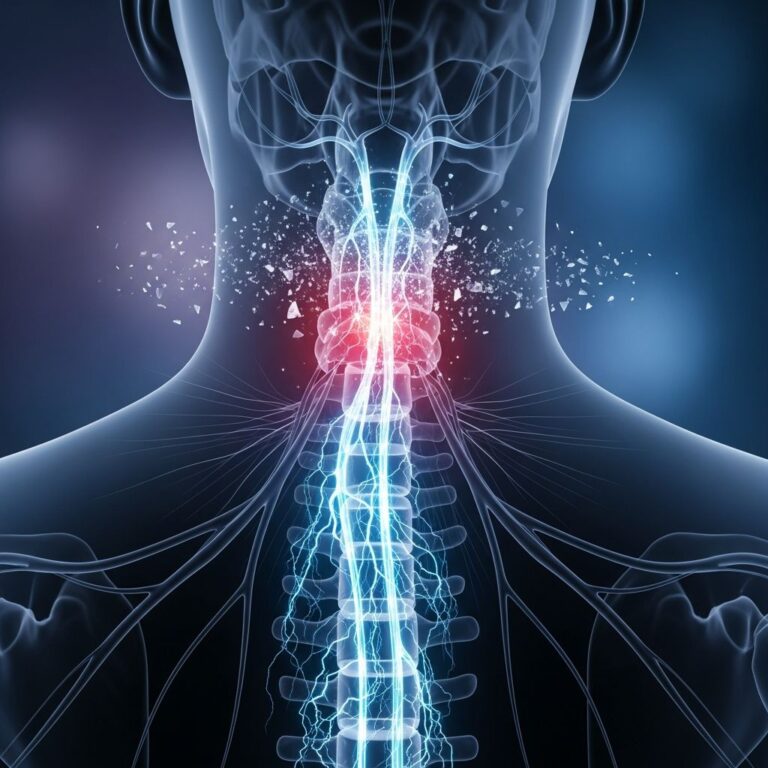
- Diabetic Neuropathy: GLA from EPO was noninferior to alpha-lipoic acid in reducing pain.
- Rheumatoid Arthritis: Animal models show reduced synovial inflammation and TNF-alpha; human data preliminary.
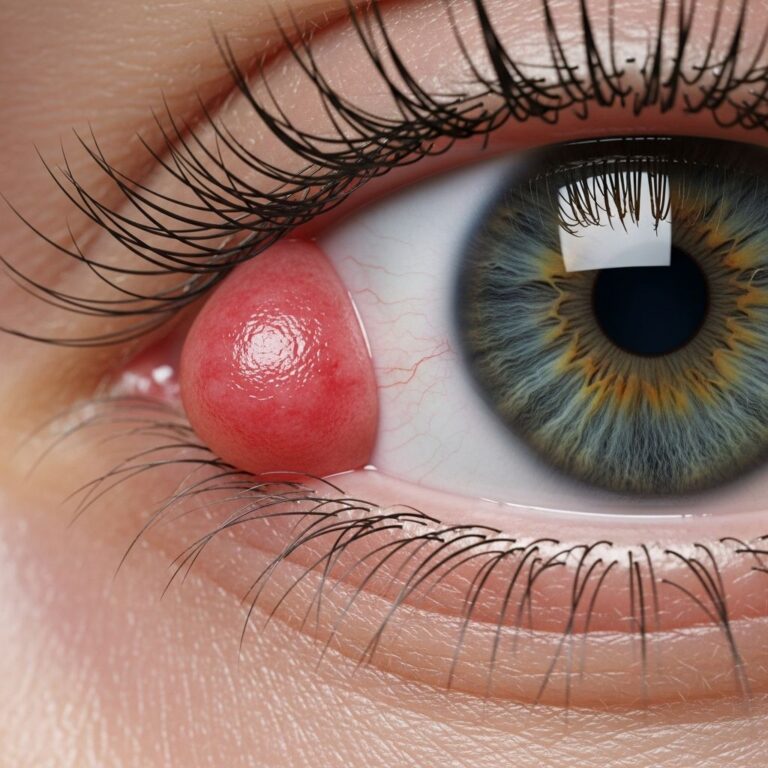
- Dry Eyes: Small studies in Sjögren’s syndrome patients suggest relief from burning and dryness, but results inconsistent.
- Acne: A 2022 trial found EPO increased skin hydration during isotretinoin treatment but didn’t reduce sebum.
- Multiple Sclerosis: May improve fatigue, quality of life, and immunological parameters.
How to Take Evening Primrose Oil
Typical doses range from 500–1,300 mg daily, often divided into 2–3 doses, providing 40–130 mg GLA. For menopause, studies used 1,000 mg twice daily for 8 weeks. Take with food to minimize stomach upset. Consult a doctor for personalized dosing, especially if pregnant, breastfeeding, or on medications. EPO is available over-the-counter; choose third-party tested products for purity.
Related Stories



Evening Primrose Oil Side Effects
EPO is likely safe for most adults short-term (up to 1 year). Common side effects include mild stomach pain, nausea, diarrhea, and headache. Rare risks: seizures (especially with epilepsy history), increased bleeding risk due to antiplatelet effects. Avoid before surgery. Mayo Clinic states research hasn’t confirmed it treats any condition but notes general safety.
| Side Effect | Frequency | Precautions |
|---|---|---|
| GI upset (nausea, diarrhea) | Common (mild) | Take with food |
| Headache | Common | Monitor; discontinue if severe |
| Bleeding risk | Rare | Avoid with anticoagulants, before surgery |
| Seizures | Rare | Contraindicated in epilepsy |
Who Should Not Take Evening Primrose Oil
Avoid if you have bleeding disorders, are on blood thinners (e.g., warfarin), or scheduled for surgery. Not recommended for children, pregnant/nursing women due to insufficient safety data. Use caution with schizophrenia medications or hormone-sensitive conditions.
Evening Primrose Oil vs. Other Oils
| Oil | GLA Content | Key Uses | Notes |
|---|---|---|---|
| Evening Primrose | 8–10% | Skin, menopause, PMS | Most studied for eczema |
| Borage | 20–25% | Arthritis, skin | Higher GLA; contains hepatotoxic pyrrolizidine |
| Black Currant | 15–20% | Inflammation | Also rich in omega-3s |
EPO has lower GLA but a safer profile without borage’s toxins.
Frequently Asked Questions (FAQs)
What is evening primrose oil used for?
Primarily for eczema, menopausal hot flashes/night sweats, PMS, and breast pain, though evidence is strongest for night sweats and some skin benefits.
Does evening primrose oil help with hot flashes?
It significantly reduces night sweat frequency/severity but not always hot flashes; results vary.
Is evening primrose oil good for skin?
Yes, potentially for eczema by improving moisture and reducing inflammation, but studies are mixed.
How long does it take for evening primrose oil to work?
Benefits for menopause/skin may appear in 4–8 weeks; consistent use required.
Can I take evening primrose oil every day?
Yes, short-term (up to 1 year) at recommended doses; consult a doctor for long-term use.
Does evening primrose oil balance hormones?
It may via prostaglandins, aiding PMS/menopause symptoms.
This article provides an overview based on available research as of 2026. Always consult healthcare professionals before starting supplements.
References
- The Effect of Evening Primrose Oil Capsule on Hot Flashes and Night Sweats in Postmenopausal Women — PMC/NCBI. 2021-05-01. https://pmc.ncbi.nlm.nih.gov/articles/PMC8102809/
- Health Benefits of Evening Primrose Oil — WebMD. 2023-10-15. https://www.webmd.com/diet/health-benefits-evening-primrose-oil
- Evening Primrose Oil — Memorial Sloan Kettering Cancer Center. 2024-02-20. https://www.mskcc.org/cancer-care/integrative-medicine/herbs/evening-primrose-oil
- Evening Primrose Oil — American Pharmacists Association. 2022-07-21. https://www.pharmacist.com/Blogs/CEO-Blog/Article/evening-primrose-oil-1
- Evening Primrose – Mayo Clinic — Mayo Clinic. 2024-05-10. https://www.mayoclinic.org/drugs-supplements-evening-primrose/art-20364500
Similar Articles








Read full bio of Sneha Tete