Evening Primrose Oil For Eczema: 5 Practical Tips
Discover if evening primrose oil truly eases eczema symptoms through scientific evidence and expert insights on its potential benefits and limitations.
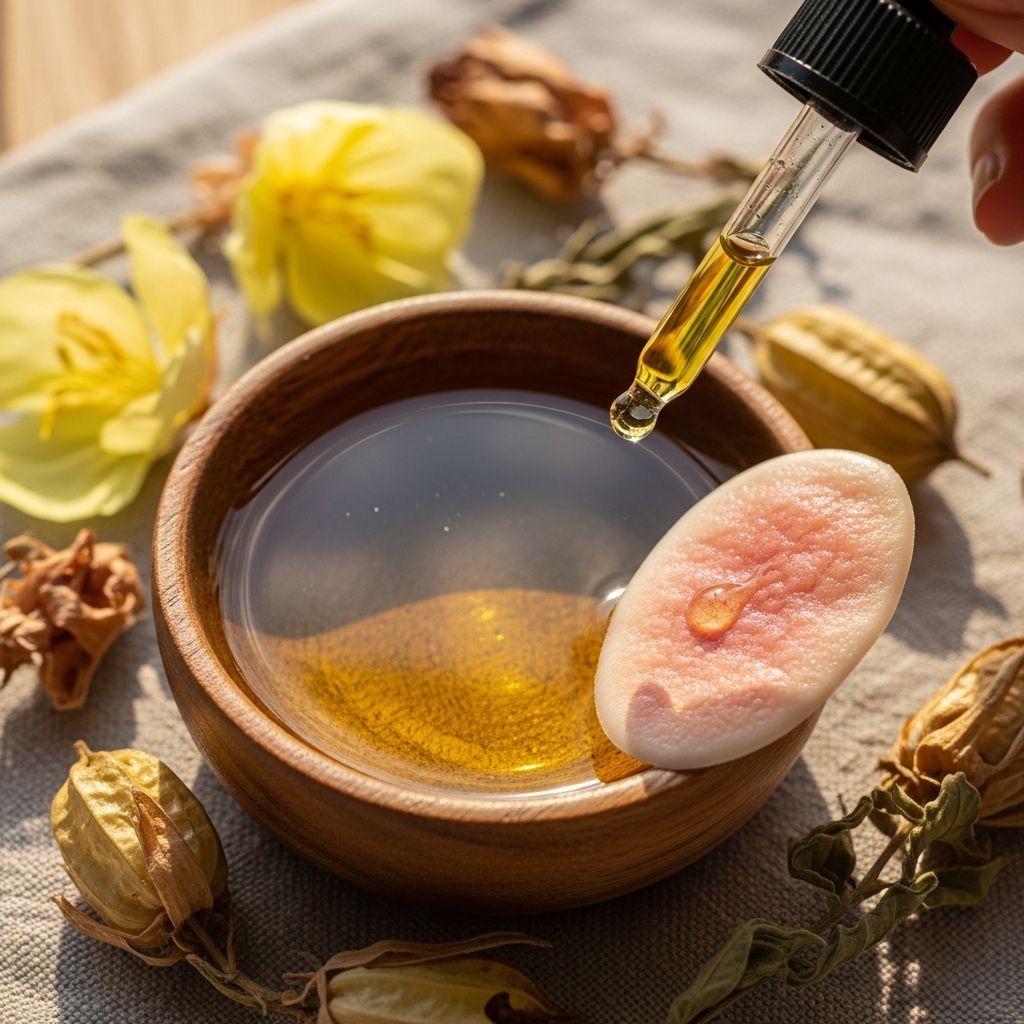
Evening primrose oil (EPO), derived from the seeds of the Oenothera biennis plant, has gained attention as a natural remedy for eczema due to its rich content of gamma-linolenic acid (GLA), an omega-6 fatty acid. Proponents suggest it may reduce inflammation, itchiness, and dryness associated with atopic dermatitis by supporting skin barrier function and modulating inflammatory pathways. However, systematic reviews of clinical trials indicate limited efficacy beyond placebo effects.
What Makes Evening Primrose Oil Unique?
The oil stands out for its high concentration of GLA, typically 8-10% in EPO compared to lower levels in common dietary oils like corn or soybean. GLA serves as a precursor to dihomo-gamma-linolenic acid (DGLA), which can influence prostaglandin production to potentially dampen inflammatory responses in the skin. Unlike pro-inflammatory omega-6 fats abundant in processed foods, GLA-rich sources like EPO are considered more skin-friendly.
Eczema, affecting millions worldwide, involves a defective skin barrier and heightened immune responses leading to red, itchy rashes. Essential fatty acids like GLA are vital for ceramide synthesis, key lipids that maintain skin hydration and integrity. Deficiencies in these fatty acids have been observed in some eczema patients, sparking interest in supplementation.
Scientific Evidence: Clinical Trials Breakdown
Early research hinted at promise. A 1987 double-blind trial involving 25 atopic eczema patients found those taking oral EPO (n=14) experienced greater reductions in inflammation, overall severity, body surface involvement, dryness, and itch compared to placebo (n=11) over 12 weeks. EPO significantly elevated plasma dihomo-gamma-linolenic acid levels, though it did not alter key eicosanoids like thromboxane B2 or prostaglandin E1.
Yet, broader analyses paint a different picture. A Cochrane systematic review of 27 randomized controlled trials (RCTs) with 1,596 participants across 12 countries concluded that oral EPO and borage oil (another GLA source) showed no statistically significant advantage over placebos for global eczema improvement. Nineteen EPO trials and eight borage oil trials reported similar symptom relief in treatment and control groups, with mild gastrointestinal side effects common to both.
Participant- and physician-assessed outcomes, including quality of life in two EPO studies, failed to demonstrate superiority. Sensitivity analyses accounting for factors like IgE-associated eczema, protein deficiency, concurrent treatments, GLA dosage (40-120 mg), study design, age groups, and placebo additives like vitamin E yielded consistent null results.
| Study Type | Participants | Key Finding | Source |
|---|---|---|---|
| Single RCT (1987) | 25 adults | EPO superior to placebo for inflammation, itch | |
| Cochrane Review (27 RCTs) | 1,596 (adults/children) | No benefit over placebo | |
| 2018 Korean Study | Atopic dermatitis patients | Improved dryness, pruritus, lesion extent |
Mechanisms of Action: How EPO Might Influence Eczema
At its core, EPO’s appeal lies in fatty acid metabolism. Linoleic acid from diet converts to GLA via delta-6-desaturase, but this enzyme can be impaired in eczema, leading to low GLA/DGLA levels. Supplementing EPO bypasses this, boosting DGLA for anti-inflammatory prostaglandins (e.g., PGE1) and inhibiting pro-inflammatory leukotriene B4. It may also enhance antioxidant defenses and synergize with omega-3s.
Related Stories



Topically, EPO could directly replenish barrier lipids, reducing transepidermal water loss. However, evidence for creams or ointments is anecdotal or understudied compared to oral forms. A 2018 study from Hallym University noted significant improvements in skin dryness, pruritus, and lesion range with EPO, contrasting Cochrane’s oral focus.
- Fatty Acid Pathway: Linoleic acid → GLA → DGLA → Anti-inflammatory mediators
- Skin Barrier Support: Ceramide production for hydration
- Anti-Inflammatory: Reduced cytokine release, eicosanoid balance
Forms of Evening Primrose Oil: Oral vs. Topical
Oral Supplements
Capsules typically provide 500-1,300 mg EPO per dose, yielding 40-130 mg GLA. Dosing in trials ranged widely, often 8-12 weeks. While safe, absorption varies, and high doses risk mild nausea or headaches. Not recommended for children under 12 or pregnant individuals without medical advice.
Topical Applications
Oils, lotions, or balms apply GLA directly. Dr. Peter Lio notes potential subset benefits, though evidence is “not very robust.” Minimal clinical effect may suit mild cases as adjunct to emollients.
Safety Profile and Potential Side Effects
EPO is generally well-tolerated, with adverse events mirroring placebos: soft stools, stomach upset (affecting ~10-20% in trials). Rare risks include seizures in those refusing epilepsy meds or bleeding issues due to mild anticoagulant effects. Drug interactions with blood thinners or phenothiazines warrant caution.
Quality matters—choose third-party tested products to avoid contaminants. Long-term safety data is sparse beyond 6 months.
Comparing EPO to Other Eczema Remedies
| Remedy | Evidence Level | Pros | Cons |
|---|---|---|---|
| EPO (Oral) | Low (Cochrane null) | Natural, gentle | Limited efficacy |
| Borage Oil | Low | Higher GLA | Similar placebo results |
| Fish Oil (Omega-3) | Moderate | Stronger anti-inflammatory | Fishy aftertaste |
| Topical Steroids | High | Fast relief | Skin thinning risk |
| Moisturizers | High | Safe, barrier repair | No anti-itch |
Unlike proven topicals, EPO lacks robust support but appeals as a low-risk option.
Practical Tips for Trying Evening Primrose Oil
- Start low: 500 mg/day, increase to 2-3 g if tolerated.
- Combine with conventional care: Use alongside prescribed topicals.
- Monitor: Track symptoms for 4-12 weeks; discontinue if no change.
- Consult professionals: Especially for severe eczema or comorbidities.
- Source wisely: Look for 8-10% GLA standardization.
Expert Perspectives on EPO’s Role
Dermatologists like Dr. Lio acknowledge promising trends in older studies but stress insufficient statistical power. Current consensus: EPO may aid a responsive minority, but it’s not a frontline treatment. More large-scale, long-term RCTs are needed, particularly for topical use and specific eczema subtypes.
Frequently Asked Questions (FAQs)
Is evening primrose oil safe for children with eczema?
Limited pediatric data shows no unique benefits; mild side effects possible. Consult a pediatrician.
How long does it take for EPO to work on eczema?
Trials used 12 weeks; improvements, if any, appear gradually.
Can EPO replace my eczema prescription?
No—evidence does not support it as a standalone therapy.
What’s the best dosage for adults?
1-3 g daily, but efficacy unproven; follow product labels.
Does topical EPO work better than oral?
Some suggestion for topicals, but evidence weak.
Future Directions in Research
Ongoing studies explore EPO combinations (e.g., with vitamin E, probiotics) and biomarkers for responders. Genetic factors affecting fatty acid metabolism may identify ideal candidates. Until then, manage expectations and prioritize evidence-based care.
References
- Evening primrose oil in the treatment of atopic eczema — British Journal of Dermatology. 1987. https://academic.oup.com/bjd/article-abstract/117/1/11/6684103
- Evening primrose oil in the treatment of atopic eczema — PubMed. 1987. https://pubmed.ncbi.nlm.nih.gov/3307886/
- Get the Facts: Evening Primrose Oil | National Eczema Association — National Eczema Association. 2023 (approx.). https://nationaleczema.org/blog/evening-primrose-oil-and-eczema/
- Oral evening primrose oil and borage oil for eczema — PMC / Cochrane Database Syst Rev. 2013 (updated). https://pmc.ncbi.nlm.nih.gov/articles/PMC8105655/
- Oral evening primrose oil and borage oil for eczema — University of Minnesota Experts. 2013. https://experts.umn.edu/en/publications/oral-evening-primrose-oil-and-borage-oil-for-eczema/
- Cochrane review finds no benefit of evening primrose oil for treating eczema — EurekAlert! / Cochrane. 2013. https://www.eurekalert.org/news-releases/883518
Similar Articles








Read full bio of Sneha Tete