Evening Primrose Oil: Uses, Benefits, and Safety
Comprehensive guide to evening primrose oil: benefits, uses, safety profile, and what research shows.
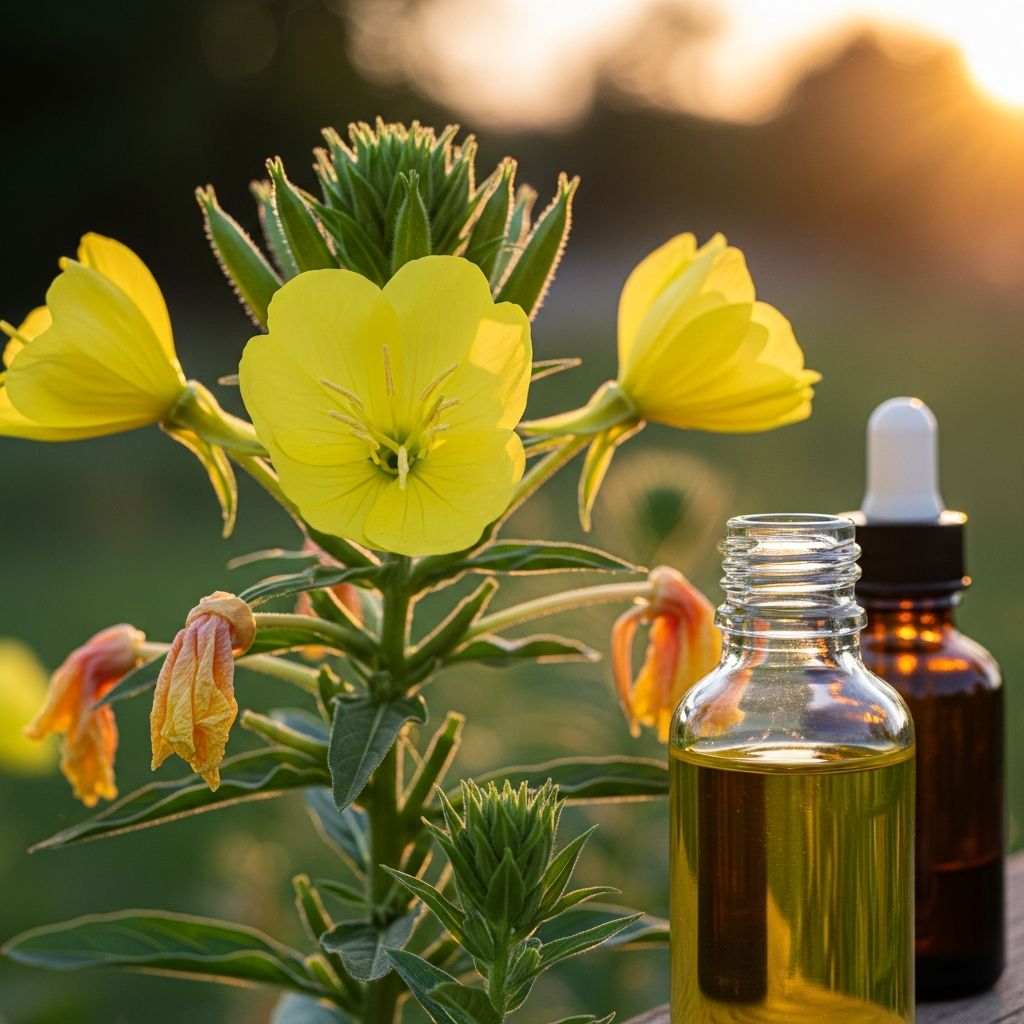
Evening Primrose Oil: Comprehensive Guide to Benefits, Uses, and Safety
Evening primrose is a plant native to North America, recognized by its distinctive yellow flowers that bloom in the evening hours. The oil extracted from the seeds of this plant has been used traditionally for various health purposes and has gained significant attention in complementary and alternative medicine. The active compound in evening primrose oil is gamma-linolenic acid (GLA), an omega-6 fatty acid with potential anti-inflammatory properties. Understanding what evening primrose oil is, how it works, and what scientific evidence supports its use is essential for making informed health decisions.
What Is Evening Primrose Oil?
Evening primrose oil is derived from the seeds of the evening primrose plant (Oenothera biennis), a species native to North America that has been utilized for centuries in traditional medicine practices. The oil is rich in essential fatty acids, particularly gamma-linolenic acid (GLA), linoleic acid, and other beneficial compounds. GLA is classified as an omega-6 polyunsaturated fatty acid, a type of fat that the human body cannot naturally produce and must obtain through diet or supplementation. This fatty acid composition gives evening primrose oil its potential therapeutic properties. The supplement is typically available in capsule form, making it convenient for daily consumption, though it can also be found in topical formulations and liquid extracts.
Common Uses and Potential Health Applications
People use evening primrose oil dietary supplements for a wide range of health conditions. The most commonly cited uses include eczema, premenstrual syndrome (PMS), breast pain, rheumatoid arthritis, and menopause symptoms. The anti-inflammatory properties of GLA have led to its investigation for various skin conditions, hormonal imbalances, and inflammatory disorders. Beyond these primary applications, emerging research has explored evening primrose oil’s potential role in other areas of health and wellness.
Skin Health and Dermatological Conditions
One of the most researched applications of evening primrose oil is in treating skin conditions, particularly acne and eczema. The theory behind using evening primrose oil for acne is that acne may result from insufficient essential fatty acids in the diet, leading to inflammation that exacerbates skin problems. Some studies have demonstrated improvements in acne lesions and severity with GLA supplementation, though evening primrose oil is not currently recommended as a primary acne treatment. However, evening primrose oil has shown promise in managing cheilitis, a condition characterized by dry, cracked, and painful lips that commonly results from isotretinoin use, a medication prescribed for severe acne. For eczema, while many people use evening primrose oil, further research is needed to determine its standalone effectiveness for this condition.
Premenstrual Syndrome and Hormonal Health
Premenstrual syndrome affects many women, causing symptoms such as mood changes, breast tenderness, and abdominal discomfort in the weeks leading to menstruation. Evening primrose oil has been investigated as a potential treatment for PMS symptoms, with the premise that the anti-inflammatory properties of GLA may help reduce the severity of these monthly symptoms. Similarly, for breast pain, which can occur cyclically with menstrual cycles or independently, evening primrose oil has been studied as a complementary approach.
Menopause Symptoms
Women experiencing menopause often seek natural approaches to manage symptoms such as hot flashes, night sweats, and mood fluctuations. Evening primrose oil has been studied as one of several dietary supplements for alleviating menopausal symptoms, though research remains limited on its overall effectiveness compared to other interventions.
Related Stories



Inflammatory and Autoimmune Conditions
Due to its anti-inflammatory properties, evening primrose oil has been investigated for rheumatoid arthritis and other inflammatory conditions. The GLA in evening primrose oil may help reduce joint inflammation and associated symptoms, though comprehensive clinical evidence remains limited. Additionally, some research has explored evening primrose oil’s potential in managing other inflammatory skin conditions and neuropathy symptoms, where fatty acids like linolenic acid may potentially help reduce symptoms such as hot and cold sensitivity, numbness, tingling, and weakness.
Hair Health and Hair Loss
Emerging research has examined evening primrose oil’s potential role in promoting hair growth and reducing hair loss. Linoleic acid, present in evening primrose oil, is a precursor to arachidonic acid, a fatty acid shown to stimulate hair growth by improving hair follicle cell health, increasing growth factor production, and prolonging the growth phase of hair. The anti-inflammatory properties of GLA may also help reduce scalp inflammation, which can contribute to hair loss and follicle damage.
Current Research Evidence
While evening primrose oil has been the subject of numerous research studies, the scientific evidence supporting its effectiveness remains limited. Many studies evaluating evening primrose oil for eczema, PMS, and breast pain have been conducted, yet smaller numbers of studies have evaluated it for other health conditions. According to the National Center for Complementary and Integrative Health (NCCIH), there is not enough evidence to support the use of evening primrose oil for any health condition at this time. This assessment indicates that while preliminary findings may be promising in some areas, rigorous clinical trials with larger sample sizes and robust methodologies are necessary to establish definitive efficacy. Most existing evidence is preliminary, and many studies involve relatively small numbers of participants or lack the control mechanisms necessary for conclusive findings.
Safety and Side Effects
Evening primrose oil is probably safe for most people when taken for short periods of time. However, understanding potential side effects and safety considerations is important for informed supplementation.
Common Side Effects
The most frequently reported side effects of evening primrose oil are mild and gastrointestinal in nature. These include:
- Stomach upset or gastrointestinal discomfort
- Diarrhea or loose stools
- Nausea
- Headaches
These side effects are generally mild and tend to resolve without intervention. They are more likely to occur at higher doses or with prolonged use.
Long-Term Safety Concerns
A critical limitation in evening primrose oil research is that the safety of long-term use has not been established. While short-term use appears relatively safe, ongoing supplementation for extended periods lacks sufficient safety data. This gap in research means that individuals considering long-term evening primrose oil use should consult with healthcare providers about potential risks and benefits specific to their situation.
Drug Interactions and Special Populations
Evening primrose oil may increase bleeding in people taking anticoagulant medications, particularly warfarin (Coumadin). Individuals on blood-thinning medications should consult their healthcare providers before using evening primrose oil. Additionally, evening primrose oil may increase the risk of some complications of pregnancy, making it inadvisable for pregnant women without medical supervision. Women who are breastfeeding should also exercise caution and discuss supplementation with their healthcare providers.
Dosage and Administration
While specific dosage recommendations vary depending on the condition being treated and the quality of the supplement, typical evening primrose oil supplements range from 1,000 to 3,000 mg daily. The most common form is capsules containing standardized amounts of GLA. However, since the safety of long-term use remains unestablished, starting with lower doses and consulting healthcare providers about appropriate dosing for individual circumstances is prudent. Quality variations between manufacturers mean that consumers should select reputable brands that provide third-party testing and clearly labeled GLA content.
Evening Primrose Oil vs. Other Supplements
Evening primrose oil is often compared to other omega fatty acid supplements, particularly fish oil and omega-3 supplements. While both evening primrose oil and fish oil contain beneficial fatty acids, they differ in their specific composition and sources. Fish oil provides eicosapentaenoic acid (EPA) and docosahexaenoic acid (DHA), omega-3 fatty acids with extensive research supporting their cardiovascular and anti-inflammatory benefits. Evening primrose oil, conversely, provides GLA and linoleic acid, omega-6 fatty acids with a different mechanism of action. The choice between these supplements depends on individual health goals and medical history.
Choosing Quality Evening Primrose Oil Supplements
Not all evening primrose oil supplements are created equal. When selecting a supplement, consumers should look for products that:
- Provide third-party testing verification
- Clearly list GLA content per serving
- Come from reputable manufacturers with established quality standards
- Are stored in dark bottles to prevent oxidation of fatty acids
- Display certification from organizations such as USP (United States Pharmacopeia) or NSF International
Frequently Asked Questions
Q: Is evening primrose oil safe for everyone?
A: Evening primrose oil is probably safe for most people when used short-term. However, it should be avoided during pregnancy, may interact with blood thinners like warfarin, and may increase bleeding risk. Individuals with specific health conditions or taking medications should consult healthcare providers before use.
Q: How long does it take to see results from evening primrose oil?
A: The timeline for experiencing benefits varies depending on the condition and individual factors. Most studies examining evening primrose oil have involved treatment periods of several weeks to months, suggesting that patience is necessary when using this supplement.
Q: Can evening primrose oil be used alongside prescription medications?
A: Evening primrose oil may interact with certain medications, particularly anticoagulants. Always inform healthcare providers about all supplements being considered, and allow them to assess potential interactions with current medications.
Q: What is the difference between evening primrose oil and evening primrose extract?
A: Evening primrose oil specifically refers to the oil extracted from seeds, while evening primrose extract may refer to other plant components. Evening primrose oil in supplement form is the most commonly studied and used preparation.
Q: Should evening primrose oil be refrigerated after opening?
A: While refrigeration is not always necessary, storing evening primrose oil supplements in a cool, dark place helps preserve the integrity of the fatty acids and extends shelf life.
Key Takeaways
Evening primrose oil is a natural supplement derived from a North American plant, containing the omega-6 fatty acid gamma-linolenic acid with potential anti-inflammatory properties. While it has been investigated for various health conditions including eczema, premenstrual syndrome, breast pain, rheumatoid arthritis, and menopause symptoms, current scientific evidence does not support its use for any specific health condition. Evening primrose oil is likely safe for short-term use in most people, with mild side effects including stomach upset and headaches. However, long-term safety remains unestablished, and it may interact with blood-thinning medications or pose risks during pregnancy. Individuals considering evening primrose oil should consult healthcare providers to determine whether it is appropriate for their specific circumstances and health goals.
References
- Evening Primrose Oil: Science and Safety — National Center for Complementary and Integrative Health (NCCIH). 2019-03-14. https://www.nccih.nih.gov/health/evening-primrose-oil
- Evening Primrose Oil: Benefits, Uses, and Side Effects — Healthline. 2024. https://www.healthline.com/health/evening-primrose-oil
- Uses of Evening Primrose Oil: Benefits, Side Effects & Dosage — Myprotein. 2024. https://us.myprotein.com/thezone/supplements/uses-of-evening-primrose-oil-benefits-side-effects-dosage/
- Evening Primrose Oil for Hair Loss: What You Need to Know — Treatment Rooms London. 2024. https://www.treatmentroomslondon.com/hair/evening-primrose-oil-for-hair-loss-what-you-need-to-know/
- Evening Primrose Oil Effect on the Ease of Cervical Ripening and Dilatation — Brieflands. 2018. https://brieflands.com/journals/thrita/articles/18234.pdf
- Evening Primrose — Mayo Clinic. 2024. https://www.mayoclinic.org/drugs-supplements-evening-primrose/art-20364500
- Menopausal Symptoms: In Depth — National Center for Complementary and Integrative Health (NCCIH). 2024. https://www.nccih.nih.gov/health/menopausal-symptoms-in-depth
Similar Articles








Read full bio of medha deb