Everyday Cuts and Scrapes: How to Prevent Scarring
Learn expert strategies to minimize scarring from everyday cuts and scrapes with proper wound care.
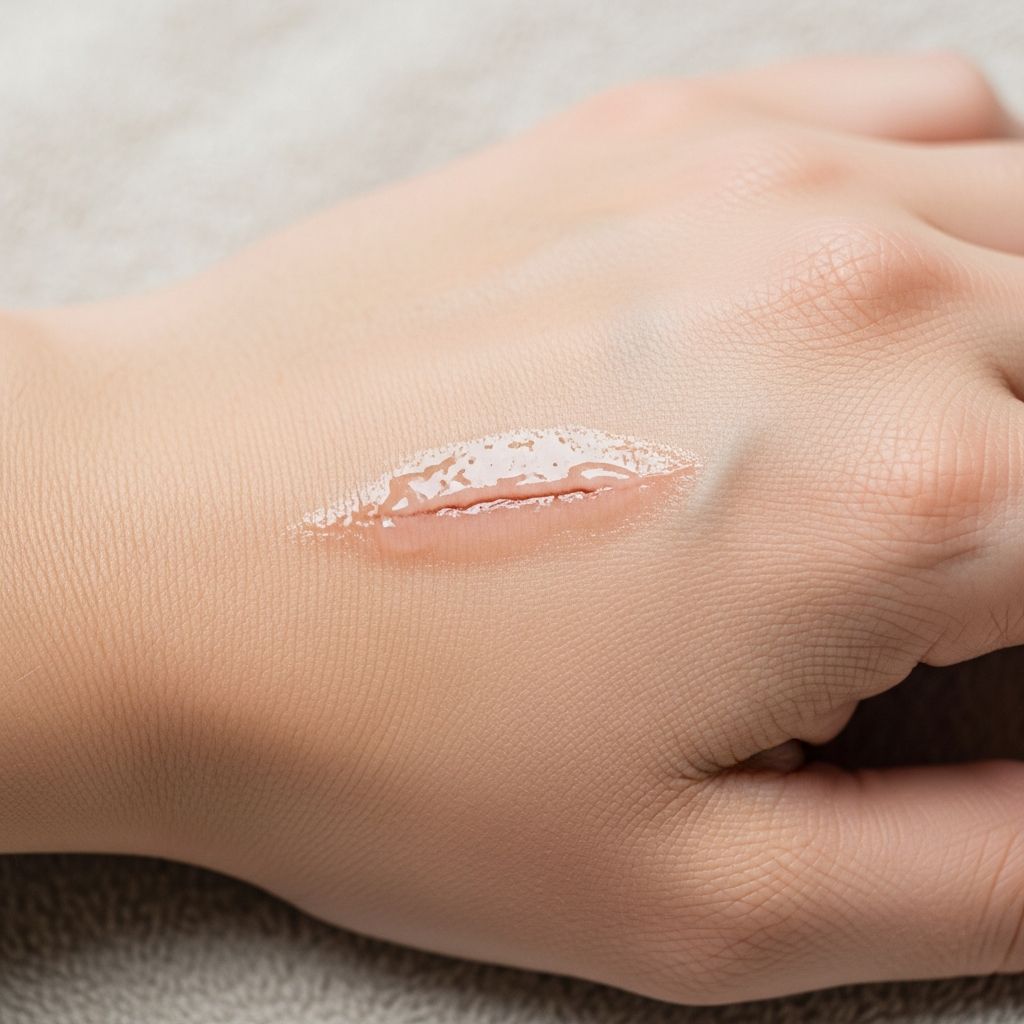
Cuts and scrapes are common occurrences in daily life, affecting people of all ages. While most minor injuries heal without complications, improper care can lead to infection, delayed healing, and permanent scarring. Understanding the proper techniques for wound management is essential for minimizing the appearance of scars and ensuring optimal skin recovery.
Scarring occurs when the body repairs damaged skin tissue. The appearance and severity of scars depend on various factors, including the depth of the wound, how well it was cleaned, infection prevention measures, and the healing process itself. By taking appropriate steps immediately after an injury and throughout the healing period, you can significantly reduce the likelihood of developing noticeable scars.
Understanding How Wounds Heal and Scarring Develops
The body’s natural healing process is a complex cascade of biological events designed to repair damaged tissue and restore skin integrity. Wound healing involves three primary phases: inflammation, proliferation, and remodeling.
During the inflammation phase, the body responds to injury by sending immune cells to clean debris and prevent infection. White blood cells fight any bacteria that may have entered through the broken skin barrier. The proliferation phase involves the growth of new tissue, including the development of collagen and new blood vessels. Finally, during the remodeling phase, excess collagen is broken down, and the scar tissue matures and fades over time.
Scarring becomes more likely when wounds are contaminated, infected, or improperly cared for during these healing phases. Deep wounds, wounds that gape open, or those that become infected are more prone to leaving visible scars. By understanding this process, you can take targeted actions to support optimal healing and minimize scar formation.
Immediate First Aid Steps for Cuts and Scrapes
The first few minutes after sustaining a cut or scrape are critical for preventing infection and promoting proper healing. Following these immediate first aid steps can make a significant difference in your wound’s recovery trajectory.
Wash Your Hands First
Before touching the wound, wash your hands thoroughly with soap and water. Your hands naturally harbor numerous bacteria that can contaminate the injury and lead to infection. By cleaning your hands first, you reduce the risk of introducing harmful microorganisms into the open wound. This simple step is often overlooked but is fundamental to infection prevention.
Stop the Bleeding
For minor scrapes, bleeding typically stops on its own within a few minutes. For cuts that continue bleeding, apply gentle, consistent pressure using a clean cloth or sterile bandage. Avoid removing the cloth frequently to check the wound, as this disrupts clot formation. If bleeding persists after ten minutes of pressure, or if the wound is deep or gaping, seek medical attention. You may also elevate the wounded area to help slow bleeding through gravity.
Cleanse the Wound Properly
Once bleeding has stopped, rinse the wound thoroughly with clean running water. This removes dirt, debris, and bacteria that could cause infection. After rinsing, gently wash around the wound with soap and water, being careful not to get soap directly inside the wound, as this can cause irritation and stinging.
Related Stories



If debris remains embedded in the wound, use tweezers that have been cleaned with rubbing alcohol to carefully remove visible particles. For deep puncture wounds or wounds with extensive debris, professional medical cleaning may be necessary to prevent infection and scarring.
Applying Antibiotic Treatment and Wound Dressing
After thorough cleansing, applying topical antibiotic treatment is one of the most effective steps for preventing infection and supporting optimal healing.
Use Topical Antibiotic Ointments
Topical antibiotic ointments, jellies, or creams serve multiple purposes in wound care. These products keep the wound moist, which promotes faster healing and reduces scarring compared to allowing wounds to dry out completely. Additionally, the antiseptic properties of antibiotic ointments help prevent bacterial growth and infection. Look for products containing bacitracin, neomycin, or triple antibiotic formulations that protect against multiple types of bacteria.
Apply a thin layer of antibiotic ointment directly to the wound surface. Some antibiotic products are formulated to be non-stinging and odorless, making them more comfortable for all ages, particularly children who may be resistant to wound care.
Cover with an Appropriate Dressing
After applying antibiotic treatment, cover the wound with a clean bandage or sterile gauze. The dressing serves several purposes: it protects the wound from contamination, keeps the antibiotic ointment in place, and maintains an optimal moisture level for healing. For minor scrapes, simple adhesive bandages are usually sufficient. For larger wounds, gauze pads secured with medical tape provide better protection.
Change the dressing daily, or more frequently if it becomes wet, soiled, or dirty. When changing dressings, be gentle to avoid disrupting new tissue formation. Avoid rubbing or picking at the wound, especially while showering or bathing.
Ongoing Wound Care for Optimal Healing
Proper care doesn’t end after the first day. Consistent attention throughout the healing process is essential for minimizing scarring and preventing complications.
Continue Regular Cleaning
Wash the wound with soap and water once daily to remove any dead tissue, bacteria, or old ointment. This maintains a clean healing environment and allows you to monitor the wound for signs of infection. After cleaning, pat the area dry gently and reapply fresh antibiotic ointment before applying a new bandage.
Maintain Proper Moisture Balance
While keeping the wound clean is important, maintaining appropriate moisture levels is equally critical. Modern wound care research shows that wounds heal faster and with less scarring when kept slightly moist rather than completely dry. This is why antibiotic ointments are preferable to allowing wounds to air dry, contrary to older wound care advice.
Monitor for Signs of Infection
Throughout the healing process, watch for signs that the wound may be becoming infected. Signs of infection include increased redness, warmth, swelling, pus drainage, or red streaks extending from the wound. If any of these signs develop, seek medical attention promptly, as infected wounds are more likely to leave noticeable scars and can lead to more serious complications.
Complementary Treatments for Enhanced Healing
Beyond basic wound care, several additional approaches can support optimal healing and reduce scarring.
Natural Remedies and Supplements
Aloe vera has been traditionally used to support wound healing and reduce inflammation. This plant-based product provides nutrients that foster the healing process and may help minimize scar appearance. Apply pure aloe vera gel directly to the wound after cleaning, or look for antibiotic ointments that include aloe as an ingredient.
Ensuring adequate nutrition, particularly sufficient protein and vitamin C intake, supports the body’s natural healing processes. These nutrients are essential for collagen synthesis and tissue repair. Staying well-hydrated also promotes optimal healing and skin health.
Sun Protection During Healing
Newly healed skin is particularly vulnerable to sun damage. UV exposure can cause newly formed scar tissue to become darker and more noticeable. During the healing phase and for several months after the wound closes, protect the area from direct sunlight by wearing protective clothing or applying broad-spectrum sunscreen with at least SPF 30.
Avoiding Wound Disruption
Resist the urge to pick at scabs or remove the healing tissue. While the wound is healing, avoid activities that might cause trauma to the area. Be particularly careful during showering or bathing to avoid rubbing or scraping the wound. Minimizing physical disruption allows the skin to heal in an organized manner, reducing scar formation.
When to Seek Professional Medical Care
While most cuts and scrapes can be effectively managed at home, certain situations warrant professional medical evaluation:
- Deep cuts that gape open or won’t stay closed
- Wounds longer than one-quarter inch that may benefit from stitches
- Puncture wounds or wounds from rusty objects
- Wounds that show signs of infection
- Wounds on the face or other highly visible areas where scar minimization is particularly important
- Wounds caused by animal or human bites
- Injuries with embedded debris that cannot be easily removed
Professional wound closure with stitches or adhesive strips, when appropriate, can significantly reduce scarring by holding wound edges in precise alignment during healing.
Understanding Your Skin’s Natural Healing Response
Your skin serves as the body’s primary defense barrier against infection. When you sustain a cut or scrape, you temporarily disrupt this barrier, making the area vulnerable to bacterial and viral invasion. The immune system responds by deploying white blood cells to the site to fight any potential infection.
This inflammatory response is normal and necessary, but it also contributes to scarring. By preventing infection through proper wound care and cleaning, you reduce the inflammatory burden and allow the body to focus on efficient tissue repair rather than fighting infection.
Long-Term Scar Management
Even with optimal care, some scars may develop. If a scar does form, several options are available for minimizing its appearance over time:
- Topical scar treatment products containing silicone or onion extract may help flatten and fade scars
- Massage techniques applied after the wound fully closes can help improve scar appearance
- Dermatological treatments such as laser therapy, chemical peels, or microdermabrasion may reduce scar visibility
- Professional silicone gel sheets can help flatten raised scars
The appearance of scars typically improves significantly over 12 to 24 months as the body continues remodeling the tissue. Patience and consistent protective care during this period support optimal final results.
Frequently Asked Questions
Q: How long does it take for a cut or scrape to stop being vulnerable to scarring?
A: The critical healing phase typically lasts 2-3 weeks, during which proper wound care is most important. However, the remodeling phase continues for up to a year or more, meaning scar appearance can continue improving during this entire period.
Q: Can I use regular soap and water for wound cleaning, or do I need special solutions?
A: Clean running water and mild soap are effective and appropriate for cleaning everyday cuts and scrapes. Specialized wound cleansing solutions are typically reserved for professional medical settings or complex wounds.
Q: Is it better to keep a wound covered or let it air dry?
A: Modern wound care research supports keeping wounds covered with antibiotic ointment and a bandage to maintain optimal moisture levels. This promotes faster healing and reduces scarring compared to air drying.
Q: When should I be concerned about infection?
A: Seek medical attention if you notice increased redness, warmth, swelling, pus, red streaks, or if the wound doesn’t show signs of improvement after several days of proper care.
Q: Does the location of the wound affect scarring risk?
A: Yes, wounds on high-movement areas like joints tend to scar more noticeably because movement during healing can disrupt tissue formation. Wounds on the face may also be more noticeable due to skin tension and visibility.
Q: How can I prevent infection to reduce scarring risk?
A: Wash your hands before treating the wound, clean the injury thoroughly with soap and water, use topical antibiotic ointment, keep the wound properly dressed, and monitor for signs of infection throughout healing.
References
- Avoid Infections at Home from Cuts & Scrapes — POLYSPORIN®. 2024. https://www.polysporin.ca/articles/avoid-infections-at-home-from-cuts-scrapes
- Wound Healing — Johns Hopkins Diabetes Guide. 2024. https://www.hopkinsguides.com/hopkins/view/Johns_Hopkins_Diabetes_Guide/547150/all/Wound_Healing
- Medication Safety Tips — Johns Hopkins Aramco Healthcare. 2024. https://www.jhah.com/en/news-events/news-articles/medication-safety-tips/
Similar Articles








Read full bio of Sneha Tete