Evoking Calm: Practicing Mindfulness in Daily Life
Transform your daily routine with mindfulness practices to reduce stress and improve overall well-being.
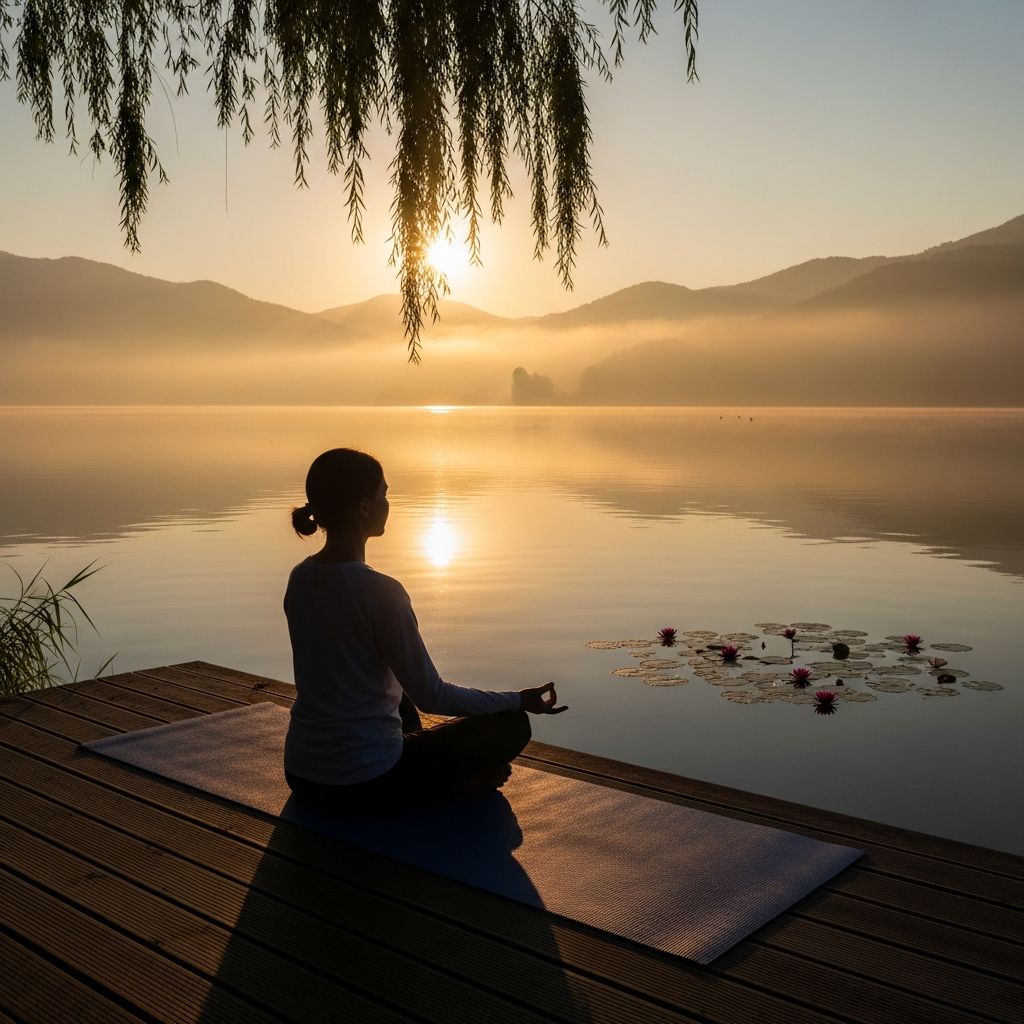
Evoking Calm: Practicing Mindfulness in Daily Life Helps
In our fast-paced modern world, stress and anxiety have become increasingly prevalent challenges affecting millions of people. From work pressures and family responsibilities to the constant bombardment of digital information, our minds are rarely allowed to rest. However, there is a scientifically-backed practice that can help us navigate these challenges and find moments of peace: mindfulness. The ancient practice of mindfulness, when integrated into our daily routines, offers a powerful pathway to evoking calm and improving overall well-being.
Mindfulness is the practice of purposely focusing your attention on the present moment—and accepting it without judgment. It has roots in Buddhist traditions but has become increasingly mainstream through scientific research and modern wellness practices. Professor emeritus Jon Kabat-Zinn, founder and former director of the Stress Reduction Clinic at the University of Massachusetts Medical Center, helped bring mindfulness meditation into mainstream medicine, demonstrating that practicing mindfulness can bring improvements in both physical and psychological symptoms as well as positive changes in health, attitudes, and behaviors.
Understanding Mindfulness and Its Foundation
At its core, mindfulness involves paying attention to what you’re experiencing from moment to moment without drifting into thoughts about the past or worries about the future. This simple yet profound practice has been extensively studied by researchers at prestigious institutions including Harvard University, the University of Colorado Boulder, and Brown University. The growing body of evidence demonstrates that cultivating mindfulness can increase our enjoyment of life, expand our capacity to cope with illness, and possibly improve our physical and mental health.
The foundation of mindfulness rests on acceptance and non-judgment. Rather than evaluating experiences as good or bad, mindfulness encourages us to observe our thoughts and feelings with curiosity and kindness. This shift in perspective can be transformative, especially when dealing with stress, anxiety, or chronic conditions.
The Science Behind Mindfulness Benefits
Mental Health Improvements
Mindfulness-based treatments have been shown to reduce anxiety and depression significantly. Dr. Zev Schuman-Olivier of Harvard University notes that “for many chronic illnesses, mindfulness meditation seems to improve quality of life and reduce mental health symptoms.” The practice works in multiple ways to support mental well-being.
One of the first mindfulness-based therapies was specifically designed for depression, and many studies have shown its effectiveness for some people. According to Dr. Sona Dimidjian of the University of Colorado Boulder, who studies mindfulness-based treatments to prevent relapse of depression, mindfulness appears to help with depression in two primary ways. First, it helps you develop the ability to stay grounded in the present moment, reducing the tendency to ruminate on past failures or anticipate future challenges.
Psychotherapists have increasingly turned to mindfulness meditation as an important element in treating various mental health problems, including depression, substance abuse, eating disorders, couples’ conflicts, anxiety disorders, and obsessive-compulsive disorder. It has become increasingly common for mindfulness meditation to be combined with psychotherapy, especially cognitive behavioral therapy, since both share the common goal of helping people gain perspective on irrational, maladaptive, and self-defeating thoughts.
Physical Health Enhancements
Beyond mental health, mindfulness offers substantial physical health benefits. There is evidence that mindfulness can lower blood pressure, improve sleep, and even help people cope with pain. Scientists have discovered that mindfulness techniques help improve physical health in several ways, including treating heart disease, reducing chronic pain, and alleviating gastrointestinal difficulties.
The connection between stress and physical health is well-established. When human minds are stressed, the body becomes stressed too, releasing a cascade of inflammation signals. As Vanderbilt psychologist David Vago explains, “chronic toxic stress” can lead to “persistent underlying inflammation,” “premature aging,” and ultimately “premature mortality.” Cultivating mindful habits can help lower patient stress levels and prevent these downstream medical issues.
Participants in mindfulness courses have reported remarkable improvements. Following a mindfulness course at West Virginia University, participants reported 46% fewer medical symptoms than those who did not participate. In another study from San Francisco, patients required significantly fewer medical visits in the year after a mindfulness course.
Mindfulness and Everyday Habits
Making Healthier Choices
Being mindful may also help you make healthier choices throughout your day. Researchers at Brown University created an eight-week mindfulness program for people with high blood pressure and studied whether the program increased participants’ awareness of their habits, including how they ate. The study found that participants chose a healthier diet after taking the course.
This connection between mindfulness and behavioral change extends to physical activity as well. “With physical activity, just about everybody feels better afterwards,” explains researcher Loucks. “So, with mindfulness training we’re aware of it improving our mood, and then we can use that reward to actually train ourselves.” By becoming conscious of how physical activity makes us feel, we’re more likely to repeat these beneficial behaviors.
Setting and Achieving Goals
Mindfulness may also help with setting and achieving personal goals. By placing our intention on being more active, eating more fruits and vegetables, or other positive changes, we’re more likely to carry through and make these goals a reality. This intentional focus harnesses the power of our minds to support lasting behavioral change.
Mindfulness for Specific Health Conditions
Eating Disorders and Weight Management
Mindfulness has proved particularly useful for addressing eating disorders and weight management. Patients who practiced mindfulness meditation had fewer binge eating episodes and felt more control over their eating compared to those using traditional methods. Psychiatrist Elissa Epel at the University of California, San Francisco, used mindfulness to help patients reduce stress-induced binge eating. Patients who integrated mindful eating into their routines lost more weight and maintained lower blood sugars than those who used traditional weight loss methods. As Epel notes, “emotional states shape metabolic states.”
Chronic Pain and Other Conditions
Mindfulness training has also proved useful to people with chronic pain, fibromyalgia, psoriasis, and high blood pressure. The practice helps reduce fear and inner calm while improving the ability to tolerate upsetting thoughts, which can be particularly beneficial for those dealing with persistent physical discomfort.
Practicing Mindfulness in Daily Life
Formal Meditation Practice
While formal meditation is an excellent starting point, mindfulness extends far beyond sitting quietly with your eyes closed. Many people begin their mindfulness journey with structured meditation programs, which have demonstrated effectiveness in reducing stress and improving overall well-being.
Informal Mindfulness Practice
In addition to formal meditation, you can cultivate mindfulness informally by focusing your attention on your moment-to-moment sensations during everyday activities. This is done by single-tasking—doing one thing at a time and giving it your full attention. As you floss your teeth, pet the dog, or eat an apple, slow down the process and be fully present as it unfolds and involves all of your senses.
The beauty of informal mindfulness practice lies in its accessibility. You don’t need special equipment, a quiet space, or a significant time commitment. You can practice mindfulness while:
- Eating meals and truly savoring each bite
- Walking and paying attention to each step and breath
- Listening to others without planning your response
- Washing dishes and feeling the warm water on your hands
- Engaging in hobbies or creative activities
- Spending time in nature and observing your surroundings
The Impact on Overall Well-being
Enhancing Life Satisfaction
Mindfulness improves well-being in profound ways. Increasing your capacity for mindfulness supports many attitudes that contribute to a satisfied life. Being mindful makes it easier to savor the pleasures in life as they occur, helps you become fully engaged in activities, and creates a greater capacity to deal with adverse events.
By focusing on the here and now, many people who practice mindfulness find that they are less likely to get caught up in worries about the future or regrets over the past, are less preoccupied with concerns about success and self-esteem, and are better able to form deep connections with others. This shift toward present-moment awareness and acceptance naturally leads to greater optimism, more openness to new experiences, and greater satisfaction with life.
Building Resilience
One of the most powerful aspects of mindfulness is its ability to help people accept their experiences—including painful emotions—rather than react to them with aversion and avoidance. This acceptance doesn’t mean passivity; rather, it means responding to challenges with greater clarity and wisdom rather than being overwhelmed by emotional reactions.
Getting Started with Mindfulness
Beginning Your Practice
If you’re interested in developing a mindfulness practice, starting simple is often most effective. At times, the process may not seem relaxing at all, but over time it provides a key to greater happiness and self-awareness as you become comfortable with a wider and wider range of your experiences.
Above all, mindfulness practice involves accepting whatever arises in your awareness at each moment. It involves being kind and forgiving toward yourself. Remember that mindfulness is not about achieving a particular state or clearing your mind of all thoughts. Rather, it’s about observing your thoughts and experiences without judgment.
Finding Resources and Support
Many organizations and institutions now offer mindfulness programs, courses, and apps designed to support your practice. Whether you choose to work with a therapist, attend a group class, or use a meditation app, finding an approach that resonates with you increases the likelihood of maintaining a consistent practice.
Frequently Asked Questions About Mindfulness
Q: How long does it take to see benefits from mindfulness practice?
A: Some people notice benefits almost immediately, such as a sense of calm after a meditation session. However, more significant changes in mood, behavior, and physical health typically develop over weeks and months of consistent practice. Research suggests that regular practice leads to sustained improvements in stress levels, anxiety, and overall well-being.
Q: Do I need to meditate for a long time to benefit from mindfulness?
A: No. Even brief periods of mindfulness practice can be beneficial. Starting with just 5-10 minutes daily can create meaningful improvements. The key is consistency rather than duration. Many people find that informal mindfulness practices throughout the day complement formal meditation.
Q: Can mindfulness help with anxiety disorders?
A: Yes. Mindfulness-based treatments have been shown to reduce anxiety significantly. By teaching you to observe anxious thoughts without judgment and stay grounded in the present moment, mindfulness can help reduce the intensity and frequency of anxiety symptoms.
Q: Is mindfulness suitable for everyone?
A: Mindfulness can be practiced by most people, but some individuals with certain mental health conditions should approach it with professional guidance. If you have a history of trauma or severe mental illness, consult with a mental health professional before beginning a mindfulness practice.
Q: How does mindfulness differ from other relaxation techniques?
A: While relaxation techniques focus on reducing physical tension, mindfulness emphasizes non-judgmental awareness of the present moment. However, mindfulness often leads to relaxation as a natural byproduct. The key difference is that mindfulness involves observation and acceptance rather than trying to achieve a particular state.
Conclusion
Evoking calm through mindfulness is not merely a wellness trend but a scientifically-supported practice with profound benefits for both mental and physical health. By cultivating the ability to stay present, accept your experiences without judgment, and engage fully in daily activities, you can transform your relationship with stress and enhance your overall quality of life. Whether through formal meditation or informal mindfulness during everyday tasks, integrating this ancient practice into your modern life offers a pathway to greater peace, resilience, and well-being. Start today, be patient with yourself, and discover the calm that mindfulness can bring to your life.
References
- Mindfulness for Your Health — National Institutes of Health, News in Health. 2021-06. https://newsinhealth.nih.gov/2021/06/mindfulness-your-health
- Benefits of Mindfulness — HelpGuide. 2024. https://www.helpguide.org/mental-health/stress/benefits-of-mindfulness
- Mindfulness and Public Health — Harvard Magazine. 2024. https://www.harvardmagazine.com/university-news/harvard-mindfulness-center
- Harvard: The Benefits of Mindfulness — Harvard University Health Publications. 2023. https://newsinhealth.nih.gov/2021/06/mindfulness-your-health
Similar Articles








Read full bio of Sneha Tete