Exam Time: Stress-Relieving Toys and Gadgets
Explore science-backed stress relief tools for exam anxiety and discover which gadgets actually work.
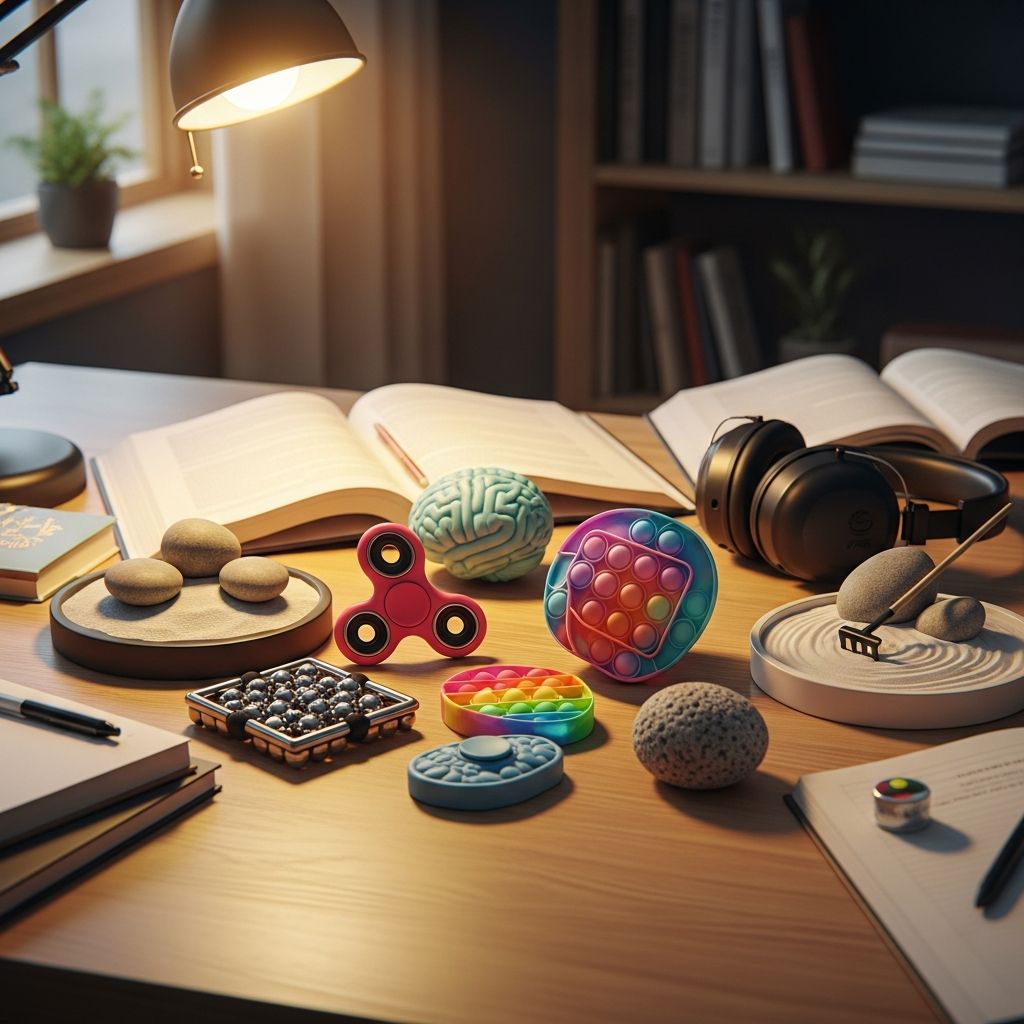
Stress toys such as fidget spinners, stress balls, and cubes have become increasingly popular tools for managing stress and anxiety, particularly during exam season. These gadgets appear everywhere—in classrooms, libraries, and study spaces. But the critical question remains: are these stress-relieving tools merely a passing trend, or do they offer genuine benefits backed by science? This comprehensive guide explores the most popular stress-busting gadgets available today and examines the scientific evidence supporting their use.
Understanding Stress-Relieving Gadgets
During exam periods, many students and professionals turn to stress-relieving gadgets as a way to manage mounting pressure and anxiety. The market for these products has grown substantially, with manufacturers claiming various benefits ranging from improved focus to reduced anxiety symptoms. However, understanding the actual effectiveness of these tools requires examining both the available research and the mechanisms through which they may work.
The appeal of stress-relieving gadgets lies in their simplicity and accessibility. They offer a tangible, portable way to address anxiety without requiring medication or professional intervention. Yet the scientific community remains divided on their actual efficacy, with some studies showing promise while others reveal limited or contradictory results.
1. Fidget Spinners
Fidget spinners burst onto the scene with significant marketing claims. Manufacturers assert that these spinning gadgets can relieve symptoms associated with ADHD, autism, and anxiety disorders. The underlying theory suggests that fidgeting—such as jiggling legs or spinning objects—can help children with ADHD concentrate better by providing necessary sensory stimulation.
Research on fidget spinners presents a mixed picture. Some small scientific studies have found that fidget spinners may help reduce anxiety in certain individuals. Studies have also documented that fidgeting behaviors can assist children with ADHD in maintaining concentration. However, the overall body of research remains limited, and the scientific evidence lacks the strength necessary to make definitive claims about spinner effectiveness.
A particularly notable 2018 study involving 60 children with ADHD revealed an unexpected finding: fidget spinners actually reduced activity levels, distracted children, and caused them to pay less attention to their surroundings. This counterintuitive result highlights the importance of individual differences in how people respond to sensory tools. What helps one person focus may distract another, and there is little to no robust evidence specifically examining fidget spinner use during examinations.
Key considerations for fidget spinners:
- Limited scientific evidence supporting their effectiveness for anxiety
- Individual responses vary significantly
- May distract rather than focus attention for some users
- Manufacturers’ claims often exceed available scientific evidence
2. Stress Balls and Toys
Stress balls represent one of the oldest and most traditional stress-relief tools available. The fundamental concept behind stress balls is straightforward: by tensing your hand around the ball and then releasing your grip, you simultaneously release mental tension and stress. This physical act of squeezing and releasing is thought to help your body let go of accumulated stress.
The theoretical mechanism behind stress balls involves the nervous system. When you squeeze a stress ball, you activate muscle fibers and strengthen the nerves responsible for hand function. The theory suggests that this physical activity may benefit your broader nervous system by helping regulate the release of stress hormones like cortisol. By engaging in this repetitive squeezing motion, users may promote relaxation and reduce physiological tension.
Related Stories



However, the scientific evidence supporting stress balls remains mixed. While some studies report improvements in stress levels and reduced anxiety after stress ball use, other research shows no significant benefits. This variability in results suggests that stress balls may work effectively for some individuals while providing minimal benefit to others. Factors such as personal preference, the frequency and duration of use, and individual stress response patterns all appear to influence effectiveness.
Potential benefits of stress balls:
- Physical tension release through squeezing action
- Portable and discreet stress management tool
- Low cost and easy accessibility
- Safe for use in various environments
3. Wire Head Massagers
Wire head massagers, typically constructed from flexible metal coils, offer a different approach to stress relief. According to proponents of this tool, the gentle vibration and pressure from a wire head massager can relax the neck and scalp muscles that become tense during stressful situations. When anxiety levels rise, many people unconsciously tense the muscles in their neck, shoulders, and head—a physiological response that contributes to headaches and discomfort.
The concept of head massage is not new. Head massage represents an ancient technique rooted in Ayurvedic medicine, a traditional Indian healing system. Ayurvedic practitioners have long recognized that head massage can relieve anxiety, promote relaxation, and improve overall well-being. This ancient approach has been incorporated into modern stress-relief tools like wire head massagers.
While scientific studies specifically examining wire head massagers remain limited, the underlying principle of head massage as a relaxation technique has some support in traditional medicine practices. The gentle pressure and stimulation may improve blood circulation to the head and neck region, potentially promoting relaxation and reducing tension-related symptoms.
Characteristics of wire head massagers:
- Based on ancient Ayurvedic massage principles
- Targets neck and scalp tension areas
- Promotes blood circulation
- Gentle and non-invasive application
4. Therapy Putty
Therapy putty, also known as silly putty or thinking putty, operates on a similar principle to stress balls but with some distinct advantages. This putty-like substance is specifically designed to provide resistance and reformation with each stretch, squeeze, and manipulation. The primary mechanism involves the repetitive physical action of working the putty—stretching it, squeezing it, and shaping it—which may help alleviate mental stress.
Beyond simple stress relief, many practitioners suggest that therapy putty offers additional cognitive benefits. The theory proposes that the tactile sensation of manipulating the putty while simultaneously engaging in problem-solving or studying may help individuals process their thoughts more effectively. The distraction provided by the putty may redirect anxious thoughts toward a neutral, repetitive activity, thereby reducing overall anxiety levels.
Similar to stress balls, however, the scientific evidence supporting therapy putty remains predominantly anecdotal. Most claims about putty’s effectiveness derive from user testimonies rather than rigorous controlled studies. There is little to no robust scientific evidence examining the use of therapy putty specifically for student stress or exam anxiety. Nevertheless, many users report subjective feelings of calm and reduced anxiety after using therapy putty, which may provide genuine relief regardless of the underlying mechanism.
Advantages of therapy putty:
- Malleable and adaptable to various hand sizes
- Provides resistance feedback during use
- May assist with thought processing
- Offers tactile distraction from anxious thoughts
5. Stress Relief Apps for Young People
In our increasingly digital world, stress relief has extended into the virtual realm. Numerous applications designed specifically for young people offer guided relaxation techniques, breathing exercises, meditation sessions, and mindfulness practices. These apps provide accessible, on-demand stress management tools that can be used anytime and anywhere a smartphone or tablet is available.
Stress relief apps typically include features such as guided meditation, progressive muscle relaxation, breathing technique tutorials, mood tracking, and educational content about stress management. Many incorporate gamification elements or interactive components to increase engagement and encourage consistent use. The advantage of digital tools lies in their flexibility and the ability to deliver personalized interventions tailored to individual needs.
The accessibility of these apps is particularly valuable for young people who may feel hesitant to seek traditional mental health support. By offering stress management tools in a familiar digital format, these applications reduce barriers to accessing anxiety relief strategies.
6. Mindfulness Remotes
Mindfulness remotes represent a modern innovation in electronic stress-relief gadgets designed specifically for children and young adults. These interactive tools combine entertainment with stress management, offering enjoyable activities packaged in an engaging format. For younger children who may resist traditional stress management techniques, mindfulness remotes provide an appealing alternative.
Research on mindfulness remotes shows promising results. According to a study conducted by Brunel University, 86% of children who used Stix Mindfulness Remotes reported feeling happier and less stressed after a four-week period. This substantial positive response rate suggests that mindfulness remotes may offer genuine benefits for young people navigating exam anxiety and related stress.
These remotes work by guiding users through interactive mindfulness exercises that are specifically designed to be engaging and fun. By combining stress relief with entertainment, mindfulness remotes address a key challenge in getting young people to engage with mental health tools—they make stress management feel less like a medical intervention and more like an enjoyable activity.
Benefits of mindfulness remotes:
- Demonstrated 86% effectiveness rating in clinical research
- Interactive and engaging design appeals to young people
- Combines stress relief with entertainment
- Specifically designed for pediatric populations
- Four-week use produces measurable improvements
Comparative Overview of Stress-Relief Gadgets
| Gadget Type | Mechanism | Scientific Evidence | Cost | Best For |
|---|---|---|---|---|
| Fidget Spinners | Repetitive spinning motion | Limited and mixed | Low ($5-20) | Individual preference testing |
| Stress Balls | Squeezing and releasing | Mixed results | Low ($5-15) | Portable stress relief |
| Wire Head Massagers | Pressure and vibration | Traditional support only | Low-Medium ($10-30) | Neck tension relief |
| Therapy Putty | Tactile manipulation | Mostly anecdotal | Low ($5-20) | Distraction and focus |
| Stress Relief Apps | Guided techniques | Growing evidence | Free-Low ($2-10) | Digital-native users |
| Mindfulness Remotes | Interactive exercises | Strong (86% effectiveness) | Medium ($30-80) | Young people and children |
Important Considerations and Limitations
While stress-relieving gadgets offer convenient and accessible ways to manage anxiety, they should not be viewed as substitutes for professional medical help or comprehensive mental health support. For individuals experiencing persistent anxiety, panic attacks, or stress that significantly impacts daily functioning, consulting with a healthcare provider remains essential.
The effectiveness of stress-relief gadgets varies considerably from person to person. What provides significant relief for one individual may prove ineffective or even counterproductive for another. This individual variability suggests that finding the right stress management tool often involves personal experimentation and self-awareness about what actually helps you relax and manage your emotions.
Additionally, stress-relief gadgets work best as part of a comprehensive approach to mental health that includes:
- Regular physical activity and exercise
- Adequate sleep and rest
- Healthy nutrition and hydration
- Social connection and support
- Time management and organizational skills
- Professional mental health support when needed
Frequently Asked Questions
Q: Are stress-relief gadgets proven to work scientifically?
A: The scientific evidence is mixed. While some gadgets like mindfulness remotes show strong research support, others like fidget spinners and stress balls have limited or contradictory evidence. Individual effectiveness varies considerably.
Q: Can I use stress gadgets during my exam?
A: This depends on your exam rules and institution policies. Many educational settings restrict the use of fidget toys during tests to minimize distractions. Always check your exam guidelines before bringing any gadgets.
Q: What’s the best stress-relief gadget for exam anxiety?
A: Mindfulness remotes and stress relief apps show the strongest research evidence. However, the best gadget is the one that works for you individually. Consider starting with low-cost options like stress balls or therapy putty to determine what you prefer.
Q: How long does it take for stress gadgets to work?
A: Some people experience immediate relief, while others benefit from consistent use over time. Research on mindfulness remotes showed measurable improvements after four weeks of regular use.
Q: Should I replace professional mental health care with stress gadgets?
A: No. Stress gadgets are complementary tools, not substitutes for professional mental health care. If you’re experiencing persistent anxiety or significant stress, consult with a healthcare provider or mental health professional.
Q: Are stress gadgets suitable for all ages?
A: Most stress gadgets are safe for children and adults, but mindfulness remotes and apps are specifically designed for younger populations. Always supervise young children with small objects like fidget spinners to prevent choking hazards.
Conclusion
Stress-relieving gadgets offer a diverse range of options for managing anxiety and stress during exam time and beyond. From traditional stress balls to innovative mindfulness remotes, these tools appeal to different preferences and learning styles. While the scientific evidence varies across different gadgets, with mindfulness remotes showing the strongest research support and others relying more on anecdotal evidence, many people report finding genuine relief through their use.
The key to finding an effective stress-relief tool lies in personal experimentation and understanding what works best for your individual stress response. Combined with a healthy lifestyle that includes exercise, proper nutrition, adequate sleep, and when necessary, professional mental health support, stress-relief gadgets can become valuable components of a comprehensive anxiety management strategy.
References
- Exam time: stress-relieving toys and gadgets — Patient.info. 2024-05-09. https://patient.info/features/mental-health/review-stress-relieving-gadgets
- Wearables for Stress Management: A Scoping Review — National Institutes of Health, PMC. https://pmc.ncbi.nlm.nih.gov/articles/PMC10486660/
- Fidget toys for anxiety: Do they work? — Medical News Today. https://www.medicalnewstoday.com/articles/fidget-toys-for-anxiety
- How to Manage Stress – 8 Techniques from a GP — Patient.info. https://patient.info/mental-health/stress-management
Similar Articles








Read full bio of Sneha Tete