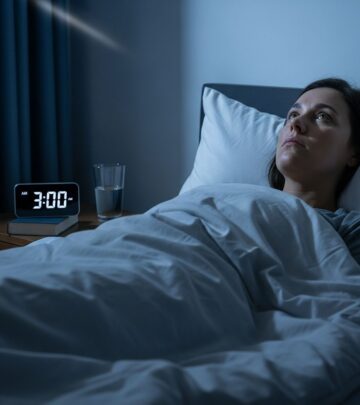
Excessive Daytime Sleepiness: Causes, Risks, And Treatments
Understanding causes, risks, diagnosis, and treatments for excessive daytime sleepiness that disrupts daily life.
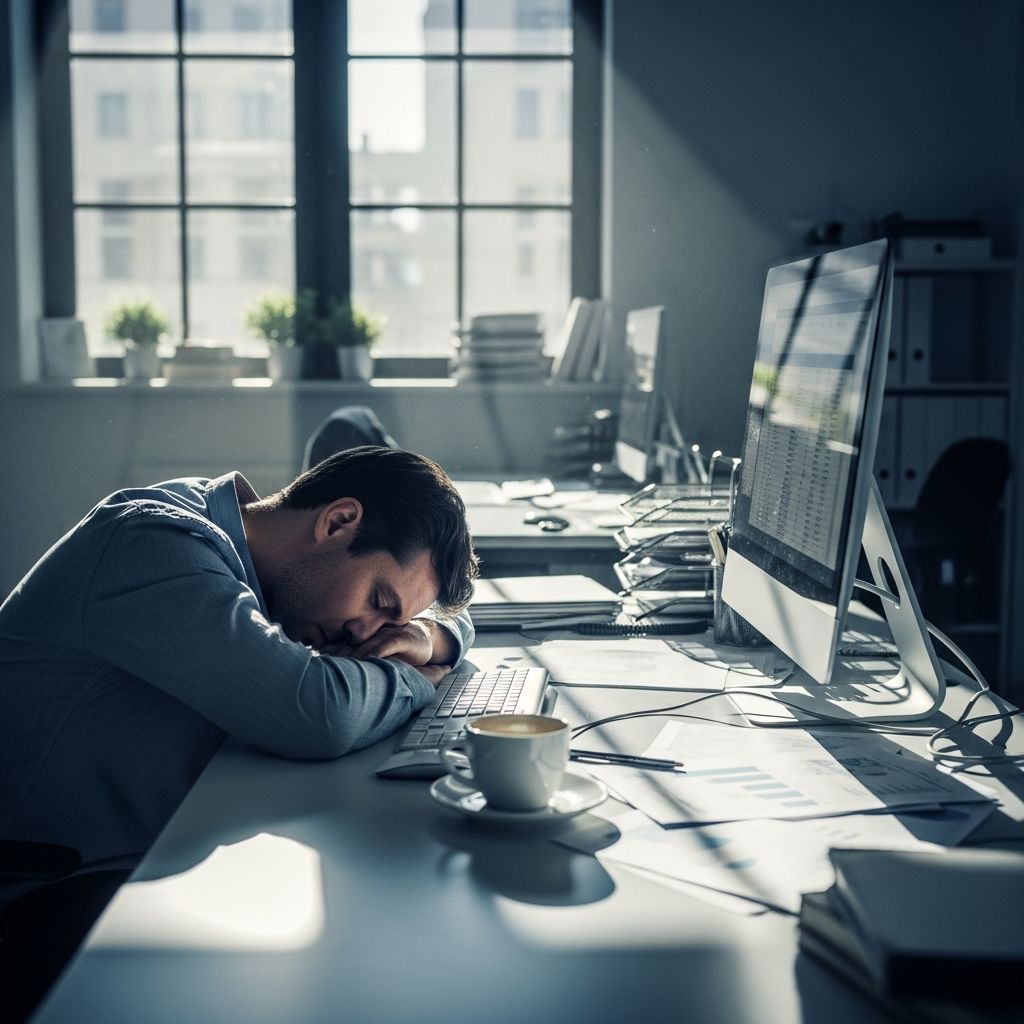
Excessive daytime sleepiness (EDS) refers to an overwhelming urge to fall asleep during the day, even after adequate nighttime rest, interfering with daily activities, work, and safety. This condition affects quality of life, heightens accident risks, and signals underlying health issues like sleep disorders or cardiovascular vulnerabilities.
What Is Excessive Daytime Sleepiness?
EDS is characterized by persistent drowsiness and unintended sleep episodes during wakeful hours, distinct from normal fatigue. Unlike brief tiredness, EDS persists despite sufficient sleep, often linked to sleep disorders such as obstructive sleep apnea (OSA), narcolepsy, or idiopathic hypersomnia (IH). Epidemiological data show EDS amplifies cardiovascular risks, even independent of identifiable sleep disorders, potentially via inflammation or epigenetic factors.
Prevalence varies: in OSA, EDS occurs in 16-87% of cases, correlating with hypertension, cardiovascular events, and mortality. It impairs cognitive function, behavior, and physiology, reducing overall well-being.
Symptoms of Excessive Daytime Sleepiness
- Irresistible urge to sleep during meetings, driving, or conversations.
- Prolonged recovery from sleep inertia (grogginess upon waking).
- Microsleeps: brief, involuntary lapses into sleep.
- Difficulty concentrating, memory lapses, and mood changes like irritability.
- Associated fatigue, though EDS and fatigue differ—EDS involves sleep propensity, fatigue a sense of exhaustion.
In narcolepsy, symptoms include cataplexy (sudden muscle weakness) alongside EDS; in IH, prolonged sleep without refreshment.
Causes of Excessive Daytime Sleepiness
EDS stems from insufficient sleep, circadian disruptions, or primary disorders. Key causes include:
- Sleep Disorders: OSA (airway obstruction causing fragmentation), narcolepsy (orexin deficiency), IH (unknown etiology with autonomic instability).
- Medical Conditions: Parkinson’s, depression, substance abuse, hypothyroidism.
- Lifestyle Factors: Shift work, jet lag, poor sleep hygiene.
- Emerging Biological Links: Metabolite imbalances (e.g., steroid production), gut microbiome dysfunction, inflammation, and genetic variants explain cases without overt sleep loss.
In OSA, hypoxemia and hypercapnia contribute, but residual EDS persists post-treatment in 12-65% of adherent patients, suggesting divergent pathologies like axonal damage.
Risks and Complications
EDS elevates dangers: motor vehicle accidents (2-7x risk), workplace errors, and falls. Cardiovascularly, sleepy OSA patients face higher hypertension, events, and mortality vs. non-sleepy counterparts. Independent EDS links to inflammation from adipose/gut issues and epigenetic changes.
| Condition | CV Risk with EDS | Evidence |
|---|---|---|
| OSA + EDS | Hypertension onset, CV events, mortality | Higher AHI, lower O2 saturation |
| Narcolepsy | Potential autonomic instability | Limited data |
| IH | 20% hypertension/heart disease | Autonomic issues |
| Isolated EDS | Increased systemic inflammation | Metabolomics study |
Untreated EDS diminishes quality of life, cognitive performance, and longevity.
How Is Excessive Daytime Sleepiness Diagnosed?
Diagnosis combines history, scales, and tests.
- Epworth Sleepiness Scale (ESS): Self-rate dozing likelihood in 8 scenarios (score ≥11 indicates habitual EDS).
- Stanford Sleepiness Scale: Instant alertness rating (≥4 = EDS).
- Multiple Sleep Latency Test (MSLT): 4-5 naps; mean latency <5 min + ≥2 SOREMPs confirms central hypersomnias.
- Polysomnography (PSG): Precedes MSLT to rule out OSA.
- Biomarkers: Emerging metabolite profiles (7 key ones in HCHS/SOL study, plus 3 male-specific) for steroid pathways.
Related Stories



Rule out comorbidities like depression or medications.
Treatments for Excessive Daytime Sleepiness
Treatment targets causes:
- OSA: CPAP reduces EDS linearly with adherence, though residual persists.
- Narcolepsy: Stimulants (modafinil), sodium oxybate; recent therapies cut sleepiness.
- Lifestyle: Sleep hygiene, scheduled naps, caffeine moderation.
- Pharmacologic: Wake-promoting agents, antidepressants for cataplexy.
- Emerging: Anti-inflammatory or microbiome interventions based on new biology.
Comorbid management improves outcomes. Longitudinal studies needed for CV hard endpoints.
When to See a Doctor
Seek care if EDS causes safety risks, persists >3 months, or accompanies snoring, gasping, cataplexy, or mood shifts. Early intervention prevents complications.
Prevention Tips
- Maintain 7-9 hours consistent sleep.
- Avoid screens/alcohol pre-bedtime.
- Exercise regularly, limit naps to 20-30 min.
- Monitor for apnea signs; screen high-risk groups (obesity, hypertension).
Genetic/metabolite insights may enable personalized prevention.
Frequently Asked Questions (FAQs)
What is the difference between EDS and fatigue?
EDS is propensity to fall asleep; fatigue is weariness without sleep drive.
Can EDS occur without sleep disorders?
Yes, via inflammation, metabolites, or lifestyle; genetics play a minor role.
Does CPAP always cure EDS in OSA?
No, 12-65% have residual EDS despite adherence, indicating other causes.
Are there blood tests for EDS?
Promising: 7-10 metabolites linked to sleepiness, especially in steroids.
Is EDS linked to heart disease?
Strongly: amplifies CV risk in sleep disorders; independent risks via inflammation.
References
- Excessive Daytime Sleepiness: An Emerging Marker of Cardiovascular Risk — PMC/NCBI (NIH). 2022-12-01. https://pmc.ncbi.nlm.nih.gov/articles/PMC9731316/
- Effects of Excessive Daytime Sleepiness and Fatigue on Overall Functioning — The Journal of Clinical Psychiatry / Psychiatrist.com. 2010 (authoritative review, cited in recent contexts). https://www.psychiatrist.com/jcp/effects-excessive-daytime-sleepiness-fatigue-overall/
- What makes us sleepy during the day? — Harvard Gazette (BIDMC/Harvard study in The Lancet eMedicine). 2025-08. https://news.harvard.edu/gazette/story/2025/08/what-makes-us-sleepy-during-the-day/
Similar Articles








Read full bio of Sneha Tete