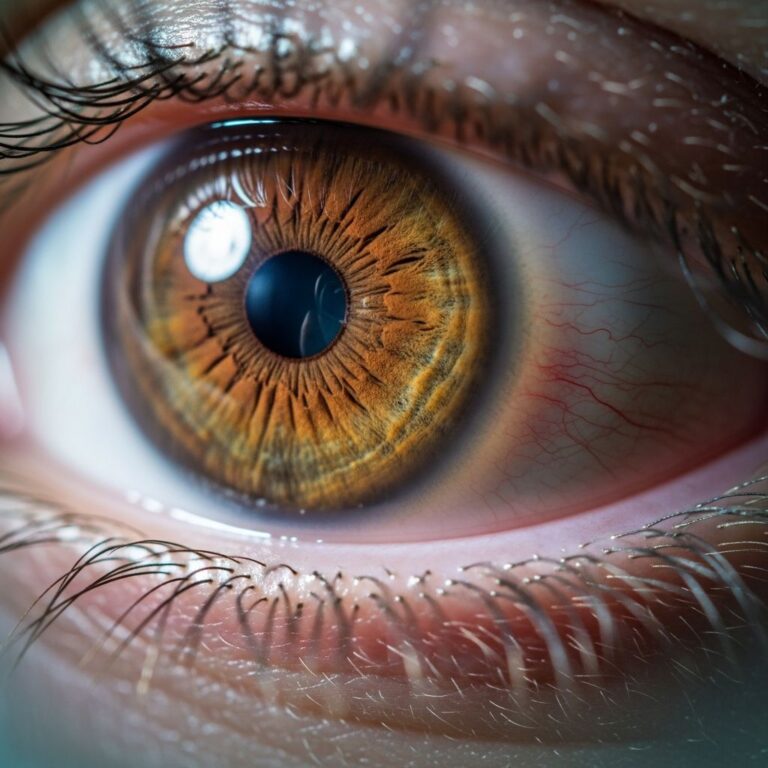
Excessive Sweating: Causes, Symptoms, and Treatment Options
Understanding hyperhidrosis: comprehensive guide to causes, symptoms, and effective treatment options.
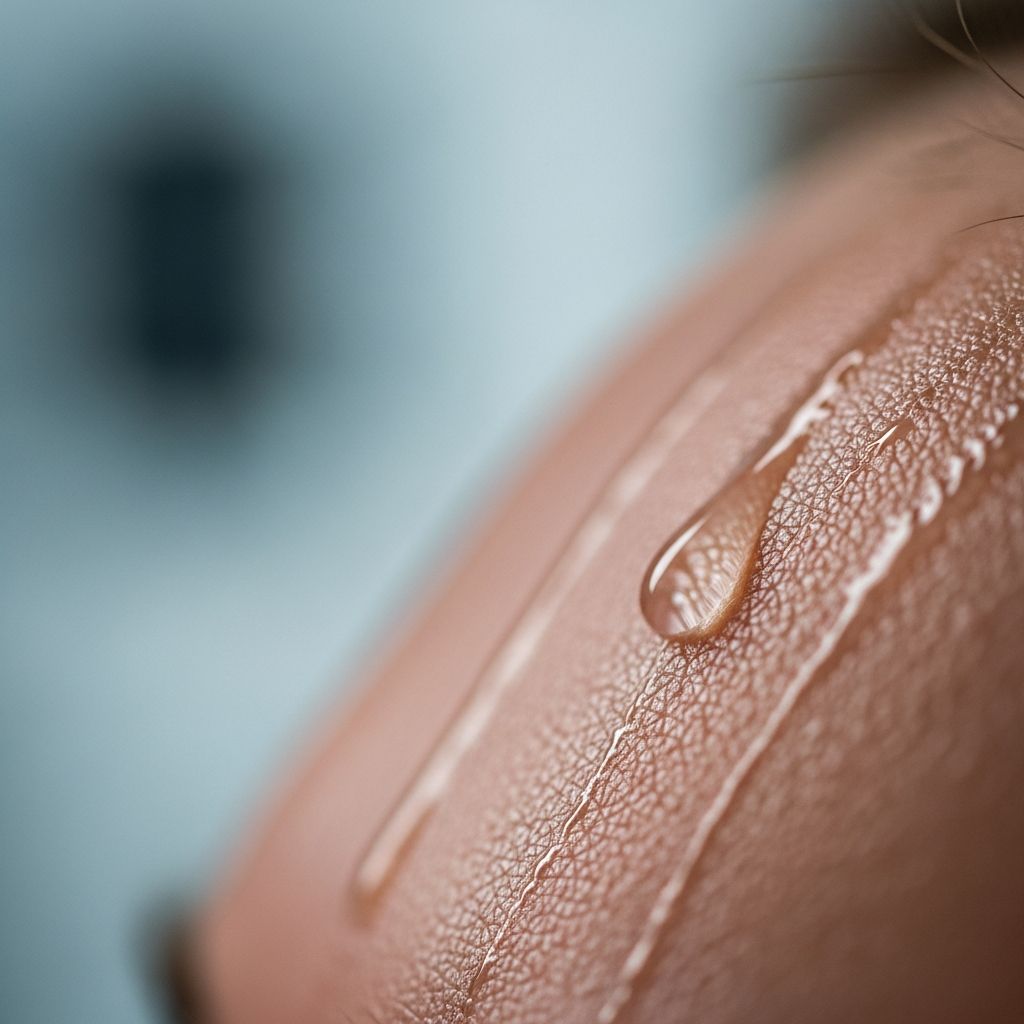
Understanding Excessive Sweating
Excessive sweating, medically known as hyperhidrosis, is a condition characterized by abnormally increased perspiration that goes beyond what is necessary for thermoregulation or in response to heat and exercise. While sweating is a natural and essential biological process that helps regulate body temperature, individuals with hyperhidrosis experience sweating that is disproportionate to environmental conditions or physical activity. This condition affects millions of people worldwide and can significantly impact their quality of life, social interactions, and emotional well-being.
The condition is not simply a matter of sweating more than average; it represents a dysfunction of the sympathetic nervous system that controls sweat gland activity. For those living with hyperhidrosis, the constant dampness and moisture can lead to social embarrassment, occupational difficulties, and psychological distress. Understanding this condition and the available treatment options can help individuals manage their symptoms effectively and regain confidence in their daily lives.
What Causes Excessive Sweating?
Hyperhidrosis results from overactivity of the sympathetic nerves that control the eccrine sweat glands, which are the primary sweat glands responsible for regulating body temperature. The underlying defect is not with the sweat glands themselves, but rather with the nervous system signals that trigger excessive sweating. In many cases, the trigger for sweating is unrelated to thermoregulation and occurs in response to factors such as stress, anxiety, or emotional stimuli.
There are two primary types of hyperhidrosis:
- Primary focal hyperhidrosis: This is the most common form, affecting approximately 4.8% of the general U.S. population, or about 15 million individuals. Primary focal hyperhidrosis typically appears in specific areas such as the hands, feet, underarms, and face, often beginning in childhood or during puberty.
- Secondary hyperhidrosis: This form occurs as a symptom of an underlying medical condition or as a side effect of medications, affecting the entire body rather than just specific areas.
Research has revealed an interesting connection between hyperhidrosis and mental health conditions. Many patients who initially appear to have primary anxiety or depression actually have hyperhidrosis as the underlying cause of their emotional distress. Successfully treating the excessive sweating has, in many cases, eliminated the need for anti-depressants or anti-anxiety medication, demonstrating the profound psychological impact of this condition.
Common Symptoms and Affected Areas
Hyperhidrosis primarily affects specific areas of the body where eccrine sweat glands are concentrated. The most commonly affected areas include:
- Palms and hands: Constant moisture and visible sweat dripping from the hands
- Soles and feet: Excessive moisture within shoes and socks, leading to maceration and potential infections
- Axillae (underarms): Visible sweat stains and dampness throughout the day
- Face and craniofacial areas: Persistent facial perspiration unrelated to temperature or exertion
- Inguinal region (groin): A less commonly recognized area that can cause significant embarrassment and social distress
The symptoms extend beyond simple moisture. Individuals with hyperhidrosis often experience social anxiety, occupational challenges, and emotional burden. For example, students may find their homework assignments or written work literally drenched in sweat, while professionals may struggle with maintaining professional appearance and conducting handshakes or handling documents.
Related Stories



Diagnosis and Evaluation
Proper diagnosis of hyperhidrosis involves a comprehensive evaluation by healthcare professionals. The diagnostic process typically includes:
- Detailed medical history focusing on when sweating begins, which areas are affected, and triggering factors
- Physical examination to observe and assess the extent of sweating
- Review of medications and potential secondary causes
- Specialized tests such as iodine-starch tests to confirm excessive sweating in specific areas
- Assessment for associated autonomic nervous system dysfunction
Many patients with hyperhidrosis present with other dysautonomia-related symptoms, including palpitations, fatigue, brain fog, chest pain, and sleep disturbances. Recognition of these associated symptoms is important for comprehensive treatment planning and managing patient expectations.
Treatment Options for Hyperhidrosis
Several treatment approaches are available for managing excessive sweating, ranging from conservative to surgical interventions. The choice of treatment depends on the severity of the condition, affected areas, patient preferences, and response to previous therapies.
Topical Treatments
For mild to moderate cases, topical treatments offer a non-invasive first-line approach. Drysol is a commonly prescribed topical antiperspirant containing aluminum chloride hexahydrate. These treatments are typically applied to affected areas before bedtime and work by temporarily plugging sweat ducts. However, topical treatments provide only temporary relief and require consistent application.
Botulinum Toxin (Botox) Injections
Botox injections represent a semi-permanent treatment option that has shown effectiveness in managing focal hyperhidrosis. The procedure involves injecting botulinum toxin into affected areas, such as the palms, requiring approximately twenty injections per hand. While effective, Botox treatment is temporary and requires repeated procedures to maintain results. This ongoing need for re-treatment makes it a commitment-intensive option for long-term management.
Microwave Thermolysis
Microwave thermolysis uses thermal energy to destroy both apocrine and eccrine sweat glands, effectively addressing both excessive sweating and body odor. Treatment sessions typically last about one hour and are spaced three months apart, with two treatments usually needed for optimal results. Common side effects are typically short-term and include mild swelling, numbness, and pain that can be managed with over-the-counter medication. This outpatient procedure is performed in the office setting and is FDA-approved for underarm hyperhidrosis.
Thoracic Sympathectomy
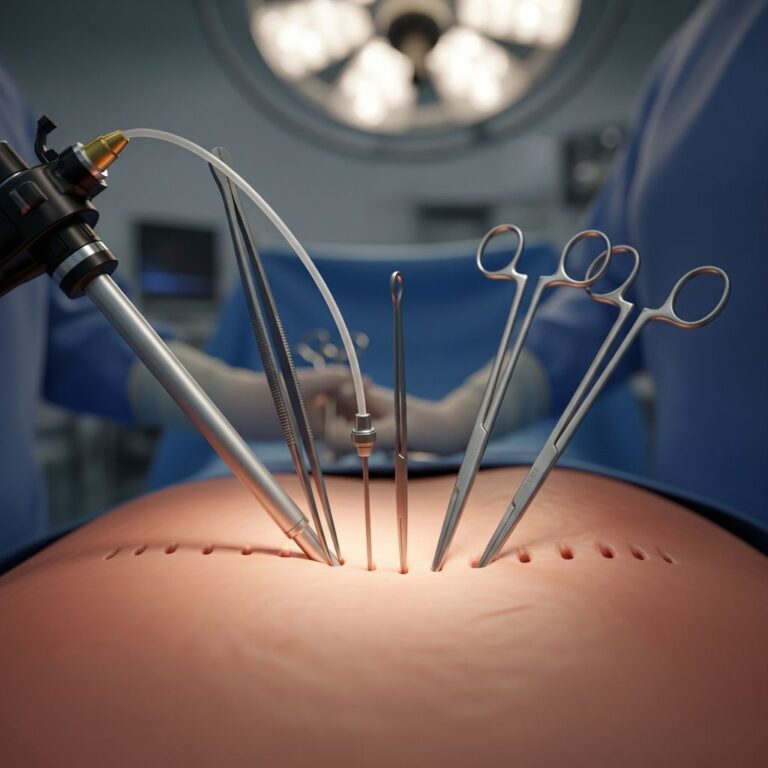
Thoracic sympathectomy represents a more definitive surgical approach developed and refined by specialists at Johns Hopkins Medicine. During this procedure, the sympathetic nerve controlling sweat gland activity is clipped under each arm, providing immediate results with minimal recovery time. This minimally invasive procedure offers a permanent solution for many patients, particularly those with severe palmar and axillary hyperhidrosis.
CT-Guided Percutaneous Ethanol Sympatholysis
Another advanced surgical option is CT-guided percutaneous ethanol sympatholysis, which targets the sympathetic nerves causing excessive sweating. This procedure is performed at thoracic vertebral levels T2 for facial hyperhidrosis and T3-T4 for axillary and palmar hyperhidrosis. The procedure offers 60% long-term effectiveness for facial, axillary, and palmar hyperhidrosis. However, it carries a 15% risk of compensatory hyperhidrosis, where sweating increases in other body areas such as the back, groin, or feet. Additional potential risks include a 5% risk of pneumothorax and an 8% risk of Horner syndrome, though the latter is typically self-limiting.
The Center for Sweat Disorders at Johns Hopkins
Johns Hopkins Medicine established a specialized Center for Sweat Disorders led by Dr. Malcolm Brock, a thoracic surgeon with expertise in treating hyperhidrosis. This multidisciplinary center provides comprehensive evaluation and treatment planning for patients with excessive sweating. The center’s research has contributed significantly to understanding the relationship between hyperhidrosis and mental health conditions, as well as developing innovative treatment approaches.
The center was among the first in Maryland to adopt microwave thermolysis technology in 2012, demonstrating its commitment to offering cutting-edge treatment options. Through their clinical experience and research, the team has established that successful hyperhidrosis treatment can dramatically improve patients’ quality of life and, in many cases, resolve associated anxiety and depression.
Impact on Quality of Life
The psychological and social impact of hyperhidrosis extends far beyond physical symptoms. Individuals with this condition often experience:
- Social anxiety and avoidance of social situations
- Occupational difficulties related to maintaining professional appearance
- Emotional burden and reduced self-confidence
- Anxiety disorders and depression secondary to the condition
- Sleep disturbances and fatigue
- Embarrassment related to visible sweat stains and moisture
Studies have shown that successful treatment of hyperhidrosis can be life-changing, with patients reporting significant improvements in their daily interactions, professional capabilities, and overall sense of well-being. Many individuals describe their post-treatment experience as opening a whole new world of possibilities previously limited by their condition.
Choosing the Right Treatment
The selection of appropriate treatment depends on several factors, including the severity and location of excessive sweating, patient age, medical history, lifestyle, and willingness to undergo procedures. A consultation with specialists experienced in hyperhidrosis management is essential for developing a personalized treatment plan. The multidisciplinary approach ensures that all aspects of the patient’s condition are addressed, including any associated mental health concerns or autonomic dysfunction.
Conservative treatments such as topical antiperspirants and Botox injections may be suitable for mild to moderate cases, while more severe manifestations of hyperhidrosis may benefit from surgical interventions such as sympathectomy or ethanol sympatholysis. Microwave thermolysis offers an effective middle-ground option for patients seeking a more permanent solution without the commitment of repeated injections or the risks associated with nerve ablation.
Frequently Asked Questions
Q: How common is hyperhidrosis?
A: Hyperhidrosis affects approximately 3% of the U.S. population, with primary focal hyperhidrosis impacting about 4.8% of Americans, or roughly 15 million individuals. Globally, the condition affects at least 211 million people.
Q: At what age does hyperhidrosis typically begin?
A: Primary focal hyperhidrosis often begins in childhood or during puberty, though it can develop at any age. Secondary hyperhidrosis may develop in response to underlying medical conditions or medications.
Q: Can hyperhidrosis be cured permanently?
A: Yes, procedures such as thoracic sympathectomy and CT-guided ethanol sympatholysis can provide permanent or long-term relief from excessive sweating. However, these procedures carry specific risks, and some patients may experience compensatory sweating in other body areas.
Q: Are there non-surgical treatment options?
A: Yes, non-surgical options include topical antiperspirants like Drysol, Botulinum toxin injections, and microwave thermolysis. These provide varying degrees of temporary to semi-permanent relief.
Q: What is the recovery time for minimally invasive procedures?
A: Thoracic sympathectomy offers very little recovery time with immediate results. Microwave thermolysis is an outpatient procedure performed in the office with minimal downtime, though mild swelling and numbness may occur temporarily.
Q: Can treating hyperhidrosis improve mental health?
A: Yes, research indicates that successful hyperhidrosis treatment has eliminated the need for anti-depressants or anti-anxiety medication in many patients, demonstrating a strong connection between excessive sweating and mental health conditions.
Q: What are the risks of sympathetic nerve ablation procedures?
A: Potential risks include a 5% risk of pneumothorax, an 8% risk of Horner syndrome, and a 15% risk of compensatory hyperhidrosis in other body areas. Most adverse effects are temporary and manageable.
References
- Doctors at Hopkins Develop Procedure to Cure Excessive Sweating — Fox Baltimore. 2015-09-02. https://foxbaltimore.com/news/cover-story/doctors-at-hopins-develop-procedure-to-cure-excessive-sweating-09-02-2015
- Hyperhidrosis Treatment Options — Malcolm Brock, M.D., Johns Hopkins Medicine. https://www.youtube.com/watch?v=KNGpSfmzkaY
- CT-guided Percutaneous Ethanol Sympatholysis for Hyperhidrosis — Radiology. 2025. https://pubs.rsna.org/doi/10.1148/radiol.241430
- Inguinal hyperhidrosis in a patient with a mildly elevated autonomic — National Center for Biotechnology Information (NCBI). https://pmc.ncbi.nlm.nih.gov/articles/PMC8226390/
Similar Articles








Read full bio of medha deb