Exenatide for Diabetes (Byetta, Bydureon)
Comprehensive guide to exenatide (Byetta, Bydureon) for type 2 diabetes management, including uses, dosage, side effects, and precautions.
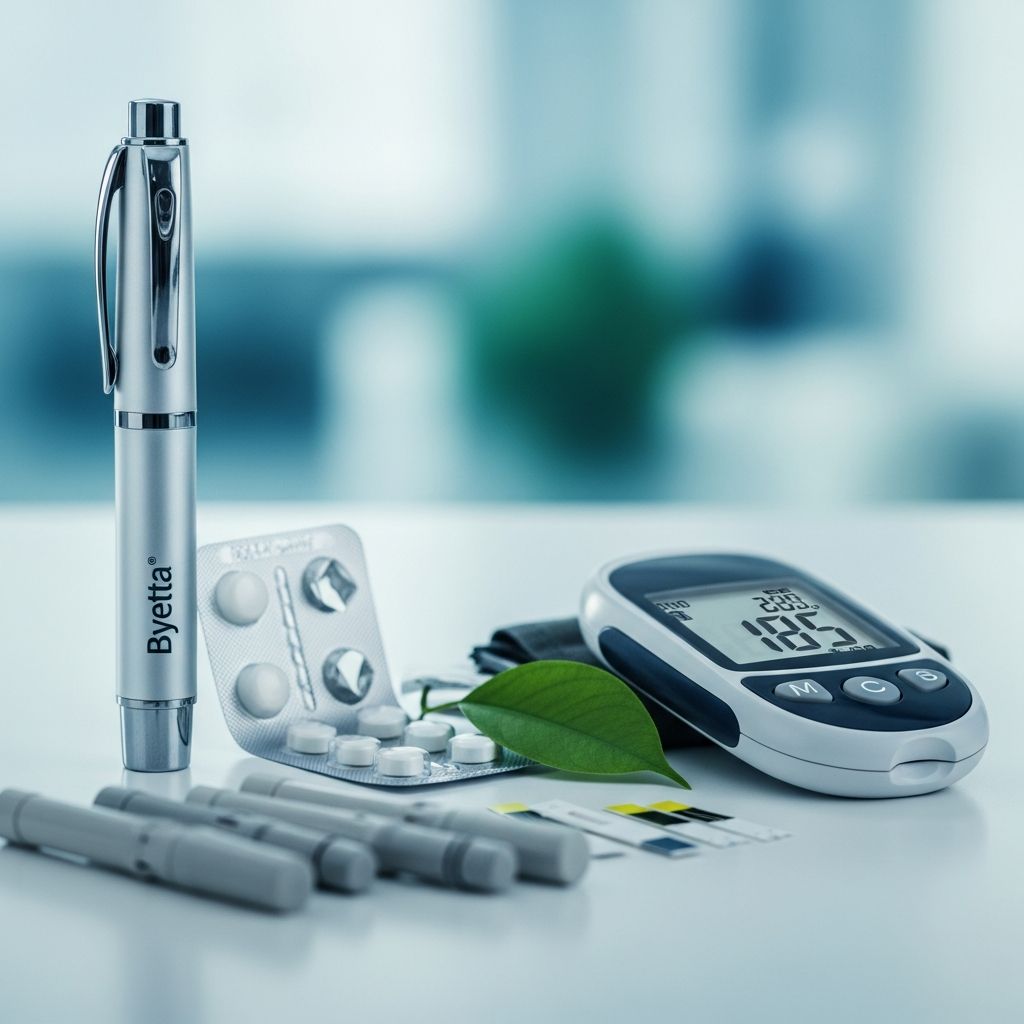
Exenatide is a medication used to treat
type 2 diabetes
in adults, available under brand namesByetta
(twice-daily injection) andBydureon
(once-weekly extended-release injection). It belongs to the class ofGLP-1 receptor agonists
(incretin mimetics), which mimic the action of glucagon-like peptide-1 (GLP-1), a hormone that regulates blood sugar. Exenatide is prescribed alongside diet and exercise to improve glycemic control when metformin or sulfonylureas alone are insufficient.About exenatide
Exenatide is a synthetic version of exendin-4, derived from the saliva of the Gila monster lizard, engineered to activate GLP-1 receptors in the body. Approved by the FDA in 2005 for Byetta and later for extended-release forms like Bydureon, it helps manage type 2 diabetes by addressing multiple pathways of glucose dysregulation. Unlike insulin, it works in a glucose-dependent manner, reducing the risk of severe hypoglycemia when used alone.
Byetta is an immediate-release solution administered subcutaneously twice daily, while Bydureon (and its auto-injector version Bydureon BCise) provides once-weekly dosing for better patient convenience. Bydureon was discontinued in some forms in 2021, but auto-injector versions remain available. Clinical studies show exenatide reduces HbA1c by 0.8-1.5% and promotes modest weight loss, making it suitable for overweight patients with type 2 diabetes.
Before taking exenatide
Consult your doctor before starting exenatide if you have a history of
medullary thyroid carcinoma (MTC)
,Multiple Endocrine Neoplasia syndrome type 2 (MEN 2)
, severe gastrointestinal disease, or pancreatitis. It is not recommended for type 1 diabetes or diabetic ketoacidosis.Pregnancy and breastfeeding
Exenatide’s safety in pregnancy is unclear; animal studies suggest potential risks to the fetus. Use effective contraception during treatment, and discuss with your doctor if planning pregnancy. It is unknown if exenatide passes into breast milk, so breastfeeding mothers should weigh risks and benefits.
Other medicines, foods, and drink
- Interactions: Exenatide delays gastric emptying, affecting oral medication absorption (e.g., acetaminophen, antibiotics). Take oral drugs at least 1 hour before exenatide injections.
- With insulin/sulfonylureas: Increased hypoglycemia risk; dose adjustments may be needed.
- Alcohol: May increase hypoglycemia risk; limit intake.
- Foods: No specific restrictions, but it slows digestion, aiding post-meal glucose control.
Age and gender
Safe for adults; extended-release forms approved for ages ≥10 in some indications. No gender-specific differences noted.
Driving and operating machinery
Exenatide may cause dizziness, blurred vision, or fatigue, especially with hypoglycemia. Do not drive until you know how it affects you. Monitor blood sugar closely.
How and when to take exenatide
Dosage
Dosing varies by formulation:
| Formulation | Starting Dose | Maintenance Dose | Frequency |
|---|---|---|---|
| Byetta (immediate-release) | 5 mcg | 10 mcg | Twice daily, within 60 min before breakfast and dinner |
| Bydureon/BCise (extended-release) | 2 mg | 2 mg | Once weekly, any time, with/without meals |
Administration
- Inject subcutaneously into thigh, abdomen, or upper arm. Rotate sites.
- Byetta: Use prefilled pen; do not shake. Prime before first use.
- Bydureon: Suspend powder by shaking vigorously; use auto-injector if available.
- Miss a dose? Byetta: Skip if >6 hours late; Bydureon: Administer up to 4 days late, then resume weekly.
Related Stories



How long to take it for
Exenatide is long-term therapy for ongoing diabetes management. Do not stop without doctor advice, as blood sugar control may worsen.
Side effects of exenatide
Most side effects are gastrointestinal and diminish over time. Common ones affect >10% of users.
Common side effects
- Nausea (most frequent, 18-44%), vomiting, diarrhea, constipation, abdominal pain.
- Injection site reactions (redness, itching).
- Headache, dizziness, fatigue.
- Decreased appetite, weight loss (beneficial in obesity).
Manage nausea by starting low dose and taking with food (for Bydureon).
Serious side effects
Seek immediate medical help for:
- Hypoglycemia: Symptoms include shakiness, sweating, confusion. Risk higher with insulin/sulfonylureas.
- Pancreatitis: Severe abdominal pain radiating to back, vomiting.
- Thyroid tumors: Lump in neck, hoarseness, trouble swallowing (boxed warning).
- Kidney problems: Reduced urine, swelling.
- Allergic reactions: Rash, swelling, anaphylaxis.
- Gallbladder disease: Cholecystitis, cholelithiasis.
Dealing with nausea
Nausea peaks in first 2-4 weeks. Strategies:
- Start with 5 mcg Byetta dose for 1 month before increasing.
- Eat smaller, bland meals; avoid fatty/spicy foods.
- Anti-nausea meds if prescribed. Most tolerate by week 4.
Diabetes and alcohol
Alcohol can cause hypoglycemia or hyperglycemia with exenatide. Monitor blood sugar, eat carbs if drinking, and limit to moderate amounts (≤1-2 units/day).
Hypos (low blood sugar)
Rare alone but common with insulin/sulfonylureas. Symptoms: hunger, trembling, sweating, irritability. Treat with 15g fast carbs (glucose tabs, juice), recheck in 15 min. Severe: Glucagon injection. Adjust concomitant meds.
Hyperglycaemia (high blood sugar)
May occur if insulin dose reduced too quickly. Symptoms: thirst, frequent urination, fatigue. Risk of DKA. Test ketones if blood sugar >14 mmol/L.
Travel and missed doses
- Store pens refrigerated (2-8°C); Byetta stable at room temp <30°C for 30 days.
- Carry supplies; declare at airports. Time doses to meals/time zones.
- Missed: Follow product-specific rules.
Further information
- Monitor HbA1c, weight, kidney function regularly.
- Combine with healthy diet, exercise for best results.
- Not insulin; does not cause weight gain.
- Research: Potential in Parkinson’s (ongoing trials).
Frequently Asked Questions (FAQs)
Q: What is exenatide used for?
A: Exenatide treats type 2 diabetes by improving blood sugar control alongside diet and exercise.
Q: How does exenatide work?
A: It boosts insulin secretion, suppresses glucagon, slows gastric emptying, and reduces appetite in a glucose-dependent way.
Q: Does exenatide cause weight loss?
A: Yes, users often lose 2-3 kg over 6 months due to appetite suppression.
Q: Can exenatide cause pancreatitis?
A: Possible; stop and seek help for severe abdominal pain.
Q: Is exenatide safe in pregnancy?
A: Not recommended; safety unclear.
References
- Exenatide (Byetta): Uses, Side Effects, Interactions — WebMD. 2023. https://www.webmd.com/drugs/2/drug-93242/byetta-subcutaneous/details
- Exenatide — Wikipedia (citing primary sources). 2024-01-10. https://en.wikipedia.org/wiki/Exenatide
- Exenatide: Uses, Interactions, Mechanism of Action — DrugBank. 2024. https://go.drugbank.com/drugs/DB01276
- Exenatide Injection — MedlinePlus (U.S. National Library of Medicine). 2023-05-15. https://medlineplus.gov/druginfo/meds/a605034.html
- Exenatide – Uses, How it Works and Side Effects — Diabetes UK. 2023. https://www.diabetes.org.uk/about-diabetes/looking-after-diabetes/treatments/tablets-and-medication/glp-1/exenatide
- Exenatide Solution for Injection — Cleveland Clinic. 2024. https://my.clevelandclinic.org/health/drugs/20513-exenatide-solution-for-injection
Similar Articles








Read full bio of Sneha Tete