Exenatide: Uses, Dosage, Side Effects, And FAQs
Comprehensive guide to exenatide: GLP-1 treatment for type 2 diabetes, including how it works, dosing, side effects and more.
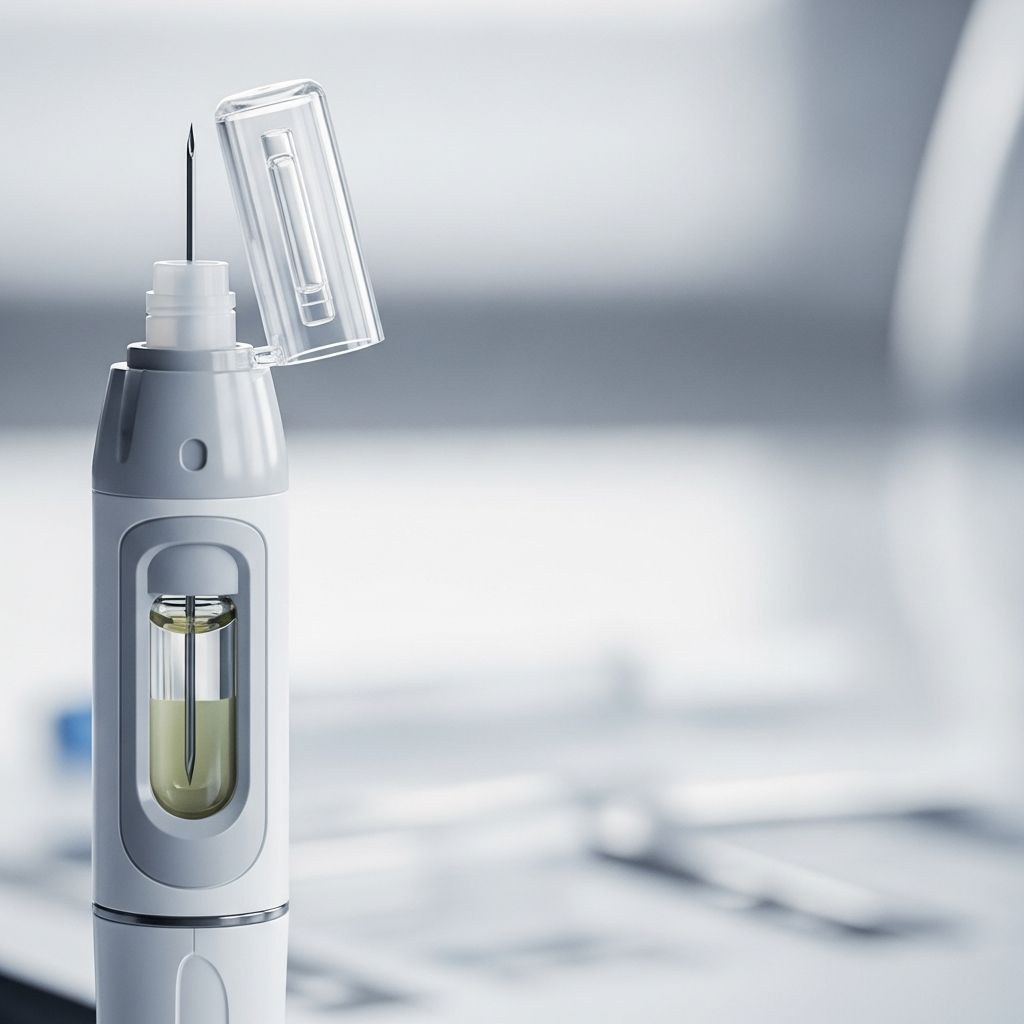
Exenatide is a glucagon-like peptide-1 (GLP-1) receptor agonist used as an adjunct to diet and exercise to improve glycemic control in adults with type 2 diabetes mellitus. Available as short-acting Byetta (twice daily) and long-acting Bydureon BCise (weekly), it mimics natural incretin hormones to enhance insulin secretion, suppress glucagon, slow gastric emptying, and promote satiety, leading to better blood sugar control and modest weight loss.
What is exenatide?
Exenatide is a synthetic version of exendin-4, a peptide derived from the saliva of the Gila monster lizard, engineered to activate GLP-1 receptors in humans. Unlike human GLP-1, which is rapidly degraded by DPP-4 enzymes, exenatide has a longer half-life, allowing it to exert sustained effects on glucose metabolism. It is indicated for patients with type 2 diabetes inadequately controlled by oral agents like metformin or sulfonylureas, but not as a substitute for insulin or for type 1 diabetes.
Clinical trials involving over 2,800 patients demonstrated exenatide’s efficacy in reducing HbA1c by 0.8-1.0%, fasting and postprandial glucose, and body weight, with benefits maintained up to 3 years. It restores first-phase insulin response—a key defect in type 2 diabetes—and reduces hepatic glucose output.
How does exenatide work?
Exenatide acts through multiple glucose-dependent mechanisms to normalize blood sugar without high hypoglycemia risk:
- Glucose-dependent insulin secretion: Stimulates pancreatic beta cells to release insulin primarily when glucose is elevated, mimicking the lost first-phase insulin response in type 2 diabetes.
- Glucagon suppression: Reduces inappropriately high glucagon secretion from alpha cells during hyperglycemia, lowering hepatic glucose production.
- Gastric emptying delay: Slows the rate at which food leaves the stomach, blunting postprandial glucose spikes.
- Appetite reduction: Acts on hypothalamic centers to promote satiety, aiding weight loss (typically 2-3 kg over 6 months).
These effects improve both fasting and post-meal glucose, with added cardiovascular benefits like reduced risk of heart attack, stroke, and microvascular complications.
Who can be prescribed exenatide?
Exenatide is suitable for adults with type 2 diabetes whose HbA1c remains above target (typically ≥7%) despite lifestyle changes and oral medications. It is often added to metformin, sulfonylureas, or thiazolidinediones, but use caution with sulfonylureas due to increased hypoglycemia risk.
Contraindications include:
- Personal/family history of medullary thyroid carcinoma or Multiple Endocrine Neoplasia syndrome type 2.
- Known hypersensitivity to exenatide.
- Type 1 diabetes or diabetic ketoacidosis.
Use with caution in: Gastroparesis, severe gastrointestinal disease, or history of pancreatitis. Not recommended during pregnancy or breastfeeding due to limited data.
Types of exenatide
Exenatide is available in two formulations:
| Formulation | Brand | Dosing Frequency | Delivery |
|---|---|---|---|
| Short-acting | Byetta | Twice daily (within 60 min before breakfast and dinner) | Pre-filled pen (5 mcg or 10 mcg doses) |
| Extended-release | Bydureon BCise | Once weekly (any time, with/without food) | Single-dose auto-injector (2 mg) |
Byetta provides rapid peak effects post-meal, while Bydureon offers steady-state coverage with less frequent dosing.
How do I use exenatide?
Administer subcutaneously in the abdomen, thigh, or upper arm. Rotate sites to avoid irritation.
Byetta (short-acting):
- Start at 5 mcg twice daily for 1 month.
- Increase to 10 mcg twice daily if tolerated.
- Inject within 60 minutes before meals (main meals with calories).
- If a dose is missed, skip it—do not double up.
Related Stories



Bydureon BCise (weekly):
- 2 mg once weekly, any time of day.
- Shake vigorously before use; forms a suspension.
- Can transition from Byetta without washout.
Monitor blood glucose regularly, especially when starting or adjusting doses. Continue diet/exercise; exenatide controls but does not cure diabetes.
Side effects of exenatide
Most side effects are gastrointestinal and diminish over time:
- Common (>10%): Nausea (most frequent at initiation, reduced by gradual titration), vomiting, diarrhea.
- Less common: Headache, injection-site reactions, hypoglycemia (mainly with sulfonylureas), decreased appetite.
- Serious (rare): Acute pancreatitis (severe abdominal pain radiating to back), hypersensitivity (rash, anaphylaxis), thyroid C-cell tumors (boxed warning).
Weight loss occurs in ~40% of patients. Lipid improvements and C-reactive protein reduction noted. Discontinue if pancreatitis suspected.
Alcohol and exenatide
Moderate alcohol use is generally safe but may increase hypoglycemia risk with sulfonylureas or delay gastric emptying further. Limit intake and monitor glucose. Avoid excessive alcohol, which can worsen nausea or pancreatitis risk.
Driving and exenatide
Exenatide rarely causes hypoglycemia alone but risk increases with other agents. Do not drive if hypoglycemic symptoms (shakiness, confusion) occur. Nausea/dizziness may impair initially.
Travelling with exenatide
- Carry in hand luggage; Byetta needs refrigeration (2-8°C, stable 3 days room temp).
- Bydureon stable at room temp post-dispensing.
- Declare at customs/security; carry prescription/doctor’s letter.
- Adjust for time zones: Byetta ties to meals; Bydureon flexible.
Interactions with other medicines
Exenatide delays oral medication absorption (e.g., antibiotics, contraceptives)—take ≥1 hour before. Increased hypoglycemia with insulin/sulfonylureas—reduce doses. No significant CYP interactions.
Other considerations
- Cost/Access: Prescription-only; patient assistance programs available.
- Monitoring: Regular HbA1c, renal function (adjust in moderate-severe impairment).
- Long-term: Sustained efficacy up to 3+ years; may delay insulin need.
Frequently asked questions
Can I take exenatide with metformin?
Yes, exenatide is commonly added to metformin for better control without increasing hypoglycemia risk.
Does exenatide cause weight loss?
Yes, patients typically lose 2-3 kg due to appetite suppression and delayed emptying.
How soon does exenatide start working?
Byetta effects peak within hours; full glycemic benefits in 1-3 months.
Can exenatide cause pancreatitis?
Rarely; seek immediate care for persistent severe abdominal pain.
Is weekly exenatide easier than daily?
Bydureon offers convenience with comparable efficacy to Byetta.
References
- Exenatide: a review from pharmacology to clinical practice — PubMed/Drucker DJ et al. 2009-05-22. https://pubmed.ncbi.nlm.nih.gov/19383034/
- Exenatide Injection: MedlinePlus Drug Information — MedlinePlus/NIH. 2023. https://medlineplus.gov/druginfo/meds/a605034.html
- Exenatide: Uses, Side Effects, Dosage & Reviews — GoodRx. 2024. https://www.goodrx.com/byetta/what-is
- Exenatide Solution for Injection — Cleveland Clinic. 2023. https://my.clevelandclinic.org/health/drugs/20513-exenatide-solution-for-injection
- Byetta (exenatide) injection Prescribing Information — FDA. 2009. https://www.accessdata.fda.gov/drugsatfda_docs/label/2009/021773s9s11s18s22s25lbl.pdf
- Bydureon BCise (exenatide extended release) — American Diabetes Association. 2024. https://consumerguide.diabetes.org/products/injectable-medications/bydureon-bcise-exenatide-extended-release
Similar Articles








Read full bio of Sneha Tete