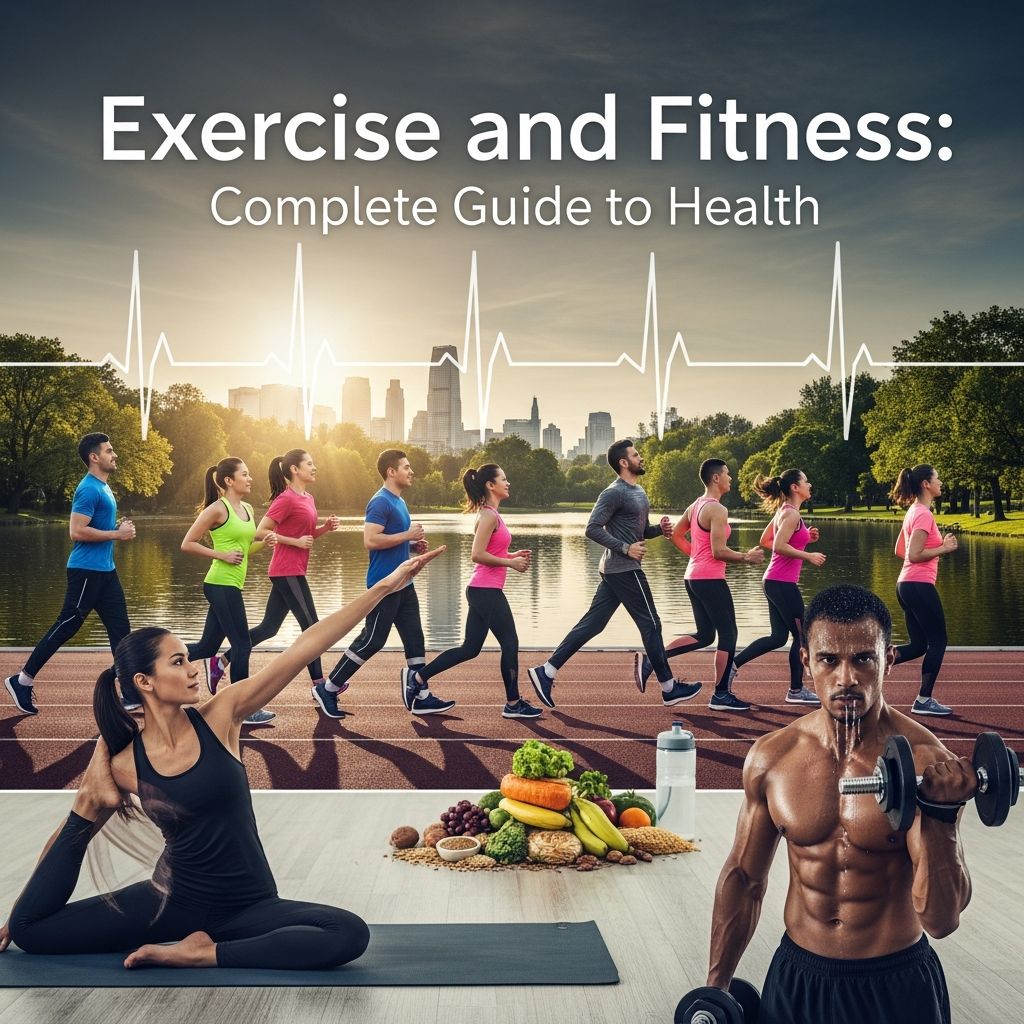
Exercise and Fitness: Complete Guide to Health
Master exercise and fitness: Learn proven strategies for better health, longevity, and wellness.
Physical fitness and regular exercise are cornerstone components of a healthy lifestyle. Whether you’re beginning your fitness journey or looking to enhance an existing routine, understanding the fundamentals of exercise and its profound impact on your health is essential. This comprehensive guide explores everything you need to know about exercise and fitness, from recommended guidelines to different types of workouts and practical strategies for maintaining consistency.
The Importance of Consistent Exercise
Exercise is widely recognized for its critical role in maintaining and improving overall health. Regular physical activity enhances various dimensions of well-being, including weight management, sleep quality, disease prevention, and energy levels. Research demonstrates that consistent exercise provides significant evidence for both primary and secondary prevention of chronic diseases, such as cardiovascular disease and type 2 diabetes.
The benefits of regular exercise extend far beyond physical appearance. When you engage in consistent physical activity, your body experiences improved cardiovascular function, stronger muscles and bones, better mental health, enhanced cognitive function, and reduced risk of developing serious health conditions. Studies show that individuals who maintain regular exercise routines have substantially lower mortality rates compared to sedentary populations.
Exercise Guidelines and Recommendations
Understanding how much exercise you need is fundamental to building an effective fitness plan. The Mayo Clinic recommends that adults perform around 150 minutes of moderate exercise or 75 minutes of vigorous exercise every week to maintain and improve their health. These guidelines provide a practical framework that most people can incorporate into their busy schedules.
One effective approach is to break down the 150-minute weekly recommendation into daily 30-minute sessions spread throughout the week. This achieves the recommended targets while making exercise more manageable for individuals with demanding schedules. However, research indicates that exceeding these minimum recommendations can provide even greater health benefits.
Exceeding Minimum Recommendations
A comprehensive study published in the journal Circulation examined over 116,000 adults and tracked their physical activity over 30 years. The findings revealed compelling evidence that doing more than the recommended minimum provides substantial additional health benefits. Adults who performed two to four times the recommended moderate physical activity—approximately 300 to 599 minutes per week—saw the most significant benefits, including 26% to 31% lower all-cause mortality and 28% to 38% lower cardiovascular disease mortality.
Similarly, those who engaged in vigorous activity two to four times above recommendations experienced 21% to 23% lower risk of all-cause mortality and 27% to 33% lower cardiovascular disease mortality. Importantly, meeting even the minimum guidelines can reduce cardiovascular disease mortality by 22% to 31%, demonstrating that any increase in physical activity provides meaningful health protection.
Understanding Different Types of Exercise
While there is no single “best” exercise, different types of physical activity serve distinct purposes in your fitness regimen. Some exercises and activities better suit certain individuals based on their goals, preferences, and physical conditions. Understanding the four main categories of exercise helps you create a comprehensive fitness plan that addresses all aspects of health.
Related Stories



Aerobic Exercise
Aerobic exercise, also known as cardiovascular exercise, involves continuous, rhythmic movement that elevates your heart rate and breathing for sustained periods. Traditional aerobic activities such as running, swimming, walking, and cycling are excellent for improving cardiovascular health and endurance. These activities strengthen your heart, improve lung capacity, and enhance overall cardiovascular function, reducing your risk of heart disease and stroke.
Strength Training
Weight training and resistance exercises build muscle mass, increase bone density, and improve metabolic function. Strength training helps you maintain muscle as you age, prevents injuries, improves balance and stability, and increases your ability to perform daily activities with ease. Regular strength training also enhances bone health, which is particularly important for preventing osteoporosis as you age.
Flexibility and Stretching
Stretching exercises improve your range of motion, reduce muscle tension, and enhance flexibility. Activities like yoga and tai chi combine flexibility training with balance work and mental focus, offering comprehensive benefits for both body and mind. Regular flexibility training can reduce injury risk, improve posture, and alleviate muscle soreness.
Balance Exercises
Balance training becomes increasingly important as we age, helping prevent falls and injuries. These exercises strengthen the muscles that keep you stable and improve your coordination and proprioception. Balance exercises are particularly valuable for older adults and anyone seeking to improve their stability and reduce fall risk.
Traditional Versus Alternative Exercise Activities
While traditional exercises like running, swimming, and weight training remain effective and popular, many people discover they prefer alternative activities that feel less like conventional workouts. The key principle is that any activity you enjoy and will do consistently is a valuable form of exercise.
Traditional Exercise Options
Time-tested exercise options include running, swimming, walking, cycling, and weight training. These activities have well-documented benefits and established communities of practitioners. Swimming, for instance, provides an excellent low-impact full-body workout suitable for people of all ages and fitness levels. Running offers an efficient way to build cardiovascular endurance, while weight training develops strength and muscle mass.
Alternative and Trending Activities
If traditional exercises don’t appeal to you, numerous alternative activities can achieve similar health benefits while feeling more engaging and enjoyable. These include pickleball, Pilates, yoga, high-intensity interval training (HIIT), kickboxing, and cycling classes. Many people find that these newer or trend-based activities motivate them to exercise more consistently because they find them genuinely enjoyable.
Class-based exercises such as Pilates, yoga, kickboxing, and cycling classes offer additional benefits beyond physical fitness. These group settings provide exercise in a community atmosphere where social connections and mutual motivation enhance adherence to fitness routines. The community aspect helps many people maintain consistency and accountability in their exercise habits.
Combining Moderate and Vigorous Activity
Research reveals that the most effective approach combines both moderate and vigorous physical activity. A study found that any combination of medium to high levels of vigorous activity (75 to 300 minutes per week) and moderate activity (150 to 600 minutes per week) can provide nearly the maximum mortality reduction of approximately 35% to 42%.
This means you don’t need to choose between one type or the other—in fact, combining them provides superior benefits. For example, you might incorporate three days of moderate-intensity activities like brisk walking or recreational cycling with two days of vigorous activities such as running or high-intensity interval training. This balanced approach maintains engagement while maximizing health benefits.
Health Benefits of Regular Exercise
The positive impacts of consistent exercise extend across nearly every aspect of human health:
- Cardiovascular Health: Regular exercise strengthens your heart, improves circulation, and reduces blood pressure and cholesterol levels.
- Disease Prevention: Physical activity significantly reduces the risk of developing type 2 diabetes, certain cancers, cardiovascular disease, and metabolic syndrome.
- Weight Management: Exercise burns calories and builds muscle, which increases metabolism and helps maintain a healthy weight.
- Mental Health: Physical activity reduces symptoms of depression and anxiety, improves mood, enhances cognitive function, and supports emotional well-being.
- Sleep Quality: Regular exercise improves sleep duration and quality, helping you feel more rested and energized.
- Bone Health: Weight-bearing and strength training exercises increase bone density and reduce osteoporosis risk.
- Longevity: Consistent physical activity is associated with increased life expectancy and improved quality of life in later years.
- Energy Levels: Despite physical exertion, regular exercise increases energy and reduces fatigue.
Age and Exercise: Does It Matter?
An important finding from recent research is that age doesn’t significantly change the impact of exercise on health outcomes. While younger people tend to choose more vigorous activities and older adults often prefer moderate-intensity exercise, both approaches provide comparable health benefits. In fact, research shows that long-term vigorous physical activity in generally healthy older adults can be an effective means of improving health and reducing mortality risk.
This means you’re never too old to start or intensify your exercise routine. Whether you’re 25 or 75, engaging in regular physical activity—at whatever intensity level you can sustain—provides substantial health protection and improves quality of life.
High-Intensity Exercise Safety
A common concern is whether high-intensity exercise might damage the heart. Previous research raised questions about potential adverse effects of long-term high-intensity endurance exercise. However, recent comprehensive studies suggest there is no harmful effect of high, long-term vigorous physical activity on cardiovascular health. This is reassuring for those interested in pursuing more intense workouts, though ongoing research continues to refine our understanding.
Additionally, research published in JAMA Oncology demonstrates that even small amounts of vigorous intermittent lifestyle physical activity—such as brief bursts of very fast walking or stair climbing for one to two minutes throughout the day—were associated with lower cancer risk. This finding suggests that even brief periods of intense activity accumulated throughout your day can provide meaningful health benefits.
Finding Your Ideal Exercise Routine
The most important factor in achieving fitness goals is selecting activities you genuinely enjoy and will perform consistently. An activity you dislike, no matter how effective, becomes difficult to maintain long-term. Conversely, an activity you love can become a sustainable part of your lifestyle.
Consider these factors when choosing exercises:
- Your primary fitness goals (cardiovascular health, strength, flexibility, or balance)
- Your current fitness level and any physical limitations or injuries
- Your schedule and available time for exercise
- Whether you prefer solo activities or group settings
- Your budget and access to facilities or equipment
- Your personal preferences and what activities bring you joy
Overcoming Common Exercise Barriers
Many people struggle to maintain consistent exercise routines despite good intentions. Common barriers include busy schedules, lack of motivation, uncertainty about proper form, boredom with routines, and lack of social support. Addressing these barriers strategically increases the likelihood of long-term success.
Breaking the 150-minute weekly requirement into manageable daily sessions removes the intimidation factor. Finding an exercise buddy or joining a class provides social accountability and motivation. Starting with activities you genuinely enjoy increases adherence. Beginning slowly and progressing gradually prevents injury and burnout. Varying your workouts keeps exercise interesting and prevents adaptation plateaus.
Creating a Sustainable Exercise Plan
A successful long-term fitness routine requires strategic planning and realistic expectations. Start by assessing your current fitness level, identifying specific health and fitness goals, and choosing activities you’re likely to enjoy. Schedule exercise like any important appointment, treating it as a non-negotiable part of your week.
Gradually increase exercise intensity and duration rather than attempting dramatic changes immediately. This progressive approach builds fitness safely and reduces injury risk. Track your progress through metrics like distance covered, weights lifted, or simply how you feel, which provides motivation and objective evidence of improvement.
Frequently Asked Questions
Q: How much exercise do I really need to stay healthy?
A: The standard recommendation is 150 minutes of moderate-intensity exercise or 75 minutes of vigorous exercise weekly. However, research shows that exceeding these minimums provides even greater health benefits, including reduced mortality risk.
Q: Is it better to do moderate or vigorous exercise?
A: Both are beneficial. The ideal approach combines both types, as research shows that mixing moderate and vigorous activity provides maximum health benefits. The best choice depends on your fitness level, preferences, and goals.
Q: Can I break my daily exercise into smaller sessions?
A: Yes. Multiple shorter sessions throughout the day can accumulate to meet your weekly exercise goals and may be more sustainable for busy schedules.
Q: Am I too old to start exercising?
A: No. Research confirms that exercise benefits people of all ages, and older adults can safely engage in vigorous activity with appropriate progression and medical clearance if needed.
Q: What if I don’t enjoy traditional exercise?
A: Try alternative activities like yoga, Pilates, kickboxing, pickleball, or cycling classes. Any activity you’ll do consistently and enjoy provides health benefits.
Q: Is high-intensity exercise dangerous for my heart?
A: Recent research indicates that long-term high-intensity vigorous exercise does not harm cardiovascular health and provides substantial mortality reduction benefits.
References
- Importance of Consistent Exercise and Alternative Activities — American College of Osteopathic Family Physicians. 2024-10-22. https://www.acofp.org/news-and-publications/blogs/acofp-voice/2024/10/22/importance-consistent-exercise-alternative-activities-consider
- Massive Study Uncovers How Much Exercise Is Needed to Live Longer — American Medical Association. 2024. https://www.ama-assn.org/public-health/prevention-wellness/massive-study-uncovers-how-much-exercise-needed-live-longer
Similar Articles








Read full bio of Sneha Tete