Exercise and Benign Prostatic Hyperplasia: BPH Management
How regular physical activity can reduce BPH symptoms and improve prostate health.
Exercise and Benign Prostatic Hyperplasia (BPH): A Comprehensive Guide
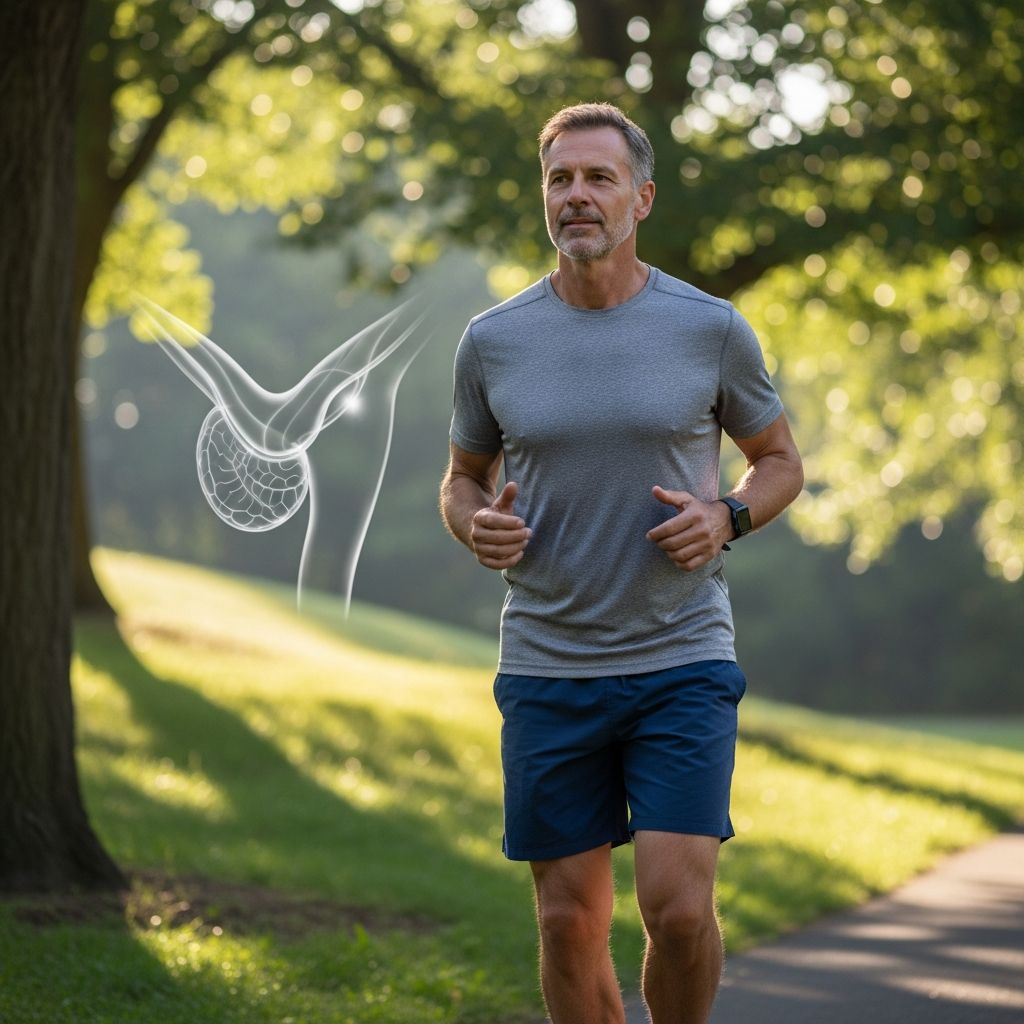
Benign prostatic hyperplasia, commonly known as BPH, is one of the most prevalent conditions affecting older men today. As the prostate gland enlarges with age, many men experience uncomfortable urinary symptoms that can significantly impact their quality of life. While medical treatments and medications are available, emerging research demonstrates that a straightforward and accessible intervention—regular exercise—can play a vital role in managing and even preventing BPH symptoms. This comprehensive guide explores the relationship between physical activity and prostate health, examining how exercise can alleviate symptoms and improve overall well-being.
Understanding Benign Prostatic Hyperplasia
Benign prostatic hyperplasia is characterized by the gradual enlargement of the prostate gland, a walnut-sized organ that surrounds the urethra in men. As the prostate grows, it can squeeze the urethra and interfere with normal urination, leading to a range of lower urinary tract symptoms. Common symptoms include frequent urination, urgency, weak urine stream, difficulty initiating urination, and nocturia—the need to urinate multiple times during the night.
BPH is not cancer and does not increase the risk of prostate cancer; however, it remains a significant health concern for millions of men worldwide. The condition is primarily age-related, with prevalence increasing substantially after age 50. While the exact causes of BPH are not fully understood, hormonal changes, particularly involving testosterone and dihydrotestosterone, are believed to play a key role in prostate enlargement.
The Science Behind Exercise and BPH
Scientific evidence increasingly supports the protective effects of physical activity against benign prostatic hyperplasia. Research conducted through the Health Professionals Follow-up Study, a large-scale longitudinal investigation, revealed compelling connections between exercise and reduced BPH risk. The study examined over 30,000 men and found that those engaging in regular physical activity had significantly lower rates of BPH compared to sedentary men.
One of the most striking findings from this research involves walking. Men who walked for two to three hours per week demonstrated a remarkable 25 percent reduction in their risk of developing BPH. This finding is particularly significant because it demonstrates that even moderate-intensity activity can provide substantial protective benefits.
The mechanisms by which exercise benefits prostate health are multifaceted. Physical activity works through several pathways to reduce BPH symptoms. First, regular exercise reduces inflammation throughout the body, and since inflammation is associated with more severe BPH symptoms, this anti-inflammatory effect is particularly beneficial. Second, physical activity enhances immune function, helping the body maintain optimal prostate health. Third, exercise assists in weight management, and maintaining a healthy weight is crucial since obesity has been linked to increased BPH severity.
Additionally, the sympathetic nervous system plays an important role in prostate function. Physical activity helps regulate sympathetic nervous system activity, which is associated with decreased prostatic smooth-muscle tone and reduced urinary symptoms. When the sympathetic nervous system is overactive, it can increase smooth muscle tone in the prostate and bladder neck, worsening urinary symptoms. Exercise effectively counteracts this mechanism.
Recommended Exercise Guidelines for BPH
To effectively manage benign prostatic hyperplasia through physical activity, men should aim for consistent, regular exercise. Current recommendations suggest at least 150 minutes of moderate-intensity aerobic exercise per week, which can be divided into manageable sessions throughout the week. This guideline aligns with general public health recommendations for cardiovascular health.
The intensity and type of exercise matter as well. Research indicates that low- to moderate-intensity physical activity appears particularly beneficial for BPH management, especially among older men. While high-intensity exercise can also be protective, the relative benefit tends to be somewhat less pronounced compared to moderate-intensity activities. The key is finding activities that are sustainable and enjoyable, increasing the likelihood of long-term adherence.
Types of Physical Activity Beneficial for BPH
Men with BPH or those seeking to prevent this condition have numerous exercise options to choose from. The diversity of available activities makes it easier for men of different fitness levels and preferences to find suitable options.
Walking
Walking stands out as perhaps the most accessible and effective form of physical activity for BPH management. It requires no special equipment, can be performed almost anywhere, and is suitable for men at all fitness levels. Brisk walking at a moderate pace provides cardiovascular benefits while being low-impact on joints. The research specifically highlights that walking for 2-3 hours per week offers significant protective benefits against BPH. Men can incorporate walking into their daily routine through leisurely strolls, mall walking, or structured walking programs.
Swimming and Water-Based Exercise
Swimming provides excellent cardiovascular benefits while being exceptionally gentle on the joints. The buoyancy of water supports the body, reducing stress on knees, hips, and ankles—a particularly important consideration for older men or those with joint concerns. Water aerobics and other aquatic exercises offer similar benefits and can be performed in community pools or fitness centers.
Cycling
Stationary or outdoor cycling offers an effective cardiovascular workout that can be adjusted to various intensity levels. For men with BPH, using a comfortable, wide seat designed for recreational cycling can enhance the experience and minimize any discomfort. Cycling can be performed indoors on stationary bikes or outdoors, providing flexibility based on weather and personal preference.
Running and Jogging
For men who enjoy higher-intensity activities, running at a moderate pace offers cardiovascular benefits. Research indicates that running (distinct from jogging) was associated with significantly reduced BPH risk. However, men new to running should progress gradually to avoid joint stress and injury. A gentle jogging pace can also be beneficial when performed consistently.
Recreational Sports
Enjoyable recreational activities such as tennis, golf, and racquetball can contribute to overall physical activity levels while providing social engagement and mental health benefits. These activities offer moderate to high-intensity exercise depending on how vigorously they are pursued. The combination of physical activity with social interaction can enhance motivation and adherence.
Strength Training and Kegel Exercises
While aerobic exercise forms the cornerstone of BPH management, strength training and specialized exercises also offer benefits. Kegel exercises, commonly known for pelvic floor strengthening in women, are equally valuable for men with BPH. These exercises strengthen the muscles that support the bladder and urethra, helping improve urinary control and reduce symptoms such as urgency and frequency. Men can perform Kegel exercises by contracting the pelvic floor muscles (the muscles used to stop urination mid-stream) for 2-3 seconds, then relaxing, and repeating this sequence multiple times daily.
Exercise Intensity and BPH Benefits
An important consideration in exercise prescription for BPH is the role of intensity. Research from the Health Professionals Follow-up Study compared low- to moderate-intensity activities with high-intensity activities, finding that the protective effect against BPH was somewhat greater for low- to moderate-intensity exercise. Specifically, for every 10 MET-hours per week (a measurement of exercise intensity and duration) of low- to moderate-intensity activity, the odds ratio for BPH was 0.90, while high-intensity activity showed an odds ratio of 0.97.
This finding suggests that men need not engage in strenuous exercise to receive BPH benefits. Consistent, moderate-intensity activity appears to be just as effective as or potentially more effective than vigorous exercise. This is encouraging news for older men or those with limited fitness levels, as it means accessible, sustainable activities can provide significant health benefits.
The Role of Weight Management
The relationship between physical activity and BPH risk reduction is partially mediated through weight management. Obesity has been associated with more severe BPH symptoms and increased risk of disease progression. Regular exercise helps maintain healthy body weight through calorie expenditure and improved metabolic function. Additionally, exercise may influence BPH through independent mechanisms beyond weight loss, including improvements in insulin sensitivity, hormonal balance, and systemic inflammation.
Starting an Exercise Program: Practical Considerations
Before beginning any new exercise program, men—particularly those with existing BPH symptoms, cardiovascular concerns, or other medical conditions—should consult with their healthcare provider. A physician can assess individual health status, identify any contraindications, and provide personalized recommendations.
When starting an exercise program, progression should be gradual. Men new to exercise should begin with low- to moderate-intensity activities and gradually increase duration and intensity over several weeks. This approach minimizes injury risk and allows the body to adapt safely. Consistency is more important than intensity; regular moderate activity provides better results than sporadic vigorous exercise.
Exercise should be integrated into daily routines to enhance adherence. This might include walking for transportation, taking stairs instead of elevators, parking farther away to increase walking distance, or scheduling regular exercise sessions. Finding activities that are enjoyable increases the likelihood of sustained participation.
Frequently Asked Questions About Exercise and BPH
Q: How much exercise do I need to benefit from BPH symptom reduction?
A: Current recommendations suggest at least 150 minutes of moderate-intensity aerobic exercise per week. This can be broken into five 30-minute sessions or other combinations that total 150 minutes. Even walking 2-3 hours per week has been associated with a 25 percent reduction in BPH risk.
Q: Is walking alone sufficient to manage BPH symptoms?
A: Walking is an excellent starting point and has strong evidence supporting its benefits for BPH. However, incorporating variety through different activities and potentially adding Kegel exercises and strength training can provide more comprehensive benefits.
Q: Can exercise cure BPH?
A: Exercise cannot cure BPH, but it can significantly reduce symptoms and may prevent or delay disease progression. It should be viewed as part of a comprehensive approach that may include medical treatments if necessary.
Q: Is high-intensity exercise better than moderate-intensity for BPH?
A: Research suggests that low- to moderate-intensity exercise may be slightly more beneficial than high-intensity exercise for BPH management, particularly for older men. The most important factor is consistency and finding activities you will maintain long-term.
Q: Are there any exercises I should avoid if I have BPH?
A: Most exercises are safe for men with BPH. However, certain activities that create significant pressure on the perineum (the area between the scrotum and anus) may cause discomfort. Choosing a comfortable, wide seat for cycling and avoiding excessive perineal pressure is advisable.
Q: How long does it take to see BPH symptom improvement from exercise?
A: Some men notice improvements in urinary symptoms within 4-6 weeks of beginning regular exercise, though individual responses vary. Consistent exercise over months typically produces more substantial and sustained benefits.
Integrating Exercise Into a Comprehensive BPH Management Strategy
While exercise plays an important role in managing benign prostatic hyperplasia, it works best as part of a comprehensive approach. This may include dietary modifications, particularly reducing excessive alcohol and caffeine consumption, maintaining adequate hydration, managing stress, and ensuring adequate sleep. For men with moderate to severe symptoms, medical treatments prescribed by a healthcare provider may also be necessary alongside lifestyle modifications.
The evidence supporting exercise for BPH is robust and compelling. Regular physical activity reduces symptoms, may prevent or delay disease progression, and provides numerous additional health benefits including improved cardiovascular health, better weight management, and enhanced mental well-being. By incorporating consistent, moderate-intensity exercise into their daily routines, men can take an active role in managing their prostate health and maintaining quality of life.
References
- The Role of Exercise in Managing Benign Prostatic Hyperplasia (BPH) — Four Fitness. 2025. https://www.fourfitnessjerseycity.com/blog/the-role-of-exercise-in-managing-benign-prostatic-hyperplasia-bph
- Physical Activity and Benign Prostatic Hyperplasia — JAMA Internal Medicine. 1998. https://jamanetwork.com/journals/jamainternalmedicine/fullarticle/210484
- Physical activity and benign prostatic hyperplasia — National Center for Biotechnology Information (NCBI/PubMed). 1998. https://pubmed.ncbi.nlm.nih.gov/9827786/
Similar Articles






Read full bio of Sneha Tete