Exercise During Pregnancy: Safe Guidelines and Benefits
Stay active safely during pregnancy with expert-backed exercise guidelines and practical recommendations.
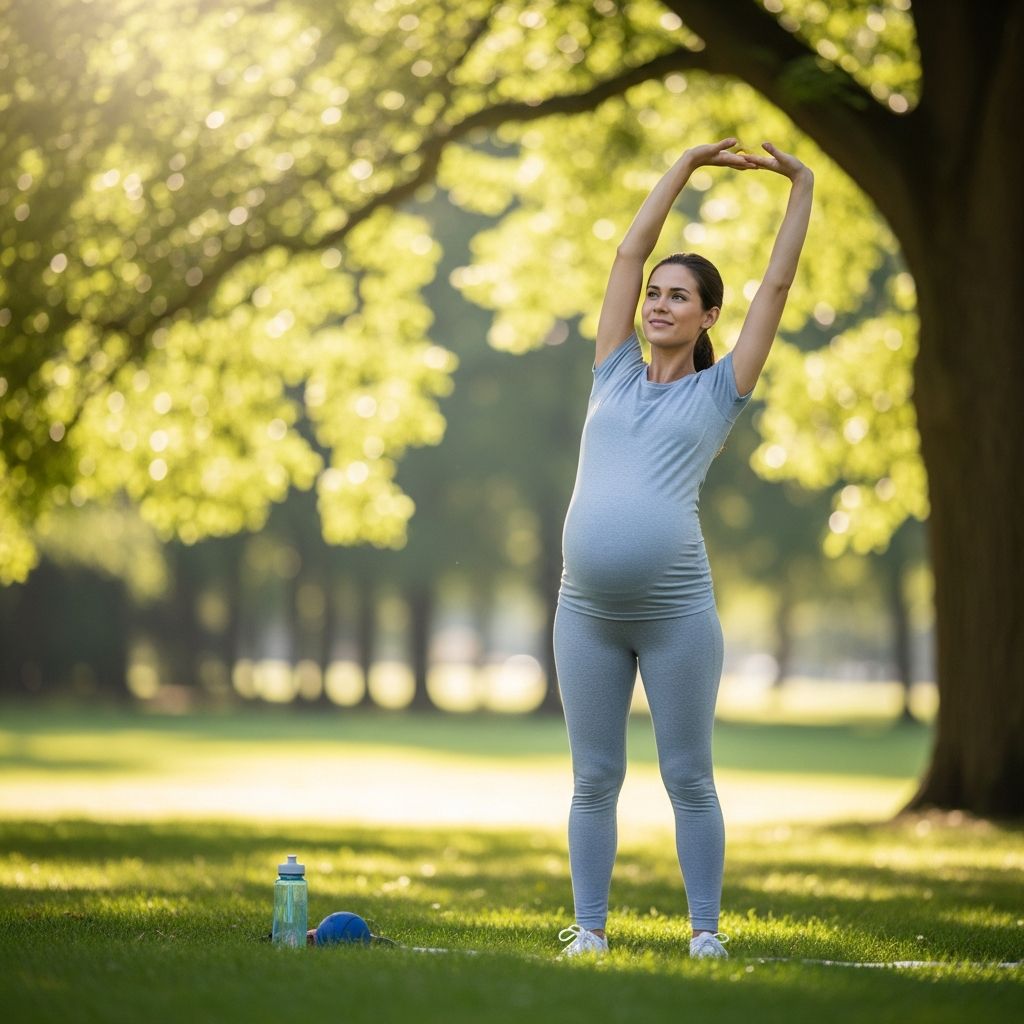
Exercise During Pregnancy: A Complete Guide to Staying Active and Healthy
Maintaining physical activity during pregnancy is one of the most beneficial steps expectant mothers can take to support their health and their baby’s development. Exercise during pregnancy not only helps manage weight gain and prepare the body for labor, but it also contributes to better overall well-being and can reduce complications during delivery. However, it’s essential to understand the proper guidelines, intensities, and precautions to ensure both mother and baby remain safe and healthy throughout the nine months of pregnancy.
Benefits of Exercise During Pregnancy
Regular physical activity during pregnancy provides numerous advantages for expectant mothers. Exercise helps maintain cardiovascular fitness, strengthens muscles needed for labor and delivery, and can improve posture and reduce back pain—a common complaint during pregnancy. Additionally, staying active during pregnancy may reduce the risk of gestational diabetes, preeclampsia, and excessive weight gain.
For mental health, exercise releases endorphins, which can reduce stress, anxiety, and depression during pregnancy. Physical activity also promotes better sleep quality and can enhance energy levels throughout the day. Women who exercise regularly during pregnancy often report improved mood and greater confidence during this transformative period.
Current Physical Activity Guidelines for Pregnant Women
Health organizations, including the American College of Obstetricians and Gynecologists (ACOG) and the U.S. Department of Health and Human Services (HHS), recommend that pregnant women engage in regular physical activity to maintain health and well-being. The guidelines are designed to balance activity benefits with fetal safety considerations.
Recommended Activity Levels
According to current guidelines, healthy pregnant women should aim for at least 150 minutes of moderate-intensity aerobic activity per week. This can be achieved through various combinations, such as five 30-minute sessions spread throughout the week. Moderate-intensity aerobic activity is defined as movement that elevates the heart rate to approximately 40-59% of heart rate reserve and allows for conversation during exercise, though with some effort required.
The Centers for Disease Control and Prevention also emphasizes at least 2½ hours per week of moderate-intensity aerobic activity, such as brisk walking. This achievable goal ensures that pregnant women can maintain fitness while adapting to the physical changes of pregnancy.
Activity Recommendations Based on Pre-Pregnancy Fitness Level
Current guidelines recognize that exercise recommendations should be tailored to a woman’s pre-pregnancy activity level. Research has demonstrated that providers may appropriately provide different recommendations depending on whether a woman was previously inactive, moderately active, or highly active before pregnancy.
For Previously Inactive or Moderately Active Women: These women should begin or continue moderate-intensity aerobic activity during pregnancy, accumulating at least 150 minutes per week. Since vigorous-intensity exercise has not been extensively studied in this population, these women are not advised to start vigorous exercise during pregnancy.
For Previously Active Women: Women who were regularly exercising vigorously before pregnancy may continue their vigorous-intensity exercise during pregnancy, provided they remain healthy and receive clearance from their healthcare provider. Vigorous-intensity exercise is defined as movement at approximately 60-84% of heart rate reserve.
Related Stories



Types of Safe Exercises During Pregnancy
Numerous forms of exercise can be incorporated into a prenatal fitness routine, depending on personal preference, fitness level, and any pregnancy-related limitations.
Walking and Brisk Walking
Walking is one of the easiest and most accessible forms of exercise during pregnancy, making it ideal for pregnant women of all fitness levels. Walking doesn’t require special equipment, can be done almost anywhere, and can be easily modified by adjusting pace. Brisk walking at a moderate pace provides excellent cardiovascular benefits and is considered one of the safest exercises throughout pregnancy.
Swimming and Water Aerobics
Swimming and water-based exercises are exceptionally beneficial during pregnancy. The buoyancy of water supports the additional weight gained during pregnancy, reducing stress on joints and the lower back. Water aerobics, aqua jogging, and leisurely swimming provide excellent cardiovascular conditioning without the impact stress of land-based exercises.
Stationary Cycling
Stationary cycling provides a safe cardiovascular workout during pregnancy. Unlike outdoor cycling, stationary bikes eliminate the risk of falls and allow for better balance and stability. Pregnant women can adjust resistance and intensity to match their fitness level and comfort.
Modified Strength Training
Light to moderate strength training can continue during pregnancy under appropriate guidance. Using lighter weights with higher repetitions, avoiding heavy lifting, and maintaining proper form helps maintain muscle strength and tone. However, exercises that involve lying flat on the back for extended periods after the first trimester should be avoided.
Prenatal Yoga and Stretching
Prenatal yoga classes specifically designed for pregnant women offer gentle flexibility work, breathing techniques, and mindfulness practices. These classes help improve flexibility, reduce tension, and prepare the body for labor while promoting relaxation and stress relief.
Low-Impact Activities
Other low-impact activities suitable during pregnancy include elliptical training, dancing at a moderate pace, and group fitness classes designed for pregnant women. These activities provide cardiovascular benefits while minimizing joint stress.
Fetal Responses to Exercise: What Research Shows
A significant concern for many pregnant women is how exercise might affect the developing fetus. Research examining fetal well-being during exercise according to current HHS guidelines has provided reassuring findings. Studies using standard fetal assessment tests have demonstrated that exercise according to recommended guidelines is well tolerated by both the mother and the fetus.
During moderate-intensity exercise, umbilical artery measurements remain within normal ranges and do not significantly change with exercise. Vigorous-intensity exercise in previously active women shows appropriate fetal responses, with studies indicating that the fetus adapts well to the physiological demands of maternal exercise. These findings support the safety of current physical activity recommendations when followed appropriately.
Important Precautions and When to Avoid Exercise
While exercise is generally safe during pregnancy, certain conditions warrant caution or modification. Pregnant women should consult their healthcare provider before beginning or continuing an exercise program, especially if any risk factors are present.
When to Seek Medical Clearance
Women with a history of miscarriage, preterm labor, or placental abnormalities should obtain specific medical clearance before exercising. Those with chronic health conditions such as hypertension, diabetes, or asthma should work with their healthcare team to develop an appropriate exercise plan.
Conditions Requiring Exercise Modification or Cessation
Certain pregnancy complications may require reducing or stopping exercise. These include vaginal bleeding, persistent pelvic pain, severe shortness of breath disproportionate to activity level, dizziness or fainting, and signs of preterm labor. Women experiencing any concerning symptoms should contact their healthcare provider immediately.
General Safety Guidelines
- Stay well-hydrated before, during, and after exercise
- Avoid overheating, especially during the first trimester when fetal neural development occurs
- Wear comfortable, supportive shoes and breathable clothing
- Avoid contact sports and activities with falling risks
- Avoid exercises lying flat on the back after the first trimester
- Monitor heart rate and maintain appropriate intensity levels
- Include warm-up and cool-down periods in every exercise session
- Listen to your body and stop if feeling dizzy, short of breath, or experiencing unusual symptoms
Monitoring Exercise Intensity During Pregnancy
Accurately monitoring exercise intensity helps ensure that pregnant women are exercising at the recommended level. Several methods can assess exercise intensity during pregnancy.
Heart Rate Monitoring
Healthcare providers may calculate target heart rates for pregnant women using the heart rate reserve method, which considers individual resting and peak heart rates. Moderate-intensity exercise typically corresponds to 40-59% of heart rate reserve, while vigorous-intensity exercise reaches 60-84% of heart rate reserve.
Rating of Perceived Exertion
The Rating of Perceived Exertion (RPE) scale provides a subjective measure of exercise intensity. On a 0-10 point scale, moderate-intensity exercise typically feels like 5-6 on the RPE scale, while vigorous exercise feels like 7-8. Pregnant women should be able to maintain a conversation during moderate-intensity exercise, though with some effort.
Talk Test Method
A simple way to gauge exercise intensity is the talk test. During moderate-intensity exercise, pregnant women should be able to speak in sentences but not sing. If unable to speak at all, the intensity is likely too high; if able to sing easily, the intensity is probably too low.
Exercise Recommendations Throughout Pregnancy
Exercise recommendations may vary slightly across the three trimesters as the body undergoes significant changes.
First Trimester
During the first trimester, women who exercised regularly before pregnancy can continue their routine with approval from their healthcare provider. Previously inactive women can begin moderate-intensity aerobic activity. The first trimester is an excellent time to establish a consistent exercise routine that can be maintained throughout pregnancy.
Second Trimester
The second trimester is often considered the most comfortable time for exercise, as many pregnancy-related symptoms diminish. Morning sickness typically subsides, and energy levels often improve. Most women can continue their exercise routines during this period, though modifications may be needed as the body’s center of gravity shifts.
Third Trimester
As pregnancy progresses into the third trimester, the increasing weight gain and postural changes may make exercise more challenging. Women should continue exercising but may need to reduce intensity or modify activities. Walking, swimming, and other low-impact activities are particularly beneficial during this final stage of pregnancy.
Frequently Asked Questions About Exercise During Pregnancy
Q: Is it safe to start exercising if I was inactive before pregnancy?
A: Yes, it is safe to start exercising during pregnancy even if you were previously inactive. Begin with moderate-intensity aerobic activity such as walking, and gradually increase duration and frequency. Always consult with your healthcare provider before starting any new exercise program.
Q: Can I continue running if I ran before pregnancy?
A: Yes, women who were regular runners before pregnancy may continue running during pregnancy. Research shows that previously active women can maintain vigorous-intensity exercise, including running, during pregnancy with appropriate fetal monitoring and healthcare provider approval.
Q: How long should my exercise sessions be?
A: The recommended approach involves five 30-minute sessions of moderate-intensity aerobic activity per week to accumulate the recommended 150 minutes weekly. However, three 50-minute sessions or other combinations can also meet the guidelines.
Q: What should I do if I experience pain or discomfort during exercise?
A: Stop exercising immediately and contact your healthcare provider if you experience vaginal bleeding, severe abdominal pain, chest pain, severe headache, dizziness, or muscle weakness. Minor muscle soreness may be expected, but sharp or severe pain warrants medical evaluation.
Q: Can exercise during pregnancy affect my baby?
A: Research demonstrates that exercise according to current guidelines is well tolerated by both mother and fetus. Fetal well-being tests show appropriate responses to maternal exercise, and healthy babies are born to active mothers regularly.
Q: Should I wear special clothing or equipment for pregnancy exercise?
A: Wear comfortable, supportive shoes and breathable clothing that accommodates your changing body. A supportive sports bra is recommended. No special equipment is necessary, though a prenatal support belt may help some women with back pain.
Creating Your Personalized Pregnancy Exercise Plan
Every pregnancy is unique, and the best exercise plan is one tailored to individual circumstances, fitness level, and preferences. Working with your healthcare provider or a certified prenatal fitness instructor can help develop a safe, effective routine that keeps you and your baby healthy throughout pregnancy. Remember that consistency matters more than intensity, and staying active during pregnancy provides lasting benefits for both mother and child.
References
- Exercise During Pregnancy: Fetal Responses to Current Public Health Guidelines — National Center for Biotechnology Information (NCBI), National Institutes of Health. 2012. https://pmc.ncbi.nlm.nih.gov/articles/PMC3297473/
- Physical Activity Guidelines for Americans — U.S. Department of Health and Human Services. 2008. https://health.gov/our-work/physical-activity/guidelines
- Committee Opinion No. 650: Physical Activity and Exercise During Pregnancy and the Postpartum Period — American College of Obstetricians and Gynecologists (ACOG). 2015. https://www.acog.org/clinical/clinical-guidance/committee-opinion/articles/2015/10/physical-activity-and-exercise-during-pregnancy-and-the-postpartum-period
- Pregnancy and Physical Activity — Centers for Disease Control and Prevention (CDC). 2024. https://www.cdc.gov/pregnancy/meds-vaccines/pregnancy-physical-activity.html
- Exercise in Pregnancy — UpToDate Medical Information. 2024. https://www.uptodate.com/contents/exercise-in-pregnancy
Similar Articles








Read full bio of Sneha Tete