Exercise-Induced Anaphylaxis: Causes, Symptoms, And Prevention
Rare but life-threatening allergic reaction triggered by physical exercise, often linked to food intake.
What is exercise-induced anaphylaxis?
Exercise-induced anaphylaxis (EIA) is a rare, potentially life-threatening allergic reaction that occurs in susceptible individuals during or immediately after physical exertion. Unlike typical anaphylaxis triggered by allergens like foods or insect stings, EIA is precipitated by exercise, which causes massive degranulation of mast cells, releasing histamine, tryptase, and other mediators. Symptoms typically begin within 30 minutes of starting exercise and can progress to cardiovascular collapse if activity continues.
This condition affects people of all ages and fitness levels, with cases reported across various activities from jogging to competitive sports. It may occur independently or in combination with cofactors like specific foods (food-dependent exercise-induced anaphylaxis, or FDEIA), medications, or environmental factors. Early recognition is critical, as untreated episodes can lead to hypotension, respiratory failure, or death.
Who gets exercise-induced anaphylaxis?
EIA can affect anyone, but it is more commonly reported in young adults, particularly females, though males and children are also susceptible. There is no strong association with atopy (e.g., asthma, hay fever), distinguishing it from other exercise-related conditions like cholinergic urticaria. Familial cases have been documented, suggesting a genetic component in some instances.
Individuals engaging in moderate to vigorous exercise are at risk, with jogging, running, and team sports frequently implicated. Those with FDEIA represent one-third to one-half of cases, where symptoms only manifest when exercise follows ingestion of trigger foods like wheat, shellfish, or celery.
What causes exercise-induced anaphylaxis?
The exact pathophysiology remains incompletely understood, but it involves a lowered threshold for mast cell degranulation during exercise. Exercise induces physiological changes such as increased body temperature, osmolality shifts, blood flow redistribution, and enhanced gastrointestinal permeability, which may facilitate allergen absorption in FDEIA.
Mast cell activation releases vasoactive mediators: histamine causes pruritus and hives; tryptase and leukotrienes contribute to hypotension and bronchospasm. In FDEIA, allergens (e.g., omega-5 gliadin in wheat) require exercise as a cofactor; symptoms do not occur with food alone or exercise without prior intake. Other triggers include NSAIDs (e.g., aspirin), ethanol, or cold exposure during swimming.
What are the clinical features of exercise-induced anaphylaxis?
Symptoms mirror systemic anaphylaxis, affecting multiple systems and worsening with continued exercise. Key features include:
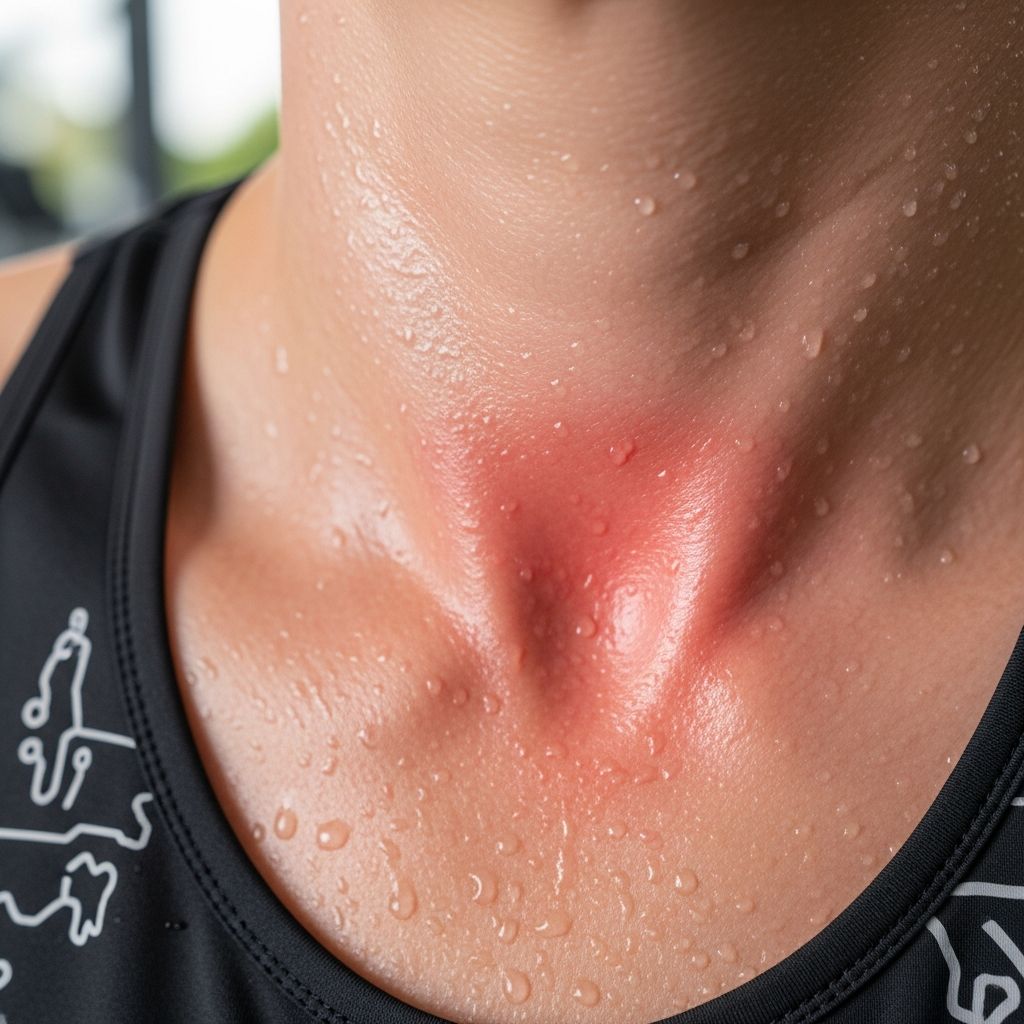
- Skin: Urticaria (hives), angioedema, generalized pruritus, flushing, warmth.
- Respiratory: Dyspnea, wheezing, throat tightness, choking sensation.
- Gastrointestinal: Nausea, vomiting, abdominal pain, diarrhea.
- Cardiovascular: Hypotension, tachycardia, syncope.
- Neurological: Headache, fatigue, altered consciousness.
In classic EIA, symptoms progress from cutaneous signs to life-threatening shock. Variant EIA presents with small punctate papules resembling cholinergic urticaria but can escalate to full anaphylaxis. Symptoms often resolve upon stopping exercise but may persist up to 1 hour.
How is exercise-induced anaphylaxis diagnosed?
Diagnosis relies primarily on a detailed history of recurrent anaphylaxis temporally linked to exercise, excluding other triggers. Key diagnostic elements:
Related Stories



- Timing: Onset within 30 minutes of exercise start, progression with continued activity.
- Cofactors: Association with foods (1-3 hours prior), NSAIDs, menses.
- Exclusion: No symptoms at rest or with isolated triggers.
During acute episodes, elevated serum tryptase (>20% above baseline + 2 ng/mL) or histamine confirms mast cell activation. Exercise challenge tests (supervised treadmill running post-food challenge for FDEIA) are gold standard but risky and performed only in specialized centers. Skin prick tests or specific IgE may identify food triggers in FDEIA. Differential includes cholinergic urticaria, asthma, or drug-induced anaphylaxis.
What is the differential diagnosis for exercise-induced anaphylaxis?
Several conditions mimic EIA:
| Condition | Key Distinguishing Features |
|---|---|
| Cholinergic urticaria | Small hives from heat/sweat; no systemic anaphylaxis. |
| Exercise-induced asthma | Isolated bronchospasm; responds to bronchodilators. |
| Food allergy alone | Symptoms without exercise. |
| NSAID/exercise interaction | Drug taken pre-exercise triggers. |
| Cold urticaria (swimming) | Cold exposure cofactor. |
What is the treatment for exercise-induced anaphylaxis?
Acute management mirrors anaphylaxis protocols: immediate epinephrine IM (0.3-0.5 mg in adults, outer thigh), followed by airway support, fluids, and hospital observation. Antihistamines, corticosteroids, and bronchodilators are adjuncts.
Long-term prevention is paramount:
- Avoid exercise 4-6 hours post-meal; identify/avoid trigger foods.
- No NSAIDs/aspirin pre-exercise.
- Exercise with a trained partner carrying epinephrine.
- Cease activity at first pruritus/flushing; self-inject epinephrine.
- Consider prophylactic H1/H2 blockers or mast cell stabilizers (e.g., cromolyn) pre-exercise, though evidence is limited.
- Avoid exercise during menses if pattern noted.
Patients need a personalized anaphylaxis action plan and medical alert identification.
What is the outcome for exercise-induced anaphylaxis?
With prompt recognition and epinephrine, prognosis is excellent; most episodes resolve without sequelae. Recurrent events are common without lifestyle modifications, but many patients can resume low-risk exercise with precautions. No cure exists, but trigger avoidance prevents attacks. Fatalities are rare but underscore the need for vigilance.
How can exercise-induced anaphylaxis be prevented?
Prevention strategies include:
- Dietary timing: Exercise on an empty stomach or >4 hours post-meal.
- Medication avoidance: Skip NSAIDs/aspirin before activity.
- Partner exercise: Always with someone trained in epinephrine use/CPR.
- Monitoring: Stop at prodromal symptoms (itch, flush); inject epinephrine early.
- Prophylaxis: Trial of antihistamines or cromolyn under supervision.
- Food diary: Track FDEIA triggers via elimination.
Table 1: Trigger Foods in FDEIA
| Common Triggers | Prevalence Notes |
|---|---|
| Wheat (omega-5 gliadin) | Most common. |
| Shellfish | Frequent. |
| Celery | Reported. |
| Cheese | Occasional. |
Frequently asked questions about exercise-induced anaphylaxis
Q: Can EIA occur without any food triggers?
A: Yes, classic EIA occurs with exercise alone in about half of cases.
Q: Is epinephrine always necessary?
A: For progressing symptoms, yes; self-administer at first sign of pruritus or hives.
Q: Can athletes with EIA compete?
A: With strict precautions, action plan, and medical clearance, low-risk activity may be possible.
Q: Does EIA resolve over time?
A: It may persist lifelong; regular follow-up is advised.
Q: What if I suspect EIA?
A: Seek allergist evaluation; carry epinephrine and avoid solo exercise until diagnosed.
References
- Exercise-Induced Anaphylaxis and Urticaria — American Academy of Family Physicians. 2001-10-15. https://www.aafp.org/pubs/afp/issues/2001/1015/p1367.html
- Exercise-Induced Anaphylaxis — Sports Medicine Today. N/A. https://www.sportsmedtoday.com/exerciseinduced-anaphylaxis-va-149.htm
- Exercise-induced anaphylaxis — DermNet NZ. 2024-02. https://dermnetnz.org/topics/exercise-induced-anaphylaxis
- Exercise-Induced Anaphylaxis: An Update on Diagnosis and Treatment — National Institutes of Health (PMC). 2010-12-29. https://pmc.ncbi.nlm.nih.gov/articles/PMC3020292/
- What Is Exercise-Induced Anaphylaxis? — Cleveland Clinic. N/A. https://health.clevelandclinic.org/exercise-induced-anaphylaxis
Similar Articles








Read full bio of medha deb