Exercise-Induced Vasculitis: Causes, Symptoms & Treatment
Understanding exercise-induced vasculitis: clinical features, pathophysiology, and effective management strategies.
Exercise-Induced Vasculitis
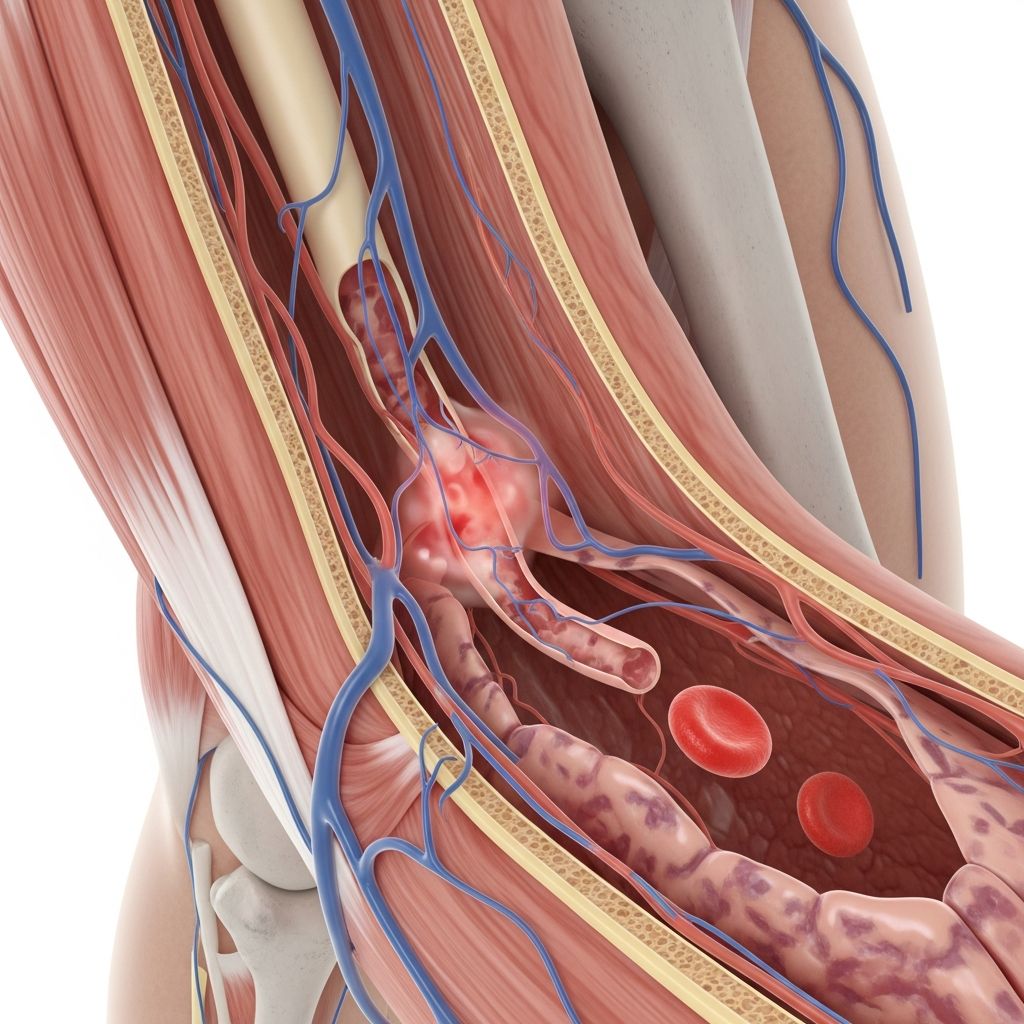
Exercise-induced vasculitis is a benign, self-limiting form of small-vessel vasculitis that primarily affects the lower legs and thighs. This condition typically develops during or after strenuous physical activity, particularly in warm and humid weather conditions. Unlike other forms of vasculitis that may indicate underlying systemic disease, exercise-induced vasculitis occurs in otherwise healthy individuals and resolves spontaneously within days to weeks.
Clinical Features and Presentation
The clinical manifestations of exercise-induced vasculitis present characteristic patterns that aid in diagnosis. Symptoms typically develop in the lower legs and thighs, with a distinctive presentation that helps differentiate this condition from other skin disorders.
Characteristic Skin Manifestations
The condition presents with several distinctive cutaneous features:
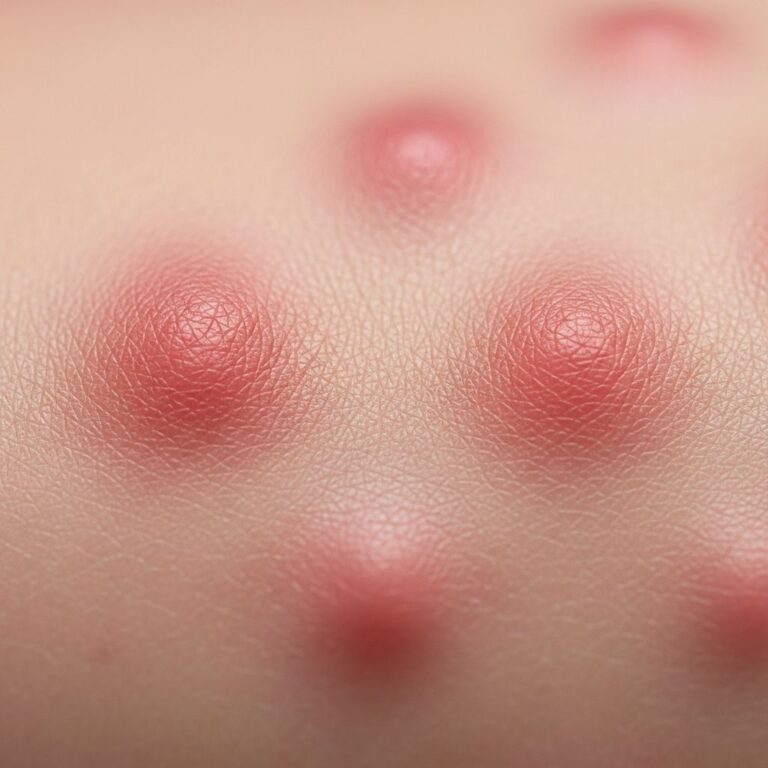
- Red patches and purpura: Affected areas display erythematous patches and purple spots (petechiae) on exposed skin
- Urticarial lesions: Raised, itchy welts appear on the involved skin surfaces
- Distribution pattern: Lesions characteristically appear on exposed areas while skin covered by socks or stockings remains unaffected, creating a distinctive demarcation line
- Edema: Swelling develops in the affected lower leg(s), often accompanying the rash
Symptomatic Presentation
Patients typically experience pronounced local symptoms in the affected areas:
- Intense itching and stinging sensations
- Burning pain in the affected limbs
- Localized discomfort and tenderness
Notably, patients do not exhibit systemic symptoms such as fever, malaise, or general constitutional signs. The absence of systemic manifestations is an important clinical feature that distinguishes exercise-induced vasculitis from other forms of cutaneous or systemic vasculitis.
Pathophysiology and Underlying Mechanisms
While the exact etiology remains incompletely understood, current evidence suggests multiple interconnected mechanisms contribute to the development of exercise-induced vasculitis.
Temperature Regulation and Venous Dysfunction
Strenuous muscle activity, especially in warm and humid environmental conditions, appears to trigger the pathophysiological cascade. The primary mechanism involves breakdown in temperature regulation within calf muscles, leading to impaired thermoregulation. This dysfunction results in reduced venous return from the lower extremities, causing blood stasis in the small vessels of the skin.
Immune Complex Formation and Complement Activation
Exercise in hot weather may increase circulating immune complexes and activate the complement cascade. Combined with muscle fatigue and impairment of venous drainage, these immunological changes promote vascular inflammation and endothelial injury. This process ultimately leads to the development of petechiae and the characteristic vasculitic response.
Histopathological Findings
Skin biopsies in exercise-induced vasculitis typically reveal leukocytoclastic vasculitis, characterized by inflammation of small blood vessels with fragmentation of neutrophil nuclei. Direct immunofluorescence examinations of fresh lesions demonstrate the presence of complement deposits and immunoglobulins within blood vessel walls, confirming immune-mediated vascular injury.
Triggering Activities and Risk Factors
Related Stories



Exercise-induced vasculitis can be triggered by various forms of physical activity, particularly those involving prolonged exertion of the lower extremities.
Activities Associated with Development
The condition has been documented following:
- Jogging and running
- Hiking and climbing
- Step aerobics and fitness activities
- Bodybuilding and strength training
- Golf and recreational sports
- Swimming and water-based activities
- Prolonged walking, particularly in amusement parks (leading to the term “Disney rash”)
Environmental and Individual Risk Factors
Several factors increase susceptibility to exercise-induced vasculitis:
- Hot and humid weather: Environmental heat significantly exacerbates the condition
- Prolonged exercise duration: Extended physical activity, especially long-distance walking or endurance sports
- Individual fitness level: More common in individuals new to intense physical activity
- Genetic predisposition: A possible genetic or familial component may increase individual susceptibility
- Age: More prevalent in women over 50 years of age
Importantly, other forms of cutaneous or systemic vasculitis can be exacerbated by exercise but are not primarily caused by physical activity; these conditions typically have underlying disease or systemic conditions as their primary etiology.
Diagnostic Approach
Diagnosis of exercise-induced vasculitis is primarily clinical, based on characteristic history and presentation. However, investigations are important to exclude other systemic or autoimmune conditions.
Clinical Diagnostic Criteria
Diagnosis relies on the following clinical features:
- History of recent strenuous exercise or prolonged physical activity
- Appearance of rash during or shortly after exercise
- Characteristic distribution on exposed lower leg skin with sparing of areas covered by socks
- Presence of petechial or urticarial lesions with local edema
- Associated local symptoms (itching, burning, pain)
- Absence of systemic symptoms or constitutional signs
Investigative Testing
Laboratory investigations serve to exclude alternative diagnoses and confirm the benign nature of the condition:
- Complete blood cell count: Within normal ranges
- Renal function tests: Normal values
- Inflammatory markers: C-reactive protein and erythrocyte sedimentation rate within physiologic ranges
- Immunological screening: Antineutrophil cytoplasmic antibodies and antinuclear antibodies within normal limits
- Complement assessment: Complement factors and C1q antibodies normal
- Coagulation studies: No evidence of coagulopathy
- Serum protein electrophoresis: Normal pattern
- Cryoglobulin testing: Negative results
Skin Biopsy and Immunofluorescence
While not routinely required for diagnosis, skin biopsy may be performed to confirm the diagnosis or exclude other conditions. Histopathology reveals leukocytoclastic vasculitis of small vessels. Direct immunofluorescence of fresh lesions demonstrates IgM, complement (C3), and fibrin deposition in vessel walls, supporting the immunocomplex-mediated mechanism.
Management and Treatment Options
The management of exercise-induced vasculitis involves both acute symptom management and preventive strategies. Most cases resolve spontaneously within days regardless of treatment, but therapeutic interventions can accelerate healing and improve comfort.
Conservative Management Strategies
Initial management focuses on supportive care and symptom relief:
- Rest and activity modification: Temporary cessation of vigorous exercise until symptoms resolve
- Limb elevation: Elevating affected limbs above heart level reduces swelling and promotes venous return
- Compression therapy: Wearing compression stockings alleviates discomfort, expedites healing, and may help prevent recurrent episodes
- Cool compresses: Application of cool (not cold) compresses to affected areas
- Loose, breathable clothing: Wearing light fabrics during recovery reduces skin irritation and promotes air circulation
Pharmacological Treatment
Medications provide symptom relief during the acute phase:
- Nonsteroidal anti-inflammatory drugs (NSAIDs): Reduce inflammation and pain; examples include ibuprofen and naproxen
- Antihistamines: Alleviate pruritus and burning sensations
- Topical corticosteroid creams: Applied directly to affected skin areas to reduce local inflammation and itching
- Systemic corticosteroids: Generally not required for exercise-induced vasculitis; reserved only for severe cases with blistering or ulceration
Advanced Treatment Options
For recurrent or severe cases, alternative medications used in small-vessel vasculitis management may be considered:
- Colchicine: Inhibits inflammation by suppressing leucocyte migration and phagocytosis
- Dapsone: Antimicrobial with anti-inflammatory properties
- Hydroxychloroquine: Immunomodulatory agent useful in persistent vasculitic conditions
These agents have demonstrated efficacy in managing small-vessel vasculitis, though specific evidence in exercise-induced vasculitis remains limited.
Prevention Strategies
For individuals with recurrent episodes, preventive measures are essential:
- Avoid strenuous exercise in warm weather: The most effective preventive strategy
- Exercise during cooler hours: Perform physical activity during early morning or evening when temperatures are lower
- Wear compression stockings prophylactically: May prevent recurrence when worn during exercise in susceptible individuals
- Maintain adequate hydration: Proper hydration helps regulate body temperature and reduces inflammatory responses
- Gradual increase in exercise intensity: Allow adequate conditioning time before engaging in strenuous activities
- Appropriate clothing selection: Wear light, breathable fabrics that promote heat dissipation
- Avoid excessive leg compression: Ensure socks and clothing do not create excessive pressure on the lower legs
Prognosis and Clinical Course
Exercise-induced vasculitis carries an excellent prognosis. The condition is self-limiting and benign, with symptoms typically resolving within three to six days even without treatment. No permanent scarring or serious complications occur. The primary concern is symptom management during the acute phase and prevention of recurrent episodes through activity modification.
Importantly, this condition is not associated with any systemic diseases or underlying pathology. Long-term follow-up reveals no progression to other forms of vasculitis or development of systemic complications.
Frequently Asked Questions
Q: What is the difference between exercise-induced vasculitis and other types of vasculitis?
A: Exercise-induced vasculitis is a benign, self-limited condition triggered specifically by strenuous physical activity in otherwise healthy individuals. It resolves spontaneously without systemic manifestations. Other forms of vasculitis typically involve underlying autoimmune or systemic diseases, may affect multiple organ systems, and require more aggressive treatment approaches.
Q: Is exercise-induced vasculitis contagious or hereditary?
A: The condition is neither contagious nor infectious. While a genetic or familial predisposition may increase susceptibility in some individuals, it is not directly inherited in a classical mendelian pattern.
Q: Can I continue exercising with exercise-induced vasculitis?
A: Physical activity should be temporarily modified or ceased during acute flares. Once symptoms resolve, exercise can gradually resume, preferably during cooler weather conditions and with appropriate preventive measures such as compression stockings.
Q: How can I prevent exercise-induced vasculitis from recurring?
A: Primary prevention involves avoiding strenuous exercise in hot and humid weather. Wearing compression stockings during exercise, maintaining adequate hydration, exercising during cooler hours, and gradually building exercise tolerance can significantly reduce recurrence risk.
Q: Will exercise-induced vasculitis cause permanent skin damage?
A: No. Exercise-induced vasculitis resolves completely without permanent scarring, pigmentation changes, or long-term skin damage. The condition is entirely benign and self-limited.
Q: When should I seek medical evaluation for suspected exercise-induced vasculitis?
A: Consult a healthcare provider if you develop a rash following exercise with localized swelling and symptoms. Medical evaluation is particularly important if symptoms persist beyond two weeks, if systemic symptoms develop, or if the condition recurs frequently despite preventive measures.
References
- Exercise-Induced Vasculitis — National Institutes of Health, National Center for Biotechnology Information. 2018-03-15. https://pmc.ncbi.nlm.nih.gov/articles/PMC5828891/
- Exercise-Induced Vasculitis: Clinical Features and Management — Canadian Medical and Surgical Dermatology. 2025. https://cmsderm.ca/exercise-induced-vasculitis/
- Vasculitis: Symptoms and Causes — Mayo Clinic. 2024. https://www.mayoclinic.org/diseases-conditions/vasculitis/symptoms-causes/syc-20363435
- An Island Rash: A Case Study of Exercise-Induced Vasculitis — Cureus. 2023-12-14. https://www.cureus.com/articles/394461-an-island-rash-a-case-study-of-exercise-induced-vasculitis
- Exercise Induced Vasculitis: Venous Stasis as Primary Etiological Factor — Gavin Publishers. 2024. https://www.gavinpublishers.com/article/view/exercise-induced-vasculitis
- Vasculitis: Symptoms, Types & Treatment — Cleveland Clinic. 2024. https://my.clevelandclinic.org/health/diseases/12101-vasculitis
Similar Articles








Read full bio of medha deb