Exercise-Related Heat Exhaustion: Causes, Symptoms, Prevention, and Treatment
Comprehensive insights on exercise-related heat exhaustion: recognizing symptoms, causes, prevention, and effective treatment.
Exercise-Related Heat Exhaustion: Overview
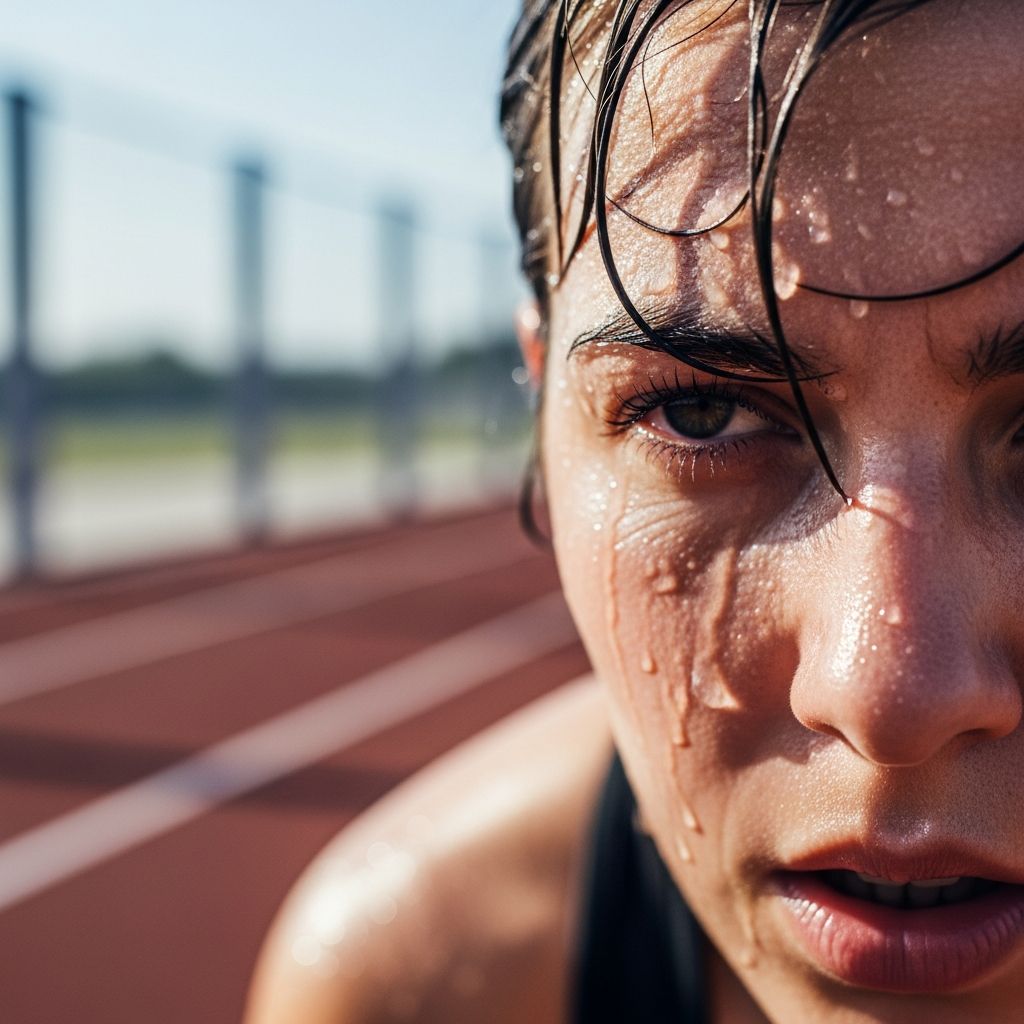
Exercise-related heat exhaustion is a common heat illness that occurs when the body overheats due to strenuous physical activity, especially in hot or humid environments. It is caused by the bodys inability to adequately cool itself through sweating and blood flow regulation. If untreated, heat exhaustion may progress to heat stroke, a life-threatening condition.
What is Heat Exhaustion?
Heat exhaustion is a condition characterized by symptoms resulting from excessive loss of water and salt through sweating during intense exercise or physical work in heat. It reflects the bodys struggle to maintain a safe internal temperature while under environmental and activity-related heat stress.
Signs and Symptoms
The symptoms of heat exhaustion can develop suddenly or gradually during or after exercise in hot conditions. Recognizing these early warning signs is critical to preventing progression to heat stroke:
- Heavy sweating
- Weakness or fatigue
- Cold, pale, and clammy skin
- Dizziness or lightheadedness
- Nausea or vomiting
- Muscle cramps
- Headache
- Rapid, weak pulse
- Fainting (in severe cases)
Sometimes, the individual may feel confused or anxious, but unlike heat stroke, consciousness is usually maintained.
Causes and Risk Factors
Heat exhaustion primarily occurs when the bodys mechanisms for heat dissipation fail, often during strenuous exercise in high heat and humidity. Key contributing factors include:
- High environmental temperatures: Hot, humid weather limits the evaporation of sweat, the bodys primary cooling method.
- Excessive physical exertion: Prolonged or intense exercise increases internal heat production.
- Dehydration: Inadequate fluid intake reduces sweating and blood volume needed for cooling.
- Wearing heavy or non-breathable clothing: Clothing that restricts airflow traps heat.
- Lack of heat acclimatization: Sudden exposure to heat without gradual adaptation raises risk.
- Pre-existing health conditions: Cardiovascular problems, obesity, age extremes, or recent illness can predispose individuals to heat exhaustion.
- Medications: Some drugs affect hydration, blood pressure, or heat regulation.
Who is at Risk?
- Athletes and outdoor workers in hot climates
- Older adults and young children
- People with chronic illnesses (heart, lung, kidney diseases)
- Individuals new to exercising in heat without acclimatization
- Those on medications that impair sweating or blood flow
Diagnosis
Diagnosing exercise-related heat exhaustion is primarily clinical, based on symptoms and recent activity in heat. Key steps include:
- Evaluating history of heat exposure and physical exertion
- Physical examination for signs like pallor, sweating, rapid pulse, and low blood pressure
- Monitoring core temperature, usually below 104°F (40°C), distinguishing it from heat stroke
- Checking hydration status and electrolyte balance if possible
Related Stories



Further medical tests might be needed in complicated cases to rule out other illnesses.
Treatment
Immediate treatment for heat exhaustion aims to cool the body and restore fluids and electrolytes. Key interventions include:
- Stop all physical activity: Move to a cooler, shaded or air-conditioned environment.
- Hydration: Drink cool water or electrolyte-based beverages slowly to rehydrate.
- Cooling measures: Apply cool, wet cloths to the skin, fan the person, or soak in cool water.
- Rest: Lie down and elevate legs slightly to improve blood flow.
- Medical treatment: In severe cases or if symptoms progress, seek emergency care immediately, as the situation can escalate to heat stroke.
With timely care, most individuals recover within a few hours to days.
Prevention
Preventing exercise-related heat exhaustion involves strategies to minimize heat stress and maintain hydration:
- Acclimatize to heat: Gradually increase exposure and intensity over 1-2 weeks.
- Hydrate: Drink fluids before, during, and after exercise, aiming to replenish sweat losses.
- Dress appropriately: Lightweight, loose-fitting, and moisture-wicking clothes allow heat dissipation.
- Schedule wisely: Exercise during cooler times of day—early morning or evening.
- Take breaks: Rest frequently in shaded or cool areas to lower core temperature.
- Monitor weather conditions: Be aware of heat index and humidity levels.
- Listen to your body: Stop exercise at first symptoms of heat-related illness.
Heat Acclimatization
Heat acclimatization is the physiological adaptation process through repeated heat exposures that improves the body’s ability to cope with heat stress. Regular training sessions in warm conditions over 7-14 days enhance sweating efficiency, increase blood plasma volume, and improve cardiovascular stability, resulting in better exercise capacity during heat exposure.
- Sessions should last at least 60 minutes daily
- Exercise intensity should be sufficient to raise core and skin temperatures and stimulate sweating
- Gradual increase in heat exposure and activity intensity is recommended
Hydration Guidelines During Exercise
Maintaining hydration is crucial. Dehydration intensifies heat stress by reducing plasma volume and cardiovascular stability and impairing sweat response, thereby increasing the risk of heat exhaustion.
- Drink fluids regularly before, during, and after exercise, aiming to match sweat losses
- Choose electrolyte-containing drinks during prolonged exercise to replenish salts
- Avoid excessive caffeine or alcohol consumption, as they promote fluid loss
- Monitor urine color as an indicator of hydration status—light yellow is optimal
Prognosis and Recovery
With prompt recognition and appropriate treatment, individuals typically recover from heat exhaustion without long-term effects. However, if untreated or if exertional heat stroke develops, serious complications including organ damage or death can occur.
Post-recovery tips include:
- Avoid vigorous activity for at least 24 hours after symptoms resolve
- Increase fluid and electrolyte intake during recovery
- Resume physical activity gradually, paying attention to heat tolerance
Frequently Asked Questions (FAQs)
What is the difference between heat exhaustion and heat stroke?
Heat exhaustion involves heavy sweating, weakness, and dizziness but usually no confusion or loss of consciousness. Heat stroke is a medical emergency characterized by extremely high body temperature (above 104°F or 40°C), confusion, altered mental status, or unconsciousness and requires immediate emergency care.
Can heat exhaustion occur even in cool weather?
Yes, although rare, heat exhaustion can occur in cooler conditions if there is heavy exertion, lack of acclimatization, dehydration, or underlying illness.
How can I safely exercise in hot weather?
Gradually acclimatize to the heat, stay well hydrated, wear appropriate clothing, avoid the hottest part of the day, and take frequent rest breaks in the shade.
When should I seek medical care for heat exhaustion?
If symptoms worsen or do not improve within 30 minutes of rest and cooling, or if the person experiences vomiting, confusion, fainting, or seizures, seek emergency care immediately.
References
- Exertional Heat Illnesses — Centers for Disease Control and Prevention. 2023-04-10. https://www.cdc.gov/disasters/extremeheat/heatt_illnesses.html
- Consensus recommendations on training and competing in the heat — Frontiers in Physiology. 2015-10-14. https://www.ncbi.nlm.nih.gov/pmc/articles/PMC4602249/
- Heat Exhaustion: Symptoms, Causes, Prevention, and Treatment — Mayo Clinic. 2024-02-01. https://www.mayoclinic.org/diseases-conditions/heat-exhaustion/symptoms-causes/syc-20373250
Similar Articles








Read full bio of medha deb