Exercise Rx for Overcoming Osteoarthritis
Discover evidence-based exercise strategies to manage osteoarthritis pain and reclaim mobility.

Osteoarthritis affects millions of people worldwide, causing pain, stiffness, and reduced mobility in the joints. While many patients assume they must limit physical activity to protect their joints, research consistently demonstrates that appropriate exercise is one of the most effective treatments available for managing osteoarthritis symptoms. Rather than avoiding movement, a structured approach to physical activity can actually help reduce pain, strengthen supporting muscles, and improve overall joint function.
The key to success lies in understanding which exercises work best, how to perform them safely, and how to progress gradually to build strength and endurance without exacerbating symptoms. This comprehensive guide explores evidence-based exercise strategies that can help you overcome osteoarthritis and reclaim an active, pain-free lifestyle.
Understanding Osteoarthritis and Exercise
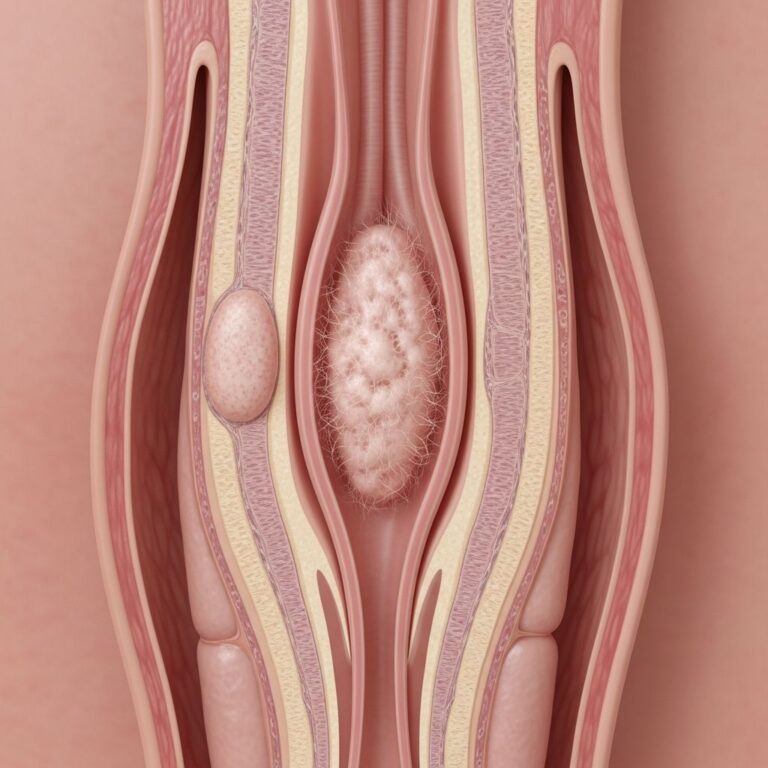
Osteoarthritis occurs when the protective cartilage that cushions joints gradually wears down, leading to bone-on-bone contact, inflammation, and pain. Despite this degenerative process, scientific research has shown that exercise remains the most effective pill-free treatment for managing osteoarthritis symptoms.
When muscles around arthritic joints are strong and flexible, they provide better support and shock absorption, reducing stress on the damaged joint. Additionally, regular movement improves circulation to the joint, enhances flexibility, and helps maintain a healthy weight—all factors that reduce pain and slow disease progression.
The challenge many patients face is determining which exercises are safe and effective. High-impact activities can aggravate symptoms, while complete inactivity leads to muscle weakness, stiffness, and accelerated joint deterioration. The solution is finding the right balance through low-impact, purposeful exercise performed with proper technique.
Low-Impact Aerobic Exercise
Aerobic exercise strengthens your cardiovascular system and supports weight management, both crucial for reducing stress on arthritic joints. Low-impact aerobic activities eliminate the jarring forces associated with high-impact exercises like running or jumping.
Walking: One of the simplest and most accessible forms of exercise, walking can be easily modified to your fitness level. Begin with shorter distances and gradually increase duration as your endurance improves. Walking on flat, even surfaces is preferable to uneven terrain, which may stress your joints unpredictably.
Swimming and Water Aerobics: Water provides natural buoyancy that reduces stress on joints while offering gentle resistance for muscle conditioning. The warm water also promotes muscle relaxation and improves circulation. Aquatic exercise is particularly beneficial for individuals with significant pain during land-based activities.
Cycling: Stationary cycling or recumbent bikes allow controlled movement without impact. The seated position reduces joint stress while building leg strength and cardiovascular fitness. Start with shorter sessions and gradually increase duration as comfort improves.
Elliptical Machines: These machines provide smooth, gliding motion that reduces joint impact while allowing you to control intensity. They’re excellent for building endurance and leg strength without the jarring associated with treadmill running.
Related Stories



Strength Training and Muscle Building
Strong muscles are your joints’ best protection against osteoarthritis pain. When the muscles surrounding your joints are well-conditioned, they absorb shock and reduce the load placed directly on the joint surfaces. Targeted strength training helps build this protective muscular support system.
Quadriceps Strengthening: The quadriceps muscles on the front of your thigh provide critical support for the knee joint. Exercises like straight leg raises, wall sits (modified to your tolerance), and seated knee extensions build these essential muscles without requiring full weight-bearing.
Hamstring and Glute Strengthening: The back of your thigh and buttock muscles work in concert with the quadriceps to stabilize the knee. Bridges, gentle squats (to a comfortable range), and resistance band exercises effectively target these areas.
Hip and Core Strengthening: A strong core and hip musculature improve overall stability and reduce compensatory stress on arthritic joints. Planks modified to your ability, side-lying leg lifts, and gentle Pilates exercises strengthen these crucial stabilizer muscles.
Upper Body Strengthening: If arthritis affects your shoulders, wrists, or hands, resistance bands and light weights help maintain strength and function. Always maintain proper form to avoid overloading affected joints.
Flexibility and Range of Motion Exercises
Flexibility is essential for maintaining joint function and preventing the stiffness that characterizes osteoarthritis. Regular stretching helps maintain your available range of motion and can reduce pain associated with tight, inflexible muscles.
Gentle Static Stretching: Hold stretches for 15-30 seconds without bouncing. Focus on major muscle groups: quadriceps, hamstrings, hip flexors, calves, and back muscles. Perform stretching after you’ve warmed up your muscles through light aerobic activity.
Yoga and Modified Yoga: Gentle yoga classes specifically designed for arthritis patients combine flexibility work with balance training and muscle strengthening. Poses can be modified to accommodate your current limitations while gradually improving range of motion.
Tai Chi: This ancient Chinese practice involves slow, controlled movements that improve balance, flexibility, and muscular control. Tai Chi has been shown to reduce fall risk and improve mobility in older adults with arthritis.
Getting Started: A Practical Exercise Program
Beginning an exercise program for osteoarthritis requires a thoughtful approach that respects your current limitations while gradually building strength and endurance.
Phase One: Establishing a Routine (Weeks 1-2)
Start with brief sessions of 10-15 minutes, focusing on low-impact aerobic activity combined with gentle stretching. Choose activities that don’t provoke pain during or after exercise. A mild ache that resolves within two hours is generally acceptable, but sharp pain indicates you should reduce intensity.
Phase Two: Building Consistency (Weeks 3-6)
Once your body adapts to regular activity, gradually increase session duration to 20-30 minutes. Introduce gentle strength exercises 2-3 times per week, allowing rest days between sessions for muscle recovery.
Phase Three: Progressive Advancement (Weeks 7+)
As fitness improves, progressively increase intensity and duration. Add more challenging strength exercises, increase resistance gradually, or try new activities that appeal to you. Consistency matters more than intensity—exercising most days of the week provides better long-term results than occasional intense sessions.
Exercise Modifications by Joint
Different joints require specific modifications. Understanding how to adapt exercises for your affected areas helps ensure safe, effective workouts.
Knee Osteoarthritis: Avoid deep squats, lunges, or high-impact jumping. Instead, focus on straight leg raises, partial squats to a comfortable range, stationary cycling, and swimming. Use proper footwear with good cushioning and consider supportive knee braces during exercise.
Hip Osteoarthritis: Avoid high-impact activities and excessive hip flexion beyond 90 degrees. Swimming, water walking, stationary cycling, and lying leg lifts work well. Avoid crossing your legs and maintain proper posture during exercises.
Hand and Wrist Osteoarthritis: Use lighter weights and resistance bands. Avoid exercises requiring tight gripping. Focus on gentle range-of-motion exercises using no resistance, gradually progressing to light resistance as tolerated.
Shoulder Osteoarthritis: Avoid overhead pressing movements and excessive reaching. Instead, perform pendulum circles, wall slides, and gentle rotational movements. Use lighter weights and gradually build from there.
Pain Management During Exercise
Understanding the difference between acceptable discomfort and harmful pain is crucial for successful exercise adherence.
The Two-Hour Pain Rule: Exercise-related discomfort that resolves within two hours is generally acceptable. Sharp pain, pain that worsens during the day following exercise, or pain lasting longer than two hours indicates you’ve exceeded your current tolerance.
Pre-Exercise Preparation: Applying heat before exercise through warm showers or heating pads helps prepare muscles and joints for activity. This reduces stiffness and can decrease exercise-related pain.
Post-Exercise Recovery: Cool down gradually and apply ice if inflammation occurs. Allow adequate rest between sessions—rest days are when your body adapts and strengthens.
Medication Timing: Consider timing your exercise for when pain medication effectiveness peaks, often 30-45 minutes after taking medication. This allows more comfortable, productive workouts.
Complementary Support Strategies
While exercise forms the foundation of osteoarthritis management, several complementary strategies enhance outcomes.
Supportive Devices: Knee braces, wrist supports, and ankle braces reduce joint stress during activity. A properly fitted support from an orthopedic specialist helps redistribute body weight and improve stability.
Weight Management: Each pound of excess weight places additional stress on weight-bearing joints. A modest weight loss of 5-10% can significantly reduce pain and improve function.
Physical Therapy: Working with a physical therapist provides personalized guidance on proper exercise form, progression, and modifications. Therapists help identify muscle imbalances and address them through targeted exercises.
Hydrotherapy: Exercising in warm water (31-33°C) provides therapeutic benefits beyond exercise alone. The buoyancy reduces joint stress while the warmth promotes muscle relaxation and improved circulation.
Tracking Progress and Staying Motivated
Maintaining long-term exercise adherence requires tracking progress and celebrating improvements.
Functional Goals: Rather than focusing solely on pain reduction, set functional goals such as walking a certain distance, climbing stairs without assistance, or playing with grandchildren. These tangible improvements provide motivation and demonstrate exercise effectiveness.
Exercise Logs: Keep simple records of what you did, duration, and how you felt. Over weeks and months, you’ll see clear evidence of improving endurance and reducing pain.
Finding Enjoyable Activities: Exercise adherence increases dramatically when you enjoy the activity. Whether it’s dancing, gardening, group fitness classes, or solo walking, choose activities you look forward to rather than dreading.
Working with Healthcare Providers
Before beginning any new exercise program, discuss your plans with your healthcare provider. This is especially important if you have multiple health conditions or are taking medications that might affect exercise tolerance.
Your provider can recommend specific exercises appropriate for your situation, clear you for various activities, and monitor your progress. Physical therapists provide valuable guidance on proper form and appropriate progression.
Common Mistakes to Avoid
Starting Too Intensely: Beginning with overly ambitious workouts leads to pain and discouragement. Start conservatively and progress gradually.
Inconsistency: Sporadic exercise provides minimal benefit. Regular movement, even if modest, works far better than occasional intense sessions.
Ignoring Pain Signals: While some discomfort is normal, sharp or persistent pain indicates you should modify your approach.
Neglecting Warm-Up and Cool-Down: These phases prepare your body for exercise and facilitate recovery. Never skip them.
Comparing to Others: Your arthritis and fitness level are unique. Focus on your own progress rather than comparing yourself to others.
Frequently Asked Questions
Q: Will exercise make my osteoarthritis worse?
A: Appropriate, low-impact exercise actually helps osteoarthritis by strengthening supporting muscles, improving circulation, and maintaining joint function. It’s inactivity that accelerates joint deterioration. The key is exercising within your tolerance level and progressing gradually.
Q: How often should I exercise if I have osteoarthritis?
A: Most days of the week is ideal. This might be five to seven days weekly, with intensity and duration adjusted based on your tolerance. Even on rest days, gentle stretching and walking provide benefit.
Q: What if my joints feel more stiff after exercise?
A: Post-exercise stiffness often improves with consistent activity as your body adapts. However, if stiffness persists or worsens, reduce intensity and duration. Ensure you’re warming up adequately before exercise and cooling down properly afterward.
Q: Can I do strength training with osteoarthritis?
A: Yes, strength training is excellent for osteoarthritis when performed correctly. Use lighter weights and higher repetitions, focus on controlled movements, and gradually progress resistance as tolerated.
Q: Should I exercise if my joints are particularly painful today?
A: Gentle movement like walking or stretching often helps reduce pain, even on difficult days. However, avoid intense exercise during flares. Light activity and heat application are beneficial; high-intensity workouts should wait until the flare subsides.
Q: How long does it take to notice improvement from exercise?
A: Some people notice reduced pain and improved function within two to three weeks. Others require six to eight weeks. Consistency matters more than intensity—regular, moderate exercise provides better results than occasional intense sessions.
Conclusion
Exercise stands as the most effective, accessible treatment for osteoarthritis symptoms. By understanding appropriate exercise types, starting conservatively, and progressing gradually, you can successfully manage pain, improve function, and maintain an active lifestyle despite osteoarthritis.
The journey requires patience, consistency, and self-compassion. There will be good days and challenging days, but maintaining regular physical activity provides cumulative benefits that compound over time. Combined with proper body mechanics, weight management, supportive devices, and professional guidance, exercise can help you overcome osteoarthritis and enjoy a fulfilling, active life.
References
- Don’t Allow Arthritis to Keep You from Exercising — Harvard Health Publishing. April 2018. https://www.health.harvard.edu/diseases-and-conditions/dont-allow-arthritis-to-keep-you-from-exercising
- Prevalence and Most Common Causes of Disability Among Adults — United States, 2005 — Centers for Disease Control and Prevention. Morbidity and Mortality Weekly Report, 2009. https://www.cdc.gov/mmwr/preview/mmwrhtml/mm5845a2.htm
- Arthritis and Rheumatology Statistics — Arthritis Foundation. 2024. https://www.arthritis.org/
- Physical Activity and Exercise for Arthritis — National Institute of Arthritis and Musculoskeletal and Skin Diseases (NIAMS). National Institutes of Health. 2024. https://www.niams.nih.gov/
- Exercise for Osteoarthritis of the Knee — Cochrane Database of Systematic Reviews. 2023. https://www.cochranelibrary.com/
Similar Articles








Read full bio of medha deb