Exercise Safely In Hot Weather: 8 Essential Tips
Stay safe, hydrated, and cool while exercising in hot weather with expert tips from registered dietitian nutritionists.
Exercise Safely in Hot Weather
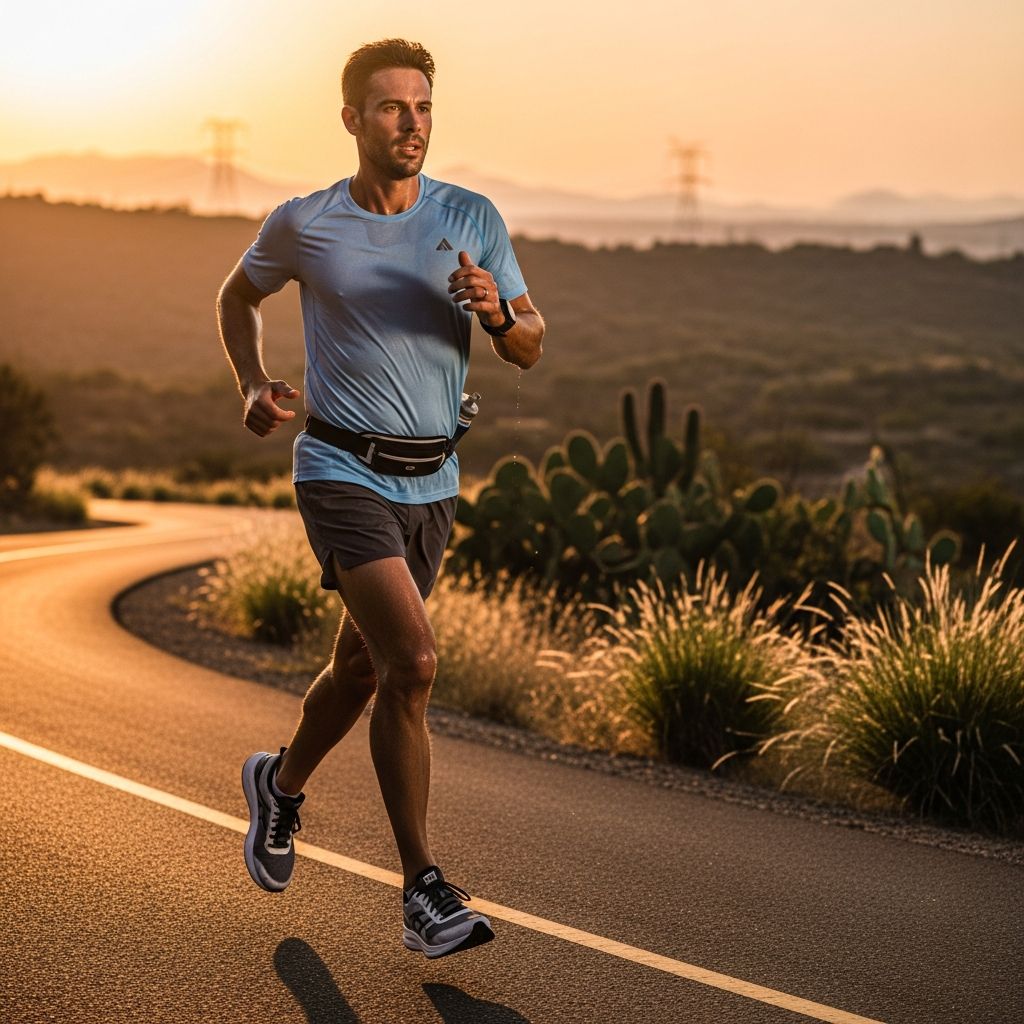
Exercising in hot weather presents unique challenges as high temperatures and humidity impair the body’s ability to cool itself, increasing risks of dehydration, heat exhaustion, and heat stroke. Registered dietitian nutritionists emphasize proactive measures like proper hydration, timing workouts wisely, and monitoring symptoms to maintain safety and performance.
Why Hot Weather Makes Exercise Harder
When temperatures rise, the body works overtime to regulate core temperature through sweating, which can lead to significant fluid and electrolyte loss. High humidity hinders sweat evaporation, exacerbating overheating, especially during prolonged or intense activity. Factors like direct sunlight, inadequate acclimation, and individual vulnerabilities—such as age, fitness level, or medications—further elevate risks.
Athletes and active individuals must understand the heat index, which combines air temperature and humidity to gauge perceived heat stress. For instance, a heat index above 90°F signals high risk, warranting caution or indoor alternatives.
Hydration: The Cornerstone of Safety
Hydration is paramount, as even 2% body weight loss from fluids impairs performance and cognition. Pre-hydrate with 16–20 oz (500–600 mL) of water 2–3 hours before exercise, sip regularly during activity, and rehydrate post-workout with 16–24 oz per pound lost.
- Pre-exercise: Drink cool fluids to start hydrated; avoid caffeine or alcohol, which promote dehydration.
- During exercise: For sessions under 60 minutes, water suffices; longer or intense efforts require electrolyte sports drinks to replace sodium, potassium, and magnesium.
- Post-exercise: Weigh before and after to guide rehydration; monitor urine color—pale yellow indicates good status.
Don’t wait for thirst, an early dehydration sign often accompanied by muscle cramps. Children, older adults, and less fit individuals need more frequent intake.
Timing Your Workouts
Schedule exercise during cooler periods: before 9 a.m. or after 7 p.m., avoiding peak heat from 10 a.m. to 4 p.m. when the sun is strongest. Use weather apps for heat index forecasts; limit or cancel outdoor activity above 90°F.
Indoor options like gyms or shaded areas provide safer alternatives on extreme days. Gradually pace intensity: start slow and build to prevent sudden overheating.
Dressing for Heat
Clothing choices significantly impact cooling. Opt for light-colored, loose-fitting, moisture-wicking fabrics that promote airflow and evaporation. Hats, visors, or sunglasses shield from UV rays; avoid dark or heavy gear that traps heat.
- Breathable synthetics over cotton, which stays wet.
- Broad-spectrum SPF 30+ sunscreen, reapplied every 2 hours or after sweating.
- For team sports, account for uniforms increasing risk—shorten sessions accordingly.
Acclimating to the Heat
Allow 1–2 weeks for heat acclimation through repeated exposures, starting with shorter, moderate-intensity sessions and progressively increasing duration and effort. This enhances sweating efficiency, plasma volume, and cardiovascular stability.
Consensus guidelines recommend 7–14 days of supervised exercise-heat exposure for athletes, reducing heat illness risk by 50–70%. Monitor progress; full adaptation may take longer in humidity.
Recognizing Heat-Related Illness
Early detection prevents escalation. Common signs include:
- Dehydration: Thirst, dry mouth, dark urine, fatigue.
- Heat cramps: Muscle pains from electrolyte loss; stretch and hydrate.
- Heat exhaustion: Heavy sweating, weakness, dizziness, nausea, headache; move to cool area, hydrate, rest.
- Heat stroke (emergency): Core temperature >104°F, confusion, no sweating, seizures; call 911 immediately.
High-risk groups: children, elderly, obese individuals, those with heart conditions or on diuretics. Stop activity at first warning; never ignore symptoms.
Cooling Strategies and Precautions
Enhance cooling with shade, water proximity, or fans. During breaks, apply cold towels to neck/head, mist with water, or immerse in cool baths. Take 10-minute rests hourly, more for vulnerable groups.
| Heat Index | Action Recommended |
|---|---|
| 80–90°F | Use caution; increase hydration/rest |
| 90–103°F | High risk; limit intensity, monitor closely |
| 103°F+ | Cancel outdoor exercise; seek indoors |
Buddy system for group activities ensures mutual monitoring.
Nutrition for Hot Weather Exercise
Fuel with light, hydrating foods: fruits (watermelon, oranges), veggies, and electrolyte-rich snacks pre/post-workout. Avoid heavy meals close to exercise to prevent GI distress in heat.
Special Considerations
- Children/Teens: More rest breaks; they produce more metabolic heat and recognize thirst less.
- Athletes in Gear: Helmets/pads raise risk—hydrate extra, shorten plays.
- Chronic Conditions: Consult physicians; adjust for meds affecting sweat/heat tolerance.
Frequently Asked Questions
What is the best time to exercise in hot weather?
Early morning before 9 a.m. or evening after 7 p.m., avoiding midday peak heat.
How much water should I drink before a workout?
16–20 oz 2–3 hours prior, plus sips every 15–20 minutes during.
What clothing is best for hot workouts?
Light-colored, breathable, moisture-wicking fabrics with hat and sunscreen.
How long does heat acclimation take?
1–2 weeks of gradual exposure for optimal adaptation.
What are heat stroke symptoms?
High fever (>104°F), confusion, rapid pulse, no sweating—seek emergency care.
Can I exercise if the heat index is over 90°F?
Avoid outdoors; opt for indoor alternatives and monitor closely.
By integrating these evidence-based strategies, individuals can minimize risks and sustain fitness goals year-round. Prioritize safety over intensity in the heat.
References
- Heat and Athletes — Centers for Disease Control and Prevention (CDC). 2023. https://www.cdc.gov/heat-health/risk-factors/heat-and-athletes.html
- 5 Tips to Exercise Safely When It’s Hot Outside — UC Davis Health. 2022-06. https://health.ucdavis.edu/blog/cultivating-health/5-tips-to-exercise-safely-when-its-hot-outside/2022/06
- Consensus Recommendations on Training and Competing in the Heat — National Center for Biotechnology Information (PMC). 2015. https://pmc.ncbi.nlm.nih.gov/articles/PMC4602249/
- Exercise Safely in Hot Weather — New Mexico Department of Health. 2015-05. https://www.nmhealth.org/news/information/2015/5/?view=259
- Exercising in the Heat: How to Stay Safe — Mass General Brigham. 2023. https://www.massgeneralbrigham.org/en/about/newsroom/articles/prevent-overheating-during-workouts
Similar Articles






Read full bio of medha deb