Exercise Stress Test: Assessing Heart Health and Function
Understanding exercise stress tests: How they evaluate cardiac function and identify heart disease risks.
Understanding Exercise Stress Tests: A Complete Guide to Cardiac Evaluation
An exercise stress test is a medical procedure designed to evaluate how your heart responds to physical exertion. During this test, your heart is intentionally stressed through controlled exercise while medical professionals monitor your cardiac function, heart rhythm, blood pressure, and oxygen consumption. This diagnostic tool provides valuable insights into your cardiovascular health and helps physicians identify potential cardiac problems that might not be apparent during rest.
Exercise stress tests have become an essential component of cardiac evaluation for patients with suspected heart disease, a history of cardiac events, or those preparing for major surgery. The test can reveal critical information about your heart’s ability to function under stress, detect abnormal rhythms, and identify areas of reduced blood flow that could indicate coronary artery disease.
What Exercise Stress Tests Can Reveal
Exercise stress tests serve multiple diagnostic and evaluative purposes in modern cardiology. Understanding what these tests can reveal helps patients and physicians make informed decisions about cardiovascular health management and treatment planning.
Coronary Blood Flow Assessment
One of the primary purposes of exercise stress testing is to identify significant blockages in coronary blood flow. When arteries that supply blood to the heart muscle become narrowed or blocked by plaque buildup, the heart may not receive adequate oxygen during periods of increased demand, such as during exercise. The stress test can reveal these dangerous blockages that might otherwise go undetected and could potentially lead to a heart attack.
Heart Rhythm Detection
The test is effective at identifying irregular heart rhythms, known as arrhythmias, that may develop during periods of increased cardiac demand. Some arrhythmias only manifest during exercise, making the stress test a valuable diagnostic tool for detecting these potentially serious conditions. Early detection of irregular rhythms allows for appropriate medical intervention before they become dangerous.
Cardiac Functional Capacity
Exercise stress tests measure your heart’s functional capacity—essentially how well your heart works and how much stress it can tolerate before showing signs of compromise. This information helps physicians understand your overall cardiac fitness and guides recommendations for appropriate exercise levels and physical activity.
Cardiac Therapy Monitoring
For patients who have undergone cardiac interventions or are taking heart medications, stress tests help monitor the effectiveness of treatment. These tests can demonstrate whether prescribed therapies are adequately protecting the heart and allowing it to function optimally.
Safe Exercise Determination
Physicians use stress test results to determine safe levels of exercise for patients with known or suspected heart disease. By understanding exactly how much physical stress the heart can handle, doctors can provide personalized exercise recommendations that improve fitness without risking cardiac complications.
How the Exercise Stress Test Procedure Works
Understanding the mechanics of the exercise stress test helps demystify the procedure and allows patients to prepare appropriately.
Related Stories



Pre-Test Preparation
Before your exercise stress test, your physician will review your medical history, current medications, and symptoms. You should wear comfortable, loose-fitting clothing and supportive athletic shoes. Most physicians recommend avoiding food, caffeine, and nicotine for several hours before the test, as these substances can affect your heart rate and blood pressure readings. Be prepared to discuss any chest discomfort, shortness of breath, or other cardiac symptoms you’ve experienced.
Equipment Setup
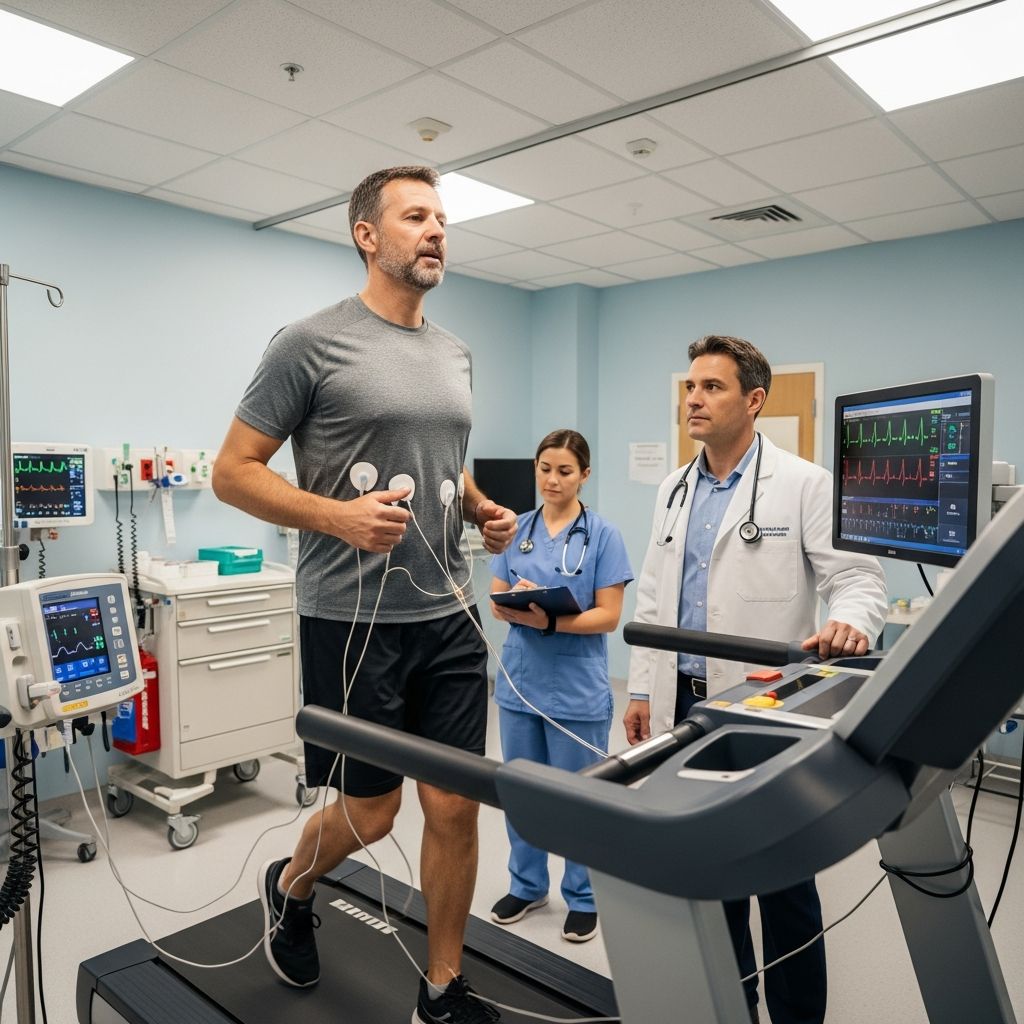
When you arrive for your test, medical staff will attach electrodes to your chest, arms, and legs. These electrodes connect to an electrocardiogram (ECG) machine that continuously records your heart’s electrical activity throughout the test. A blood pressure cuff will be placed on your arm to monitor blood pressure during exercise, and you may be fitted with a pulse oximeter to measure oxygen levels in your blood.
The Exercise Component
You will walk on a treadmill that gradually increases in speed and incline during the test. The intensity increases every few minutes in stages, allowing your heart rate and workload to rise progressively. As your exercise intensity increases, your heart must work harder to pump blood and deliver oxygen to your muscles. Throughout this process, you remain under close medical observation by a cardiologist or trained technician who watches for any signs of distress or abnormal responses.
Monitoring During Exercise
During the test, medical staff continuously monitor your ECG patterns, blood pressure, and heart rate. You’ll be asked to report any symptoms such as chest discomfort, shortness of breath, dizziness, or fatigue. The test continues until you reach a target heart rate (usually 85 percent of your predicted maximum heart rate) or until you develop symptoms that indicate the test should be stopped.
Recovery Phase
After the exercise portion ends, you will continue walking at a slower pace for a brief cooldown period, then sit down and rest while medical staff continue monitoring your heart rhythm and vital signs during recovery. This recovery phase provides important diagnostic information about how quickly your heart rate and blood pressure return to normal levels and whether any abnormal rhythms develop during recovery.
Interpreting Exercise Stress Test Results
Test results are typically categorized as normal, abnormal, or inconclusive. A normal result suggests your heart responded appropriately to increasing levels of exercise without showing signs of inadequate blood flow or significant arrhythmias. Abnormal results may indicate coronary artery disease, reduced cardiac function, or other cardiac problems requiring further evaluation or treatment. Inconclusive results may warrant additional testing with imaging studies or pharmacological stress testing.
Your physician will discuss what your specific results mean for your health and what follow-up testing or treatment might be recommended. Factors such as your age, sex, fitness level, and existing cardiac risk factors all influence how physicians interpret your results and what clinical recommendations they make.
When Exercise Stress Tests Are Recommended
Exercise stress tests are not routine screening tools for all patients. Physician groups, including the American College of Cardiology, advise that exercise stress tests are of little value for asymptomatic patients without significant risk factors for heart disease. However, stress tests are specifically recommended for several clinical situations:
Patients with Cardiac Symptoms
If you experience chest discomfort, shortness of breath, or palpitations during physical activity, your physician may recommend an exercise stress test to evaluate whether these symptoms result from inadequate cardiac blood flow or other cardiac problems.
Known or Suspected Coronary Artery Disease
Patients with risk factors for or suspected coronary artery disease benefit from stress testing to identify significant blockages in coronary arteries that could increase heart attack risk.
History of Cardiac Events
Patients who have experienced a heart attack, undergone cardiac interventions like angioplasty or stent placement, or had coronary artery bypass surgery may undergo periodic stress tests to assess their current cardiac status and the effectiveness of treatment.
Pre-Operative Cardiac Assessment
Patients scheduled for major surgery, particularly vascular procedures, may need stress testing to evaluate their cardiac reserve and identify undiagnosed cardiac disease that could complicate surgery.
Evaluation of New Cardiac Medications
When physicians prescribe new cardiac medications, stress testing can help determine whether the medications are effectively protecting the heart during periods of increased demand.
Alternative Testing When Exercise Is Not Possible
Not all patients can exercise adequately on a treadmill due to arthritis, severe deconditioning, neurological problems, or other physical limitations. For these patients, physicians can administer medications that chemically simulate the stress that exercise places on the heart. These pharmacological stress tests provide similar diagnostic information without requiring physical exertion, ensuring all patients have access to appropriate cardiac evaluation regardless of their exercise capacity.
Fitness Assessment and Heart Rate Metrics
Recent research has expanded our understanding of how exercise stress testing and fitness metrics contribute to overall cardiac health assessment. The Harvard step test, a simpler fitness evaluation tool, measures physical efficiency index (PEI) calculated from heart rate responses during and after controlled stepping exercise. Studies show that higher PEI scores correlate with better autonomic nervous system control and improved cardiovascular fitness. This indicates that how quickly and efficiently your heart recovers after exercise reflects your underlying cardiovascular health and fitness level.
Beyond traditional step count measurements, contemporary research suggests that combining steps with average heart rate—a metric called daily heart rate per step (DHRPS)—provides better insight into cardiovascular fitness and disease risk. Individuals with higher DHRPS scores, indicating their hearts work harder for each step taken, face significantly elevated risk for chronic conditions including high blood pressure, type 2 diabetes, heart failure, and stroke. Conversely, those with lower DHRPS scores demonstrate better health outcomes and stronger performance on exercise stress tests.
This integrated approach to fitness assessment emphasizes that exercise capacity involves not just how much movement you perform, but how efficiently your cardiovascular system handles that activity. Regular monitoring of both activity level and heart rate response provides valuable personal health tracking information that can motivate positive behavioral changes and improved fitness.
Safety and Side Effects
Exercise stress tests are generally safe when conducted in medical facilities with appropriate monitoring and trained personnel. However, mild side effects can occur, including temporary shortness of breath, fatigue, or leg discomfort during the exercise portion. These symptoms typically resolve quickly once exercise stops. Serious complications are rare but can include heart attack, significant arrhythmias, or dangerously elevated blood pressure. Your medical team carefully screens patients before testing to identify those at higher risk and determine whether stress testing or alternative evaluation methods are more appropriate.
Preparing for Your Exercise Stress Test
- Wear comfortable, loose-fitting clothing and supportive athletic shoes
- Avoid caffeine, nicotine, and food for 2-4 hours before the test
- Bring a list of current medications to your appointment
- Inform your physician about any cardiac symptoms you’ve experienced recently
- Plan to rest for the remainder of the day after your test
- Arrange transportation, as you should not drive immediately after testing
- Discuss any concerns or questions about the procedure with your medical team
What to Expect After the Test
Most patients can return to normal activities the same day following an exercise stress test, though your physician may recommend avoiding vigorous exercise for 24 hours. You should feel back to normal within a few hours. Your physician will contact you with results and discuss any findings that require further evaluation or treatment. If abnormal results were detected, your doctor will explain what these findings mean and recommend appropriate next steps, which may include additional cardiac imaging, medication adjustments, or lifestyle modifications.
Frequently Asked Questions
Q: Is an exercise stress test painful?
A: The test itself is not painful, though you may feel discomfort from the electrode patches or brief pressure from the blood pressure cuff. During exercise, you may experience fatigue or mild leg discomfort, but these sensations should resolve once you stop exercising.
Q: How long does an exercise stress test take?
A: The entire procedure typically takes 30-60 minutes, including electrode placement, baseline measurements, the exercise portion (usually 8-12 minutes), and recovery monitoring.
Q: Can I take my regular medications before the test?
A: Your physician will provide specific instructions about which medications to take or avoid before your test, as some cardiac medications can affect stress test results and your body’s response to exercise.
Q: What does a normal stress test result mean?
A: A normal result indicates your heart responded appropriately to increasing exercise intensity without showing signs of inadequate blood flow or dangerous arrhythmias, suggesting your coronary arteries are likely free from significant blockages.
Q: Can women take exercise stress tests?
A: Yes, exercise stress testing is appropriate for both men and women, though research shows that some differences in test response patterns between sexes may influence how physicians interpret results.
Q: What if I cannot complete the full exercise portion?
A: Your medical team will monitor your symptoms closely and stop the test if you develop chest discomfort, severe shortness of breath, dangerous blood pressure changes, or other concerning symptoms. Incomplete tests can still provide diagnostic information.
References
- Correlation between physical efficiency index using Harvard step test and heart rate variation in college students — National Center for Biotechnology Information (NCBI), National Institutes of Health. 2023-03-15. https://pmc.ncbi.nlm.nih.gov/articles/PMC9816613/
- Beyond The 10,000 Step Myth: Harvard Study Reveals How Heart Rate and Steps Together Reveal the True Measures of Fitness — News18. 2024. https://www.news18.com/lifestyle/beyond-the-10000-step-myth-harvard-study-reveals-how-heart-rate-and-steps-together-reveal-the-true-measures-of-fitness-ksh-ws-e-9664440.html
- Q & A: Exercise Stress Tests — Beth Israel Deaconess Medical Center. 2019-04. https://www.bidmc.org/about-bidmc/wellness-insights/heart-health/2019/04/heart-imaging-tests
- Use of Heart Rate Monitors for the Harvard Step Test — Clinical Case Reports International. 2014. https://www.clinicalcasereportsint.com/open-access/use-of-heart-rate-monitors-for-the-harvard-step-test-9667.pdf
Similar Articles








Read full bio of Sneha Tete