When to Exercise After Meals for Optimal Glucose Control
Discover the optimal timing for post-meal exercise to effectively manage blood glucose levels.
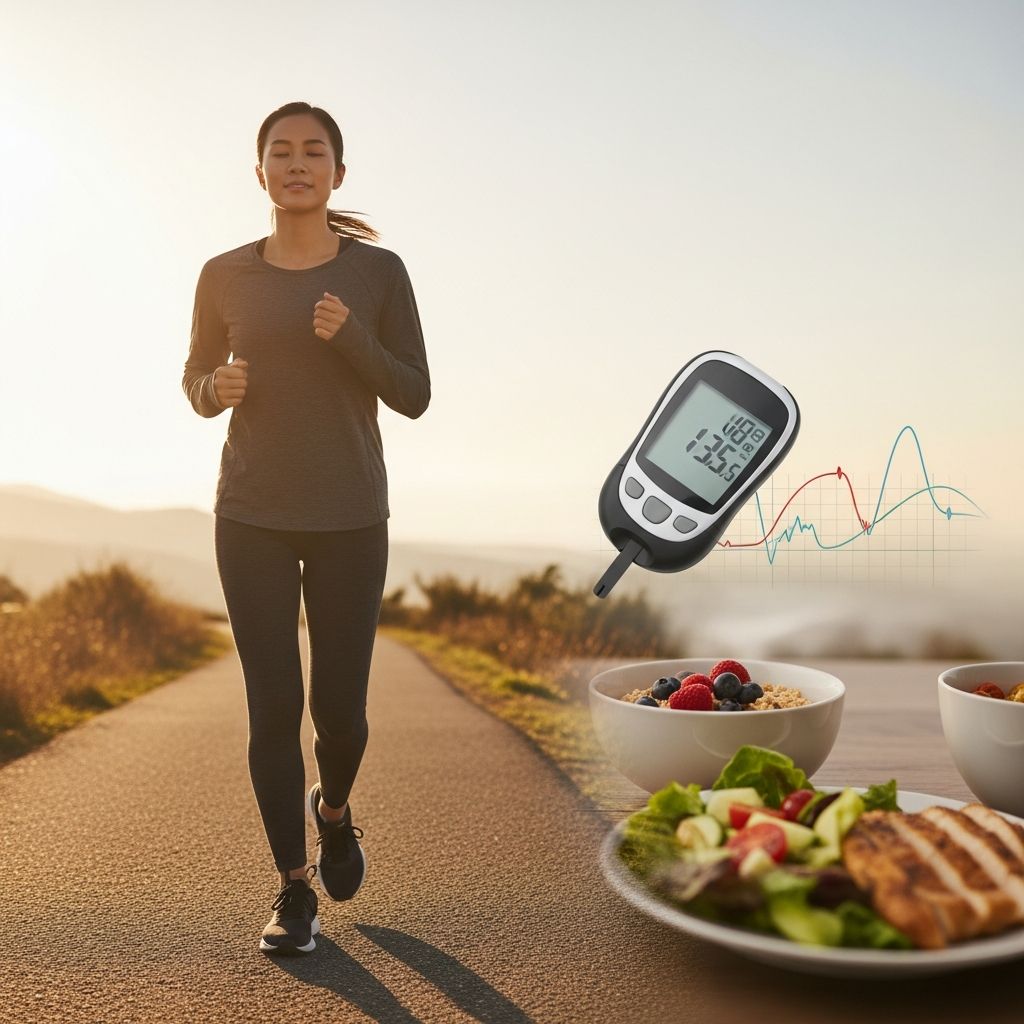
Managing blood glucose levels is critical for maintaining long-term health and preventing serious conditions like type 2 diabetes and cardiovascular disease. While regular physical activity is well-established as an effective tool for blood glucose management, emerging research suggests that the timing of exercise relative to meals may be just as important as the exercise itself. Understanding when to exercise after eating can significantly amplify the benefits of your workout and help you achieve better glucose control.
Why Exercise Timing Matters for Blood Glucose Control
Physical activity lowers blood glucose through multiple mechanisms. When you exercise, your muscles become more sensitive to insulin, allowing them to absorb glucose more efficiently from the bloodstream. Additionally, muscle contractions enable cells to take up glucose and use it for energy independently of insulin availability. This dual action makes exercise a powerful tool for managing blood glucose levels.
However, not all exercise timing produces equal results. Research demonstrates that the timing of physical activity after eating directly influences how effectively it controls blood glucose spikes. The strategic placement of exercise relative to your meal can either maximize or minimize its glucose-lowering impact.
Poor blood glucose control, even at subclinical levels, increases the risk for developing type 2 diabetes and cardiovascular disease. This makes optimizing exercise timing particularly important for individuals with prediabetes, type 2 diabetes, or those seeking to maintain metabolic health.
The 30-Minute Window: Optimal Exercise Timing
According to peer-reviewed research, exercising approximately 30 minutes after finishing a meal appears to be optimal for glucose control. This timing coincides with several favorable physiological conditions:
- The greatest influx of dietary glucose into the bloodstream occurs during this window
- Your muscles’ glucose uptake capacity is heightened when blood glucose levels are elevated
- Insulin secretion has typically plateaued, creating an ideal metabolic environment for exercise intervention
- The majority of carbohydrate digestion is well underway
In practical studies comparing exercise timing, cycling performed 45 minutes after eating reduced mean blood glucose by 0.44 mmol/L at 60 minutes compared to no exercise, while cycling started just 15 minutes after eating showed no significant difference compared to sedentary controls. This demonstrates that waiting approximately 30 minutes before exercising produces superior glucose control outcomes.
Comparing Exercise at Different Timepoints
Research has directly compared the effectiveness of exercising at different intervals after meals:
| Exercise Timing | Physiological Context | Effectiveness for Glucose Control |
|---|---|---|
| 15 minutes after eating | During active glucose absorption phase | No significant difference vs. sedentary control |
| 30 minutes after eating | Near peak glucose influx; insulin plateau beginning | Optimal for blood glucose reduction |
| 45+ minutes after eating | At or near peak blood glucose levels | Effective glucose reduction; coincides with peak insulin sensitivity |
| 60+ minutes after eating | Post-peak glucose absorption phase | Less effective than 30-45 minute window |
The key finding is that exercising too soon after eating (15 minutes) does not provide significant glucose control benefits, while waiting 30-45 minutes aligns your activity with the body’s natural glucose peak and metabolic response.
Related Stories



How Long Should Your Post-Meal Exercise Be?
You don’t need extended workout sessions to benefit from post-meal exercise. Research indicates that even 10 minutes of light-intensity activity is sufficient for meaningful glucose control when timed correctly after meals. This relatively brief duration offers several practical advantages:
- Easier to fit into busy daily schedules
- Highly sustainable for long-term compliance
- Achievable for individuals with varying fitness levels
- Can be repeated after each meal for cumulative benefits
- Maintains consumer acceptance and adherence
A 10-minute walk, light cycling, or gentle movement immediately after the 30-minute waiting period can effectively lower postprandial (after-meal) blood glucose levels. For comparison, studies show that regular moderate physical activity undertaken for 40-50 minutes three times per week can reduce glycated hemoglobin (A1C) in people with type 2 diabetes, demonstrating that both duration and frequency matter for overall glucose management.
Practical Implementation: How to Exercise After Meals
Implementing post-meal exercise into your routine involves a few straightforward steps:
Step 1: Finish Your Meal Completely
Complete your meal entirely before starting the timing window. This ensures consistent digestion patterns and glucose absorption rates.
Step 2: Wait 30 Minutes
Set a timer or use a reminder on your phone for 30 minutes after finishing eating. This positions your activity at the optimal glucose influx window.
Step 3: Engage in Light Activity
Choose an activity you enjoy and can sustain for 10 minutes. Options include:
- Brisk walking (indoors or outdoors)
- Light cycling or stationary biking
- Gentle yoga or stretching
- Stair climbing
- Dancing or moving to music
- Swimming at an easy pace
Step 4: Monitor Your Response
If you have access to blood glucose monitoring, check your levels before the meal, 30 minutes after finishing eating (before exercise), and 60 minutes after eating. This helps you understand your personal glucose response patterns and validate the effectiveness of post-meal exercise timing.
Benefits Beyond Acute Glucose Control
While the immediate effect of post-meal exercise is reducing acute blood glucose spikes, the long-term benefits extend further. Physical activity can lower your blood glucose up to 24 hours or more after your workout by increasing your body’s sensitivity to insulin. Regular implementation of post-meal exercise routines can help reduce your A1C levels, indicating improved average glucose control over time.
Additionally, post-meal exercise provides practical psychological benefits: it’s easy to remember (tied to a daily habit of eating), requires minimal time commitment, and feels achievable for most fitness levels. This high consumer acceptance increases the likelihood of sustained adherence over months and years.
Special Considerations for People with Diabetes
For individuals taking insulin or insulin-stimulating medications (such as sulfonylureas), exercise carries a risk of hypoglycemia (low blood glucose). Important precautions include:
- Check your blood glucose before any physical activity
- Discuss your exercise plan with your healthcare provider or diabetes care team
- Adjust insulin doses or carbohydrate intake as recommended by your provider
- Keep fast-acting carbohydrates readily available during and after exercise
- Follow the 15-15 rule if hypoglycemia occurs: consume 15-20 grams of carbohydrate, wait 15 minutes, check glucose again, and repeat if necessary
Hypoglycemia is more likely with longer-duration exercise, intense activity, skipped meals, or when taking multiple insulin doses. Collaborating with your healthcare provider to adjust your treatment plan before implementing post-meal exercise ensures you can safely enjoy its benefits.
Frequency and Consistency
The glucose-control benefits of post-meal exercise accumulate with consistency. While a single 10-minute bout provides acute benefits, implementing post-meal activity after your main meals throughout the day creates compounding effects on overall blood glucose management. Some research suggests that accumulating activity throughout the day via post-meal exercise may be more effective than a single longer exercise session for managing postprandial glucose levels in people with type 2 diabetes.
Intensity Level: Light Activity Is Sufficient
An important finding from research is that very low-intensity activity can effectively reduce postprandial blood glucose when properly timed. This democratizes post-meal exercise, making it accessible to:
- Older adults with mobility limitations
- People recovering from illness or injury
- Those at very low fitness levels
- Individuals with joint pain or arthritis
- Anyone seeking an easily sustainable routine
The emphasis on light intensity removes barriers to participation and increases the likelihood of long-term adherence. You don’t need to achieve high intensity or breathlessness to reap glucose-control benefits from post-meal exercise.
Measuring Success: How to Track Your Progress
To understand how your body responds to post-meal exercise timing, track these metrics:
- Blood glucose readings: Compare pre-meal, pre-exercise (30 min post-meal), and post-exercise values
- Consistency patterns: Notice if certain meals produce larger glucose spikes that benefit more from exercise
- A1C levels: With consistent post-meal activity over weeks and months, your A1C should decline
- Subjective energy: Many people report improved energy levels and reduced afternoon energy crashes after implementing post-meal exercise
- Weight trends: Regular post-meal activity can contribute to modest weight loss or weight maintenance
Frequently Asked Questions
Q: Can I exercise immediately after eating, or do I really need to wait 30 minutes?
A: Research strongly suggests waiting approximately 30 minutes is optimal. Exercising too soon (15 minutes) shows no significant benefit compared to no exercise. The 30-minute window allows glucose to enter your bloodstream substantially while your muscles are primed to absorb it efficiently during exercise.
Q: What if I only have 5 or 10 minutes available for exercise?
A: Ten minutes is the minimum studied, and it’s sufficient for meaningful glucose control when properly timed after meals. This makes post-meal exercise highly practical for busy schedules. Five minutes may provide some benefit but hasn’t been extensively researched.
Q: Does the type of food I eat affect how post-meal exercise works?
A: While the research primarily examined carbohydrate-containing meals, post-meal exercise works by addressing glucose that enters the bloodstream. Meals with high carbohydrate content will produce larger glucose spikes, potentially creating scenarios where post-meal exercise is particularly beneficial. Mixed meals (with protein and fat) produce slower glucose absorption but can still benefit from timed exercise.
Q: Is post-meal exercise suitable for people without diabetes?
A: Yes. Even people with normal glucose tolerance benefit from improved postprandial glucose control. Better glucose management reduces long-term risk for developing type 2 diabetes and cardiovascular disease. Anyone seeking to optimize their metabolic health can implement this strategy.
Q: Can I do post-meal exercise after every meal, or only certain meals?
A: You can implement it after any meal containing carbohydrates. The largest glucose spikes typically occur after meals with significant carbohydrate content, but even smaller meals can benefit from post-meal activity. Consistency across multiple meals throughout the day produces greater overall glucose management improvements.
Q: What should I eat before post-meal exercise if I’m on insulin?
A: Work with your healthcare provider before making exercise changes if you take insulin. You may not need additional food before post-meal exercise since you just finished eating. However, your insulin dose may need adjustment to prevent hypoglycemia during the activity.
Q: How long do the glucose-control benefits last?
A: Exercise can lower blood glucose for up to 24 hours or longer after a workout. Post-meal exercise provides acute benefits for that specific meal’s glucose spike while also contributing to improved insulin sensitivity for hours afterward, potentially helping manage subsequent meals.
References
- Blood Glucose and Exercise — American Diabetes Association. Accessed January 2026. https://diabetes.org/health-wellness/fitness/blood-glucose-and-exercise
- The Timing of Activity after Eating Affects the Glycaemic Response — National Center for Biotechnology Information (NCBI). Published in peer-reviewed research. https://pmc.ncbi.nlm.nih.gov/articles/PMC6267507/
Similar Articles








Read full bio of Sneha Tete