Exercises for Pain-Free Hands: Harvard’s Guide
Master proven hand exercises from Harvard Medical School to eliminate pain and improve mobility.
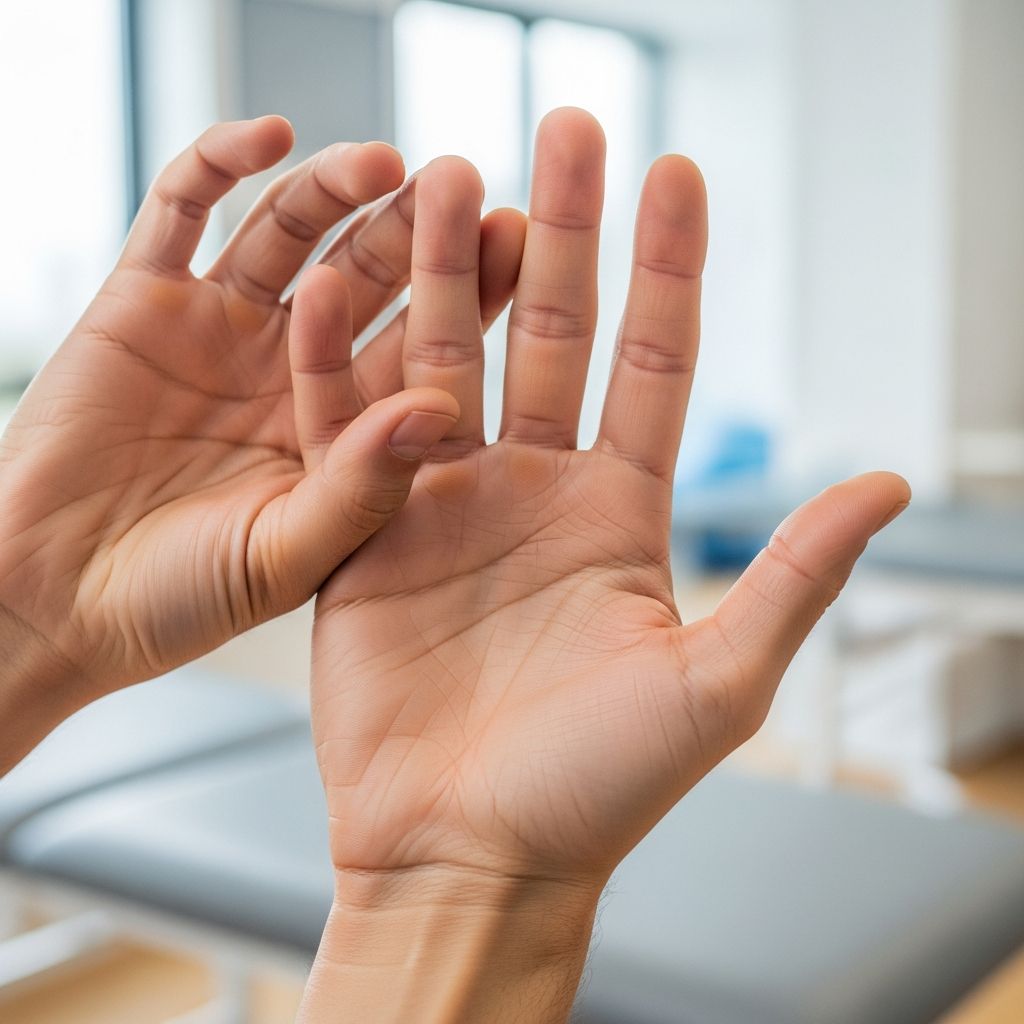
Exercises for Pain-Free Hands: A Harvard Medical School Guide
Hand and wrist pain affects millions of people worldwide, often resulting from repetitive strain, arthritis, carpal tunnel syndrome, or prolonged use of computers and mobile devices. The good news is that targeted exercises can significantly reduce pain, improve range of motion, and enhance hand function. Harvard Medical School has developed a series of evidence-based exercises specifically designed to keep hands healthy and pain-free. This comprehensive guide explores these exercises and provides practical guidance for incorporating them into your daily routine.
Understanding Hand and Wrist Pain
Before diving into specific exercises, it’s important to understand the underlying causes of hand and wrist pain. The human hand is an incredibly complex structure consisting of bones, muscles, tendons, ligaments, and nerves that work together to provide dexterity and strength. When these structures experience strain or injury, pain and dysfunction can result.
Common causes of hand pain include carpal tunnel syndrome, arthritis, trigger finger, tendinitis, and repetitive strain injuries. Many of these conditions develop gradually over time due to prolonged use, poor ergonomics, or certain activities. The key to managing and preventing hand pain is maintaining flexibility, strength, and proper range of motion through regular exercise.
Benefits of Hand and Wrist Exercises
Performing targeted hand exercises offers numerous benefits for hand health and function:
- Reduces pain and inflammation in the hands and wrists
- Improves flexibility and range of motion
- Enhances muscle strength and endurance
- Promotes better circulation to the hands
- Prevents stiffness and loss of function
- Reduces risk of developing chronic hand conditions
- Improves dexterity and fine motor skills
Harvard’s Recommended Hand and Wrist Exercises
1. Palm-to-Sky and Palm-to-Floor Exercise
This foundational exercise helps improve forearm rotation and wrist mobility. Begin by sitting or standing with your arms extended in front of you at shoulder height, forming a T-shape with your body. Slowly rotate your hands so your palms face upward toward the sky, then rotate them again so your palms face downward toward the floor. This simple yet effective movement engages the muscles responsible for forearm rotation and improves your hand’s ability to move in multiple directions.
How to perform: Hold each position for 2-3 seconds, and repeat 10-15 times per set. Perform 2-3 sets daily for optimal results. This exercise requires no force and should feel comfortable throughout the movement.
2. Wrist Flexion and Extension Exercises
Wrist flexion and extension exercises target the muscles on the top and bottom of the forearm, helping to reduce pain and improve range of motion. These exercises are particularly beneficial for individuals who spend significant time typing or using computers.
Wrist Extension: Hold your wrist in a stop gesture position with your palm facing down. Using your other hand, gently press the back of your hand, bending it slightly backward. You should feel a gentle stretch along the top of your forearm. Hold this position for 10-15 seconds and repeat 3-5 times on each side.
Wrist Flexion: This is the opposite movement. Bend your wrist so your palm faces inward at approximately a 90-degree angle. Using your other hand, gently pull your wrist further toward your forearm. You’ll feel a stretch along the inside of your forearm. Hold for 10-15 seconds and repeat on both sides.
Related Stories



Harvard Variation for Extension: Place your forearm on a table with a rolled towel for padding underneath. Let your hand hang off the edge of the table with your palm facing down. Slowly lift your hand upward until you feel a gentle stretch, then return to the starting position. This variation provides excellent support for those with significant wrist weakness.
3. Namaste Stretch Exercise
The Namaste stretch is a favorite among hand specialists for its simplicity and effectiveness. This exercise targets the wrist muscles and can be performed anywhere, anytime. Begin by holding your hands together in front of your chest in the traditional namaste position, with your palms pressed firmly together. Keep your elbows pointing outward at a comfortable angle.
From this position, slowly move your hands toward your belly button while maintaining constant contact between your palms. Continue this movement until you feel a gentle stretch in your wrists and forearms. For added benefit, you can gently bend your hands slightly to the left and then to the right at intervals. Hold the full position for 20-30 seconds and repeat as tolerated throughout the day.
4. Wrist Radial and Ulnar Deviation Exercise
This exercise improves the side-to-side movement of your wrist, which is crucial for many daily activities. To perform this exercise, support your forearm on a flat surface or table with a rolled-up towel underneath for padding. Position your hand so your thumb points upward. Slowly move your wrist up and down through its full range of motion, similar to making a waving gesture. The movement should be smooth and controlled, with the towel providing essential support and stability.
This exercise helps strengthen the muscles on the sides of the forearm and wrist, improving overall wrist stability and function. Repeat for 15-20 repetitions, two to three times daily.
5. Thumb Flexion and Extension Exercise
The thumb is vital for hand function, and keeping it flexible and strong is essential. Start by holding your hand in a stop gesture with your thumb pointing outward, away from your fingers. Slowly move your thumb toward the center of your wrist, then back to the starting position. This movement targets the muscles controlling thumb motion and helps prevent thumb pain and arthritis.
Perform 10-15 repetitions on each hand, repeating as tolerated. This exercise is particularly important for individuals who frequently text, type, or perform fine motor tasks with their hands.
6. Hand and Finger Tendon Glide Exercise
The hand and finger tendon glide is a comprehensive exercise that targets multiple muscle groups in the hand and fingers. Begin by extending all your fingers straight out in a stop sign position. Then, sequentially move through different hand positions: first make a hook with your fingers, then return to the straight position. Next, make a full fist, then return to straight. Finally, make a straight fist position (keeping your thumb extended). Return to the starting position and repeat the entire sequence.
This exercise mobilizes the tendons in your hand and helps prevent stiffness. You can perform 5-10 repetitions of this sequence, repeating as needed. Feel free to add variations based on your preferences and comfort level, such as holding each position for 2-3 seconds or moving more slowly through each transition.
Exercise Recommendations and Best Practices
Frequency and Duration
For optimal results, perform these exercises daily or as recommended by your healthcare provider. Each exercise session should take 10-15 minutes, making it easy to incorporate into your daily routine. The key to success is consistency rather than intensity.
Safety Guidelines
Never push through sharp pain when performing these exercises. Gentle stretching and movement are the goals, not pain production. If you experience significant discomfort, discontinue the exercise and consult with a healthcare professional. Always warm up your hands before exercising by gently rubbing them together or soaking them in warm water for 5 minutes.
Progressive Approach
If you’re new to hand exercises, start slowly and gradually increase the intensity and duration. As your hands become stronger and more flexible, you can extend the holds or add additional repetitions. Listen to your body and progress at a pace that feels comfortable.
When to Seek Professional Help
While these exercises are beneficial for maintaining hand health and managing mild to moderate pain, certain conditions may require professional intervention. Contact a healthcare provider if you experience severe pain, significant loss of function, numbness or tingling that persists, or symptoms that worsen despite consistent exercise. Conditions like carpal tunnel syndrome, trigger finger, or arthritis may require additional treatment options including physical therapy, medication, or in some cases, medical procedures.
Lifestyle Modifications to Support Hand Health
In addition to performing regular exercises, several lifestyle modifications can further support hand health and reduce pain:
- Maintain proper ergonomics at your workplace, ensuring your wrists are in neutral position while typing
- Take regular breaks from repetitive tasks, especially computer work
- Apply ice or heat to your hands as needed to manage inflammation and pain
- Wear supportive wrist braces during activities that cause discomfort
- Avoid prolonged gripping or squeezing activities
- Stay hydrated and maintain a healthy diet rich in anti-inflammatory foods
- Manage stress, as tension often manifests in hand and wrist tightness
Advanced Strengthening for Hand Health
Once you’ve mastered the basic exercises and your hand pain has diminished, you may want to progress to strengthening exercises. These can include using hand therapy putty to improve grip strength, performing finger curls with light resistance, or using therapy balls to enhance dexterity. Always consult with a healthcare provider before progressing to more intensive exercises.
Creating Your Daily Hand Exercise Routine
To maximize the benefits of these exercises, establish a consistent daily routine. A simple approach is to perform all exercises once in the morning and once in the evening. Alternatively, you can spread them throughout the day, performing 1-2 exercises every few hours. This approach helps maintain consistent mobility and prevents stiffness from developing.
Sample Daily Routine Schedule
| Time | Exercise | Duration |
|---|---|---|
| Morning (upon waking) | All 6 exercises | 10-15 minutes |
| Midday | Palm-to-Sky/Floor + Namaste Stretch | 5 minutes |
| Evening | All 6 exercises | 10-15 minutes |
Frequently Asked Questions
Q: How long does it take to see results from hand exercises?
A: Most people notice improvements in flexibility and pain reduction within 2-4 weeks of consistent daily exercise. However, significant gains in strength and function may take 6-8 weeks or longer. Consistency is key to seeing lasting results.
Q: Can these exercises help with arthritis in the hands?
A: Yes, these exercises can help reduce arthritis symptoms by improving flexibility, reducing stiffness, and maintaining joint mobility. However, individuals with severe arthritis should consult their rheumatologist before beginning an exercise program.
Q: Should I perform these exercises if my hands don’t hurt?
A: Absolutely. These exercises are excellent for preventive care and maintaining hand health. Performing them regularly can help prevent the development of future hand problems and maintain optimal hand function.
Q: Can I perform all these exercises if I have carpal tunnel syndrome?
A: Most of these exercises are safe for carpal tunnel syndrome, but it’s best to consult with your healthcare provider or physical therapist first. They can recommend which exercises are most appropriate for your specific condition and severity.
Q: How should I modify these exercises if I’m experiencing significant pain?
A: Start with very gentle, small movements and gradually increase the range of motion as pain decreases. Never push through sharp pain. If exercises consistently cause pain, discontinue and seek professional medical advice.
Q: Are there any exercises I should avoid with certain hand conditions?
A: Yes, certain conditions may require modification or avoidance of specific exercises. For example, people with severe arthritis might need to avoid forceful gripping exercises. Always consult with a healthcare provider about your specific condition.
Q: Can these exercises improve my typing speed and accuracy?
A: While these exercises primarily focus on pain relief and flexibility, improved hand mobility and reduced pain can indirectly enhance typing performance. Combined with proper ergonomics and typing technique, they may contribute to better typing efficiency.
Conclusion
Hand and wrist pain doesn’t have to be a permanent part of your life. By implementing Harvard Medical School’s recommended exercises into your daily routine, you can significantly reduce pain, improve flexibility, and maintain optimal hand function for years to come. These simple yet effective exercises require no special equipment and can be performed anywhere, making them accessible to everyone. Start slowly, be consistent, and listen to your body. Within weeks, you should notice meaningful improvements in your hand health and overall quality of life. Remember, prevention is always easier than treatment, so consider performing these exercises regularly even if you don’t currently experience hand pain. Your hands will thank you for the investment in their long-term health and function.
References
- Hand and Wrist Exercises Guide — Harvard Medical School Health Publications. 2024. https://www.health.harvard.edu/pain/exercises-for-pain-free-hands
- Understanding Hand Pain and Injury — American Academy of Orthopaedic Surgeons. 2023. https://orthoinfo.aaos.org
- Carpal Tunnel Syndrome: Diagnosis and Treatment — National Institutes of Health (NIH). 2023. https://www.ninds.nih.gov
- Exercise and Rehabilitation for Hand Disorders — American Physical Therapy Association. 2024. https://www.apta.org
- Repetitive Strain Injuries: Prevention and Management — Occupational Safety and Health Administration (OSHA). 2024. https://www.osha.gov
Similar Articles








Read full bio of medha deb